återanvändbara nylonkassar för matvaror
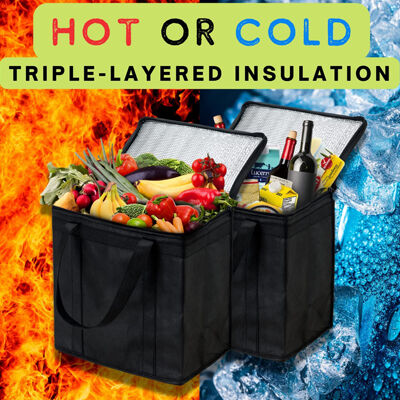
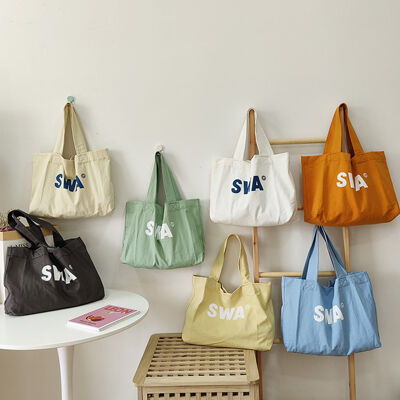
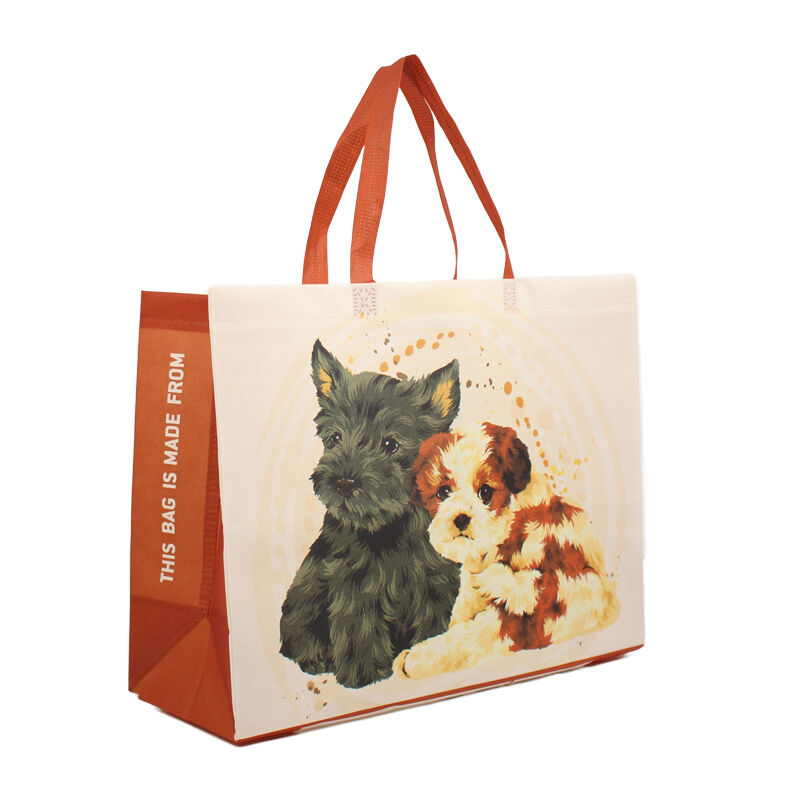
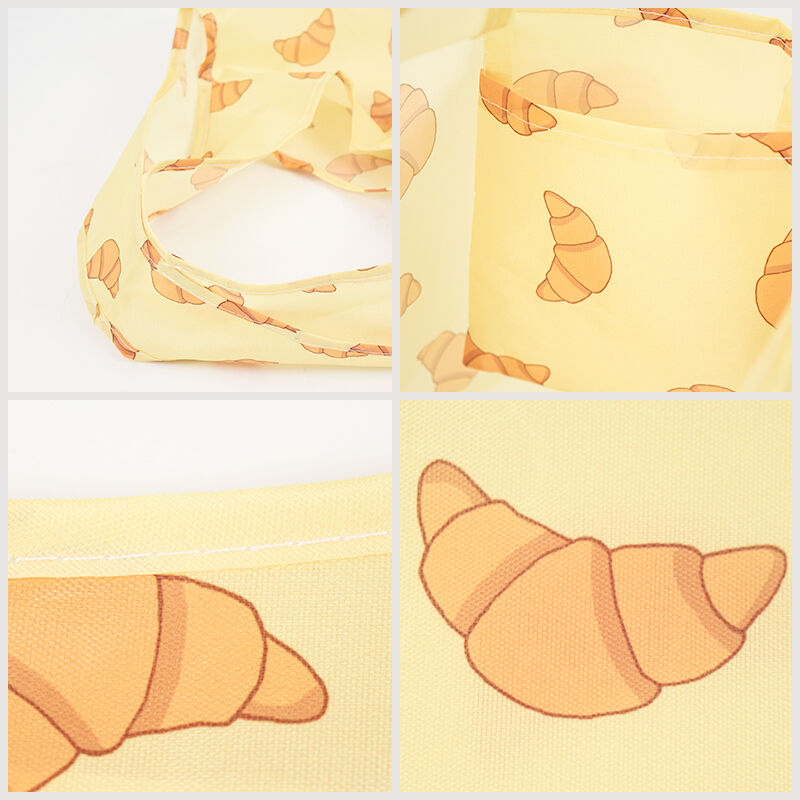
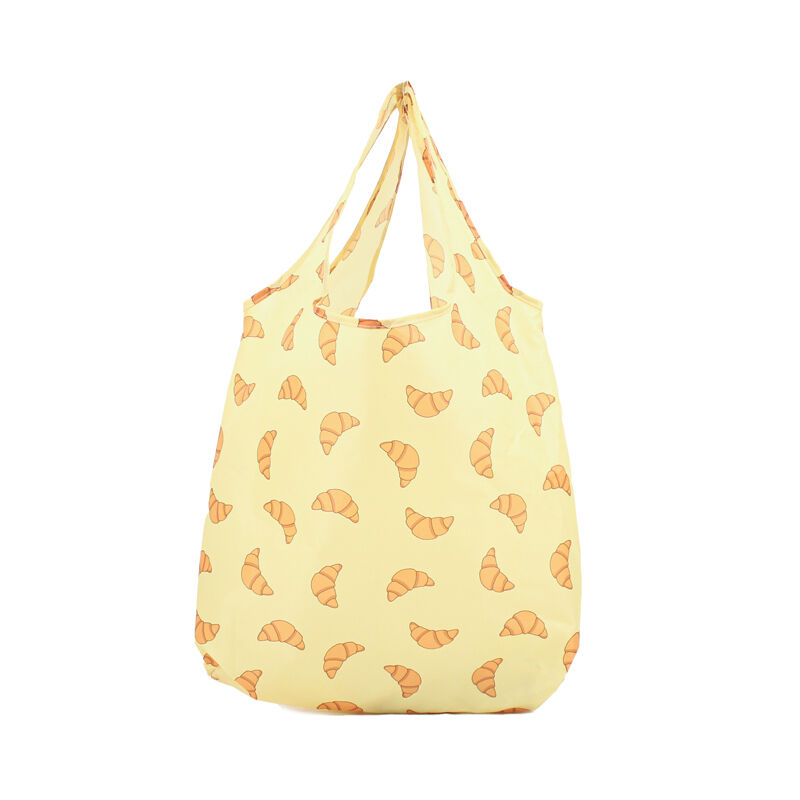
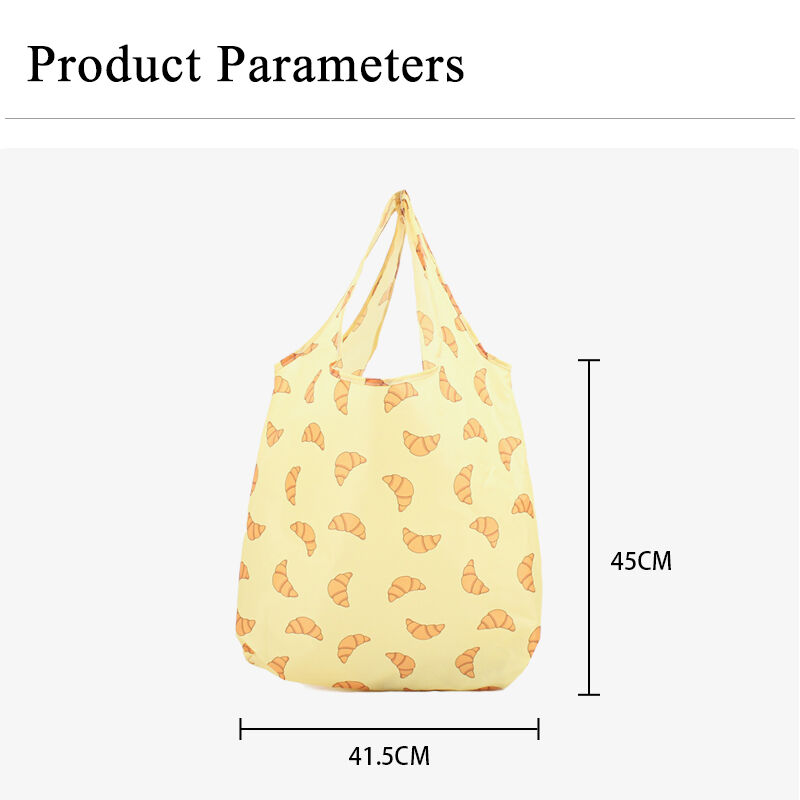
Återanvändbara nylonkassar för dagligvaror representerar en revolutionerande metod för hållbar handel, där hållbarhet kombineras med miljöansvar. Dessa innovativa bägare är tillverkade av högkvalitativt nylonmaterial som ger exceptionell styrka samtidigt som de behåller sin lättviktighet och portabilitet. Den främsta funktionen för återanvändbara nylonkassar för dagligvaror är att tillhandahålla pålitlig transport för livsmedel, hushållsartiklar och personliga ägodelar, samtidigt som enskild användning av plastkassar minskas avsevärt. Teknologiska funktioner inkluderar förstärkta symslingor som fördelar vikten jämnt över belastningspunkterna, vilket förhindrar revor och förlänger produktens livslängd. Nylonmaterialet genomgår specialbehandlingar som förbättrar vattentåtheten, vilket gör kassarna lämpliga för att bära fuktiga eller blöta föremål utan att påverka strukturen negativt. Avancerade vävtekniker skapar en slät yta som motstår fläckar och underlättar rengöring genom enkla maskinvaskcykler. Användningsområdena sträcker sig långt bortom inköp av dagligvaror och omfattar bland annat badutflykter, gymbesök, biblioteksbesök samt allmänna förvaringslösningar. Möjligheten att vika ihop kassarna kompakt gör att flera återanvändbara nylonkassar för dagligvaror kan förvaras i väskor, bilens utrymmen eller kökslådor utan att ta upp onödigt mycket plats. Färgbeständiga färgningsprocesser säkerställer att levande färger bibehålls konsekvent trots upprepad användning och tvätt. Ergonomiskt utformade handtag inkluderar bekväma greppzoner som minskar handtrötthet vid längre transportperioder. Tygets sammansättning ger utmärkt luftgenomsläppighet, vilket förhindrar fuktansamling som kan skada lättförderliga varor. Många återanvändbara nylonkassar för dagligvaror har utbyggbart design med sidofickor (gussets) som anpassar sig efter olika laststorlekar samtidigt som strukturell stabilitet bibehålls. Värmebeständiga egenskaper gör det möjligt att transportera varma föremål från restauranger eller uppvärmda livsmedelsprodukter på ett säkert sätt. Den syntetiska naturen hos nylon ger inbyggd motstånd mot mögel, svamp och bakterietillväxt, vilket främjar hygieniska förvaringsförhållanden för livsmedel och personliga ägodelar i olika användningsscenarier.
 ×
×

 EN
EN