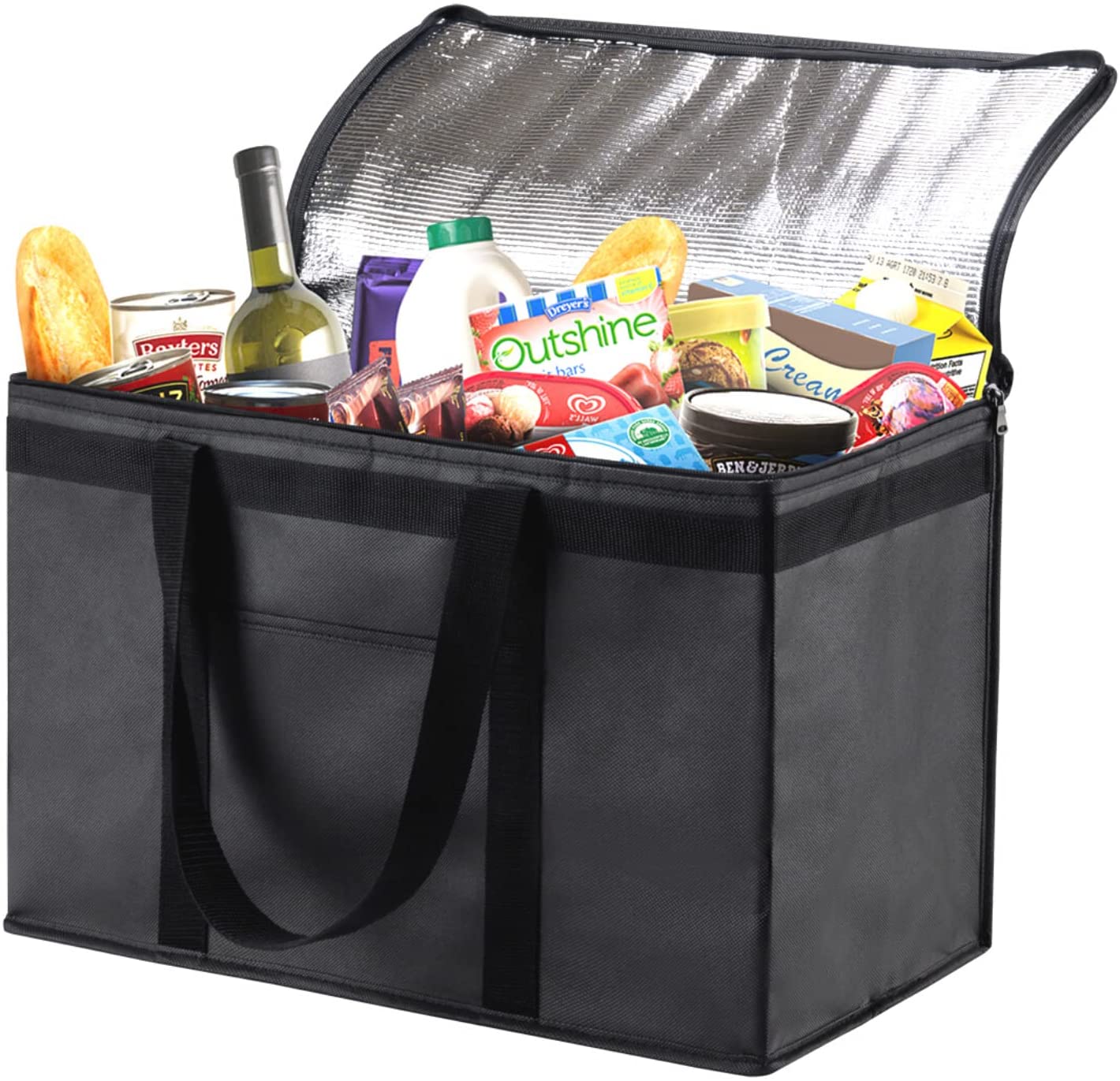
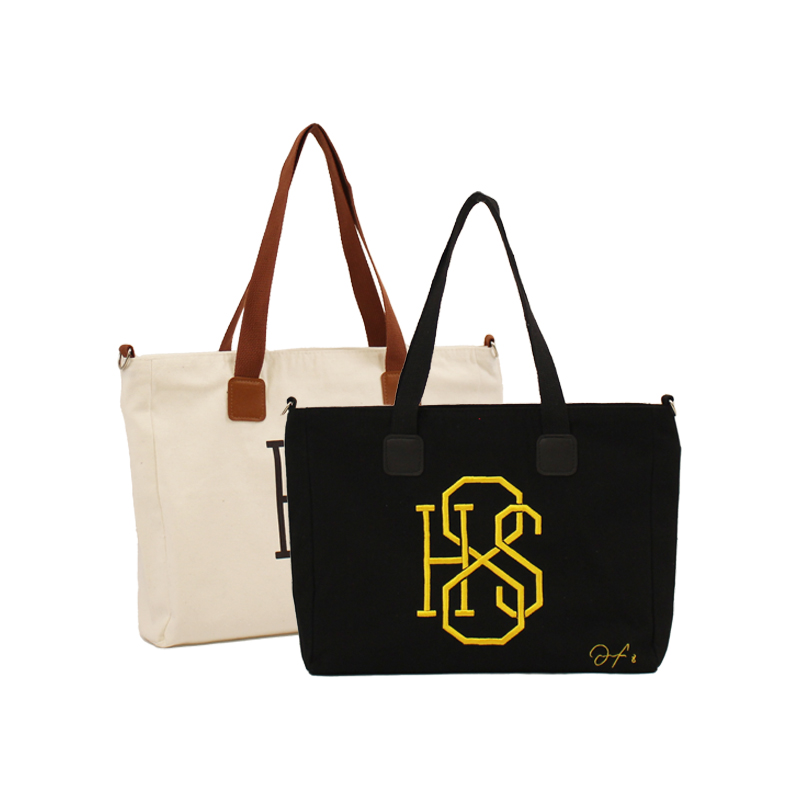
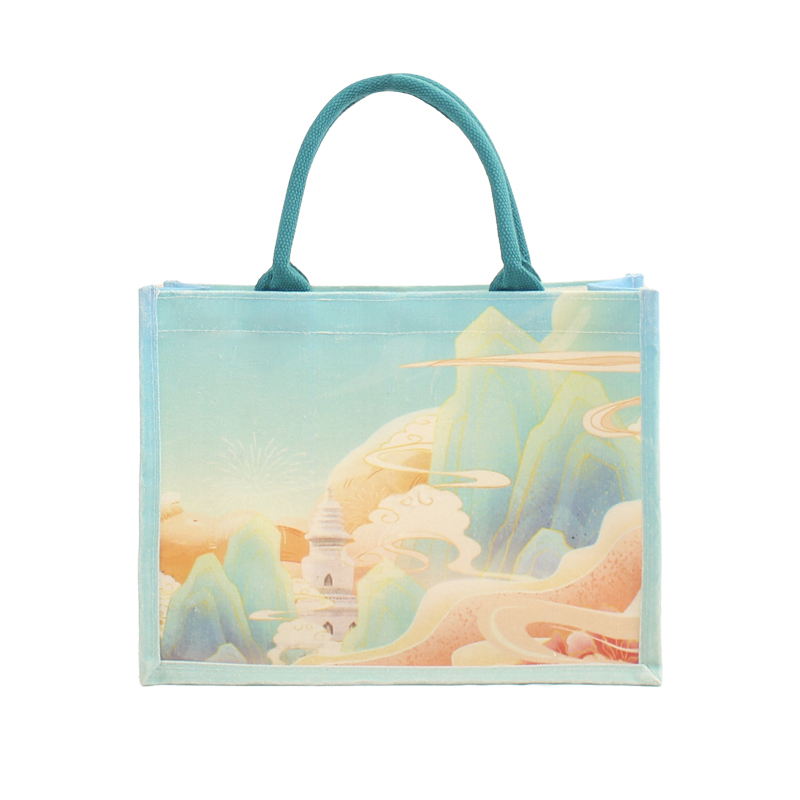
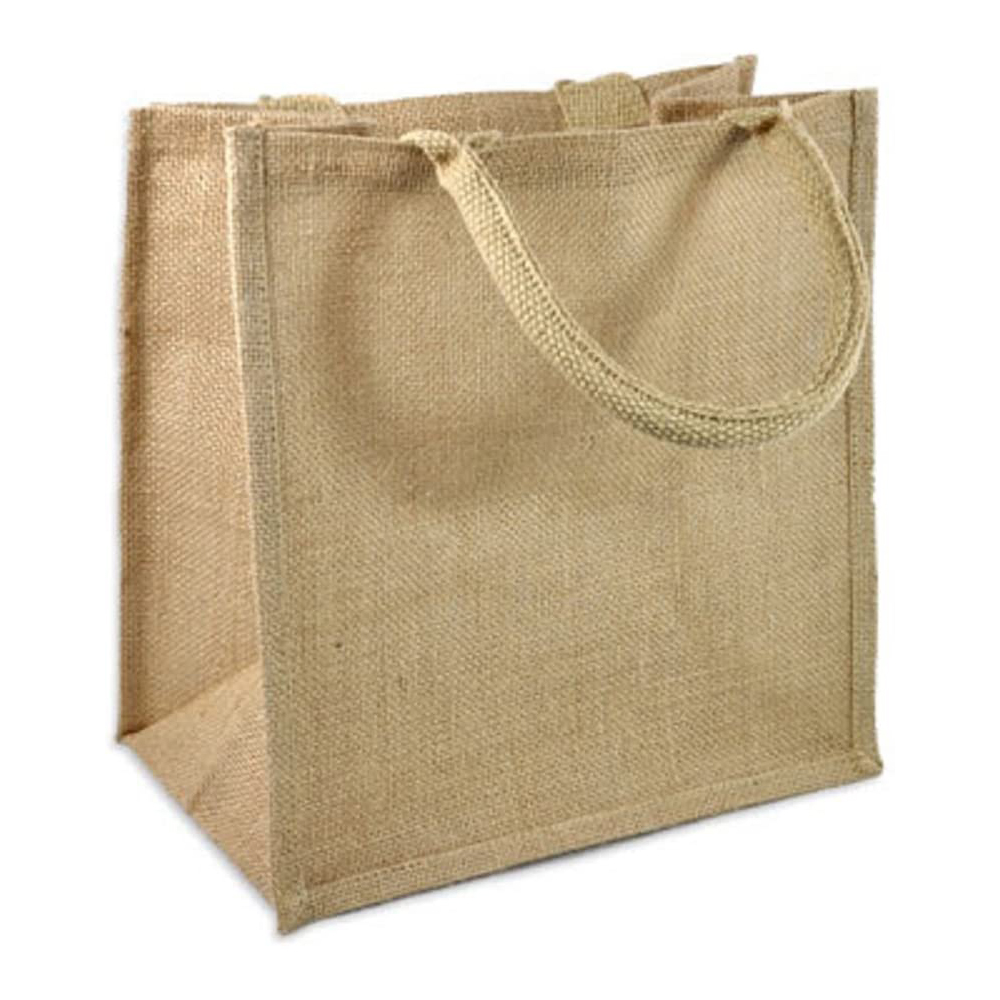
custom printed woven polypropylene bags
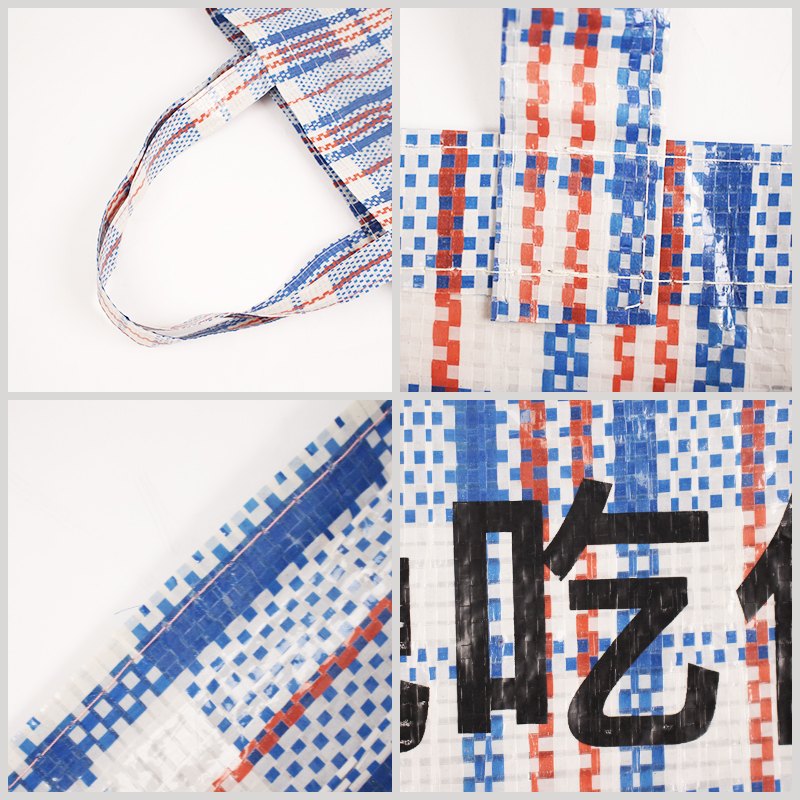
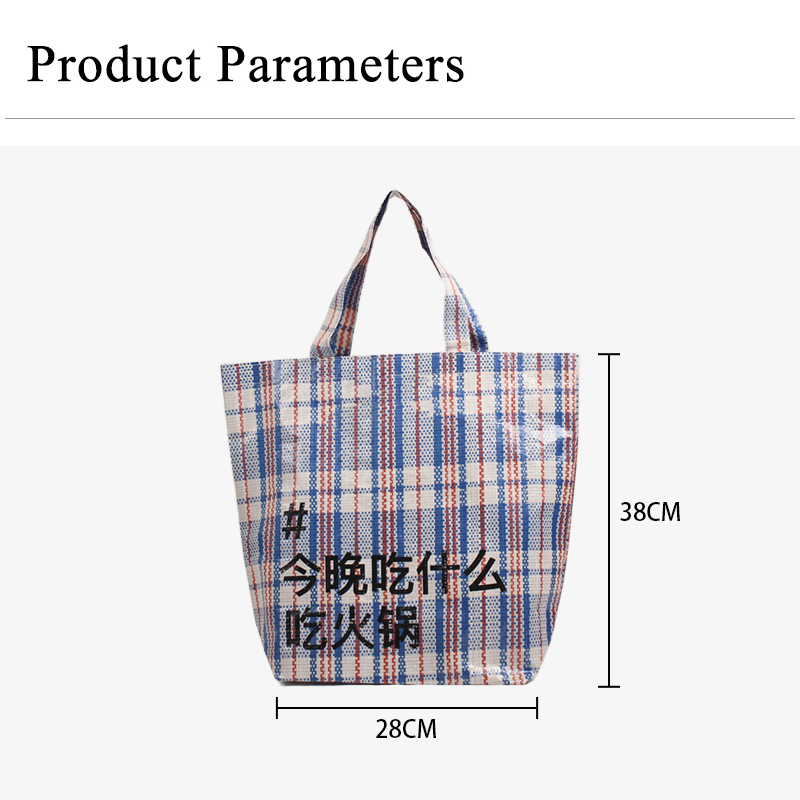
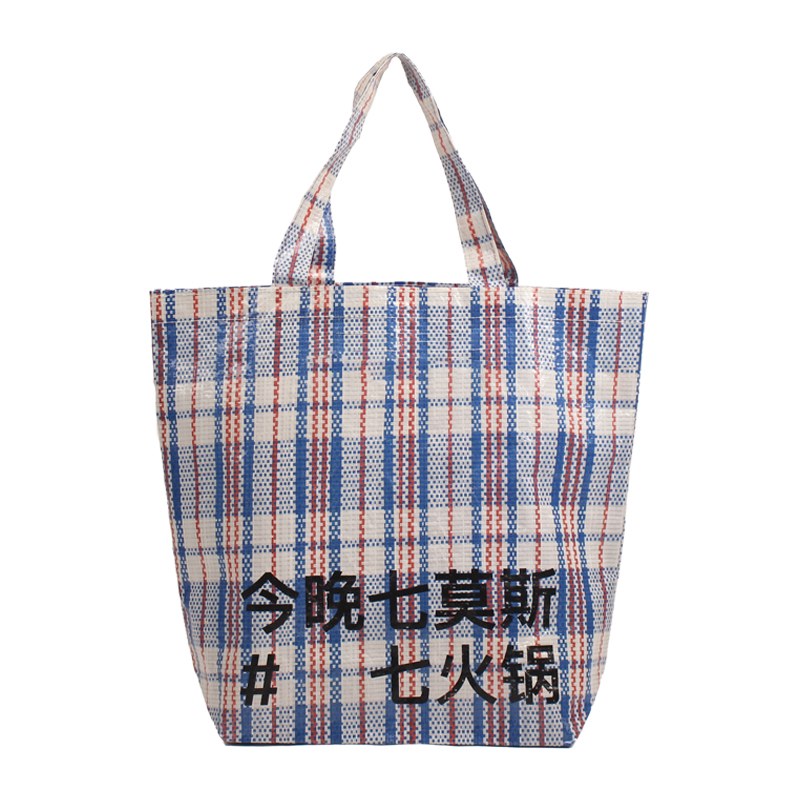
Custom printed woven polypropylene bags represent a versatile packaging solution designed for businesses seeking durable, cost-effective storage and transportation options. These bags combine strength with customization capabilities, making them ideal for various industrial and commercial applications. Custom printed woven polypropylene bags feature a multi-layered construction where polypropylene fibers are interwoven to create a robust fabric structure. The woven design provides exceptional tensile strength, enabling these bags to withstand heavy loads, rough handling, and challenging environmental conditions. The polypropylene material itself offers excellent moisture resistance, protecting contents from humidity and water exposure. Custom printed woven polypropylene bags can be produced in multiple sizes, colors, and configurations to meet specific business requirements. The printing capability allows companies to add logos, branding elements, product information, and regulatory compliance details directly onto the bag surface. This functionality transforms ordinary packaging into an effective marketing tool. Custom printed woven polypropylene bags serve numerous industries including agriculture, construction materials, chemicals, food products, and retail distribution. Farmers use them for grain and fertilizer storage, construction companies utilize them for aggregate materials, and manufacturers rely on them for product packaging and shipment. The bags' flexibility in design and production makes them adaptable to both standardized and specialized applications. Modern manufacturing processes ensure consistent quality across production batches, while environmental considerations drive development of recyclable and reusable options that align with sustainability goals.

 EN
EN