
 EN
EN




The humble tote bag has evolved far beyond its origins as a simple grocery carrier. In 2026, it occupies a unique intersection of practicality, sustainability, and personal style, making the buying decision more nuanced than ever before. Whether you are sourcing for everyday personal use, corporate gifting, or retail resale, understanding what separates a genuinely quality tote bag from a disposable imitation is essential to making a smart investment.
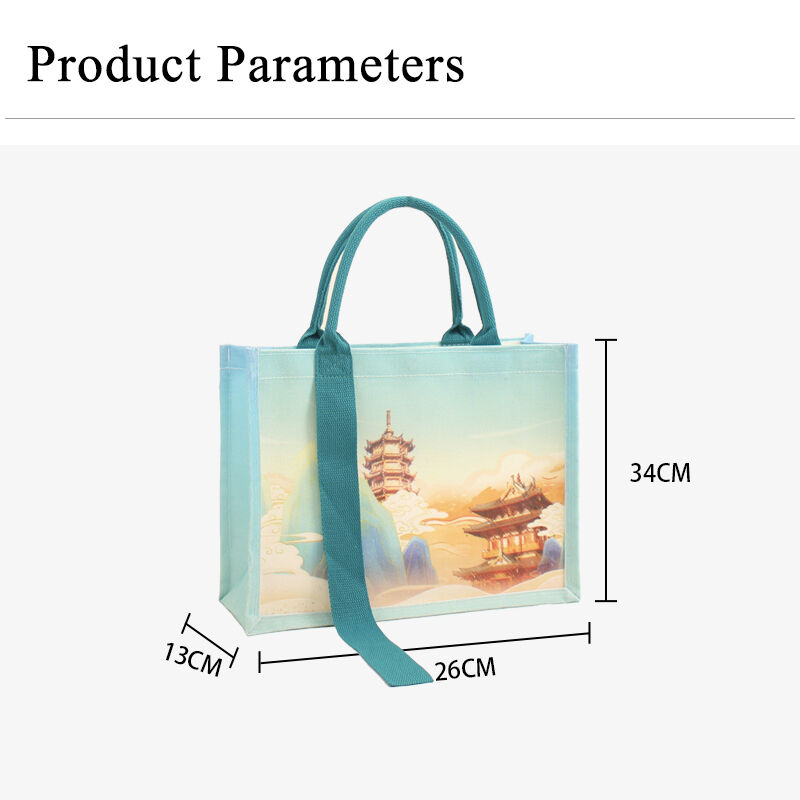
The market is flooded with options at every price point, and marketing language often obscures the real differences in construction, material integrity, and long-term durability. This article breaks down the specific attributes that define a high-quality tote bag in 2026, so you can evaluate any option with confidence and avoid the common pitfalls that lead to buyer regret. From fabric selection and stitching standards to handle reinforcement and load-bearing capacity, every detail matters when you are looking for a tote bag that truly earns its place in your daily routine.
Material Quality as the Foundation of a Good Tote Bag
Canvas Weight and Fiber Integrity
The most telling sign of a quality tote bag starts with its material, and canvas remains the benchmark fabric for a reason. Canvas is measured in ounces per square yard, and a truly durable tote bag should be constructed from canvas weighing at least 10 to 12 ounces. Lighter fabrics may look similar at first glance but will stretch, fray, and lose structural integrity under regular load, often within a matter of weeks.
The fiber composition also matters enormously. 100% cotton canvas breathes well, ages gracefully, and holds printed or embroidered designs with exceptional clarity. Cotton-polyester blends can add moisture resistance and reduce shrinkage, making them suitable for outdoor or commuter use. The key is that the fibers should be tightly woven, with a consistent, dense weave that resists tearing even when the tote bag is carrying irregular or heavy loads.
Before purchasing, examine or request fabric specifications. A reputable product listing will state the GSM or ounce weight clearly. If that information is absent, that absence itself is a quality signal worth noting. A tote bag built for genuine durability will have nothing to hide in its material specifications.
Interior Lining and Pocket Construction
A quality tote bag in 2026 increasingly incorporates interior linings that protect both the bag structure and the items inside. A well-stitched lining prevents the outer canvas from deforming under sharp objects, reduces fraying at interior seams, and adds a layer of cleanliness that matters for everyday professional or lifestyle use.
Interior pockets are another differentiator. A thoughtfully designed tote bag will include at least one zippered or slip pocket positioned for quick-access items such as phones, cards, or keys. These pockets should be securely bartacked at stress points and made from fabrics that complement the durability of the outer shell. A pocket that tears away after a few weeks of regular use undermines the entire value proposition of the bag.
When evaluating interior construction, check that the stitching lines are consistent in tension and spacing, with no loose threads or puckering along seams. These details reflect the manufacturing standards applied throughout the entire tote bag, not just its visible exterior.
Handle Design and Reinforcement Standards
Why Handles Are the Critical Stress Point
The handle is the single most stressed component of any tote bag, and it is the most common point of failure in lower-quality products. Handles bear the full dynamic load of the bag's contents, absorb the impact of repeated lifting and setting down, and must withstand the cumulative stress of daily use over months or years. A tote bag with poorly attached or under-engineered handles is not a quality product regardless of how appealing its exterior may appear.
Handle attachment should be reinforced with multiple rows of stitching and, ideally, rivets or bar-tack stitching at the attachment point. Rivets add mechanical strength that thread alone cannot provide, distributing load forces across a wider area of the fabric base. This is particularly important when the tote bag is expected to carry heavy items such as books, groceries, or laptop equipment.
Handle length is also a functional quality indicator. Handles that allow both hand-carry and over-the-shoulder use add versatility that working professionals genuinely value. Ideally, shoulder straps should sit comfortably on a range of body types without slipping, which requires a handle length in the 25 to 30 cm range on most standard tote designs.
Strap Material and Comfort Engineering
Beyond the attachment point, the strap material itself contributes significantly to the usability of the tote bag. Thin or narrow straps concentrate load pressure on a small area of the shoulder or palm, causing discomfort within minutes when the bag is carrying significant weight. Quality straps are at least 2.5 cm wide and constructed from the same or complementary material as the bag body.
Some premium tote bag designs introduce padded or webbing-style straps that further distribute weight. While padding adds a degree of bulk, it meaningfully extends the comfort of carrying heavier loads, making the bag genuinely useful for commuters, travelers, and professionals who are on their feet for extended periods.
For those considering a tote bag with reinforced handles designed specifically for load-bearing everyday use, the construction details described above should be treated as non-negotiable baseline criteria rather than optional premium features. This level of engineering reflects what the best products in the market currently offer.
Stitching, Finishing, and Structural Integrity
Seam Standards That Reflect Real Build Quality
Stitching is the connective tissue of every tote bag, and its quality is visible to anyone who knows what to look for. High-quality stitching uses durable polyester or bonded nylon thread with a consistent stitch count, typically 8 to 10 stitches per inch. This density provides strength without perforating the fabric too aggressively, which can weaken the material around the stitch line.
Flat-felled seams, where the raw edge of the fabric is folded and stitched down on both sides, offer far greater durability than simple single-pass seams. This construction technique is a hallmark of quality workmanship and is standard in properly manufactured tote bag products designed for regular heavy use. It is also an immediate indicator that the manufacturer is building to a higher standard than the baseline.
Inspect the corners, base, and any stress points where multiple panels of fabric meet. These areas should have double-stitched or reinforced seams with no gaps, puckering, or thread fraying. A single loose thread at a stress point is not a cosmetic flaw — it is a structural vulnerability that will expand under load and use.
Base Reinforcement and Shape Retention
The base of a tote bag carries the accumulated weight of everything inside it and is typically the second most vulnerable area after the handles. A quality tote bag will incorporate a reinforced base panel, either through extra layers of fabric, internal stiffeners, or a sewn-in board that helps the bag maintain its shape when loaded.
Shape retention is more than an aesthetic concern. A bag that collapses or distorts under load is harder to access, harder to carry cleanly, and signals that the fabric is being stretched beyond its structural design parameters. A well-constructed tote bag maintains a consistent, upright profile whether it is empty or full, reflecting a thoughtful engineering approach to base construction.
For buyers sourcing a tote bag for retail, gifting, or business use, base quality is also a brand signal. A bag that holds its shape and presents neatly communicates professionalism and care in a way that a sagging or misshapen product simply cannot.
Sustainability and Value Alignment in 2026
Why Durability Is the Real Environmental Standard
In 2026, the sustainability conversation around the tote bag has matured considerably. Early environmental marketing positioned reusable bags as inherently eco-friendly, but the lifecycle analysis is more nuanced. A cotton tote bag must be used hundreds of times to offset its production footprint compared to a single-use plastic bag. That equation only works in favor of the tote bag when the product is genuinely durable enough to sustain that level of use.
This means that durability is not just a practical quality — it is the actual mechanism through which a tote bag delivers on its environmental promise. A bag that falls apart after three months of use provides neither the functional nor the sustainability value that justified the purchase. Buyers who care about genuine environmental impact should prioritize structural quality above all other features.
Look for products made from certified organic cotton or recycled materials where available, but do not allow eco-labeling language to substitute for genuine assessment of construction quality. A well-made conventional canvas tote bag that lasts five years outperforms a poorly made organic cotton one that lasts five months on every measurable axis, environmental and financial alike.
Cost Per Use as the Honest Value Metric
When evaluating the worth of a tote bag, the sticker price is a misleading metric on its own. The honest calculation is cost per use — how much you are paying divided by how many times the bag will realistically serve its purpose before replacement. A quality tote bag priced at three to four times a cheap alternative will typically deliver ten to twenty times the lifespan, making it a dramatically better value by any rational financial analysis.
For businesses sourcing tote bag products for promotional or retail purposes, this logic scales efficiently. A higher-quality bag used daily by recipients generates significantly more brand impressions over its lifetime than a cheap alternative discarded after a few uses. The per-impression cost calculation strongly favors investment in quality.
Understanding cost per use also changes how you shop. Rather than filtering by the lowest price, you begin evaluating products by their total delivered value — combining material quality, construction standards, handle reinforcement, and practical usability into a single holistic judgment about whether a tote bag is truly worth buying.
FAQ
What weight of canvas is best for a durable tote bag?
For everyday heavy use, a tote bag made from canvas weighing 10 to 12 ounces per square yard is generally the sweet spot between durability and practicality. Lighter canvas may be suitable for occasional light use, but if you plan to carry books, groceries, or work items regularly, heavier canvas construction is a worthwhile investment that pays off in longevity.
How can I tell if a tote bag has quality stitching without technical knowledge?
You do not need technical expertise to evaluate stitching on a tote bag. Run your fingers along the main seams and check for consistent thread tension with no loops, gaps, or fraying. Tug gently at the handles where they attach to the bag body — they should feel completely firm with no give or separation at the joint. Any looseness at these points is a reliable sign of below-standard construction.
Is a reinforced handle really necessary for a tote bag used daily?
Yes, for daily use a reinforced handle is not optional — it is the most critical structural feature of the tote bag. The handle bears the entire load of the bag's contents every time it is lifted, and unreinforced attachment points are the most common failure mode in low-quality products. Bar-tack stitching, rivets, or multi-row reinforcement at the attachment point are the construction features you should look for before any other consideration.
Does the color or printing quality of a tote bag affect its overall durability?
Printing quality affects the visual longevity of a tote bag rather than its structural durability. Screen-printed or heat-transferred designs can crack and fade if applied with low-quality inks or inadequate curing. High-quality printing uses reactive dyes or plastisol inks that bond deeply with the fabric fibers, maintaining clarity and color integrity through hundreds of washes. If you are buying a tote bag with a printed design, ask about the printing method and ink type to ensure the visual element lasts as long as the bag itself.