pp woven sacks
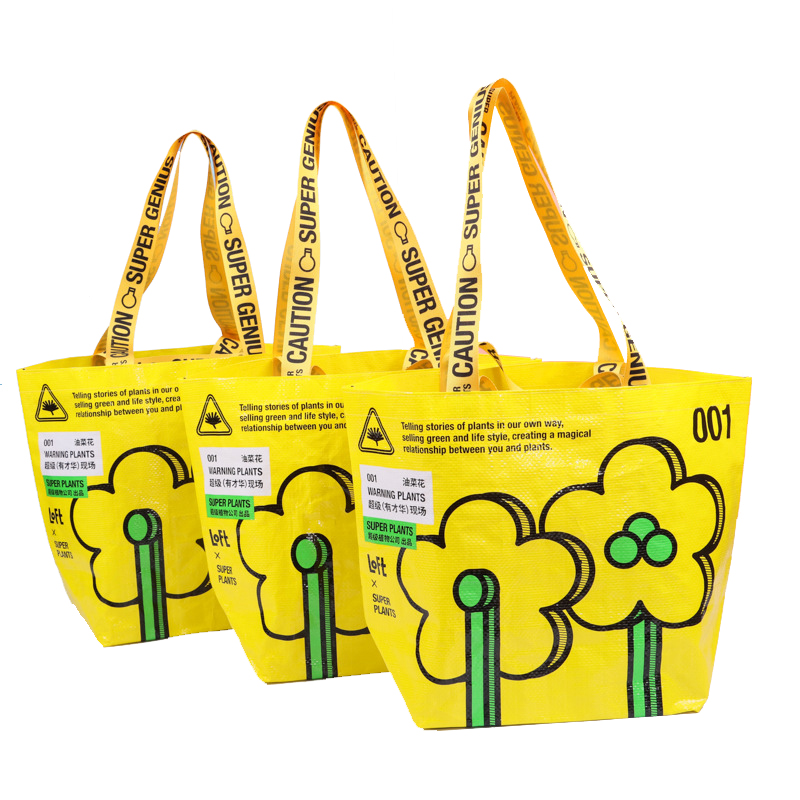
PP woven sacks represent a sophisticated packaging solution designed to meet diverse storage and transportation needs across numerous industries. These durable containers are constructed from polypropylene material woven into a strong, flexible fabric that provides exceptional strength-to-weight ratio performance. PP woven sacks feature multiple technological innovations that set them apart from conventional packaging alternatives. The layered weaving technique creates a dense fabric structure that resists puncturing, tearing, and environmental degradation, ensuring product integrity throughout the supply chain. These sacks incorporate advanced manufacturing processes that produce consistent quality and reliable performance standards. PP woven sacks are engineered to accommodate various fill weights while maintaining structural integrity, making them suitable for bulk commodity storage. The material composition allows for excellent moisture resistance and protection against dust contamination, critical factors in preserving product quality. Modern PP woven sacks feature sealed seams and reinforced handles that enhance user safety and convenience during handling operations. Applications span agricultural products, chemicals, minerals, plastics, food ingredients, and construction materials. The versatile design accommodates both manual and automated filling processes, adapting seamlessly to existing production infrastructure. PP woven sacks deliver outstanding value through their reusable construction and environmentally conscious manufacturing approach, making them an intelligent choice for businesses seeking reliable, sustainable packaging solutions.

 EN
EN