
 EN
EN


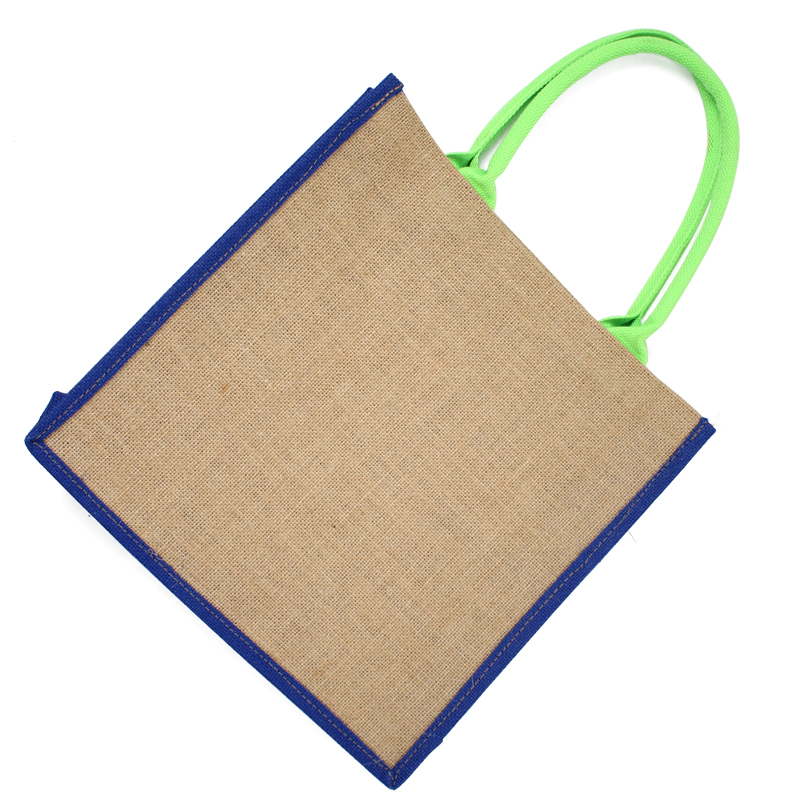
Small businesses face constant pressure to stand out in crowded markets while managing tight budgets. A custom tote bag offers an elegant, practical solution that combines brand visibility with genuine utility. Unlike disposable promotional items that end up in landfills, a custom tote bag becomes part of customers' daily routines, creating repeated touchpoints with your brand. This sustained exposure transforms a simple product into a powerful marketing asset that delivers measurable business benefits.
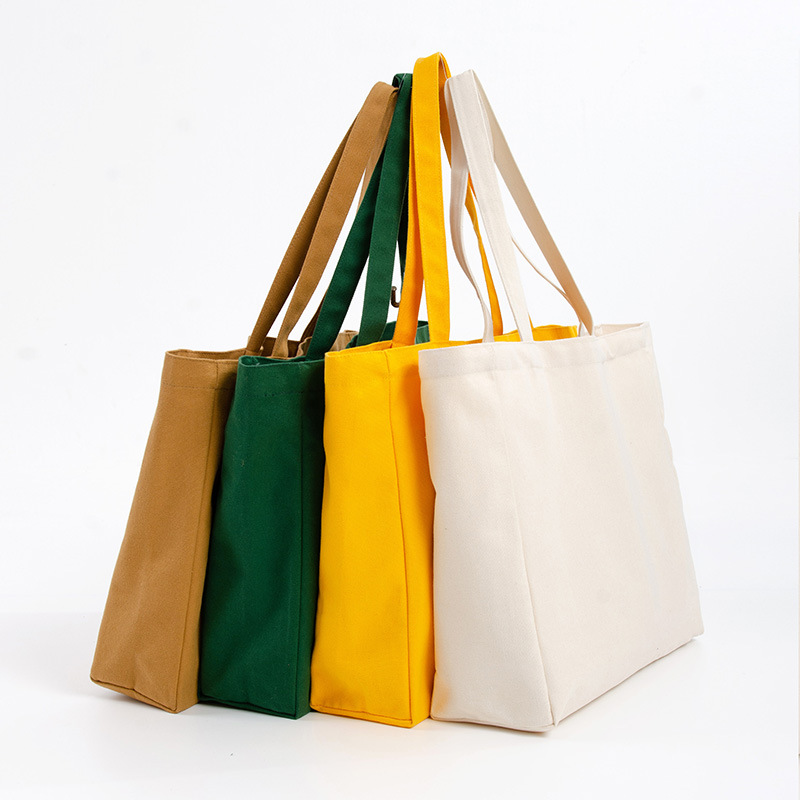
When small business owners invest in marketing, they need every dollar to work harder and longer. A custom tote bag does exactly that by providing extended brand exposure at a fraction of the cost of traditional advertising. The versatility of a custom tote bag makes it suitable for retail locations, trade shows, corporate events, or customer appreciation packages. This flexibility ensures your investment reaches the right audience across multiple touchpoints throughout the year.
Brand Visibility and Recognition
Creating Lasting Impressions Through Everyday Use
A custom tote bag transforms your brand message into something customers use repeatedly, whether shopping, commuting, or running errands. Each time someone carries your custom tote bag, they broadcast your business identity to their entire social circle. This organic, word-of-mouth amplification is difficult to achieve through paid advertising alone. The custom tote bag becomes a walking billboard that costs far less than digital marketing while reaching a genuinely engaged audience.
Differentiating Your Brand in Retail Environments
In competitive retail sectors, a custom tote bag sets your business apart by demonstrating professionalism and attention to detail. Customers perceive brands that provide quality custom tote bags as established, trustworthy, and customer-focused. This perception directly influences purchasing decisions, particularly among eco-conscious consumers who appreciate reusable alternatives. A well-designed custom tote bag signals that your business values sustainability, which increasingly influences consumer loyalty and brand preference.
Building Customer Loyalty and Retention
Strengthening Emotional Connection Through Gifts
Small businesses succeed by building genuine relationships with their customers, and a custom tote bag serves as a tangible expression of that relationship. When customers receive a thoughtfully designed custom tote bag, they perceive it as a gift rather than marketing material. This psychological shift transforms a promotional item into a loyalty driver that encourages repeat business. The custom tote bag reinforces your brand's values and commitment to customer appreciation, which resonates particularly strongly with repeat customers who become brand advocates.
Supporting Long-Term Customer Engagement
Unlike promotional items with short lifespans, a quality custom tote bag remains functional for years, extending your brand touchpoint indefinitely. Every time customers use their custom tote bag, they experience a positive association with your business. This extended engagement period creates multiple opportunities for customers to develop deeper brand loyalty. Small businesses that understand this principle realize a custom tote bag is not just a promotional expense but an investment in customer relationship management that yields returns long after the initial purchase.
Cost-Effective Marketing and Business Growth
Maximizing Return on Investment
Budget constraints often limit small business marketing options, making a custom tote bag an exceptionally smart investment. The per-unit cost of a custom tote bag is remarkably low compared to traditional advertising channels, while the visibility it generates is virtually unlimited. When you calculate the cost per impression, a custom tote bag significantly outperforms digital ads, billboards, and print media. This cost efficiency allows small businesses to achieve marketing scale without proportional budget increases, freeing resources for other growth initiatives.
Supporting Multiple Business Objectives Simultaneously
A custom tote bag delivers value across multiple business functions simultaneously. It serves as packaging that protects products during delivery while promoting your brand. It functions as a corporate gift that strengthens client relationships without excessive expense. It acts as employee uniforms that create professional team identity while promoting the business. A single custom tote bag investment addresses customer acquisition, retention, and employee engagement all at once, multiplying your marketing ROI beyond what single-purpose promotional items can achieve.
Creating Competitive Advantage Through Perceived Value
Customers associate reusable bags with quality and environmental responsibility, creating a halo effect for your brand. A custom tote bag elevates your small business image by signaling that you invest in customer experience and sustainable practices. This perception justifies premium pricing and attracts environmentally conscious consumers willing to pay more for brands aligned with their values. The competitive advantage gained through quality custom tote bags often translates directly into improved margins and customer lifetime value.
FAQ
What makes a custom tote bag effective for small business marketing?
A custom tote bag combines practical utility with extended brand exposure, creating repeated touchpoints with customers at minimal cost. Because customers use their custom tote bag regularly, your brand message reaches their social circles organically. The perceived quality of a custom tote bag reflects positively on your business, building trust and credibility. These factors combine to create marketing effectiveness that traditional promotional items simply cannot match.
How often should small businesses distribute custom tote bags?
Small businesses should distribute custom tote bags strategically at high-impact moments, such as during product launches, seasonal promotions, customer appreciation events, or trade show appearances. Consistent distribution of custom tote bags builds brand recall over time, but each distribution should feel intentional rather than excessive. The key is integrating your custom tote bag into existing customer touchpoints where it adds genuine value rather than forcing distribution when it feels inappropriate.
What design elements make a custom tote bag most effective?
An effective custom tote bag features a clean, professional design that clearly displays your business name or logo without overwhelming the bag. The color scheme should align with your brand identity while remaining visually striking. Including a subtle call-to-action, such as your website or social media handle, directs recipients toward deeper engagement. Quality materials and construction ensure your custom tote bag lasts long enough to provide sustained brand exposure, maximizing your investment and demonstrating your commitment to quality.