
 EN
EN




Selecting the appropriate tote bag size for travel requires a strategic evaluation of trip duration, packing requirements, airline regulations, and personal carrying comfort. Unlike casual shopping or daily commuting scenarios, travel demands that your tote bag accommodate essential items while remaining compliant with cabin restrictions and ergonomically manageable throughout extended periods of movement. The right tote bag acts as both a functional carry solution and a stress-reducing travel companion, eliminating the frustration of insufficient space or the physical burden of an oversized bag that becomes cumbersome during transit.
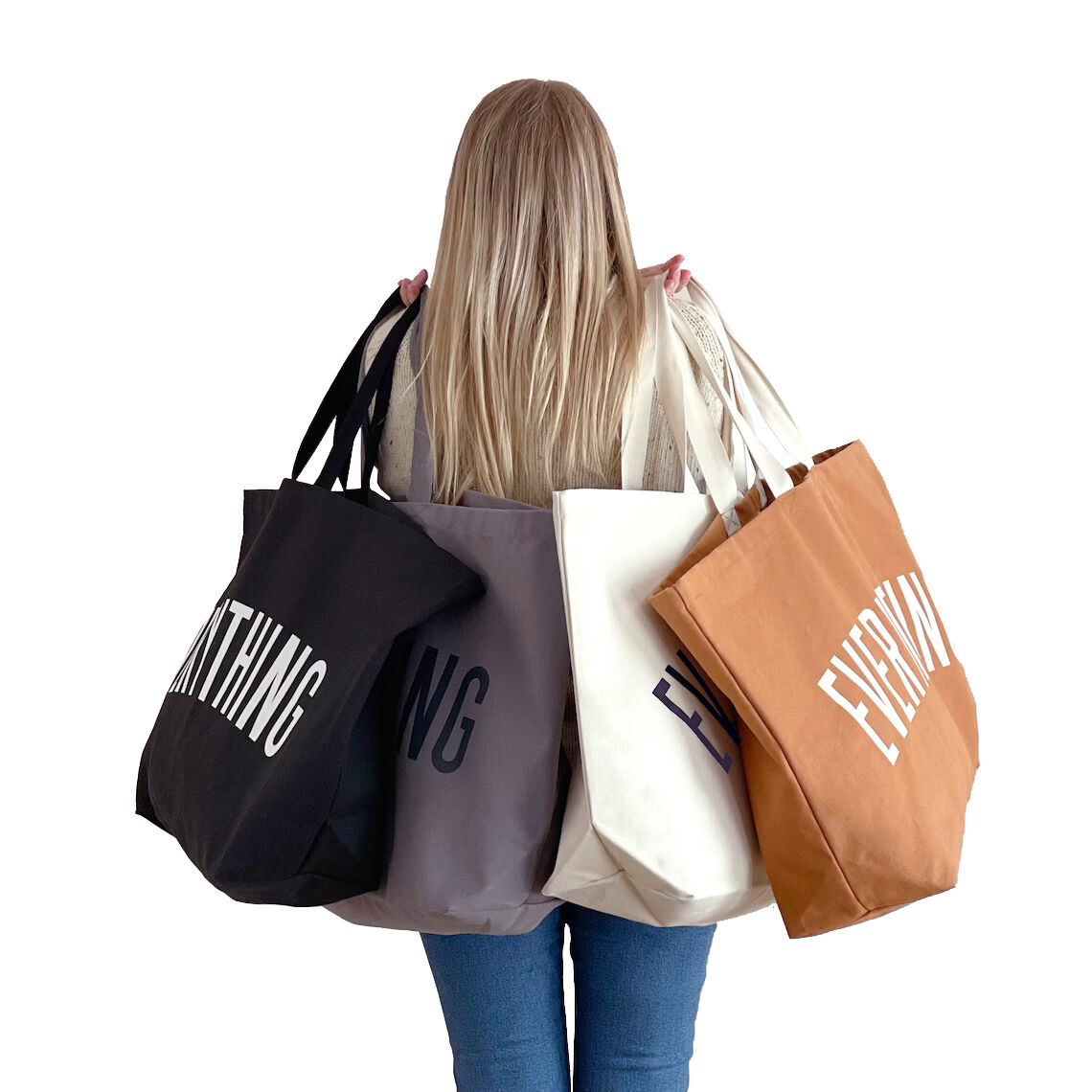
The process of choosing the correct tote bag dimensions involves understanding how size correlates with typical travel scenarios, from weekend getaways to international business trips. A thoughtfully selected tote bag provides immediate access to travel documents, electronics, medications, and comfort items without forcing you to dig through checked luggage or struggle with multiple smaller bags. This guide explores the practical methodology for matching tote bag size to travel context, ensuring your selection optimizes both capacity and convenience while addressing the specific challenges that arise during air travel, ground transportation, and destination mobility.
Understanding Tote Bag Size Categories and Travel Applications
Small Tote Bags for Minimalist Travel Needs
Small tote bags typically measure between twelve and fifteen inches in width and ten to twelve inches in height, creating a compact profile suitable for short excursions or supplementary storage during travel. These dimensions work effectively for day trips, brief business meetings, or situations where you need a secondary bag alongside checked luggage. The small tote bag excels at organizing travel essentials such as passports, boarding passes, a compact wallet, smartphone, basic toiletries, and perhaps a tablet or e-reader without creating excessive bulk.
For travelers embarking on overnight trips requiring minimal clothing changes, a small tote bag provides sufficient capacity when packing is disciplined and strategic. The reduced footprint makes navigation through crowded airports, train stations, and hotel lobbies considerably easier while maintaining quick access to frequently needed items. However, the limited interior volume restricts the inclusion of laptops larger than thirteen inches, bulky camera equipment, or multiple pairs of shoes, making this size category unsuitable for extended travel or trips requiring diverse wardrobe options.
Business professionals attending single-day conferences or meetings often find small tote bags adequate for carrying presentation materials, business cards, a lightweight laptop, charging cables, and professional documents. The streamlined appearance maintains a polished aesthetic while the manageable weight prevents shoulder strain during extended periods of walking or standing. When evaluating whether a small tote bag meets your travel requirements, honestly assess whether your typical packing list can realistically fit within approximately 1800 to 2400 cubic inches of usable interior space.
Medium Tote Bags as Versatile Travel Solutions
Medium tote bags generally range from sixteen to nineteen inches in width and thirteen to sixteen inches in height, representing the most popular size category for diverse travel scenarios. This dimensional range strikes a practical balance between carrying capacity and physical manageability, accommodating weekend trips, short vacations, and longer journeys when used as a personal item alongside checked baggage. A tote bag in this category provides enough room for three to four days of clothing when items are rolled efficiently, plus travel toiletries, electronics, reading materials, and comfort accessories.
The medium tote bag demonstrates particular value for air travelers who maximize cabin baggage allowances, as most airlines permit a personal item in addition to a carry-on roller bag. The size allows you to pack items requiring immediate access during flight such as medications, snacks, entertainment devices, travel pillows, and layering garments for temperature management. The expanded interior volume compared to small versions means you can include a fifteen-inch laptop, camera body with one or two lenses, or a change of shoes without forcing items into every available crevice.
When choosing a medium tote bag for travel purposes, verify that the fully packed dimensions remain within typical airline personal item restrictions, which commonly specify bags fitting under the seat in front of you. Most carriers enforce maximum dimensions around eighteen inches by fourteen inches by eight inches, though specific limits vary by airline and fare class. A medium tote bag offers the flexibility to expand packing during your trip to accommodate purchases, souvenirs, or additional layers without immediately requiring an additional bag, making it an intelligent choice for travelers who value adaptability.
Large Tote Bags for Extended Trips and Heavy Packing Needs
Large tote bags measure twenty inches or more in width and seventeen inches or greater in height, creating substantial carrying capacity designed for extended travel, group trips, or situations requiring extensive equipment. These oversized designs can accommodate week-long wardrobes, multiple pairs of shoes, bulky items like jackets or sweaters, and substantial electronic gear including laptops, tablets, cameras, and associated accessories. The large tote bag functions effectively as a primary carry piece for travelers who avoid checked baggage entirely or as a supplementary storage solution for families managing children's items, beach equipment, or outdoor gear.
Despite the generous interior volume, large tote bags present important practical considerations that travelers must evaluate before selection. The increased size translates directly to greater weight when fully packed, potentially causing shoulder discomfort, arm fatigue, or difficulty maneuvering through tight spaces during transit. Many large tote bags exceed airline personal item dimension limits, requiring them to serve as your primary carry-on bag rather than an additional piece, which reduces overall cabin storage flexibility and may force you to consolidate items you would prefer to keep separate.
The large tote bag proves particularly valuable for specific travel contexts such as road trips where airline restrictions do not apply, resort vacations requiring beach towels and recreational equipment, or multi-destination journeys where you need diverse clothing options for varying climates and activities. Parents traveling with young children often benefit from large tote bag capacity to manage diapers, wipes, extra clothing, snacks, toys, and entertainment items. When considering this size category, honestly evaluate whether you possess the physical capability to comfortably carry the fully loaded weight for extended periods and whether your typical travel environments can accommodate the larger footprint without creating logistical challenges.
Evaluating Trip Duration and Packing Requirements
Calculating Capacity Needs Based on Travel Length
The duration of your trip serves as the foundational factor when determining appropriate tote bag size, as longer journeys naturally require more clothing, toiletries, and potentially specialized items for diverse activities. A useful starting framework involves allocating approximately 300 to 400 cubic inches of tote bag capacity per day of travel, adjusted based on your personal packing style, destination climate, and access to laundry facilities. Weekend trips spanning two to three days typically function well with small to medium tote bags, assuming you pack efficiently and limit wardrobe variety.
Business travel creates distinct capacity requirements compared to leisure trips, as professional wardrobes often involve less versatile items that cannot be mixed and matched as freely. A three-day business conference might require two complete professional outfits plus business casual alternatives, dress shoes, laptop with accessories, presentation materials, and grooming products, quickly consuming the interior volume of a medium tote bag. Conversely, a casual beach vacation of similar duration could fit comfortably in a smaller bag when packing consists primarily of swimwear, shorts, t-shirts, and sandals.
When trips extend beyond five days, most travelers find that tote bags alone become impractical as sole luggage solutions regardless of size, necessitating either checked baggage or a roller carry-on bag as the primary piece with the tote bag serving as a supplementary personal item. However, for travelers committed to minimalist packing or those visiting destinations with daily laundry access, a large tote bag can theoretically accommodate week-long trips through strategic outfit planning, quick-dry fabrics, and ruthless elimination of non-essential items. The key involves realistic assessment of your actual packing habits rather than aspirational minimalism that proves unsustainable during real travel conditions.
Assessing Activity Types and Specialized Equipment
The specific activities planned during your trip significantly influence required tote bag size, as specialized equipment and activity-specific clothing can rapidly consume available space. Adventure travel involving hiking boots, technical outerwear, climbing harnesses, or camping gear demands substantially more capacity than urban sightseeing with casual footwear and lightweight layers. Similarly, business trips requiring formal attire, multiple pairs of dress shoes, and bulky presentation equipment necessitate larger tote bags compared to casual vacations.
Photography enthusiasts face particular space challenges when traveling, as camera bodies, multiple lenses, batteries, chargers, memory cards, and protective padding occupy significant volume while requiring careful organization to prevent damage. A medium to large tote bag becomes essential for photographers who refuse to check expensive equipment, though this decision reduces available space for clothing and personal items. Conversely, travelers relying solely on smartphones for photography eliminate this specialized equipment burden, freeing substantial tote bag capacity for other purposes.
Water-based activities introduce additional considerations, as beach vacations, cruise trips, or lakeside retreats often require swimwear, cover-ups, beach towels, sun protection products, snorkeling equipment, and waterproof bags for electronics. These items collectively demand more space than typical clothing, suggesting medium to large tote bags for beach-focused travel. Winter sports trips present opposite but equally demanding requirements with bulky jackets, insulated pants, gloves, hats, and après-ski footwear consuming premium bag real estate. When selecting your tote bag size, create a detailed packing list specific to planned activities rather than assuming generic travel capacity will suffice for specialized trips.
Accounting for Souvenirs and Return Trip Expansion
A frequently overlooked consideration when choosing tote bag size involves planning for items acquired during your trip that must be transported home. Souvenirs, gifts, local products, and impulse purchases can quickly overwhelm a tote bag packed to capacity for the outbound journey, forcing travelers to purchase additional bags, pay for checked luggage, or make difficult decisions about discarding original items to create space. Building expansion capacity into your initial size selection prevents these frustrating situations and provides flexibility for unexpected acquisitions.
Strategic travelers intentionally select tote bags one size larger than their minimum packing requirements would suggest, utilizing packing cubes or compression bags to organize items efficiently while leaving approximately twenty to thirty percent of interior volume empty for return trip expansion. This approach accommodates not only souvenirs but also dirty laundry separation, newly purchased clothing that might not fit in original packaging, or food items and local specialties that require secure transport. The slight inconvenience of carrying a not-quite-full bag during outbound travel proves far less problematic than struggling with insufficient capacity on the return journey.
International travelers visiting destinations known for shopping opportunities such as fashion capitals, craft markets, or duty-free zones should particularly prioritize expansion capacity in their tote bag size selection. A tote bag that appears adequately sized for your departure packing list may prove woefully inadequate after accumulating purchases throughout your trip. Additionally, some destinations involve acquiring items specifically for transport home such as wine bottles, regional food products, or fragile crafts that require protective padding within your bag, further increasing space requirements. When evaluating tote bag size, visualize your bag not just as it appears when leaving home but as it might look when returning with accumulated items.
Navigating Airline Regulations and Carry-On Restrictions
Understanding Personal Item Dimensional Limits
Airlines impose specific dimensional restrictions on personal items that passengers can bring aboard in addition to their primary carry-on bag, and these limits directly impact appropriate tote bag size selection for air travel. Most major carriers specify that personal items must fit completely under the seat in front of you, typically translating to maximum dimensions around eighteen inches long by fourteen inches wide by eight inches deep, though exact measurements vary by airline and aircraft type. A tote bag exceeding these dimensions may be challenged at the gate, forcing you to check the bag with associated fees and inconvenience.
The enforcement of personal item size restrictions varies considerably based on airline, route, flight load factors, and individual gate agent discretion. Budget carriers and regional airlines typically enforce limits more strictly than legacy carriers, particularly on smaller aircraft where overhead bin space is severely restricted. International flights often provide more generous personal item allowances compared to domestic routes, while fully booked flights see heightened scrutiny of bag dimensions as airlines attempt to maximize available overhead storage for all passengers.
When selecting a tote bag primarily for air travel purposes, verify dimensions against the specific airlines you most frequently use rather than assuming a universal standard exists. Some carriers explicitly list personal item dimensions on their websites, while others provide only vague guidance about bags fitting under seats. Travelers who fly multiple airlines should select tote bag dimensions that satisfy the most restrictive carrier they regularly use, ensuring consistent compliance across different booking scenarios. Soft-sided tote bags offer slight advantages over rigid structures as they can compress somewhat to fit within dimensional limits when necessary, though this flexibility should not justify selecting an obviously oversized bag.
Maximizing Cabin Baggage Allowances
Strategic travelers optimize their cabin baggage by understanding that airlines typically permit both a carry-on bag and a personal item, effectively doubling available storage when both allowances are fully utilized. A well-chosen tote bag serving as your personal item can carry substantial weight and volume while remaining compliant with airline restrictions, particularly when your primary carry-on is a roller bag or backpack occupying overhead bin space. This two-bag approach allows separation of items by access frequency, with your tote bag containing materials needed during flight while the overhead bag stores items only required at your destination.
The combined weight of your carry-on bag and tote bag matters particularly on international carriers and budget airlines that enforce carry-on weight limits, typically ranging from fifteen to twenty-two pounds depending on the carrier and fare class. While many domestic US carriers do not strictly enforce carry-on weight limits, European, Asian, and budget airlines frequently weigh bags at check-in or boarding gates, assessing excess baggage fees for overweight items. When packing your tote bag for travel, consider the cumulative weight alongside your primary carry-on to avoid unexpected charges or forced consolidation at the gate.
Some airlines have recently modified baggage policies to restrict passengers to a single cabin bag on basic economy fares, eliminating the traditional personal item allowance or significantly reducing permitted dimensions. These policy changes particularly affect tote bag utility for budget-conscious travelers who previously relied on maximizing both carry-on and personal item allowances. Before finalizing your tote bag size selection, verify current baggage policies for your typical fare classes and airlines, as the landscape continues evolving with carriers seeking to generate ancillary revenue through baggage fees while managing increasingly crowded cabin storage environments.
Addressing Overhead Bin versus Under-Seat Storage
The intended storage location for your tote bag during flight influences optimal size selection, as bags destined for overhead bins can utilize larger dimensions compared to those stored under the seat. Passengers occupying bulkhead or exit row seats often lack under-seat storage entirely, necessitating that all items fit within overhead bins or remain on your lap during taxi, takeoff, and landing. In these seating situations, a larger tote bag can prove advantageous as it serves as your sole accessible storage during flight, assuming it fits within standard carry-on dimensions.
Most travelers prefer keeping their tote bag under the seat for immediate access to entertainment devices, snacks, medications, and comfort items during flight rather than retrieving items from overhead storage. This preference favors medium or smaller tote bags that fit comfortably in the under-seat space while leaving adequate legroom for passenger comfort. Particularly tall travelers or those on long-haul flights may find that even a moderately sized tote bag significantly restricts leg extension, creating discomfort during extended periods of sitting.
Aircraft configuration varies substantially across airlines and aircraft types, with seat pitch, under-seat dimensions, and overhead bin capacity differing between narrow-body domestic planes, wide-body international aircraft, and regional jets. A tote bag that fits perfectly under the seat on a spacious wide-body plane might prove too large for the cramped quarters of a regional jet with limited legroom. Travelers flying primarily on specific aircraft types can optimize their tote bag selection for those configurations, while those using diverse aircraft should select dimensions that accommodate the most restrictive scenarios they regularly encounter to ensure consistent usability across different planes.
Matching Tote Bag Size to Physical Comfort and Ergonomics
Evaluating Weight Distribution and Carrying Strain
The physical burden of carrying a fully packed tote bag throughout your travel day represents a critical factor that travelers frequently underestimate when selecting bag size. A large tote bag packed to capacity can easily weigh twenty to thirty pounds, creating significant shoulder strain, neck tension, and arm fatigue when carried for extended periods through airports, train stations, city streets, and hotel corridors. The single-shoulder or hand-carry design inherent to most tote bags distributes weight less evenly than backpacks or cross-body bags, concentrating stress on specific muscle groups and joints.
Individual physical capability varies substantially based on fitness level, age, existing injuries, and body mechanics, making personal assessment essential rather than relying on general size recommendations. A tote bag size that proves manageable for a physically active young adult might create debilitating discomfort for older travelers or those with shoulder, back, or neck conditions. Testing your selected tote bag size with representative weight before committing to travel use provides valuable insight into realistic carrying capacity, as an empty bag offers no indication of how the fully loaded version will perform during actual travel conditions.
Many modern tote bags incorporate padded shoulder straps, reinforced handles, or convertible carrying systems that improve ergonomics compared to basic designs with thin straps that dig into shoulders under weight. When evaluating tote bag size, simultaneously assess the strap design and padding quality, as superior carrying systems can make larger bags more comfortable than smaller bags with inadequate strap construction. Some travelers find that selecting a slightly smaller tote bag with excellent ergonomic features provides better overall comfort than a larger bag with minimal padding, even if the smaller size requires more disciplined packing decisions.
Considering Body Proportions and Bag Scale
The visual and physical proportion between your body size and your tote bag dimensions affects both comfort and practicality during travel. An oversized tote bag on a petite traveler may hang awkwardly low, bang against legs during walking, or create an unbalanced appearance that signals tourist status in some destinations. Conversely, a very small tote bag on a tall, large-framed individual might appear disproportionate while also proving inadequate for their legitimately greater packing needs driven by larger clothing sizes requiring more fabric and volume.
Shorter travelers should pay particular attention to tote bag height and strap drop length, as bags designed for average-height users may hang too low when worn on the shoulder, requiring constant adjustment and creating trip hazards in crowded environments. Some tote bags offer adjustable straps that can be shortened to better suit smaller frames, while others feature fixed dimensions that cannot be modified. When possible, physically try on your fully packed tote bag before travel to verify that the proportions work with your body dimensions and that the bag does not interfere with natural walking gait or arm movement.
The relationship between tote bag size and body proportions extends beyond aesthetics to functional concerns about navigating tight spaces, boarding public transportation, and managing the bag in crowded environments. A large tote bag that extends significantly beyond your body width may catch on doorways, bump other passengers, or prove difficult to maneuver through narrow aircraft aisles without constant vigilance. Travel contexts involving frequent transitions through confined spaces such as trains, buses, or compact hotel rooms favor tote bags that remain within your natural body footprint when carried, minimizing spatial conflicts and reducing the mental energy required to track your bag's position constantly.
Planning for Multi-Hour Carrying Scenarios
Travel days often involve carrying your tote bag continuously for several hours during airport connections, transit between accommodations, extended walking tours, or delays that eliminate opportunities to set down your bag safely. The tote bag size that feels perfectly manageable for a quick walk from car to hotel lobby may become increasingly burdensome during these extended carrying scenarios, progressively degrading comfort as fatigue accumulates. When selecting your tote bag dimensions, realistically envision worst-case carrying duration rather than optimistic scenarios where you always have access to luggage carts, taxis, or short walking distances.
International travel frequently involves longer walking distances within airports compared to domestic terminals, with some connections requiring fifteen to twenty minutes of continuous walking while carrying all bags. European train stations, Asian metros, and historic city centers often feature extensive staircases, limited elevator access, or cobblestone streets that make even modest bag weight feel substantially heavier. A tote bag size selected primarily for capacity without considering sustained carrying requirements may prove problematic in these common travel environments, forcing you to stop frequently for rest breaks or seek assistance with baggage management.
Travelers with connecting flights should particularly consider the cumulative carrying burden across multiple airport segments, security queues, terminal walks, and potential equipment failures such as broken escalators or out-of-service moving walkways. A medium tote bag that requires manageable effort for a single airport transit becomes progressively more taxing across three or four connection points during a long travel day. Some experienced travelers intentionally select tote bags smaller than their maximum capacity needs specifically to reduce weight and improve sustainability during extended carrying periods, accepting slightly limited packing capacity as a worthwhile trade-off for enhanced physical comfort throughout the journey.
Implementing Practical Selection Strategies
Testing Size with Representative Packing
The most reliable method for confirming appropriate tote bag size involves packing the bag with items representative of your actual travel needs and evaluating both fit and carrying comfort under realistic conditions. Create a comprehensive packing list based on a typical trip, gather all items, and attempt to pack them in your candidate tote bag following your usual organizational approach. This practical test immediately reveals whether the selected size accommodates your requirements comfortably, requires strategic compression to fit marginally, or proves obviously inadequate for your needs.
After successfully packing your representative items, wear the loaded tote bag and walk around your home or neighborhood for at least twenty to thirty minutes, simulating the continuous carrying required during travel. Pay attention to how the bag feels across your shoulder, whether the weight distribution causes discomfort, if the bag bounces or shifts during normal walking, and whether you can comfortably carry the bag up stairs or stand with it for extended periods. This field test provides far more useful information than simply examining the empty bag or making decisions based solely on published dimensions.
Consider conducting your packing test multiple times with slightly different item combinations to understand the flexibility range of your selected tote bag size. Pack once with absolute essentials only, once with your typical generous packing approach, and once with items you might acquire during a trip. This iterative testing reveals whether the bag offers adequate buffer capacity for variations in packing needs or whether even your minimal packing approach fills the bag completely, leaving no room for flexibility during actual travel when unexpected items arise or plans change.
Prioritizing Versatility across Trip Types
Travelers who embark on diverse trip types ranging from weekend getaways to week-long vacations, business travel to leisure trips, and domestic flights to international journeys benefit from selecting a tote bag size that performs adequately across this spectrum rather than optimizing for a single scenario. A medium-sized tote bag typically offers the best versatility balance, proving neither too small for extended trips when used alongside checked baggage nor too large for short excursions where minimalism is preferred.
The versatility approach accepts that your chosen tote bag size may not be absolutely optimal for every specific trip but provides workable functionality across your typical travel patterns. This strategy proves particularly valuable for travelers who lack storage space for multiple specialized bags or who prefer the simplicity of a single reliable tote bag that becomes familiar through repeated use. The mental energy saved by not repeatedly deciding which bag to use for each trip and the efficiency of knowing exactly how your preferred tote bag packs and carries can outweigh the marginal optimization benefits of owning multiple size-specific options.
Some travelers find value in owning two tote bags in different sizes for distinctly different travel contexts, such as a small version for day trips and business meetings alongside a large version for vacation travel and family trips. This two-bag approach requires more storage space and higher initial investment but provides true optimization for each scenario rather than compromise. When considering whether to invest in multiple tote bag sizes, honestly evaluate your storage availability, budget constraints, and whether your travel patterns are sufficiently distinct to justify maintaining separate bags versus accepting a versatile middle-ground option.
Accounting for Personal Packing Tendencies
Individual packing styles vary dramatically from extreme minimalists who pride themselves on ultralight travel to comprehensive packers who prefer having options for every conceivable scenario, and this personal tendency significantly influences appropriate tote bag size selection. Self-aware evaluation of your authentic packing behavior rather than aspirational packing goals provides the most reliable foundation for size decisions, as purchasing a small tote bag in hopes it will force minimalist habits often results in frustration when your actual packing instincts remain unchanged.
Travelers who consistently overpack should consider selecting a tote bag size that accommodates this tendency rather than fighting against established patterns that prove resistant to change. While aspirational goals of packing lighter have merit, the reality that many travelers repeatedly pack more than necessary suggests accepting this behavior and choosing bag dimensions that work with rather than against natural inclinations. Conversely, disciplined minimal packers can confidently select smaller tote bags knowing they possess the restraint and planning skills to optimize limited space effectively.
The relationship between packing style and tote bag size extends beyond simple volume to organizational preferences and access patterns. Some travelers prefer highly organized packing with items segregated into specific compartments and packing cubes, requiring larger bags to accommodate organizational systems alongside actual contents. Others embrace flexible packing where items nestle together without rigid structure, allowing more efficient space utilization in smaller bags. Understanding your organizational preferences helps identify whether you need additional space beyond pure item volume to support your preferred packing methodology, influencing optimal tote bag size selection accordingly.
FAQ
What is the ideal tote bag size for a three-day weekend trip?
A medium tote bag measuring approximately sixteen to eighteen inches wide and thirteen to fifteen inches tall typically provides optimal capacity for a three-day weekend trip. This size accommodates three to four changes of clothing, basic toiletries, a laptop or tablet, charging cables, reading materials, and personal comfort items while remaining within airline personal item restrictions. The exact ideal size varies based on your destination climate, planned activities, and personal packing style, but medium dimensions offer sufficient flexibility for most weekend scenarios without becoming burdensome to carry throughout your trip.
Can a large tote bag serve as my only luggage for a week-long trip?
A large tote bag can theoretically serve as sole luggage for a week-long trip when you embrace minimalist packing principles, choose quick-dry versatile clothing items, and have access to laundry facilities at your destination. However, this approach requires significant packing discipline, works best for warm-weather destinations with casual dress codes, and may prove physically taxing due to the weight of carrying all belongings in a single shoulder bag. Most travelers find that using a large tote bag as a personal item alongside a carry-on roller bag or checked luggage provides better balance between capacity and comfort for trips exceeding five days.
How do I know if my tote bag will fit airline personal item requirements?
Verify that your tote bag dimensions do not exceed the specific personal item size limits published by airlines you regularly fly, typically around eighteen inches by fourteen inches by eight inches, though exact specifications vary by carrier. Measure your packed tote bag at its fullest points including any external pockets or protruding items, as gate agents assess the entire bag profile rather than just the main body. Soft-sided tote bags offer flexibility to compress slightly if needed, but selecting dimensions comfortably within stated limits provides the most reliable compliance. When traveling on multiple airlines, choose a tote bag size that satisfies the most restrictive carrier in your typical travel mix.
Should I choose tote bag size based on empty dimensions or packed capacity?
Always select tote bag size based on realistic packed capacity rather than empty dimensions, as bags expand substantially when filled and the actual usable interior volume depends on bag construction, material flexibility, and pocket configuration. Test your candidate tote bag by packing it with items representative of your typical travel needs, then measure the fully packed dimensions and assess carrying comfort with actual weight. Empty bag specifications provide useful starting information but cannot replace practical testing with representative contents, as factors like material stiffness, internal organization features, and expansion gussets significantly affect how much you can realistically pack and how the bag handles when fully loaded during travel.