printed pp woven bags
Printed PP woven bags represent a versatile and reliable packaging solution for businesses across multiple industries. These durable containers combine functionality with customizable branding opportunities, making them an ideal choice for companies seeking cost-effective storage and transportation options. Printed PP woven bags are manufactured from polypropylene material, which is woven together to create a strong, lightweight structure capable of withstanding demanding conditions.
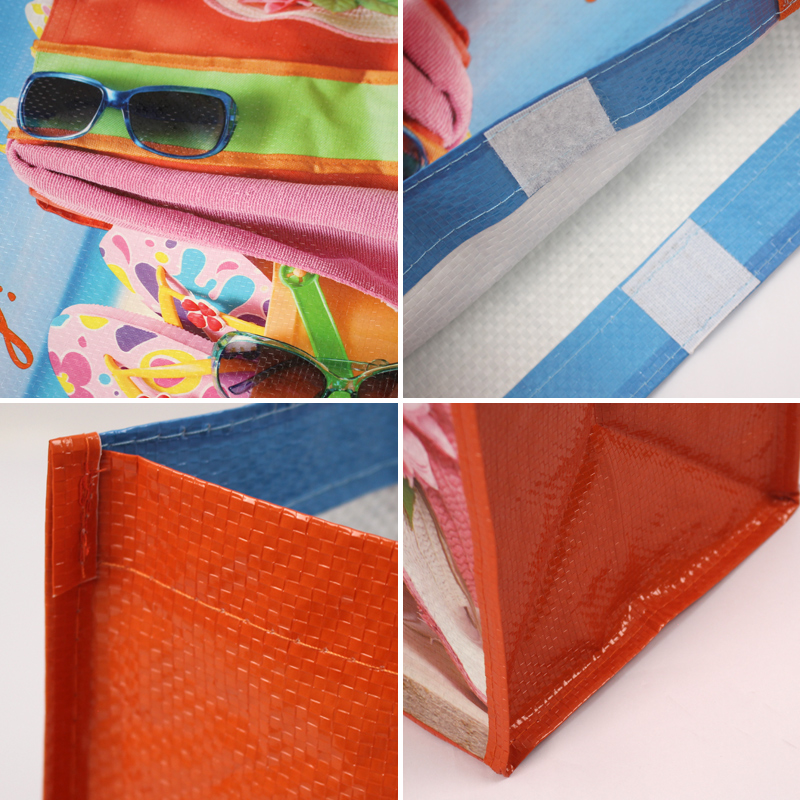
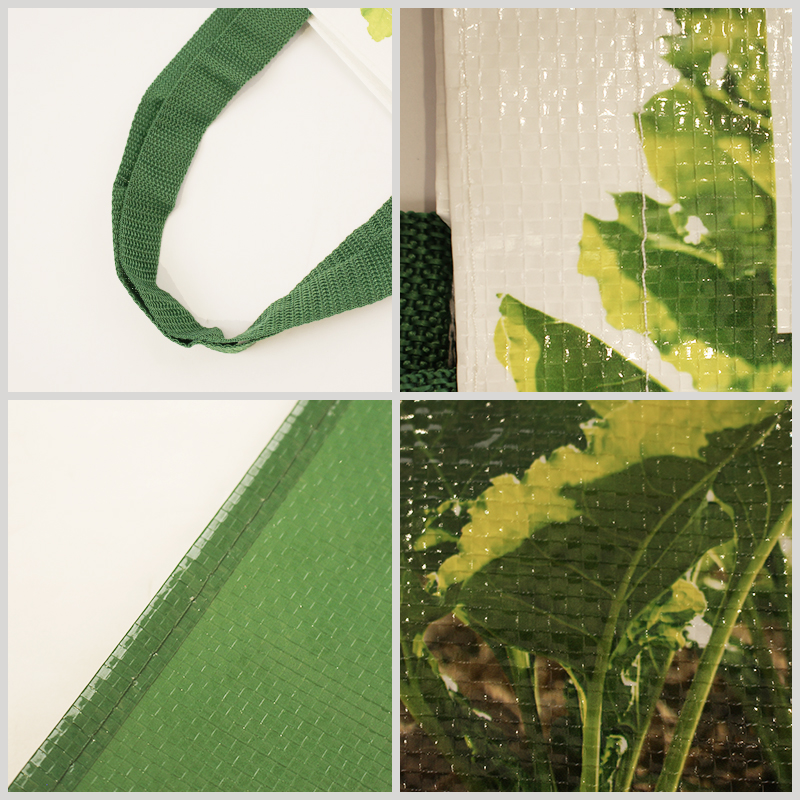
The technological features of printed PP woven bags include multi-layer construction that provides exceptional durability and puncture resistance. The woven polypropylene material offers superior tear strength compared to traditional plastic bags, ensuring your products remain secure during shipping and handling. Printed PP woven bags feature advanced heat-sealing capabilities that create strong, secure closures, preventing leakage and contamination.
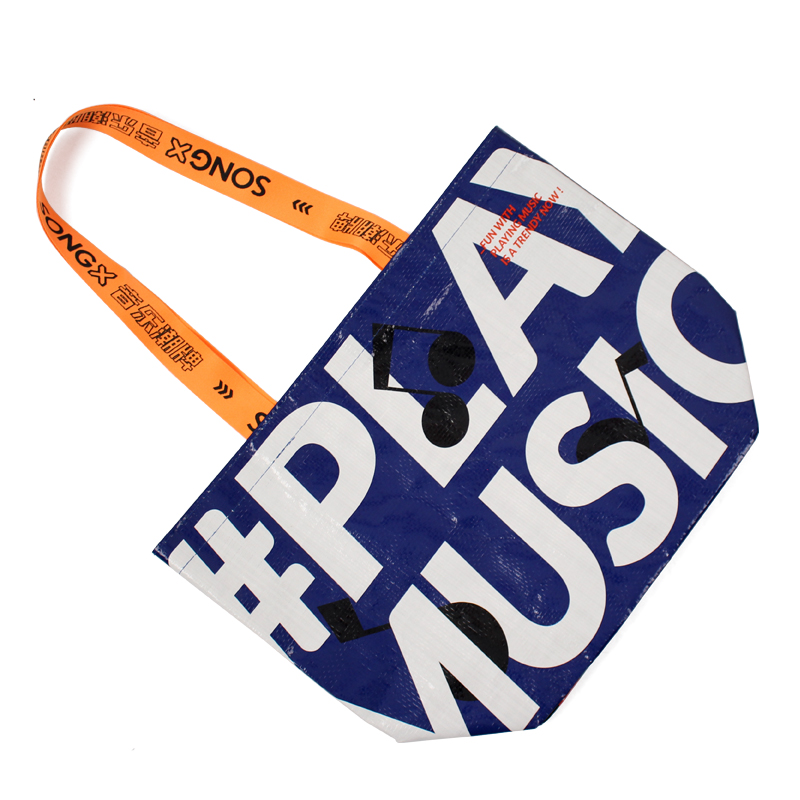
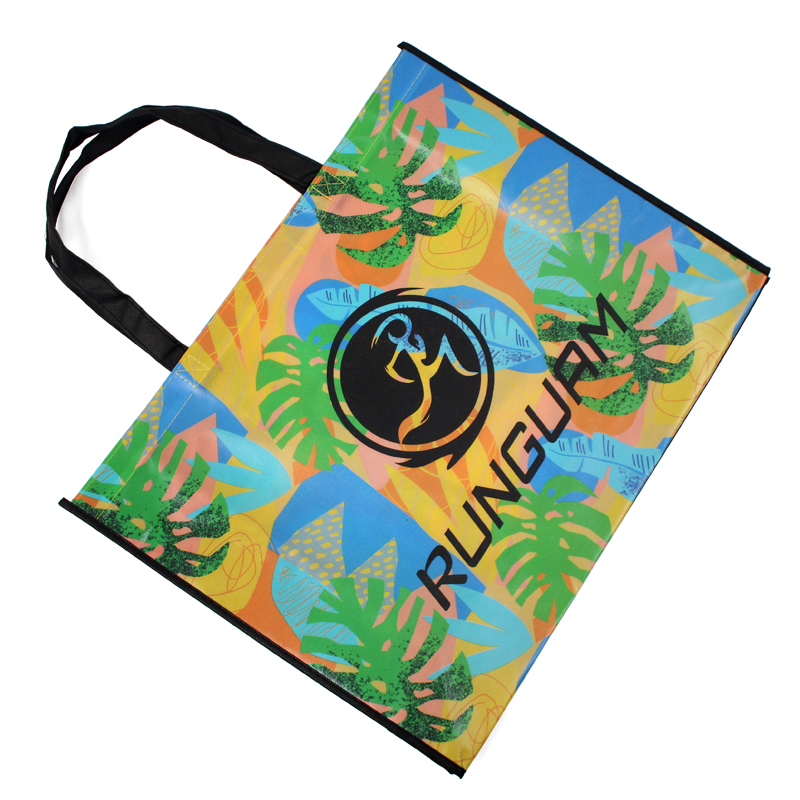
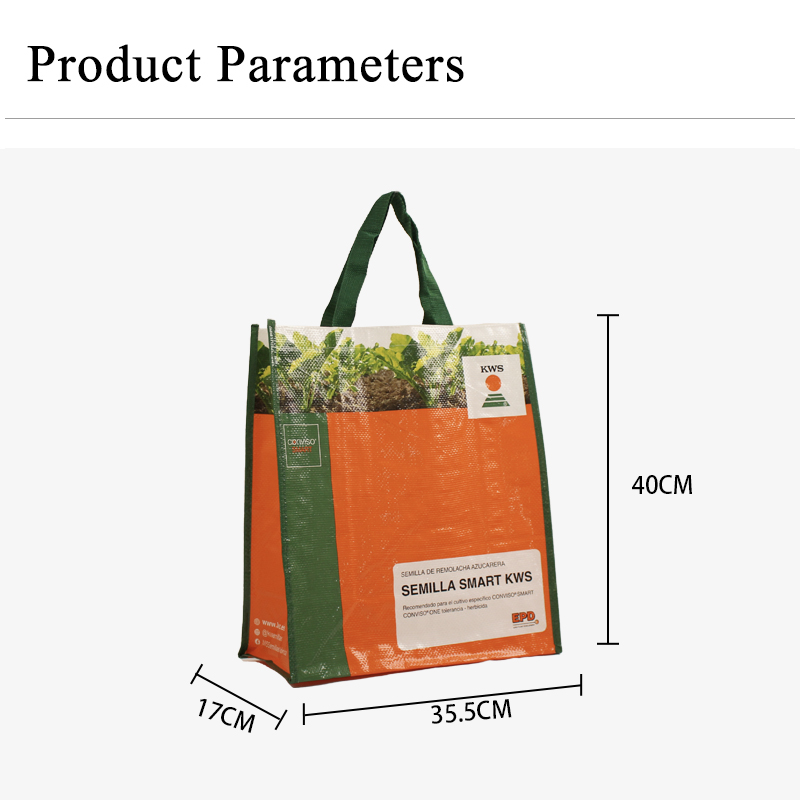
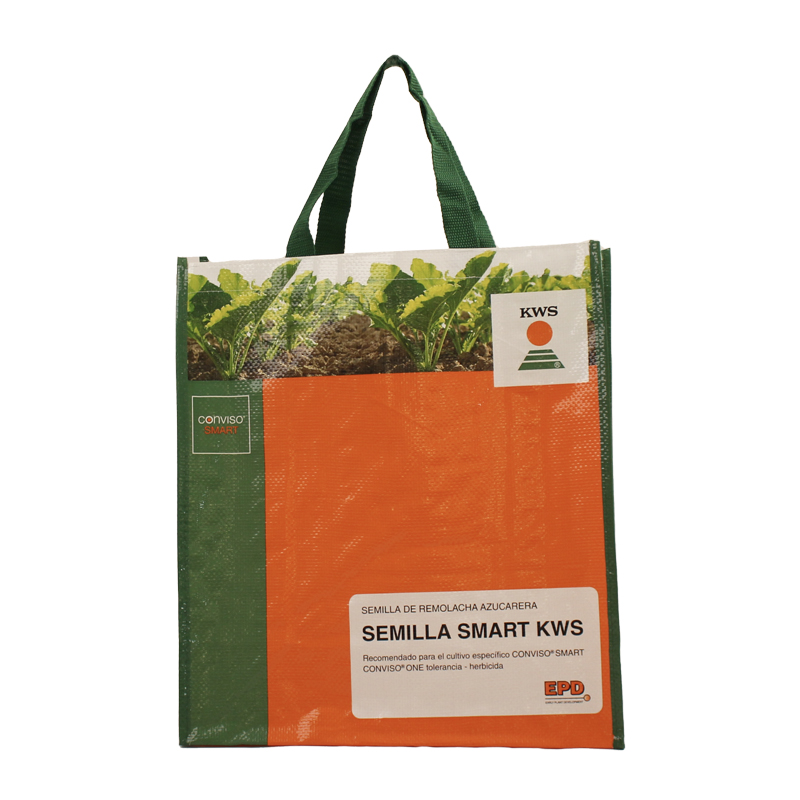
These bags serve numerous applications across agriculture, construction, chemicals, and retail industries. Businesses utilize printed PP woven bags for storing grains, fertilizers, sand, cement, and various other bulk materials. The customizable printing surface allows companies to display logos, product information, and branding elements directly on the bag, enhancing brand visibility and professional appearance.
Printed PP woven bags accommodate different sizes and specifications to meet diverse business requirements. Whether you need small bags for retail products or large containers for industrial bulk storage, printed PP woven bags provide flexible solutions. The moisture-resistant properties protect contents from environmental damage, while the lightweight construction reduces transportation costs significantly.

 EN
EN