
 EN
EN



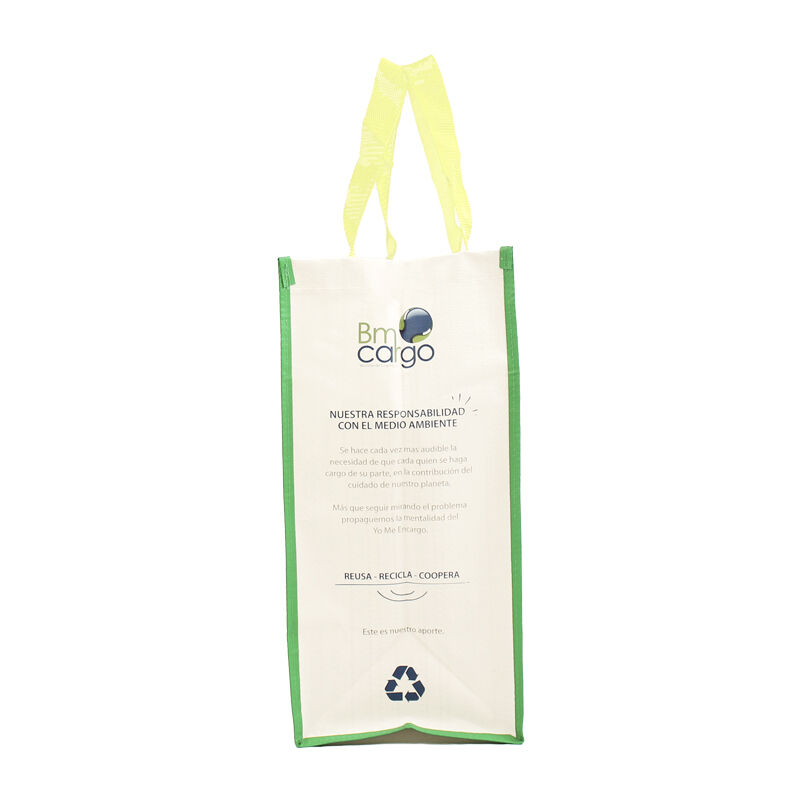
Wybór właściwego torebka kanwasowa wymaga starannego rozważenia wielu czynników bezpośrednio wpływających na funkcjonalność, trwałość i dopasowanie do Twojego konkretnego przypadku użycia. Niezależnie od tego, czy potrzebujesz niezawodnego rozwiązania na co dzień, specjalistycznego towarzysza pracy czy wszechstronnego akcesorium podróżniczego, zrozumienie, jak konstrukcja, rozmiar, cechy i elementy projektowe torby z płótna odpowiadają różnym scenariuszom użytkowania, poprowadzi Cię ku podjęciu świadomej decyzji zakupowej, która skutecznie spełni Twoje potrzeby na długie lata.
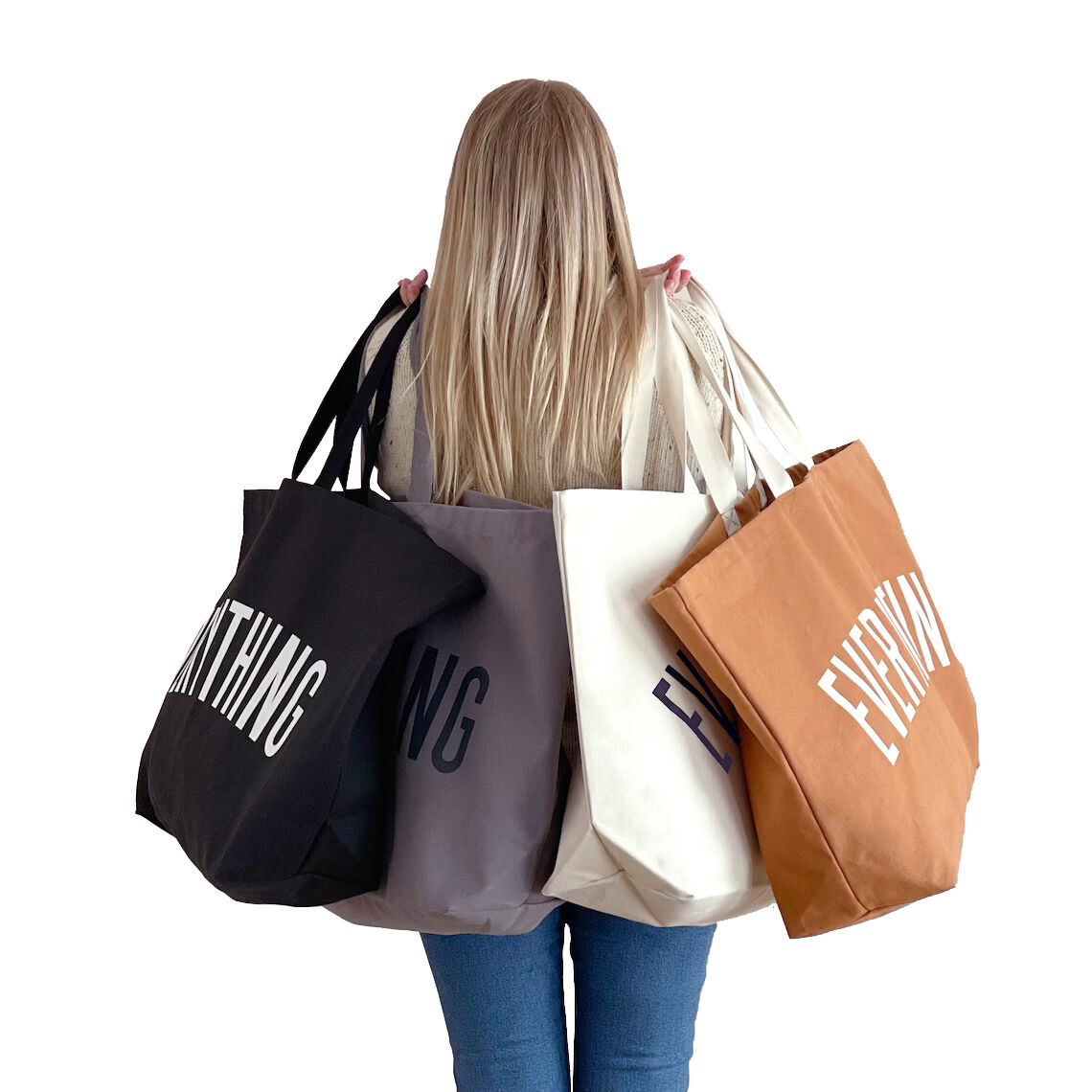
Proces wyboru odpowiedniej torby płóciennой zaczyna się od określenia głównych wymagań dotyczących jej użytkowania i dopasowania ich do jakości wykonania, pojemności, cech zapewniających komfort noszenia oraz możliwości organizacji, jakie oferują różne modele toreb płóciennych. Takie systematyczne podejście pozwala uniknąć typowych błędów zakupowych, takich jak wybór toreb zbyt małych na codzienne potrzeby, zbyt ciężkich po załadowaniu lub pozbawionych kluczowych funkcji wymaganych przez konkretne działania użytkownika. Ocena opcji toreb płóciennych w ramach uporządkowanego schematu, który stawia na pierwszym miejscu rzeczywiste potrzeby użytkownika, gwarantuje zarówno natychmiastową satysfakcję, jak i długotrwałą wartość inwestycji.
Zrozumienie głównego przypadku użycia oraz wymagań związanych z aktywnościami
Określenie wzorców codziennego versus okazjonalnego użytkowania
Częstotliwość i regularność użytkowania torby płóciennnej w sposób podstawowy kształtują cechy, które mają największe znaczenie przy jej wyborze. W przypadku codziennego użytku kluczowe stają się wyjątkowa wytrzymałość materiału oraz elementów metalowych, ponieważ torba płócienna będzie poddana ciągłemu obciążeniu wynikającemu z wielokrotnego załadunku, przenoszenia oraz oddziaływania czynników zewnętrznych. Wzmocnione szwy w miejscach nacisku, wysokiej jakości metalowe elementy wyposażenia odpornościowe na korozję oraz grubszy materiał płótna o gramaturze od 12 do 16 uncji stają się niezbędnymi parametrami technicznymi dla toreb przeznaczonych do codziennego użytku. Użytkownicy okazjonalni mogą kierować się innymi kryteriami, takimi jak możliwość zwinięcia torby, mniejsza waga ułatwiająca przechowywanie lub konkretne cechy estetyczne, a nie maksymalna wytrzymałość.
Określenie, czy potrzebujesz torby płóciennnej do codziennych dojazdów, zakupów, aktywności na otwartym powietrzu, zastosowań zawodowych czy podróży, ma bezpośredni wpływ na optymalny rozmiar, układ kieszeni oraz system przenoszenia. Osoby korzystające z torby płóciennych podczas codziennych dojazdów cenią sobie modele z dedykowanymi przegródkami na laptopa, wieloma kieszeniami organizacyjnymi na urządzenia elektroniczne i dokumenty oraz wygodnymi paskami na ramię zaprojektowanymi do długotrwałego noszenia. Użytkownicy toreb płóciennych przeznaczonych głównie do zakupów powinni stawiać priorytet na pojemność, łatwy dostęp przez otwarcia oraz wzmocnione dna, które skutecznie rozprowadzają ciężar. Zrozumienie tych różnic w zastosowaniu pozwala uniknąć wyboru torby płóciennnej zoptymalizowanej pod jeden konkretny scenariusz, gdy rzeczywiste potrzeby leżą w zupełnie innej dziedzinie.
Ocena nośności i potrzeb związanych z rozprowadzeniem ciężaru
Przedmioty, które regularnie nosisz, określają minimalną pojemność oraz wymagania konstrukcyjne, jakie musi spełniać twój worek płócienny. Sporządzenie spisu typowych zawartości — takich jak laptopy, książki, dokumenty, butelki z wodą, przedmioty osobiste oraz wszelkie specjalistyczne wyposażenie — pomaga ustalić podstawowe wymagania dotyczące objętości, mierzonej w litrach lub calach sześciennych. Standardowy torebka kanwasowa worek zaprojektowany do codziennych niezbędnych rzeczy zwykle ma pojemność od piętnastu do dwudziestu pięciu litrów, podczas gdy większe modele o pojemności trzydzieści litrów lub więcej są przeznaczone dla użytkowników o znacznych wymaganiach co do przenoszenia bagażu.
Ponad prosty objętościowy wymiar, charakterystyka rozkładu masy znacząco wpływa na komfort noszenia oraz trwałość torby. Torby płóciennne z szerszymi paskami na ramiona rozprowadzają nacisk na większą powierzchnię, zmniejszając zmęczenie podczas długotrwałego noszenia. Wzmocnienie dna oraz konstrukcja bocznych kieszeni (gusset) zapobiegają osiadaniu torby przy przenoszeniu ciężkich ładunków, utrzymując jej integralność konstrukcyjną i zapobiegając przedwczesnemu zużyciu. Użytkownicy, którzy regularnie przewożą ciężkie przedmioty, powinni celowo wybierać modele torb płóciennych wyposażone w wyściełane dna, wzmocnione narożniki oraz zrównoważone systemy noszenia, które zapobiegają niekomfortowemu odciąganiu torby na jedną stronę po załadowaniu.
Identyfikowanie cech niezbędnych w porównaniu do opcjonalnych
Rozróżnianie cech, których naprawdę potrzebujesz, od tych, które wydają się jedynie atrakcyjne, pomaga skupić poszukiwania torby płóciennych na modelach zapewniających rzeczywistą wartość użytkową. Cechy podstawowe bezpośrednio wspierają główne zastosowanie torby, np. wodoodporne wkładki dla użytkowników mieszkających w klimacie deszczowym, bezpieczne zatrzaski dla osób przenoszących cenne przedmioty lub wewnętrzne kieszenie organizacyjne dla osób zarządzających wieloma małymi przedmiotami. Cechy opcjonalne, takie jak elementy dekoracyjne, logo marki lub modne detale projektowe, mogą zwiększać atrakcyjność wizualną, ale mają minimalny wpływ na funkcjonalność.
Proces priorytetyzacji cech torby płóciennych powinien uwzględniać konkretne warunki i aktywności charakterystyczne dla Twojego środowiska. Pracownicy miejscy korzystający z komunikacji publicznej mogą uznać zewnętrzne kieszenie bezpieczeństwa za niezbędne do szybkiego dostępu do kart przejazdowych i urządzeń mobilnych, podczas gdy miłośnicy aktywności na otwartym powietrzu mogą stawiać na trwałe, odporność na wodę oraz wzmocnione uchwyty. Sporządzenie pisemnej listy, która oddziela cechy obowiązkowe od tych pożądanych, ale niekoniecznych, ułatwia określenie własnych wymagań i zapobiega rozrostowi funkcjonalności, który mógłby niepotrzebnie zwiększyć budżet lub skłonić do wyboru toreb płóciennych o nadmiernie skomplikowanej konstrukcji nieodpowiedniej do prostych potrzeb.
Ocenianie jakości materiału płóciennego i standardów wykonania
Porównywanie masy płótna i gęstości przędzenia
Waga materiału płótnianego, mierzona w uncjach na jard kwadratowy, jest bezpośrednio powiązana z wytrzymałością, sztywnością konstrukcyjną oraz ogólną żywotnością torby płótnianej. Lekkie płótno o wadze od 8 do 10 uncji zapewnia korzyści pod względem przenośności i nadaje się do okazjonalnego użytku lub zastosowań skupionych na stylu, jednak brakuje mu odporności na zużycie i sztywności konstrukcyjnej wymaganych przy intensywnym użytkowaniu codziennym. Płótno średniej wagi, o wadze od 10 do 14 uncji, zapewnia zrównoważoną wydajność, odpowiednią do regularnego użytku, oferując rozsądną wytrzymałość bez nadmiernego objętościowego lub wagowego obciążenia pustej torby płótnianej.
Wydurable płótno o wadze od 14 do 18 uncji zapewnia maksymalną trwałość i odporność na rozdarcia, dzięki czemu konstrukcje toreb z płótna są idealne dla użytkowników, którzy regularnie przenoszą ciężkie ładunki, pracują w trudnych warunkach lub wymagają wieloletniej bezobsługowej eksploatacji bez konieczności wymiany. Gęstość tkanych nitek, mierzona w liczbie nitek na cal, ma podobny wpływ na jakość toreb z płótna: gęstsze tkaniny zapewniają gładkie powierzchnie, mniej podatne na zaczepianie się, oraz lepszą początkową odporność na działanie wody. Analiza specyfikacji toreb z płótna pod kątem zarówno wagi materiału, jak i gęstości tkanych nitek dostarcza obiektywnych miar jakości materiału, które wykraczają poza opisy marketingowe.
Inspekcja jakości szwów oraz wzmocnienia punktów nacisku
Trwałość każdej torby płóciennnej zależy w dużej mierze od jakości szwu oraz zastosowanych strategii wzmocnienia w miejscach połączeń narażonych na wysokie obciążenia. Podwójny lub potrójny szew w miejscach mocowania uchwytów, wzdłuż szwów dna oraz tam, gdzie paski są przyłączone do głównej części torby, świadczy o szczególnej uwadze producenta skupionej na trwałości. Wzory szwu typu „pudełko i krzyż” w miejscach przyłączenia pasków rozprowadzają naprężenie na większe powierzchnie, zapobiegając skoncentrowanej sile, która powoduje przedwczesne uszkodzenie toreb płóciennych wykonanych z zastosowaniem prostszych technik szycia.
Wzmocnienia typu bar-tack w miejscach nacisku stanowią kolejny wskaźnik jakości, który warto sprawdzić przy ocenie konstrukcji torby z płótna. Te gęste szwy zygzakowe tworzą wyjątkowo wytrzymałe połączenia, odporność na rozciąganie nawet pod dużym obciążeniem. Modele toreb z płótna wyposażone w nitki lub metalowe płytki wzmacniające w miejscach wysokiego obciążenia zapewniają dodatkową bezpieczność użytkownikom o wysokich wymaganiach co do nośności. Fizyczne sprawdzenie tych szczegółów konstrukcyjnych przed zakupem lub staranne przeanalizowanie szczegółowych zdjęć produktu przy zakupie online pomaga ocenić, czy dana torba z płótna spełnia standardy wytrzymałości wymagane przez sposób jej użytkowania.
Zrozumienie opcji obróbki i wykończenia
Torby z płótna są dostarczane z różnymi opcjami obróbki, które znacząco wpływają na ich właściwości użytkowe, w tym odporność na wodę, odporność na plamy oraz wymagania dotyczące konserwacji. Nieobrobione naturalne płótno oferuje zalety środowiskowe i z czasem tworzy atrakcyjną patynę, ale wymaga ostrożniejszego obchodzenia się z wilgocią i plamami. Obróbka płótna woskiem zapewnia doskonałą odporność na wodę, zachowując przy tym naturalny wygląd materiału; jednak te odmiany toreb z płótna wymagają okresowego ponownego nawoskowania w celu utrzymania właściwości ochronnych i charakteryzują się zwykle wyższymi początkowymi kosztami.
Syntetyczne powłoki i środki wodoodporne zapewniają różny stopień ochrony przed wilgocią przy minimalnych wymaganiach dotyczących konserwacji, co czyni te torby z płótna praktycznym wyborem dla użytkowników ceniących wygodę. Zrozumienie, że środki te wpływają nie tylko na właściwości użytkowe, ale także na wygląd oraz proces starzenia się torby z płótna, pozwala dobrać model zgodnie z preferencjami estetycznymi oraz wymaganiami funkcjonalnymi. Użytkownicy w wilgotnym lub deszczowym klimacie powinni stawiać na torby z płótna z wytrzymałymi środkami wodoodpornymi, podczas gdy osoby przebywające w suchych regionach mogą woleć modele nietraktowane lub lekko przetworzone, które podkreśla naturalne cechy materiału.
Dobór rozmiaru i konfiguracji zgodnie z wymaganiami praktycznymi
Określenie optymalnych wymiarów dla zawartości
Dokładne wymiary zapewniają, że torba płócienna pomieści codzienne potrzeby bez nadmiernego objętościowego obciążenia, które utrudnia jej przenoszenie. Zmierzenie największych przedmiotów, których regularnie używasz – w szczególności laptopów, tabletów lub dokumentów – pozwala określić minimalne wymagania dotyczące wymiarów wnętrza. Torba płócienna musi zapewniać dodatkową przestrzeń ponad minimalnymi wymiarami, aby ułatwić wkładanie i wyjmowanie przedmiotów; zazwyczaj dodanie dwóch cali do długości i szerokości największego przedmiotu gwarantuje komfortowe dopasowanie bez konieczności wciskania rzeczy w ciasne przestrzenie, co przyspiesza zużycie materiału.
Głębokość lub szerokość fałdu znacząco wpływa na pojemność torby płóciennnej i decyduje o tym, czy torba zachowa smukłą sylwetkę, czy rozszerzy się, aby pomieścić bardziej gabarytowe ładunki. Użytkownicy przenoszący głównie płaskie przedmioty, takie jak dokumenty czy laptopy, korzystają z toreb płóciennych o umiarkowanej głębokości – od trzech do pięciu cali – co zapewnia wygląd przystający do środowisk zawodowych. Osoby przewożące różnorodne przedmioty, w tym buty, odzież sportową lub zakupy, potrzebują większej głębokości – zwykle osiem cali lub więcej – aby uniknąć nadmiernego napełniania, które obciąża szwy i zamki błyskawiczne. Przetestowanie rozmiaru torby płóciennnej w stosunku do typowego ładunku przed zakupem – poprzez odwiedzenie sklepów stacjonarnych lub staranne zapoznanie się ze specyfikacjami wymiarowymi w internecie – pozwala uniknąć powszechnej frustracji wynikającej z sytuacji, w której nowa torba ledwo pomieści codzienne potrzeby.
Ocenianie systemów organizacji wnętrza
Konfiguracja kieszeni wewnętrznych oraz funkcje organizacyjne torby płóciennой znacząco wpływają na jej użyteczność i wygodę w dostępie do przechowywanych przedmiotów. Proste, otwarte worki płóciennowe zapewniają maksymalną elastyczność objętościową, ale wymagają od użytkownika przeszukiwania całej zawartości w celu odnalezienia konkretnego przedmiotu, co powoduje frustrację i marnowanie czasu podczas zatłoczonych podróży służbowych lub zakupów. Torby płóciennowe wyposażone w dedykowane kieszenie wewnętrzne na laptopy, tablety, butelki z wodą oraz drobne akcesoria umożliwiają szybkie odnalezienie poszczególnych przedmiotów oraz zapobiegają ich uszkodzeniu w wyniku uderzeń o inne przedmioty podczas transportu.
Wypełnione przegródki chronią elektronikę i przedmioty łatwe do uszkodzenia w torbach z płótna, co jest szczególnie ważne dla użytkowników przenoszących wiele urządzeń lub drogocenne wyposażenie. Bezpieczne kieszenie na zamek błyskawiczny chronią portfele, klucze oraz poufne dokumenty w głównej części torby, zapewniając spokój w zatłoczonych miejscach. Kieszenie zewnętrzne umożliwiają szybki dostęp do często używanych przedmiotów, takich jak telefony komórkowe, karty transportowe lub okulary przeciwsłoneczne, bez konieczności całkowitego otwierania torby. Dostosowanie stopnia organizacji torby z płótna do rzeczywistych wzorców jej użytkowania pozwala uniknąć zarówno frustracji wynikającej z niewystarczającej organizacji, jak i marnotrawstwa środków na skomplikowane systemy kieszeni, których w ogóle się nie wykorzystuje.
Rozważanie systemów zamykania i wzorców dostępu
Mechanizm zamykania Twojej torby płóciennnej wpływa zarówno na bezpieczeństwo, jak i wygodę w codziennym użytkowaniu. Torby płóciennne bez zatrzasku zapewniają maksymalną wygodę przy szybkim dostępie do zawartości, ale nie chronią przed wypadaniem przedmiotów w przypadku przechylenia się torby ani nie zapewniają ochrony przed okazjonalnym kradzieżami w miejscach publicznych. Zamek błyskawiczny zapewnia kompleksową ochronę i odporność na warunki pogodowe, jednak jego obsługa wymaga użycia obu rąk i może utknąć w nadmiernie przepełnionej torbie lub zużyć się w wyniku częstego otwierania i zamykania.
Magnetyczne zatrzaski na torbach płóciennych zapewniają równowagę między bezpieczeństwem a wygodą, umożliwiając otwieranie jednym ruchem dłoni i zapobiegając przypadkowemu otwarciu podczas transportu. Zapięcia typu sznurek z zatrzaskiem zapewniają regulowaną ochronę, dostosowującą się do zmiennej objętości ładunku – szczególnie przydatne w projektach toreb płóciennych przeznaczonych do wielu zastosowań. Użytkownicy, którzy często mają dostęp do zawartości torby w ciągu dnia, korzystają z zapięć działających szybko i płynnie, podczas gdy osoby rzadziej korzystające z torby mogą preferować maksymalne bezpieczeństwo zapewniane przez solidne systemy zamków błyskawicznych. Ocena, w jakim stopniu systemy zapięć odpowiadają typowej częstotliwości użytkowania oraz wymogom bezpieczeństwa, pomaga w wyborze modeli toreb płóciennych wspierających, a nie utrudniających codzienne rutyny.
Wybór odpowiednich systemów przenoszenia zapewniających komfort
Analiza konstrukcji pasków i zakresu ich regulacji
Komfort noszenia zależy fundamentalnie od szerokości, wyściełania oraz możliwości regulacji pasków, które skutecznie rozprowadzają obciążenie po całym ciele. Torby z płótna z wąskimi paskami koncentrują ciśnienie na małych obszarach, powodując dyskomfort i zmęczenie podczas dłuższego noszenia, szczególnie przy przenoszeniu ciężkich ładunków. Szerokie paski o minimalnej szerokości dwóch cali rozprowadzają wagę bardziej równomiernie, zmniejszając punkty nacisku i umożliwiając komfortowe przenoszenie nawet wtedy, gdy torba z płótna zbliża się do swojej maksymalnej pojemności.
Grubość wkładki i skład materiału znacząco wpływają na komfort pasków: gęsta pianka lub wkładka żelowa zapewniają doskonałe amortyzowanie w porównaniu z cienką wyściółką tkaninową, która szybko ulega uciskowi pod obciążeniem. Regulowana długość paska pozwala dopasować torbę do różnych rozmiarów ciała oraz dostosować ją do różnych pozycji noszenia – od noszenia na wysokim ramieniu po konfiguracje przez ciało. Modele toreb płóciennych z łatwo regulowanymi paskami wyposażonymi w wysokiej jakości elementy ślizgowe umożliwiają szybką zmianę długości, aby dopasować się do zmian w garderobie sezonowej lub do różnych preferencji noszenia w ciągu dnia. Użytkownicy, którzy planują dzielić się torebką płócienną z członkami rodziny lub zmieniać sposób noszenia w zależności od obciążenia, powinni wybrać modele z szerokim zakresem regulacji oraz bezpiecznymi mechanizmami blokującymi zapobiegającymi poślizgowi się pasków.
Zrozumienie różnic między noszeniem za uchwyty a noszeniem za paski
Architektura systemu nośnego Twojej torby płócienniej powinna odpowiadać typowym scenariuszom i odległościom transportu. Krótkie uchwyty umożliwiają przenoszenie w ręku lub zawieszanie na przedramieniu, co jest odpowiednie przy krótkich trasach transportu, np. z samochodu do biura lub w środowisku sklepowym. Takie konfiguracje toreb płóciennych sprawdzają się dobrze w przypadku częstych postołów, podczas których torba musi być kładziona na powierzchniach – uchwyty ułatwiają szybkie podniesienie i postawienie torebki. Jednak tory płócienną przenoszoną w ręku szybko staje się niewygodna podczas dłuższego transportu, ograniczając jej przydatność przy dojazdach do pracy lub długotrwałych zakupach.
Pasy na ramiona umożliwiają przenoszenie bez użycia rąk, co jest niezbędne dla użytkowników, którzy zarazem obsługują wiele przedmiotów lub poruszają się środkami komunikacji publicznej wymagającymi chwytania się poręczy. Torby z płótna wyposażone zarówno w uchwyty, jak i pasy na ramiona oferują wszechstronność w przenoszeniu, dostosowującą się do zmieniających się warunków w ciągu dnia; jednak podwójny system przenoszenia powoduje nieznaczny wzrost masy i ceny. Zdejmowane lub przekształcalne systemy pasów zapewniają maksymalną elastyczność, pozwalając tej samej torbie z płótna pełnić funkcję profesjonalnego worka z uchwytami podczas spotkań oraz przekształcać się w torbę na ramię na potrzeby dojazdów. Dobór odpowiedniego systemu przenoszenia zgodnie z głównym przeznaczeniem torby, przy jednoczesnym uwzględnieniu okazjonalnych, alternatywnych potrzeb, zapewnia, że torba z płótna pozostaje praktyczna we wszystkich sytuacjach, z jakimi się stykasz.
Ocena cech ergonomicznych do użytku długotrwałego
Użytkownicy, którzy noszą torbę płócienną przez dłuższy czas, powinni stawiać na ergonomiczne rozwiązania projektowe minimalizujące obciążenie fizyczne i zmęczenie. Ergonomicznie ukształtowane paski, dopasowane do krzywizny ramion, zmniejszają ich zsuwanie się i bardziej naturalnie rozprowadzają ciśnienie po całym ciele w porównaniu do płaskich pasków, które podczas ruchu mają tendencję do skręcania się lub przewracania. Torby płóciennie wyposażone w pasek klatkowy lub systemy stabilizacyjne zapobiegają ich huśtaniu się podczas chodzenia lub jazdy na rowerze, co zmniejsza zużycie energii i poprawia stabilność przenoszonego ładunku.
Projekt tylniej części ma istotne znaczenie w przypadku torb płóciennych noszonych przy ciele; przewiewne panele siatkowe lub konstrukcja kanałowa zmniejszają nagromadzanie się ciepła i wilgoci w warunkach ciepłej pogody lub podczas aktywności fizycznej. Wypełnione materiałowo tylne panele zwiększają komfort, ale dodają masy i objętości torbie płócienniej nawet wtedy, gdy jest pusta, co wymaga od użytkownika oceny kompromisu między komfortem a wagą oraz rozmiarem – decyzja ta zależy od typowego czasu noszenia torby oraz wrażliwości użytkownika na szczegóły komfortu. Sprawdzenie, jak wrażenia z obciążonej torby płóciennnej podczas rzeczywistego ruchu (a nie tylko podczas krótkiego trzymania w miejscu), ujawnia cechy ergonomiczne, które znacząco wpływają na długotrwałą satysfakcję użytkownika, lecz pozostają niewidoczne podczas krótkich, sklepowych prób.
Dopasowanie preferencji estetycznych do priorytetów funkcjonalnych
Identyfikacja środowisk, w których będzie używana Twoja torba płócienna
Wizualna odpowiedniość Twojej torby płóciennnej w różnych środowiskach wpływa zarówno na poczucie pewności siebie podczas jej noszenia, jak i na to, jak inni postrzegają Twoją profesjonalność lub styl. Osoby, które zabierają swoją torbę płócienną do biur korporacyjnych, spotkań z klientami lub formalnych środowisk zawodowych, powinny wybrać wzory o czystych liniach, neutralnych kolorach oraz minimalnych elementach dekoracyjnych, które są zgodne z obowiązującymi w środowisku biznesowym zasadami dress code i oczekiwaniami. Zbyt swobodne lub intensywnie zdobione torby płóciennne mogą podważyć wrażenie profesjonalizmu, nawet jeśli spełniają wszystkie wymagania funkcjonalne.
Z drugiej strony użytkownicy, którzy przede wszystkim noszą torby płócienną w nieformalnych sytuacjach – na terenach kampusów, w twórczych miejscach pracy lub podczas aktywności rekreacyjnych – cieszą się większą swobodą estetyczną i mogą stawiać priorytet na swoje osobiste preferencje stylowe, nie przejmując się wymogami profesjonalnego wyglądu. Projekty toreb płóciennych z intensywnymi kolorami, artystycznymi nadrukami lub charakterystyczną metalową okładziną stanowią silniejsze oświadczenia mody, ale mogą ograniczać ich uniwersalność w różnorodnych środowiskach. Ocena miejsc, w których najczęściej będziesz nosić swoją torbę płócienną, pomaga określić, czy przy wyborze projektu kierować się powinna uniwersalnością estetyczną czy raczej wyrazem indywidualności – zapewniając, że torba będzie dobrze pasować do danego kontekstu, a nie będzie rzucać się w oczy ani wydawać się niewłaściwie dopasowana do otoczenia.
Uwzględnienie strategii doboru kolorów i wzorów
Wybór koloru torebek z płótna wiąże się z praktycznymi aspektami konserwacji oraz preferencjami estetycznymi. Jaśniejsze odcienie płótna, takie jak naturalny beż, kremowy lub biały, podkreślają organiczny charakter materiału i z czasem tworzą atrakcyjną patynę, ale łatwiej na nich widać brud, plamy oraz ślady zużycia niż na ciemniejszych wersjach. Użytkownicy w środowisku miejskim, często narażeni na brud z metra, kurz z chodników lub niekorzystne warunki pogodowe, mogą stwierdzić, że jasne torebki z płótna wymagają częstego czyszczenia, aby zachować elegancką prezentację.
Ciemniejsze kolory torb z płótna, w tym granatowy, antracytowy, czarny lub głębokie odcienie ziemi, skrywają drobne zabrudzenia i utrzymują czysty wygląd przy rzadszej konieczności konserwacji, co czyni je praktycznym wyborem na codzienne użytkowanie w trudnych warunkach. Wzorzyste tkaniny płóciennepasujące, kratkowane lub z subtelnych nadruków stanowią kompromisowe rozwiązania, które dodają wrażenia wizualnego zainteresowania, jednocześnie maskując nieuniknione ślady regularnego użytkowania. Dobór koloru torby z płótna powinien uwzględniać zarówno osobiste preferencje estetyczne, jak i realistyczną ocenę zaangażowania w konserwację oraz typowych warunków, w których torba będzie noszona, zapewniając, że wybór pozostanie satysfakcjonujący pod względem wizualnym przez cały okres jej użytkowania.
Zrozumienie, jak szczegóły projektowe sygnalizują jakość
Subtelne elementy projektowe i detale wykończenia często odróżniają dobrze wykonane torby płócienną od tańszych alternatyw, które mogą wydawać się podobne przy pobieżnym spojrzeniu. Wysokiej jakości metalowe elementy wyposażenia, w tym części z mosiądzu lub stali nierdzewnej, odporność na korozję oraz zapewniają gładką pracę przez tysiące cykli użytkowania, podczas gdy tanie, powlekane elementy szybko zużywają się i mogą ulec awarii mechanicznej. Skórzane wykończenia i wzmocnienia na torbach płóciennych świadczą o premiumowej konstrukcji, gdy sama skóra charakteryzuje się jednolitym kolorem, odpowiednią grubością oraz bezpiecznymi metodami mocowania.
Szczegóły konstrukcyjne, takie jak czyste wykończenie szwów, jednolita napiętość ściegów oraz precyzyjne dopasowanie elementów projektu, odzwierciedlają staranność produkcji, która zwykle obejmuje również integralność strukturalną i trwałość. Torby płóciennepo zaniedbanej obróbce, nieregularnych ściegach lub nieprawidłowo ułożonych elementach wskazują na skróty produkcyjne, które często korelują z ograniczoną żywotnością i gorszą wydajnością. Rozwijanie świadomości tych wskaźników jakości pozwala lepiej oceniać oferowane na rynku torby płóciennepo, rozróżniając rzeczywiście wysokiej klasy produkty od tych, które opierają się głównie na atrakcyjnym wyglądzie, by zatuszować słabości konstrukcyjne.
Często zadawane pytania
Jaki rozmiar torby płóciennepo jest najbardziej odpowiedni do codziennego użytku?
Do codziennego użytku torba płócienna o wymiarach około 15–18 cali szerokości, 12–15 cali wysokości oraz 4–6 cali głębokości zapewnia wystarczającą pojemność na typowe przedmioty używane codziennie, takie jak laptop, dokumenty, artykuły osobiste i butelka wody, bez nadmiernej objętości. Zakres tych wymiarów pomieści standardowy laptop 15-calowy, zachowując przy tym kompaktowy kształt odpowiedni do korzystania z komunikacji miejskiej i pracy w biurze. Użytkownicy o mniejszych potrzebach przenoszenia mogą woleć nieco mniejsze wymiary, ok. 14 × 12 cali, podczas gdy osoby regularnie przewożące dodatkowe przedmioty, np. ubrania treningowe lub zakupy, skorzystają z modeli o większej pojemności, o szerokości sięgającej nawet 20 cali. Optymalny rozmiar codziennej torby płóciennnej zależy w końcu od konkretnych przedmiotów, które planujesz w niej nosić; jednak zakres szerokości 15–18 cali skutecznie spełnia potrzeby większości użytkowników w różnorodnych sytuacjach codziennych.
Ile ważkości może bezpiecznie przenosić wysokiej jakości torba płócienna?
Solidnie wykonana torba płócienna z tkaniny o gramaturze 12 uncji (340 g/m²) lub wyższej, z wzmocnionymi szwami i wysokiej jakości metalowymi elementami, może bezpiecznie przenosić od 9 do 13,6 kg przy regularnym użytkowaniu, nie ulegając przedwczesnemu zużyciu ani uszkodzeniom konstrukcyjnym. Jednak komfortowa pojemność nośna zwykle jest niższa niż maksymalna wytrzymałość konstrukcyjna: większość użytkowników uważa, że 6,8–9 kg stanowi praktyczny górny limit dla płóciennych toreb noszonych na ramieniu przez dłuższy czas. Przekroczenie komfortowego limitu ciężaru powoduje dyskomfort pasa, napięcie mięśni kręgosłupa oraz szybsze zmęczenie – nawet wtedy, gdy sama torba pozostaje w pełni sprawna konstrukcyjnie. Osoby, które regularnie muszą przewozić cięższe ładunki, powinny celowo wybierać torby płóciennne przeznaczone do intensywnego użytku, wyposażone w dodatkowe wzmocnienia, szersze, wyściełane paski i ewentualnie dodatkowe systemy przenoszenia, takie jak uchwyty do krótkotrwałego przenoszenia w ręce, co pozwala złagodzić obciążenie ramion.
Czy wybrać płótno impregnowane woskiem, czy nieimpregnowane?
Wybór między woskowaną a niestabilizowaną płótnem zależy przede wszystkim od typowego środowiska użytkowania oraz preferencji dotyczących konserwacji. Woskowane płótno zapewnia znacznie lepszą odporność na wodę, co czyni je idealnym rozwiązaniem dla użytkowników mieszkających w klimacie deszczowym, osób często stawiających torby na potencjalnie mokrych powierzchniach lub tych, którzy chcą zabezpieczyć wnętrze torby przed rozlanymi napojami. Warstwa wosku nadaje także materiałowi z czasem atrakcyjny, vintageowy odcień (patynę) i ogólnie lepiej odpiera plamy niż płótno niestabilizowane. Jednak woskowane płótno wymaga okresowego ponownego woskowania w celu utrzymania właściwości odpornych na wodę, na początku bardziej wyraźnie pokazuje ślady obsługi, a jego cena jest zwykle wyższa niż płótna niestabilizowanego. Niestabilizowane płótno charakteryzuje się miększym dotykiem, mniejszą masą oraz bardziej ekologicznym profilem, co czyni je odpowiednim wyborem dla użytkowników w suchych klimatach, którzy priorytetem mają naturalne materiały i nie potrzebują ochrony przed wodą. Oba rodzaje materiałów zapewniają doskonałą trwałość przy prawidłowej konstrukcji, dlatego decyzję o wyborze materiału należy podejmować z uwzględnieniem warunków środowiskowych oraz gotowości do regularnej konserwacji.
Skąd mam wiedzieć, czy torba płócienna bezpiecznie pomieści mój laptop?
Aby zapewnić odpowiednie dopasowanie laptopa, najpierw zmierz jego wymiary, w tym wszelkie używane obudowy ochronne, a następnie porównaj je z wymiarami wewnętrznego przedziału na laptopa w torbie płóciennnej, a nie z ogólnymi wymiarami całej torby. Poprawny przedział na laptopa powinien zapewniać około 2,5 cm luzu poza długością i szerokością laptopa, co ułatwia jego wkładanie, jednocześnie zapobiegając nadmiernemu przesuwaniu się podczas transportu. Głębokość przedziału powinna być dostosowana do grubości laptopa oraz ewentualnych kabli lub akcesoriów przechowywanych w tym samym przedziale. Wiele torb płóciennych określa kompatybilne rozmiary laptopów, np. 13 cali, 15 cali lub 17 cali; jednak te oznaczenia odnoszą się do przekątnej ekranu i nie uwzględniają różniących się wymiarów obudów laptopów u różnych producentów. Fizyczne sprawdzenie dopasowania laptopa przed zakupem zapewnia najbardziej wiarygodne potwierdzenie, choć dokładne zapoznanie się ze szczegółowymi specyfikacjami wymiarowymi oraz recenzjami klientów wspominającymi konkretne modele laptopów daje uzasadnione poczucie pewności przy zakupach online, gdy nie jest możliwa weryfikacja w sklepie stacjonarnym.
Spis treści
- Zrozumienie głównego przypadku użycia oraz wymagań związanych z aktywnościami
- Ocenianie jakości materiału płóciennego i standardów wykonania
- Dobór rozmiaru i konfiguracji zgodnie z wymaganiami praktycznymi
- Wybór odpowiednich systemów przenoszenia zapewniających komfort
- Dopasowanie preferencji estetycznych do priorytetów funkcjonalnych
- Często zadawane pytania