Market Evolution of Non Woven Bag Solutions
The global sustainable packaging market is undergoing significant transformation, with non woven bag solutions emerging as a leading alternative to traditional plastic packaging. Industry reports indicate a 28% compound annual growth rate in the non woven bag segment, driven by increased environmental regulations and consumer demand for reusable alternatives. This growth reflects broader shifts toward circular economy principles, where the durable non woven bag serves as a practical implementation of sustainability in daily commerce.
Unlike conventional materials, the modern non woven bag represents a convergence of material science, manufacturing innovation, and environmental consciousness. The production methodology behind non woven bag manufacturing—utilizing engineered fiber entanglement rather than traditional weaving—creates materials that balance durability with environmental responsibility. This technological approach has positioned the non woven bag as a versatile solution across retail, promotional, and consumer applications.
Material Science: The Engineering Behind Premium Non Woven Bags
The structural integrity of a high-quality non woven bag begins with advanced polymer science and fiber engineering. Contemporary non woven bag manufacturing utilizes polypropylene fibers that are thermally bonded through precise calibration of temperature, pressure, and mechanical processing. This creates a fabric structure that offers exceptional tear resistance while maintaining flexibility—characteristics essential for a functional non woven bag.
Recent advancements in non woven bag material technology include the integration of recycled content without compromising performance. Leading manufacturers now produce non woven bag materials containing up to 40% post-consumer recycled polypropylene, reducing virgin plastic consumption while maintaining the durability that defines premium non woven bag products. This innovation demonstrates how the non woven bag industry is responding to environmental concerns while advancing material performance.
Manufacturing Technology: Precision Production of Non Woven Bags
Modern non woven bag production represents a sophisticated integration of automation and quality control systems. Computer-controlled cutting equipment ensures precise dimensional accuracy for every non woven bag, optimizing material utilization and reducing waste. Advanced ultrasonic welding technology creates seamless bonds in non woven bag construction, eliminating the need for traditional stitching while enhancing structural integrity.
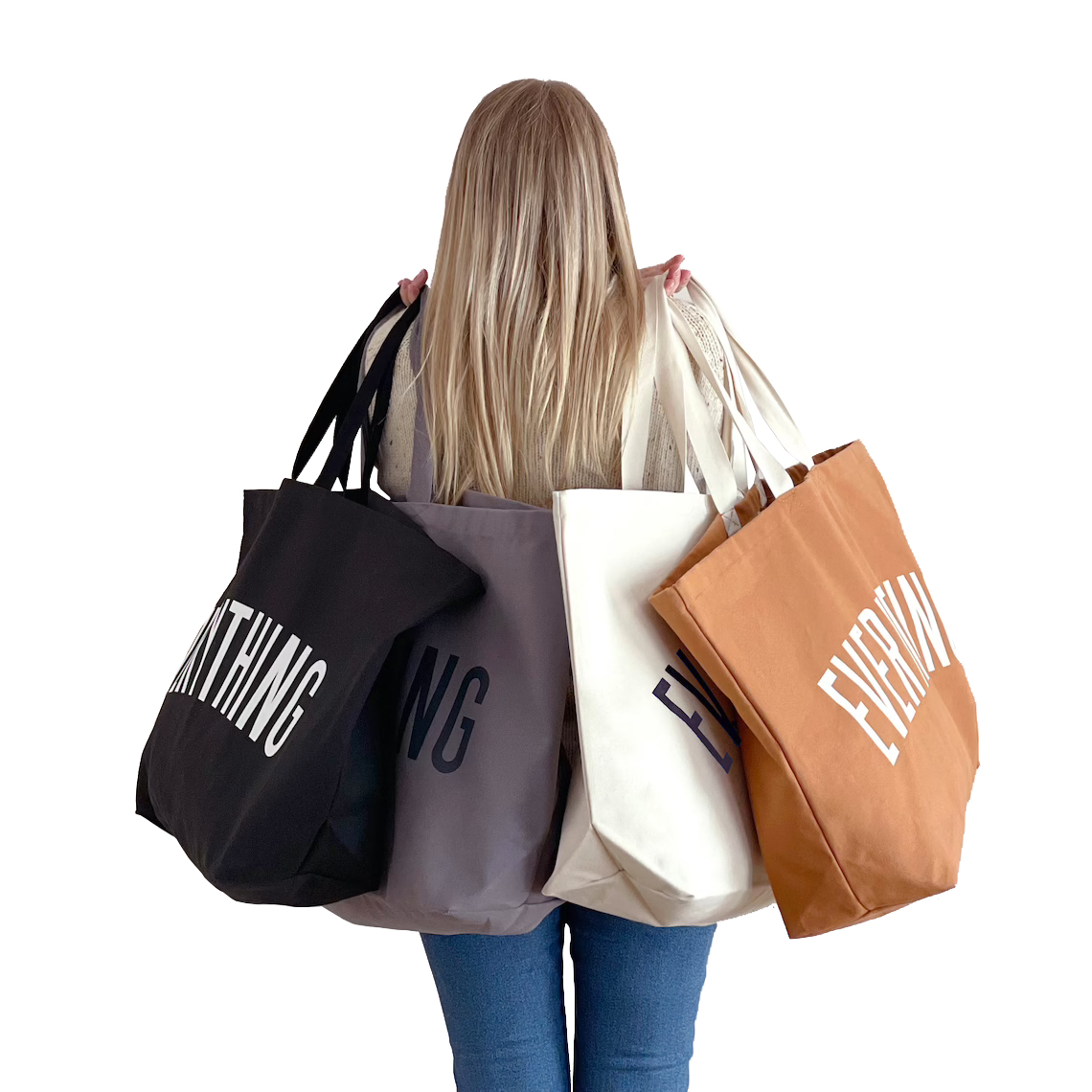
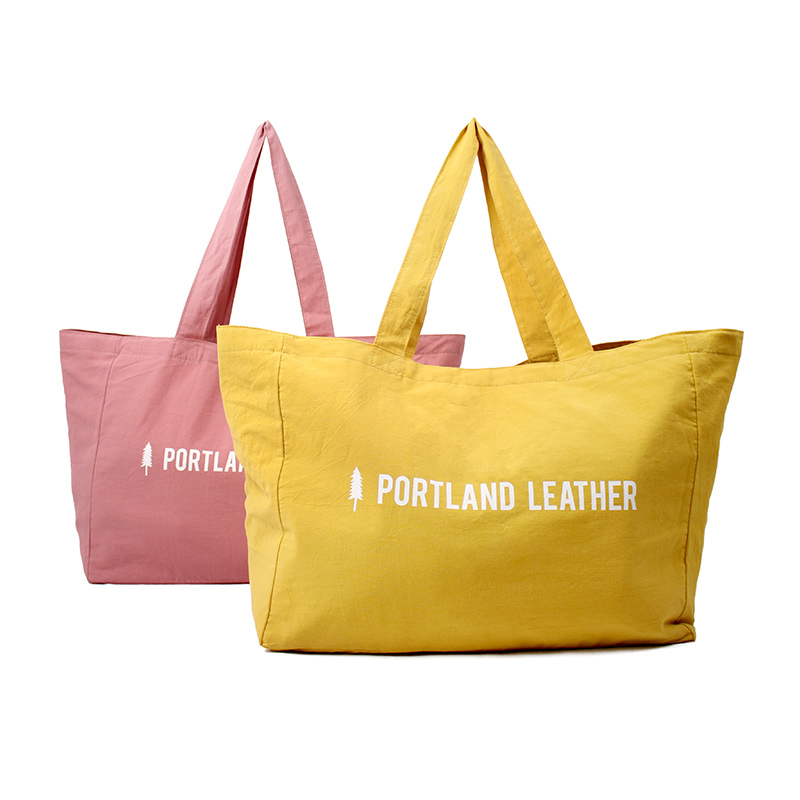
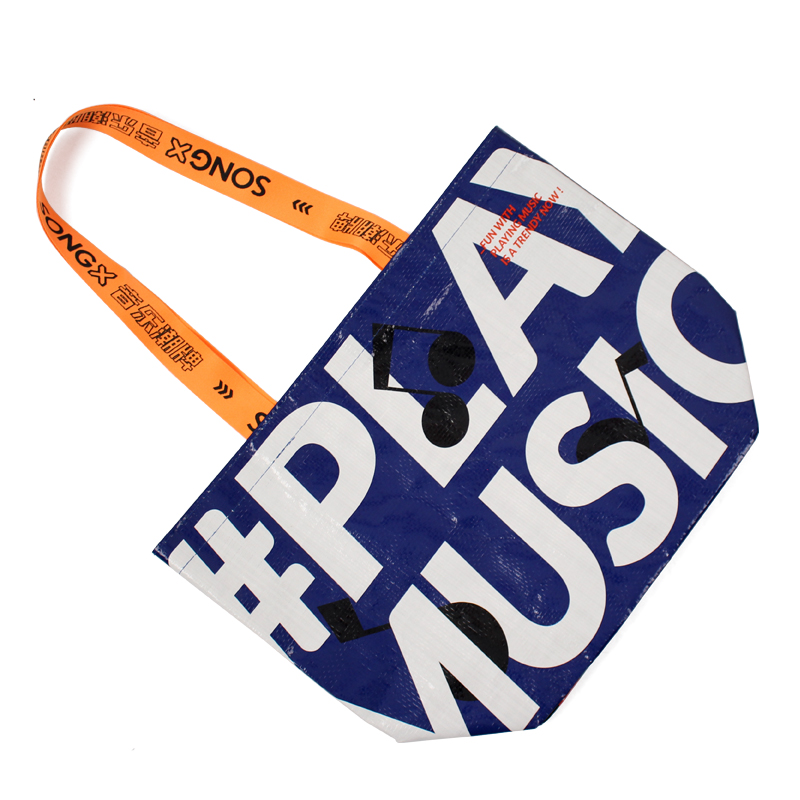
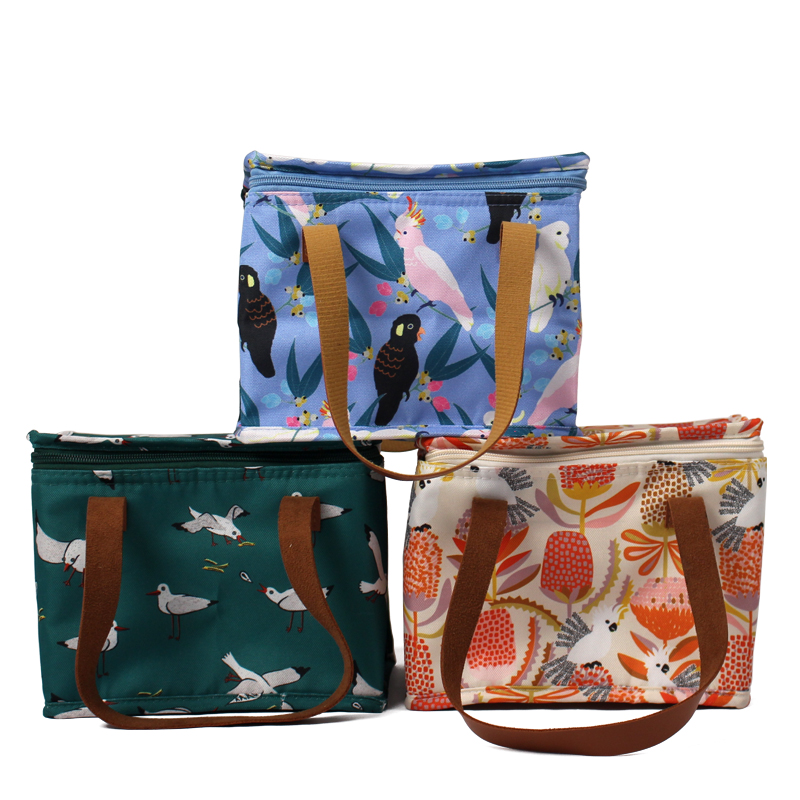
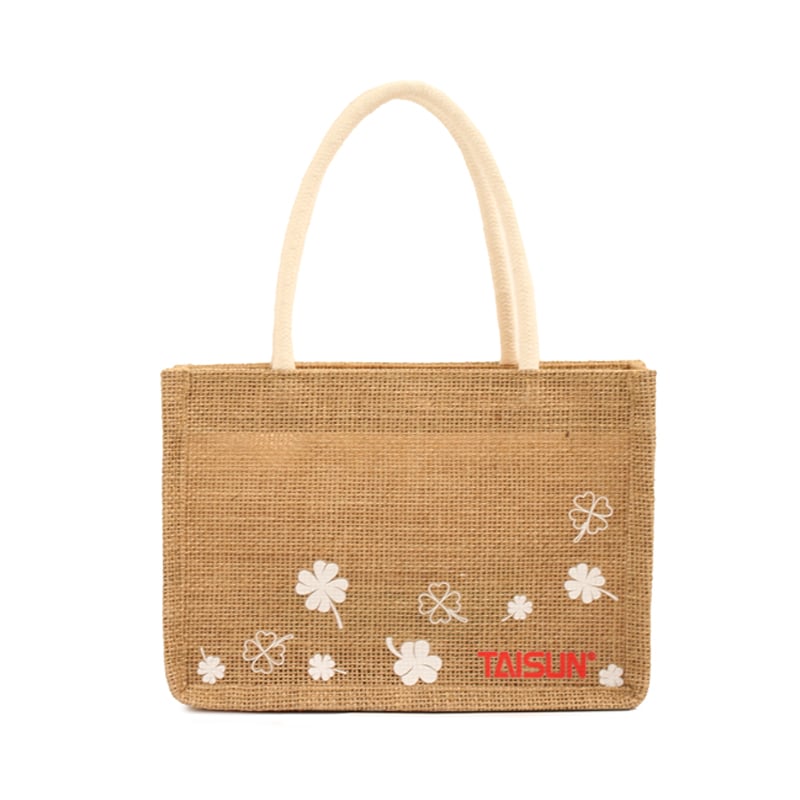
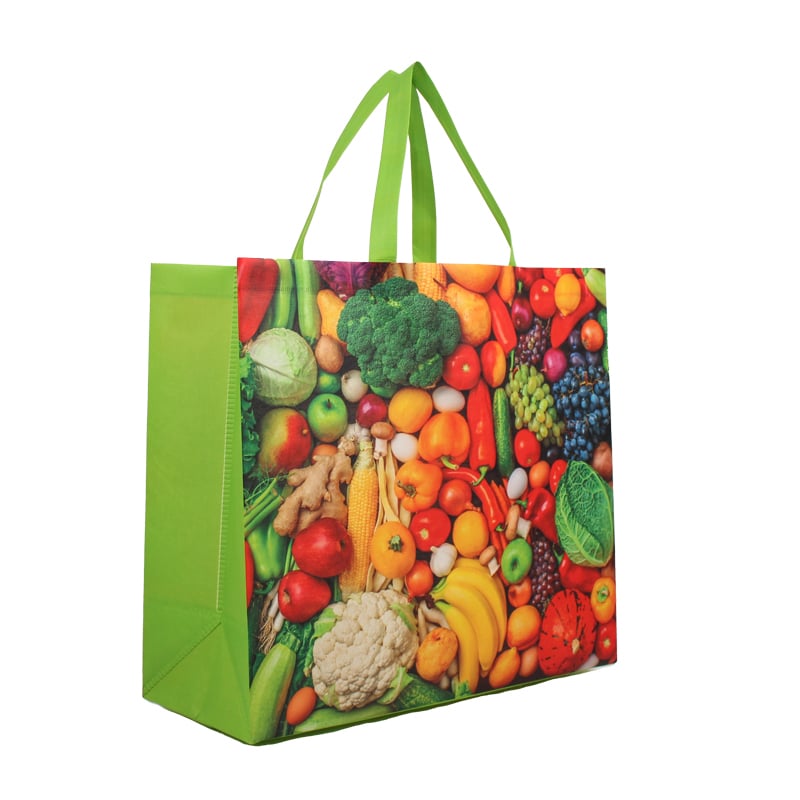
Digital printing capabilities have revolutionized customization options for non woven bags. Contemporary systems allow for high-resolution, full-color graphics that maintain vibrancy through extended use. This technological advancement enables businesses to create distinctive non woven bag designs that effectively communicate brand identity while demonstrating environmental commitment. The resulting non woven bag serves not only as practical packaging but as a mobile brand ambassador.
Certification and Standards: Quality Assurance in Non Woven Bag Production
As the non woven bag market matures, certification systems have emerged to verify environmental claims and product safety. Reputable non woven bag manufacturers now pursue certifications including ISO 14001 for environmental management and specific material safety verifications. These standards ensure that every non woven bag meets established benchmarks for both performance and environmental responsibility.
Third-party testing protocols verify critical characteristics of premium non woven bag products, including tensile strength, colorfastness, and chemical safety. This verification process provides assurance to businesses and consumers that their chosen non woven bag solution delivers both functional reliability and environmental integrity. The certification framework surrounding non woven bag production has become increasingly important as market differentiation shifts toward verified sustainability credentials.
Environmental Impact: The Lifecycle Advantage of Non Woven Bags
Comprehensive lifecycle assessments demonstrate the environmental advantages of properly utilized non woven bag solutions. A well-constructed non woven bag typically withstands hundreds of uses, replacing thousands of single-use plastic alternatives throughout its service life. This durability factor, combined with potential for material recovery at end-of-life, positions the non woven bag as a genuinely sustainable alternative in markets transitioning toward circular economy models.
Recent studies indicate that a responsibly manufactured non woven bag generates approximately 65% less carbon emissions across its complete lifecycle compared to conventional plastic bag alternatives. When produced using renewable energy and recycled materials, the environmental profile of the non woven bag improves further, demonstrating how manufacturing innovations can enhance sustainability outcomes.
Market Applications: Versatility of Contemporary Non Woven Bags
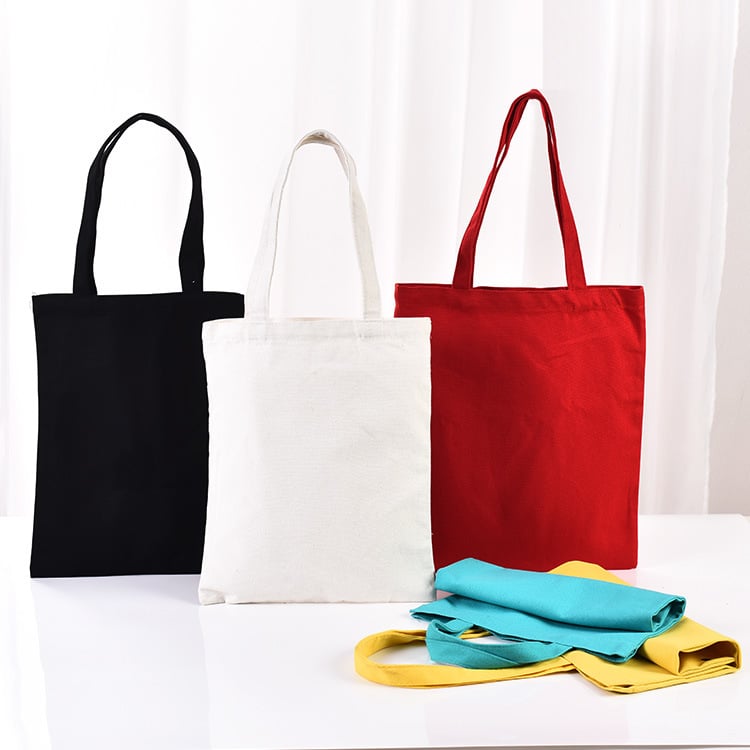
The modern non woven bag serves diverse applications with equal effectiveness. In retail environments, non woven bag solutions provide customers with durable, reusable alternatives that enhance brand perception while reducing packaging waste. For promotional campaigns, customized non woven bags offer practical utility that extends brand visibility far beyond initial distribution.
Event organizers increasingly select non woven bags as sustainable alternatives to conventional promotional merchandise, recognizing their balance of practical utility and environmental responsibility. The design flexibility of contemporary non woven bags accommodates various functional requirements—from reinforced handles that ensure comfortable carrying to specialized compartments that enhance organizational utility.
Consumer Insights: Changing Perceptions of Non Woven Bag Solutions
Market research reveals evolving consumer attitudes toward non woven bag options. Key findings include:
1. Utility Recognition: 79% of consumers value the durability and reusability of quality non woven bag products
2. Environmental Association: 73% perceive businesses using non woven bags as more environmentally responsible
3. Design Expectations: 67% prefer non woven bag designs that balance functionality with aesthetic appeal
These insights demonstrate how the non woven bag has evolved from basic packaging to a product category where performance, sustainability, and design converge to meet consumer expectations.
Industry Innovation: Future Developments in Non Woven Bag Technology
Emerging trends suggest continued advancement in non woven bag manufacturing. Bio-based polymer alternatives, enhanced recyclability through mono-material construction, and integrated smart features represent active areas of research and development. These innovations promise to further improve the environmental profile and functional capabilities of future non woven bag generations.
Manufacturers investing in closed-loop production systems and renewable energy integration are establishing new benchmarks for sustainable non woven bag manufacturing. These initiatives, combined with ongoing material science research, indicate that tomorrow's non woven bag solutions will offer enhanced sustainability while maintaining the durability and versatility that define the category.
Global Market Dynamics: Non Woven Bag Adoption Patterns
Regional variations in non woven bag adoption reflect differing regulatory environments and cultural attitudes toward sustainability. European markets demonstrate particularly strong growth in premium non woven bag segments, driven by stringent packaging regulations and consumer environmental consciousness. Asian markets show accelerating adoption of non woven bag solutions as rising middle-class populations seek practical expressions of environmental values.
These geographic patterns illustrate how the non woven bag serves as both a practical packaging solution and cultural indicator of evolving attitudes toward consumption and environmental responsibility.
Conclusion: The Non Woven Bag as Sustainable Innovation Platform
The transformation of non woven bag from utilitarian item to sustainability symbol reflects broader changes in manufacturing and consumption paradigms. As environmental considerations increasingly influence purchasing decisions and regulatory frameworks, the non woven bag stands as tangible evidence of how industrial innovation can align commercial objectives with environmental stewardship.
For businesses navigating sustainability transitions, the non woven bag offers both immediate practical benefits and long-term brand value. Through continued advancement in materials, manufacturing processes, and design approaches, the non woven bag category will remain at the forefront of sustainable packaging innovation—demonstrating that environmental responsibility and commercial viability can progress in concert toward more sustainable consumption models.
 ×
×
 Hot News
 EN
EN