×
×
Sourcing custom canvas tote bags sounds simple: choose a size, add a logo, confirm a price, and place an order. In practice, B2B buyers often face problems with fabric thickness, printing accuracy, handles, bulk consistency, quotation differences, customization choices, and supplier reliability.
For retailers, promotional companies, event organizers, and brand owners in the US and Europe, these issues can increase costs and delay delivery. Most of them can be reduced before production starts.
Here are seven common sourcing problems and practical ways to solve them.
“Canvas tote bag” is not a complete material specification. Two bags can look similar online but feel different because of fabric weight, density, composition, and finishing.
Before requesting a quotation, define the material clearly. Ask the supplier to confirm fabric composition, weight, color, and whether the quoted specification matches the sample.
Do not compare quotations only by product name. Compare the actual fabric specification and approve a physical material or pre-production sample before mass production.
Logo problems often come from incomplete instructions. Buyers may provide artwork but forget to confirm print size, position, color reference, or printing method.
Send vector artwork where possible and specify logo dimensions, placement, colors, and whether printing is required on one or both sides. The printing method should match the artwork and expected result.
Wenzhou Zhiyou Packing Co., Ltd. states that its factory supports CMYK printing, silkscreen printing, digital printing, heat-transfer printing, foil stamping and ultrasonic processing, providing several options for different custom designs.
Approve the actual printed sample, not just a digital mockup. A physical sample gives a clearer reference for color, scale, and print quality.
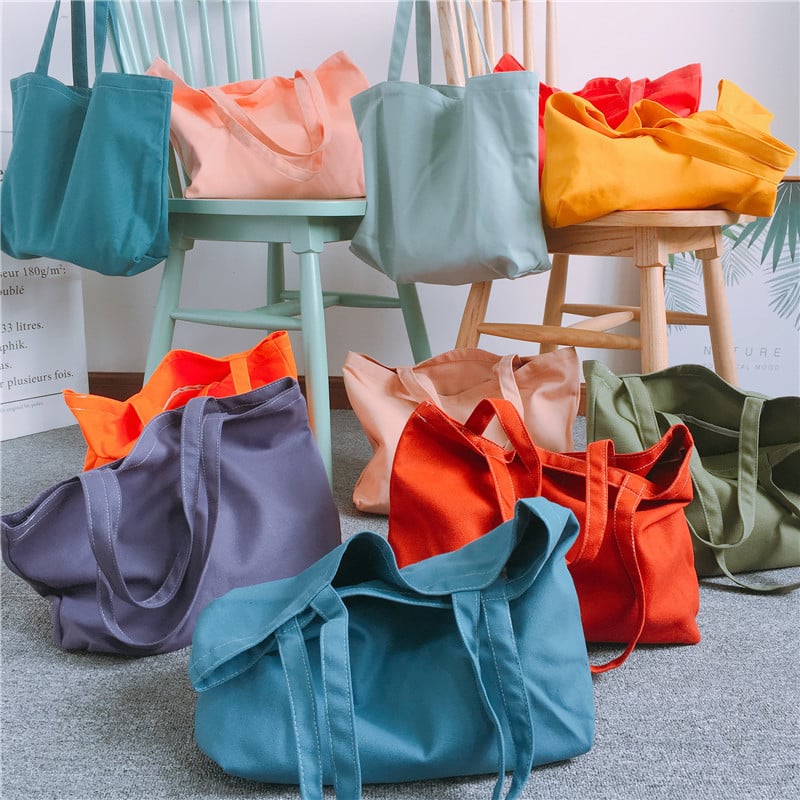
Some buyers focus mainly on fabric and logo design while paying less attention to handle construction. In daily use, handle length, width, stitching, and reinforcement affect durability and comfort.
Confirm handle dimensions and attachment method before production. If the bag is intended for heavier products, ask how the handles and stress points will be reinforced.
Check the handle attachment carefully during sampling. Evaluate the bag for its intended use, not only for appearance.
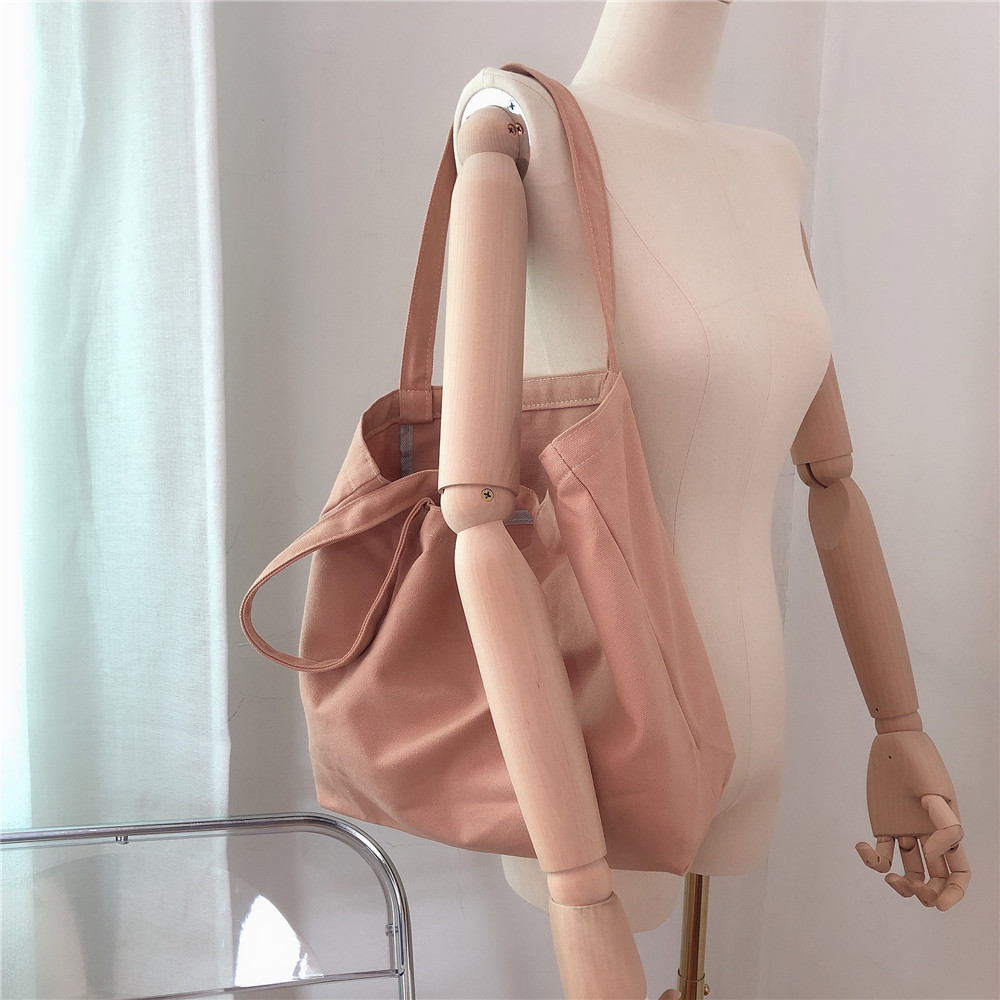
A sample may be made carefully, while mass production involves more pieces, workers, materials, and production steps. Without a clear approved standard, small differences can become bigger problems.
Use the approved sample as the production reference. Confirm dimensions, fabric, color, print position, stitching, handles, and packaging before bulk production.
Create a simple approval checklist and keep the final approved sample. This makes communication easier if an issue appears during production or inspection.
Low and high quotations may not be based on the same specification. Differences can come from material, fabric weight, printing method, construction, packaging, quantity, or quality requirements.
Send the same RFQ to every supplier. Include quantity, size, material, fabric specification, color, handle details, logo artwork, printing method, packaging, destination, and required delivery time.
Compare “like for like.” A lower unit price is not necessarily better if the material or construction is different.
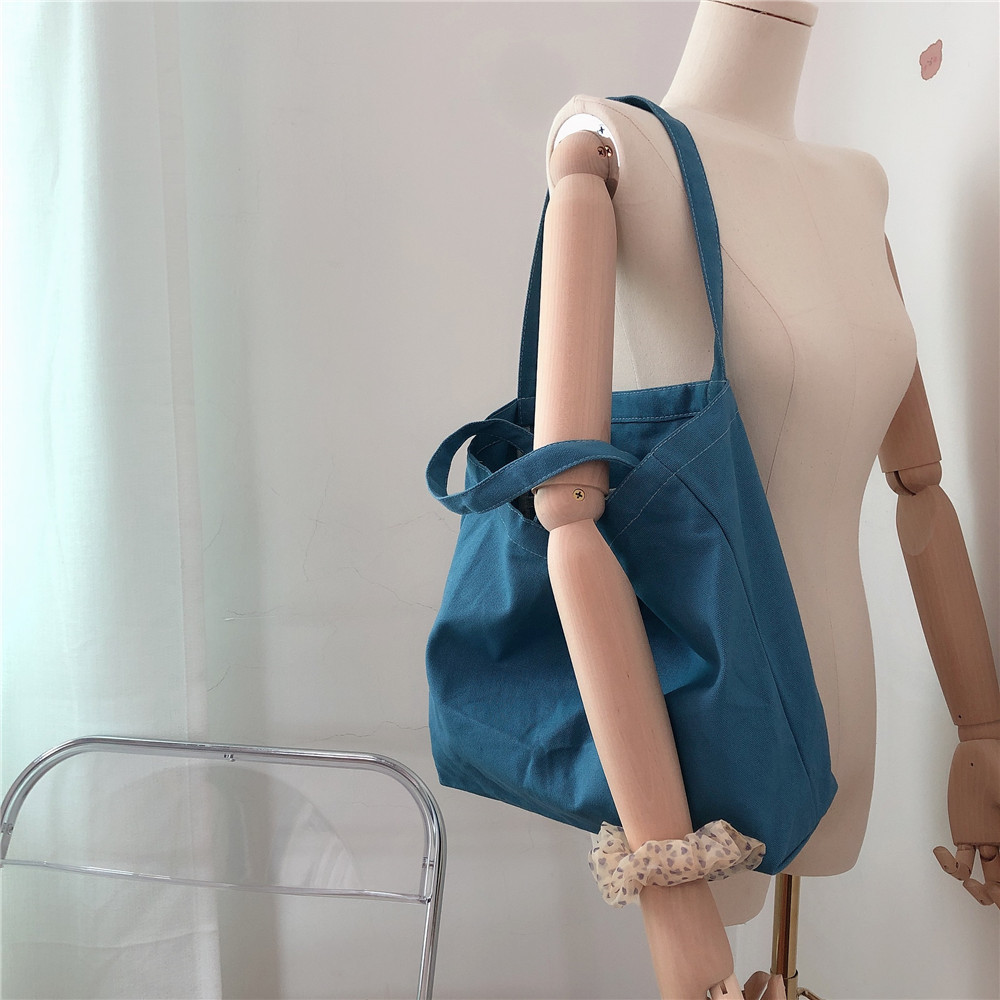
Buyers often know they need a custom bag but are unsure which printing, size, structure, or material option is best.
Start with the application. A promotional giveaway, retail shopping bag, corporate gift, and premium branded tote may require different materials and construction.
Zhiyou Packing's company profile lists cotton/canvas, non-woven, PP woven, Oxford, polyester, PVC and jute products, giving buyers alternatives when one material is not the best fit.
Tell the supplier the intended use, target quantity, expected appearance, and budget range. A clear application brief is often more useful than asking for “all available options.”
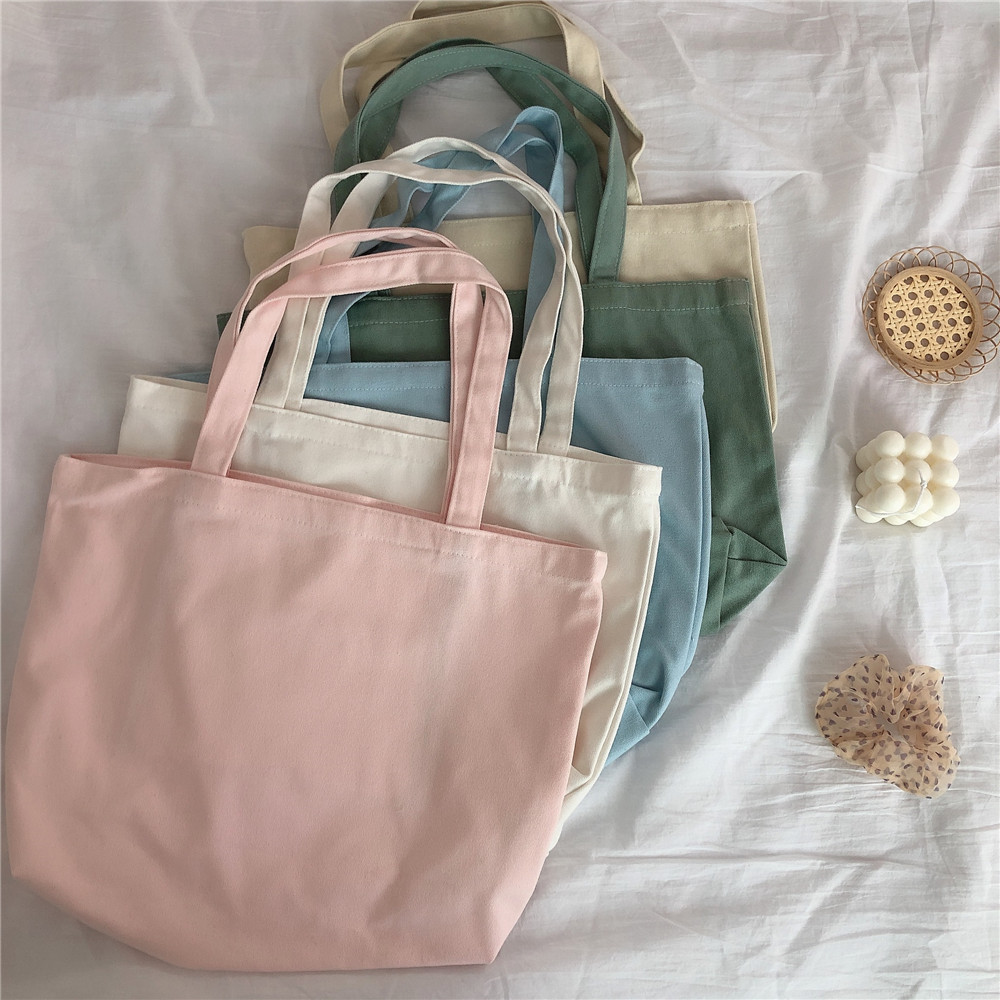
A website or quotation alone cannot show whether a supplier has stable sewing, printing, production, and communication capabilities.
Review the supplier's factory scale, equipment, production experience, material range, sample process, and quality-control workflow.
According to its company introduction, Wenzhou Zhiyou Packing Co., Ltd. has more than 11 years of experience in the packaging field. The factory covers approximately 1,500 m², has around 100 employees, operates more than 60 sewing machines, and reports annual production of approximately 10 million bags.
Use the sampling stage to evaluate the supplier, not only the product. Clear communication and accurate specification confirmation are important indicators before placing a larger order.
Most custom canvas tote bag sourcing problems begin before mass production, when specifications are unclear or expectations are not fully confirmed.
The best way to reduce sourcing risk is to define the material, construction, logo, packaging, and quality requirements before ordering, then approve a physical sample as the production standard.
For B2B buyers, a reliable sourcing process should not focus only on obtaining the lowest price. It should also help ensure that the final bag meets the intended use, branding requirements, and expected quality level.
If you are sourcing custom canvas tote bags for retail, promotions, exhibitions, corporate gifts, events, or branded merchandise, send us your quantity, bag size, material requirements, logo artwork, printing needs, and destination country.
Wenzhou Zhiyou Packing Co., Ltd. can review your requirements and discuss suitable material, printing, customization, and production options for your project.
 Hot News
2026-09-09
2026-08-28
2026-08-27
2026-02-06
2026-02-05
2026-02-04

 EN
EN