
 EN
EN



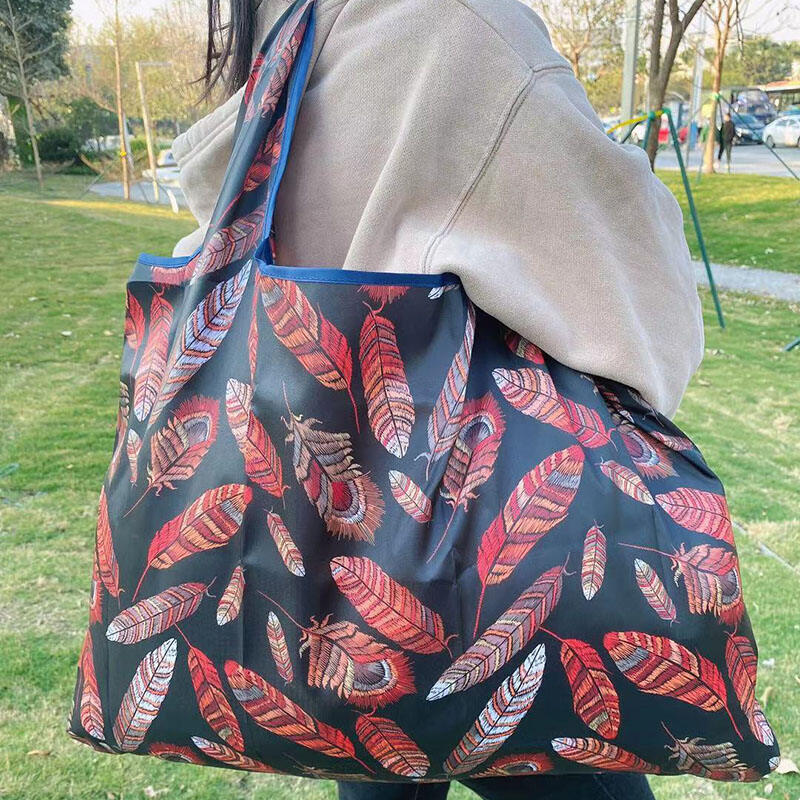
Selecting the right tote bag material for daily use requires understanding how different fabrics perform under real-world conditions. The material you choose determines durability, weight, maintenance requirements, and overall longevity of your tote bag. Whether you're commuting to work, running errands, or carrying gym essentials, the fabric composition directly impacts how well your bag withstands repeated use, weather exposure, and the weight of everyday items. This comprehensive guide examines the most common tote bag materials through the lens of practical daily application, helping you identify which option aligns best with your lifestyle demands and usage patterns.
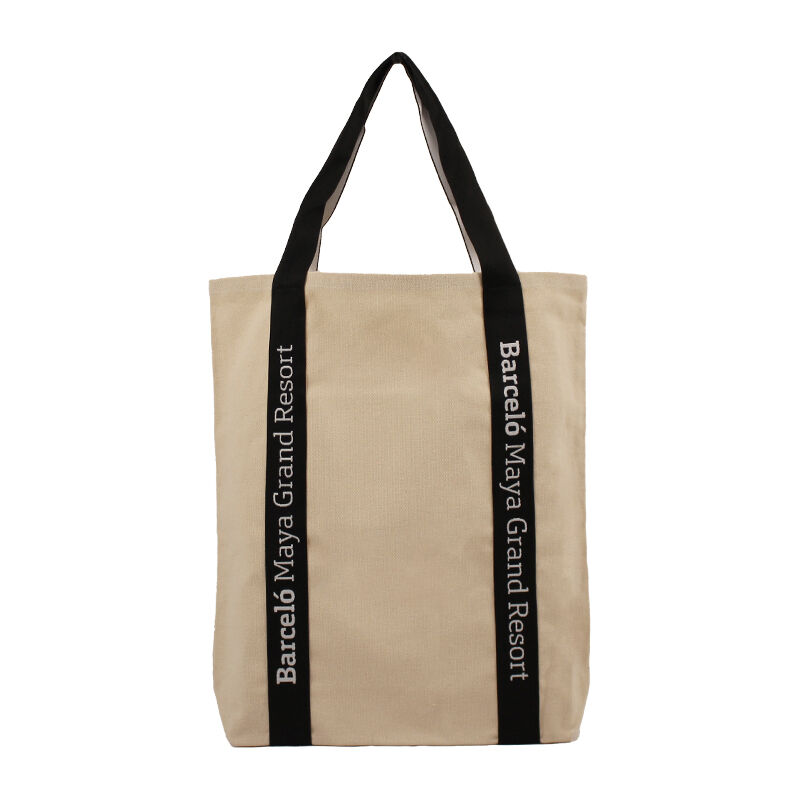
Daily use scenarios place unique demands on tote bag construction that differ significantly from occasional or specialized applications. Your tote bag faces constant stress from loading and unloading, exposure to varied environments, contact with surfaces, and the cumulative wear of daily handling. The ideal material must balance strength with comfort, resist common stains and moisture, maintain its shape over time, and require minimal care to stay presentable. Material selection becomes even more critical when you consider that most people use their primary tote bag five to seven days per week, subjecting it to conditions ranging from climate-controlled offices to outdoor markets, public transportation, and grocery store trips.
Canvas Tote Bags for Heavy-Duty Daily Performance
Understanding Canvas Construction and Weight Classes
Canvas represents one of the most dependable materials for daily tote bag use due to its woven cotton or cotton-blend construction. The fabric's plain weave structure creates exceptional tensile strength, allowing canvas tote bags to support substantial weight without tearing or deforming. Canvas comes in various weight classifications measured in ounces per square yard, with lighter options around six to eight ounces suitable for moderate loads and heavier twelve to sixteen ounce canvas designed for maximum durability. The weight classification you select should correspond directly to your typical carrying requirements—lighter canvas works well for paperwork and personal items, while heavier canvas handles groceries, books, and equipment without stress to seams or handles.
The natural fiber composition of canvas provides inherent breathability that prevents moisture accumulation inside your tote bag, which proves particularly valuable when carrying items like gym clothes or produce. Canvas fibers possess natural antimicrobial properties that resist odor development better than synthetic alternatives. The material's substantial thickness offers excellent protection for contents, cushioning items against impacts and preventing sharp objects from penetrating through to your body or damaging other belongings. For daily use, canvas tote bags deliver consistent performance across temperature ranges without becoming stiff in cold weather or excessively limp in heat.
Maintenance Requirements and Longevity Considerations
Canvas tote bags require straightforward maintenance that fits easily into daily routines. Most canvas constructions tolerate machine washing on gentle cycles with cold water, though hand washing extends fabric life by reducing mechanical stress on fibers. The material air-dries relatively quickly and resists shrinkage when proper care protocols are followed. Spot cleaning addresses minor stains effectively without requiring full washing, allowing you to maintain appearance between deep cleanings. Canvas develops a distinctive patina over time as fibers soften and the material conforms to your usage patterns, creating a personalized appearance that many users find appealing rather than viewing it as deterioration.
The expected lifespan of a quality canvas tote bag under daily use conditions typically ranges from three to five years with proper care, significantly exceeding synthetic alternatives in most cases. Canvas resists abrasion from repeated friction against surfaces, maintaining structural integrity even as aesthetic wear becomes visible. The natural fiber composition means canvas biodegrades at end of life rather than contributing to long-term environmental pollution. For users prioritizing sustainability alongside functionality, canvas offers an environmentally responsible choice that delivers extended service life and reduces the need for frequent replacement.
Cotton Tote Bags and Their Daily Use Profile
Distinguishing Cotton from Canvas Characteristics
While canvas utilizes cotton fibers, standard cotton tote bags employ different weaving techniques that create distinct performance characteristics. Cotton tote bags typically use lighter-weight fabric with a softer hand feel and greater flexibility than canvas. This construction makes cotton bags more comfortable to carry when filled with lighter loads and allows them to compress more easily for storage when empty. Cotton tote bags excel in applications where conformability matters—they drape naturally over the shoulder, compress to fit into lockers or desk drawers, and adapt their shape to accommodate irregularly sized contents.
The lighter weight of standard cotton reduces carrying fatigue during extended use, making these tote bags particularly suitable for users who walk significant distances daily. Cotton fabric provides excellent printability, allowing for vibrant designs and detailed graphics that maintain clarity through repeated washing. For daily use scenarios involving professional environments or situations where appearance matters, cotton tote bags offer a more refined aesthetic than heavier canvas options. The material's natural properties ensure breathability and comfort against the body, preventing the perspiration buildup that can occur with synthetic materials during warm weather or active use.
Load Capacity and Durability Trade-offs
Standard cotton tote bags handle moderate daily loads effectively but show limitations when regularly subjected to heavy items. The lighter fabric construction means cotton bags require more careful attention to weight distribution to prevent stress concentration at handle attachment points. Users carrying laptops, textbooks, or substantial grocery loads may experience accelerated wear with standard cotton compared to heavier canvas alternatives. However, for typical daily essentials including wallets, phones, light snacks, personal care items, and a single layer of documents or a tablet, cotton provides adequate durability with enhanced comfort.
Cotton tote bags benefit from reinforced stitching at stress points to extend service life under daily use conditions. Double-stitched seams and bar-tacked handle attachments significantly improve durability without adding substantial weight or compromising the material's inherent softness. The maintenance profile for cotton mirrors canvas requirements, with machine washing capability and air-drying recommendations. Cotton may show signs of wear more quickly than canvas through fabric pilling or slight fading, but these cosmetic changes typically precede structural failure by considerable time, allowing users to assess whether a bag remains serviceable based on appearance preferences rather than functional limitations.
Synthetic Materials in Daily Use Tote Bags
Polyester Tote Bag Performance Characteristics
Polyester represents the most common synthetic material in tote bag construction, offering distinct advantages for specific daily use scenarios. The material's inherent water resistance protects contents from light rain and spills more effectively than natural fibers, making polyester tote bags particularly suitable for users in wet climates or those frequently transitioning between indoor and outdoor environments. Polyester maintains consistent performance across temperature extremes without becoming brittle in cold or tacky in heat, providing reliable year-round functionality. The synthetic fibers resist wrinkles and maintain their shape even after prolonged compression, ensuring your tote bag looks presentable immediately after removal from storage.
Polyester tote bags typically weigh less than comparable cotton or canvas options while delivering similar load-bearing capacity, reducing carrying fatigue during extended daily use. The material's smooth surface resists dirt adhesion and cleans easily with simple wiping, minimizing maintenance requirements for users with demanding schedules. Polyester's color-fastness exceeds natural fibers, maintaining vibrant appearance through numerous wash cycles without the fading common in cotton-based materials. For daily use involving potential exposure to moisture, oils, or substances that stain natural fibers, polyester provides practical advantages that may outweigh the aesthetic and environmental considerations favoring natural materials.
Nylon and Specialized Synthetic Constructions
Nylon tote bags offer enhanced strength-to-weight ratios compared to polyester, with superior abrasion resistance that extends service life in high-friction applications. The material's exceptional tear strength prevents damage from sharp objects or unexpected stress, making nylon suitable for users whose daily routines involve unpredictable conditions or rough handling. Nylon's elasticity allows the material to absorb impact energy without transmitting shock to contents, providing better protection for fragile items than rigid fabric constructions. The synthetic composition resists mildew and bacterial growth even in humid conditions, maintaining hygiene without requiring frequent washing.
Specialized synthetic blends combine materials to optimize specific performance characteristics for daily tote bag use. Ripstop constructions incorporate reinforcement threads in grid patterns that prevent tears from propagating across the fabric, significantly enhancing durability despite lightweight construction. Coated synthetics add waterproofing layers that transform tote bags into weatherproof carriers suitable for commutes in variable conditions. These advanced materials typically command premium pricing but deliver extended service life and specialized capabilities that justify the investment for users with demanding daily requirements. The trade-off involves reduced environmental friendliness compared to natural fibers and less appealing aesthetics in many applications, requiring users to prioritize functional performance over sustainability and appearance considerations.
Leather and Blended Material Tote Bags
Genuine Leather Performance in Daily Applications
Leather tote bags represent premium options that deliver exceptional durability combined with refined aesthetics suitable for professional environments. Full-grain leather develops character over time as natural patina enhances appearance with use, creating a distinctive look that many users find increasingly attractive as the material ages. Leather's natural strength supports substantial loads while maintaining shape integrity, preventing the sagging common in fabric tote bags after extended use. The material's inherent water resistance, when properly treated, protects against light moisture while allowing the bag to breathe and prevent internal humidity buildup.
Daily use of leather tote bags requires more attentive maintenance than fabric alternatives to preserve appearance and extend lifespan. Regular conditioning prevents leather from drying and cracking, particularly important in climate-controlled environments with low humidity. Leather responds to care investment with decades of service life, far exceeding fabric alternatives when properly maintained. The material's weight exceeds most fabric options, which some users experience as reassuring substance while others find it adds unnecessary carrying burden to daily routines. Leather tote bags suit users prioritizing longevity, professional appearance, and investment value over lightweight convenience and minimal maintenance requirements.
Hybrid Construction and Material Combinations
Blended material tote bags combine different fabrics to optimize multiple performance characteristics simultaneously. Common configurations pair canvas or cotton bodies with leather handles and trim, delivering natural fiber breathability and flexibility while adding leather's durability at high-stress contact points. These hybrid designs reduce overall bag weight compared to full leather construction while maintaining refined aesthetics appropriate for professional settings. The material combination allows manufacturers to use lower-grade or synthetic leather for trim elements, reducing cost while preserving appearance benefits.
Canvas-polyester blends represent another popular hybrid approach that balances natural fiber aesthetics with synthetic durability and water resistance. These tote bags maintain the visual appeal and texture of natural materials while gaining moisture protection and reduced wrinkling from synthetic content. The blended construction typically improves dimensional stability compared to pure natural fibers, helping bags maintain shape through varied loading conditions. For daily use, hybrid material tote bags often represent optimal compromise solutions that deliver multiple desirable characteristics without the limitations inherent in single-material constructions. Users benefit from engineering-driven design that addresses real-world performance requirements rather than ideological commitment to either natural or synthetic material categories.
Matching Material Selection to Daily Use Patterns
Assessing Your Specific Daily Requirements
Selecting the optimal tote bag material begins with honest assessment of your actual daily use patterns rather than aspirational or occasional scenarios. Document the typical items you carry, their combined weight, and frequency of use to establish baseline requirements. Consider environmental factors including weather exposure, storage conditions, and surfaces your bag contacts regularly. Professional requirements may dictate appearance standards that narrow material options, while active lifestyles might prioritize weight reduction and easy cleaning over refined aesthetics. The frequency with which you wash or clean your tote bag influences material selection, as some fabrics tolerate frequent washing better than others.
Transportation methods significantly impact ideal material choice for daily tote bag use. Walking or cycling users benefit from lightweight materials that reduce carrying fatigue, while automotive commuters can accommodate heavier constructions without physical burden concerns. Public transportation use may increase exposure to dirt and friction, favoring durable, easily cleaned synthetics over lighter natural fibers. Storage space availability matters when choosing between rigid materials that maintain shape but require dedicated space and flexible fabrics that compress for convenient storage. Budget considerations extend beyond initial purchase price to include expected replacement frequency based on material durability under your specific use conditions.
Environmental Conditions and Material Performance
Climate and weather patterns in your location should inform tote bag material selection for optimal daily performance. Humid environments favor synthetic materials or treated natural fibers that resist mildew and maintain integrity despite moisture exposure. Dry climates allow natural fibers to excel without moisture-related degradation concerns, while leather requires additional conditioning to prevent cracking. Temperature extremes affect material flexibility, with some synthetics becoming brittle in severe cold and certain treatments on natural fibers degrading under intense sun exposure and heat.
Indoor versus outdoor use balance influences ideal material characteristics for daily tote bags. Predominantly indoor use in climate-controlled environments allows lighter materials and refined aesthetics to take priority over weatherproofing and extreme durability. Frequent outdoor exposure or transitional use between environments necessitates materials that handle moisture, temperature variation, and UV exposure without rapid degradation. Users alternating between multiple distinct environments daily may benefit from owning multiple specialized tote bags optimized for different contexts rather than seeking a single material solution that compromises performance across all scenarios. The most successful material selection aligns specific fabric characteristics with documented usage patterns and environmental factors unique to your daily routine.
FAQ
What is the most durable material for a tote bag used daily?
Canvas in twelve to sixteen ounce weight classifications offers the best durability for daily tote bag use among fabric options, with proper construction lasting three to five years under regular heavy loading. Full-grain leather provides superior longevity with decades of service when properly maintained, though it requires more care investment than fabric alternatives. For synthetic options, nylon delivers exceptional tear and abrasion resistance that extends service life in demanding daily applications while maintaining lighter weight than comparable natural fiber constructions.
How do I maintain different tote bag materials for extended daily use?
Canvas and cotton tote bags benefit from periodic machine washing on gentle cycles with cold water and air drying to prevent shrinkage, with spot cleaning addressing minor stains between full washes. Synthetic materials including polyester and nylon clean easily with damp cloth wiping and tolerate machine washing when necessary, drying quickly to return to service. Leather tote bags require regular conditioning with appropriate leather care products to prevent drying and cracking, along with prompt attention to moisture exposure and protective storage when not in use to preserve appearance and structural integrity.
Can synthetic tote bags match natural materials for daily professional use?
High-quality synthetic tote bags with refined construction and appropriate styling serve effectively in professional environments, particularly when weather resistance and minimal maintenance suit your daily routine better than natural fiber aesthetics. However, natural materials including canvas, cotton, and especially leather typically project more traditional professional appearance that remains preferred in conservative business settings. The choice depends on your specific workplace culture, personal style preferences, and whether functional advantages of synthetics outweigh any aesthetic compromises for your professional context.
How much weight can different tote bag materials safely carry daily?
Heavy canvas tote bags with reinforced construction safely support twenty to thirty pounds daily when weight distributes evenly and handles attach securely, though comfort decreases significantly above fifteen pounds for extended carrying. Standard cotton handles ten to fifteen pounds comfortably for daily use, with heavier loads accelerating wear at stress points. Synthetic materials including nylon and polyester support similar weight ranges to canvas when properly constructed, with specific capacity depending more on seam reinforcement and handle design than inherent material strength. Leather provides excellent weight support but adds its own mass to the carrying burden, making lighter loads more comfortable for daily use despite the material's structural capability.