
 EN
EN



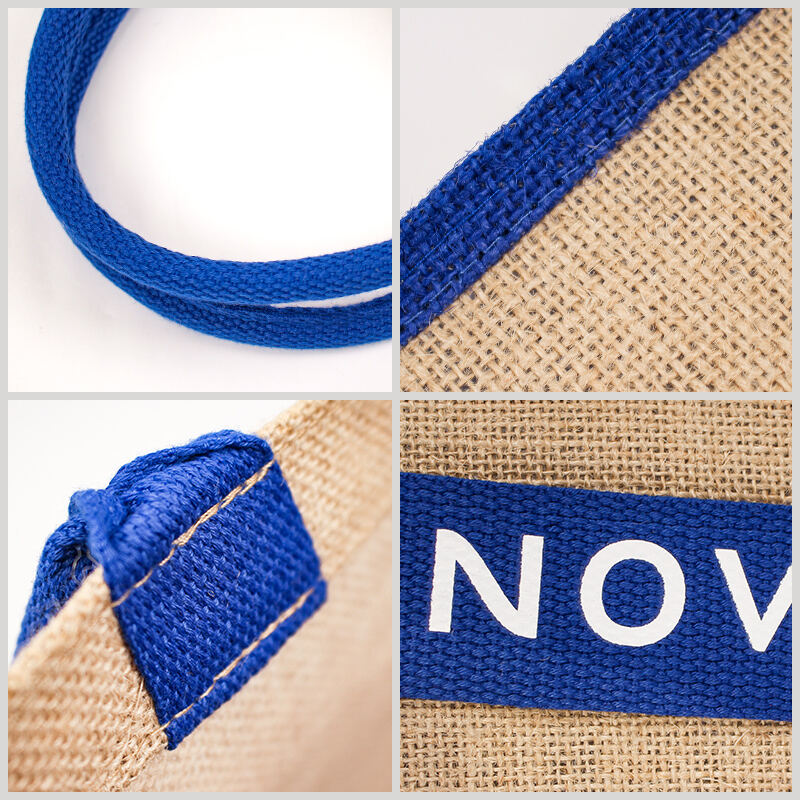
Selecting the right bag material represents a critical decision that extends beyond mere aesthetics, encompassing considerations of durability, environmental impact, functionality, and professional image. The choice between a canvas bag and leather carries significant implications for daily use, maintenance requirements, and long-term value. Understanding the specific scenarios and conditions where canvas outperforms leather enables professionals and consumers to make informed purchasing decisions aligned with their practical needs, ethical values, and lifestyle demands.
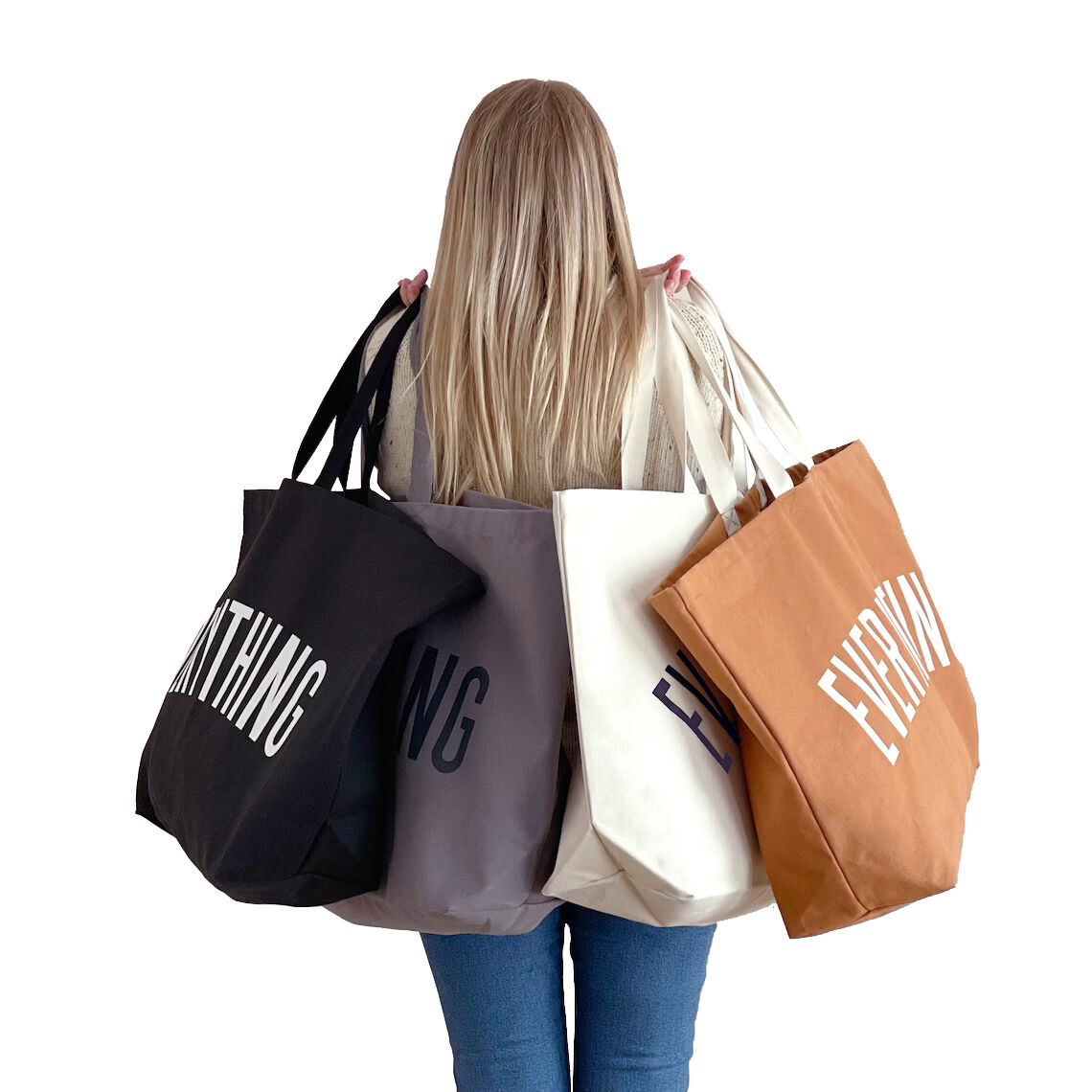
The decision timing for selecting a canvas bag instead of leather depends on multiple intersecting factors including usage intensity, environmental exposure, budget constraints, and personal values regarding sustainability. While leather has traditionally held a premium position in the bag market, canvas materials have evolved significantly in quality, appearance, and functional performance. Recognizing the optimal circumstances for choosing canvas over leather requires examining specific use contexts, environmental conditions, maintenance capacity, and the intended duration and purpose of the bag investment.
Environmental and Weather Exposure Conditions
High-Moisture and Rain-Prone Environments
When your daily routine involves frequent exposure to rain, humidity, or moisture-rich environments, a canvas bag presents distinct advantages over leather alternatives. Canvas materials, particularly those treated with water-resistant coatings or made from synthetic-blend fabrics, handle moisture exposure more gracefully than traditional leather. While leather can develop water stains, lose its shape, or require extensive conditioning after wet exposure, a quality canvas bag maintains its structural integrity and appearance with minimal intervention.
Geographic locations with high rainfall frequency or seasonal monsoon patterns create ideal conditions for choosing canvas construction. The breathability of canvas fabric prevents mildew formation that can occur in leather products stored in humid conditions. Additionally, canvas materials dry more quickly and evenly compared to leather, which may develop permanent water marks or require professional restoration after significant moisture exposure. For professionals working in coastal areas, tropical climates, or regions with unpredictable weather patterns, the practical resilience of a canvas bag outweighs the prestige traditionally associated with leather accessories.
Extreme Temperature Fluctuations
Temperature stability represents another critical factor in material selection timing. Canvas fabrics demonstrate superior performance across wide temperature ranges, maintaining their structural properties without the cracking, stiffening, or deterioration that can affect leather in extreme cold or heat. When working environments involve transitioning between air-conditioned interiors and hot outdoor conditions, or moving between heated spaces and freezing temperatures, a canvas bag provides consistent functionality without requiring the conditioning treatments leather demands.
The thermal properties of canvas also protect contents more effectively than leather in certain scenarios. Canvas provides better insulation against direct sunlight, preventing electronic devices, documents, or sensitive materials from overheating during outdoor use. This thermal buffer makes canvas particularly suitable for outdoor professionals, field researchers, or anyone whose work involves extended periods in direct environmental exposure. The material's resistance to UV degradation further extends the usable lifespan when regular sun exposure is unavoidable.
Beach, Sand, and Outdoor Recreation Settings
Recreational contexts involving sand, saltwater, or outdoor adventure activities strongly favor canvas bag selection. Unlike leather, which can be permanently damaged by salt, sand abrasion, or extended sun exposure, canvas materials withstand these conditions while remaining easily cleanable. The washability of canvas represents a decisive advantage in recreational settings where bags inevitably contact sand, dirt, or organic materials that would compromise leather surfaces.
For individuals who regularly transition between professional and recreational activities, choosing a canvas bag eliminates the need for separate accessories. The durability and cleanability of canvas support multi-context usage without the anxiety of damaging an expensive leather investment. This versatility proves particularly valuable for active professionals who incorporate outdoor fitness, beach visits, or weekend adventures into their regular routines.
Usage Intensity and Functional Requirements
Heavy-Duty Daily Use and Weight Capacity
When your carrying requirements involve substantial weight or high-frequency daily use, a canvas bag often provides superior structural performance compared to leather alternatives. Heavy-duty canvas construction, particularly double-layered or reinforced varieties, distributes weight more evenly across stress points and maintains shape integrity under loads that would stretch or deform leather over time. Professionals carrying laptops, books, tools, or equipment benefit from the robust weight capacity that quality canvas construction delivers.
The stress distribution characteristics of canvas fabrics prevent the handle attachment failures common in leather bags subjected to heavy loads. Canvas straps and handles, often reinforced with multiple stitching layers, demonstrate superior tensile strength and longevity under repeated strain. This makes canvas the logical choice for students carrying textbooks, tradespeople transporting tools, or business travelers managing heavy electronic equipment. The material's resistance to stretching preserves the bag's original dimensions and functionality throughout extended use periods.
Frequent Cleaning and Maintenance Accessibility
Timing your selection of a canvas bag becomes critical when your lifestyle or work environment requires frequent cleaning or involves potential staining scenarios. Canvas materials tolerate machine washing or spot cleaning far better than leather, which requires specialized products, professional cleaning, or careful conditioning to maintain appearance and flexibility. For individuals working in food service, healthcare, childcare, or any environment where hygiene and cleanability are priorities, canvas provides practical advantages that leather cannot match.
The time investment required for leather maintenance represents a hidden cost that canvas eliminates. While leather demands regular conditioning, careful storage, and immediate attention to stains or moisture, a canvas bag requires minimal upkeep beyond periodic washing. This low-maintenance characteristic proves especially valuable for busy professionals who lack time for elaborate care routines or for those who simply prefer accessories that accommodate rather than dictate their lifestyle pace. The practicality of tossing a canvas bag into the washing machine when needed cannot be overstated for active, time-constrained users.
Multi-Purpose and Transitional Functionality
Choose a canvas bag when your daily activities span diverse contexts requiring a single versatile accessory. Canvas materials transition seamlessly across formal, casual, professional, and recreational settings in ways that leather sometimes cannot. The relaxed professionalism of a well-designed canvas bag suits both client meetings and weekend farmers market visits, eliminating the need for multiple specialized bags. This transitional capability makes canvas ideal for entrepreneurs, freelancers, or professionals whose work environments vary significantly day to day.
The visual neutrality and casual sophistication of canvas allow it to complement diverse wardrobes and settings without the formality constraints that leather can impose. A quality canvas bag reads as intentionally understated rather than insufficiently professional, aligning with contemporary workplace cultures that value authenticity and practicality over rigid dress codes. This makes canvas particularly appropriate for creative industries, technology sectors, educational environments, and progressive corporate cultures where functionality and personal expression take precedence over traditional status symbols.
Budget Considerations and Value Timeline
Initial Investment and Accessibility
The decision timing for choosing a canvas bag frequently relates to budget availability and financial priorities. Quality canvas bags typically require significantly lower initial investment compared to genuine leather alternatives of similar size and construction quality. This price accessibility makes canvas the logical choice when budget constraints exist or when allocating resources to a bag represents a lower financial priority relative to other needs. The cost efficiency of canvas becomes particularly relevant for students, early-career professionals, or anyone managing tight budgets.
Beyond absolute cost, the value proposition of canvas includes the reduced financial risk associated with damage or loss. The anxiety of protecting an expensive leather investment can actually diminish daily enjoyment and utility. A canvas bag allows users to focus on functionality rather than preservation, supporting more relaxed and authentic daily use. This psychological benefit, though intangible, contributes significantly to overall satisfaction and practical value over the ownership period.
Replacement Cycle and Trend Responsiveness
Consider choosing a canvas bag when your preference involves updating accessories more frequently to reflect changing styles, needs, or preferences. The lower price point of canvas materials supports a more flexible replacement approach, allowing users to refresh their accessories as functional requirements evolve or aesthetic preferences shift. This adaptability contrasts with leather investments, which typically require longer ownership periods to justify their higher initial cost and which may feel wasteful to replace while still functional.
The canvas bag selection timing aligns well with transitional life phases such as career changes, relocations, or lifestyle shifts where accessory needs may be uncertain or evolving. Rather than investing heavily in leather that may not suit future contexts, canvas provides adequate quality and functionality while preserving financial flexibility. This approach proves particularly valuable for individuals in their twenties and thirties navigating career development, or for anyone experiencing significant life transitions where long-term needs remain unclear.
Multiple Bag Strategy and Specialized Use
When your strategy involves maintaining multiple bags for different purposes rather than investing in a single premium leather piece, canvas materials enable building a versatile collection at reasonable total cost. Multiple canvas bags serving distinct functions such as work, gym, travel, and shopping provide greater practical utility than a single expensive leather bag forced to serve all purposes. This specialization approach optimizes functionality while distributing wear across multiple items, potentially extending the useful life of the entire collection.
The canvas bag approach supports experimentation with different sizes, styles, and configurations to determine actual usage patterns before potentially investing in premium materials. This testing phase helps users identify genuine needs versus aspirational preferences, leading to more informed future purchasing decisions. The relatively low financial commitment of canvas allows trying various organizational systems, carrying capacities, and style approaches without significant economic consequence if certain options prove unsuitable.
Ethical Values and Sustainability Priorities
Animal Welfare and Vegan Lifestyle Alignment
The timing for choosing a canvas bag becomes immediately clear when ethical concerns regarding animal products influence purchasing decisions. For individuals following vegan lifestyles, holding animal welfare convictions, or simply preferring to avoid animal-derived materials, canvas represents an unambiguous ethical choice. The plant-based or synthetic composition of canvas materials aligns completely with values-based consumption patterns that prioritize minimizing animal exploitation.
This ethical consideration extends beyond personal veganism to encompass broader concerns about industrial animal agriculture, tanning chemical impacts, and the welfare conditions in leather production supply chains. Canvas materials, particularly organic cotton or recycled synthetic varieties, offer transparency and traceability that leather supply chains often cannot match. For consumers who research production ethics and prioritize alignment between values and purchasing behavior, canvas provides clear advantages that justify selection regardless of other factors.
Environmental Footprint and Resource Conservation
Choose a canvas bag when minimizing environmental impact represents a priority in your purchasing criteria. The production environmental footprint of canvas materials, particularly organic or recycled varieties, typically demonstrates advantages over leather tanning processes, which involve significant water consumption, chemical use, and potential toxic discharge. Canvas production, especially when sourced from sustainable agriculture or post-consumer recycled materials, supports more circular economic models and reduced resource extraction.
The end-of-life considerations further favor canvas selection for environmentally conscious consumers. Canvas materials decompose naturally or can be recycled into new products, while leather treatment chemicals may prevent biodegradation and recycling. Canvas bags that reach the end of functional life can be repurposed into cleaning cloths, craft materials, or composted depending on fiber content. This lifecycle consideration makes canvas the responsible choice when environmental stewardship guides purchasing decisions.
Sustainable Fashion and Conscious Consumption
The canvas bag selection timing aligns with growing awareness of sustainable fashion principles and conscious consumption movements. As consumers increasingly question the necessity of resource-intensive luxury materials, canvas represents a deliberate choice signaling values alignment over status display. This shift reflects broader cultural movements toward authenticity, functionality, and environmental responsibility rather than conspicuous consumption patterns.
Choosing canvas participates in redefining quality beyond material expense to encompass ethical production, functional excellence, and longevity through appropriate use rather than precious preservation. This perspective recognizes that the most sustainable product is one used frequently and fully, rather than a premium item preserved through limited use. Canvas bags support intensive daily use without requiring the careful handling that luxury leather demands, maximizing utility per unit of resources consumed in production.
Professional Context and Industry Norms
Creative and Technology Sector Appropriateness
Professional environment norms significantly influence optimal timing for canvas bag selection. In creative industries, technology companies, startups, and innovation-focused organizations, a canvas bag often signals cultural fit more effectively than traditional leather accessories. These professional contexts value practical functionality, understated style, and rejection of unnecessary formality, making canvas the strategic choice for professionals navigating these environments.
The visual language of a canvas bag communicates approachability, focus on substance over form, and alignment with contemporary professional values. In workplaces where hoodies and sneakers coexist with serious business discussions, leather accessories may read as disconnected or trying too hard. Canvas materials match the aesthetic of innovation economies where practical merit supersedes traditional status indicators. For professionals building careers in these sectors, choosing canvas demonstrates cultural awareness and authentic integration into workplace norms.
Educational and Academic Environments
Academic settings from undergraduate through graduate programs and faculty positions represent ideal contexts for canvas bag selection. The intellectual environment of educational institutions prioritizes substance, accessibility, and practical scholarship over material display. A canvas bag carrying books, research materials, and laptop equipment aligns perfectly with academic culture while providing the durability and capacity scholarly work demands.
The democratic ethos of educational environments further supports canvas selection over luxury materials. Academics and students alike benefit from accessories that focus attention on intellectual rather than material capital. Canvas bags serve the functional demands of carrying substantial materials between classes, libraries, offices, and home workspaces while avoiding the pretension that luxury materials might convey in scholarly contexts. This makes canvas not merely acceptable but often preferable in academic professional settings.
Field Work and Applied Professional Contexts
Professionals whose work involves field research, site visits, outdoor assessment, or hands-on application should choose a canvas bag as their primary carry solution. Architects visiting construction sites, environmental scientists conducting field research, social workers making home visits, or healthcare providers working in diverse community settings all benefit from canvas durability and cleanability. The practical demands of these professional contexts make leather an impractical choice despite any traditional prestige associations.
The canvas bag provides the rugged reliability that applied professional work requires without the maintenance burden or damage anxiety that leather would impose. Professionals can focus on their substantive work rather than protecting their accessories, which fundamentally serves professional effectiveness. In these contexts, choosing canvas over leather represents not a compromise but an optimization decision prioritizing functional performance over symbolic status.
FAQ
How long does a quality canvas bag typically last compared to leather?
A well-constructed canvas bag can last five to ten years or longer with regular use, particularly when made from heavy-duty fabric with reinforced stress points. While premium leather may offer longer potential lifespan, this advantage diminishes when considering actual use patterns rather than careful preservation. Canvas durability in practical daily use often matches or exceeds leather when the bag faces environmental exposure, frequent cleaning needs, or heavy loads. The key determinant is construction quality rather than material alone, with properly made canvas bags demonstrating remarkable longevity under conditions that would damage leather.
Can a canvas bag look professional enough for corporate business settings?
Contemporary corporate environments increasingly accept and even prefer the understated professionalism of quality canvas bags, particularly in industries embracing more relaxed dress codes and authentic personal expression. A well-designed canvas bag in neutral colors with clean lines and quality hardware projects competence and practicality rather than lack of professionalism. The key lies in selecting structured designs rather than slouchy styles, maintaining cleanliness, and ensuring the bag's size and proportion suit professional contexts. Many modern corporate professionals deliberately choose canvas to signal contemporary values and practical focus rather than adherence to outdated formality conventions.
What maintenance does a canvas bag require to maintain appearance over time?
Canvas bag maintenance involves primarily periodic cleaning through spot treatment for fresh stains or machine washing for overall refresh, typically every few months depending on use intensity. Most canvas bags tolerate gentle machine washing in cold water with mild detergent, followed by air drying to prevent shrinkage. Between washes, brushing off dry dirt and immediately addressing spills preserves appearance. Some users apply fabric protectant sprays to enhance water and stain resistance, though quality canvas often includes factory treatments. This minimal maintenance routine requires far less time and specialized knowledge than leather conditioning, making canvas ideal for users prioritizing low-maintenance accessories.
Does choosing a canvas bag mean sacrificing style or aesthetic quality?
Modern canvas bag design has evolved significantly beyond utilitarian aesthetics, with contemporary options offering sophisticated styling, refined details, and design variety matching or exceeding leather alternatives. High-end canvas bags feature quality hardware, thoughtful proportions, and design elements creating visual interest without ostentation. The material's versatility allows diverse aesthetic expressions from minimalist contemporary to heritage workwear to refined casual elegance. Canvas actually provides greater design flexibility than leather in color options, pattern possibilities, and mixed-material constructions. Choosing canvas represents an aesthetic decision rather than aesthetic compromise, with style quality determined by design excellence rather than material expense.