
 EN
EN



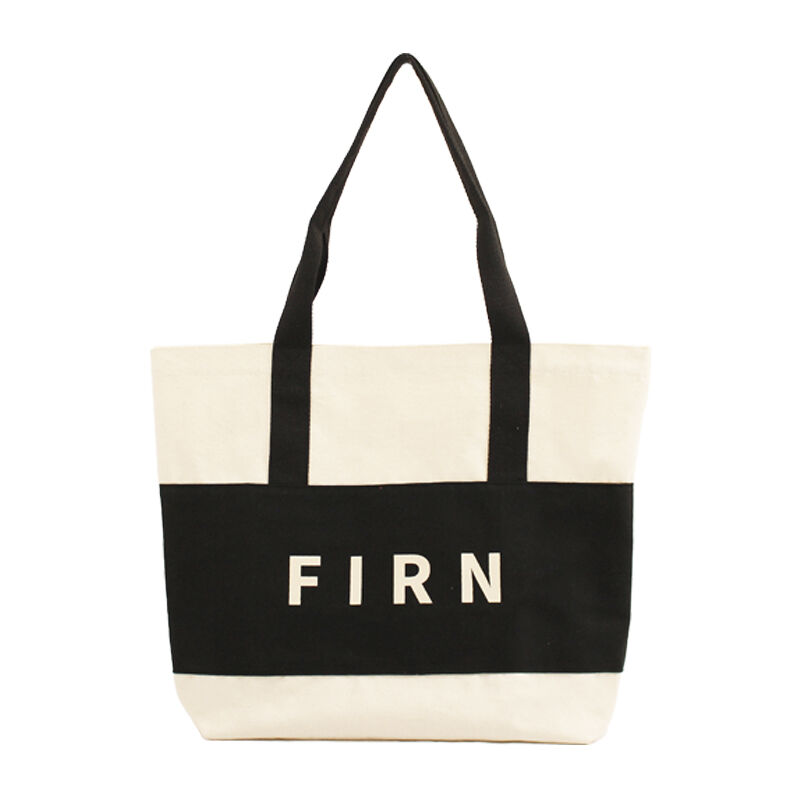
Finding the perfect balance between style and utility starts with a single question: what is it made of? The tote bag has evolved from a simple grocery carrier into a primary accessory for work, travel, and fitness. However, the "best" material isn't a universal truth; it depends entirely on your daily environment. If you are commuting through a rainy city, your needs differ vastly from someone carrying a laptop to a climate-controlled office or bringing beach gear to the shore.

Choosing the right tote bag material ensures that your investment survives the friction of daily life. A material that is too heavy might cause shoulder strain, while one that is too thin might rip under the weight of a tablet or a thick book. To make an informed choice, we must analyze the structural integrity, maintenance requirements, and aesthetic longevity of the most common textiles used in modern manufacturing.
Canvas and Cotton: The Classic Choice for Versatility
Heavy-duty canvas is arguably the most popular material for a daily tote bag. Canvas is a plain-woven fabric that provides excellent durability and a high strength-to-weight ratio. Because it is a natural fiber, it is breathable and generally renewable, making it a favorite for eco-conscious consumers. For daily use, "duck canvas" is the gold standard because its weave is tighter than plain canvas, offering better resistance to snags and tears.
One of the significant advantages of a canvas tote bag is its washability. Daily use inevitably leads to coffee spills, ink stains, or dirt from subway seats. Most canvas bags can be tossed into a cold wash cycle, though they may require air drying to prevent shrinkage. Over time, canvas develops a softer feel and a "lived-in" look that many users find appealing for casual outings and grocery runs. However, without a specialized wax coating, canvas is not waterproof, which is a vital consideration for those living in humid or rainy climates.
Performance Comparison of Common Tote Materials
When selecting a bag, it helps to see how different materials stack up against specific daily challenges. The table below compares the four most prevalent materials used in the industry today.
| Material Type | Durability Level | Water Resistance | Maintenance | Best Application |
| Heavy Canvas | High | Low (unless treated) | Machine Washable | Groceries, Books, Casual Travel |
| Nylon / Polyester | Very High | Moderate to High | Wipe Clean | Gym, Commuting, Diaper Bags |
| Genuine Leather | Extreme | Moderate | Professional Care | Office, Formal Events, Laptop Carry |
| Vegan Leather (PU) | Medium | High | Damp Cloth Wipe | Fashion, Evening Use, Light Daily |
Synthetic Fibers: The Power of Nylon and Polyester
For the active commuter or the "gym-to-office" professional, synthetic materials like nylon and polyester often outperform natural fibers. A tote bag made from high-denier nylon is incredibly lightweight yet capable of carrying heavy loads without stretching. Unlike cotton, synthetic fibers are non-absorbent, meaning they resist odors and moisture. This makes them ideal for carrying damp gym clothes or cold water bottles that might produce condensation.
Modern polyester blends have also made strides in mimicking the look of premium fabrics while maintaining a rugged profile. These bags are often reinforced with "ripstop" technology—a weaving technique that prevents a small puncture from turning into a large tear. If your daily routine involves a lot of movement, public transit, or exposure to the elements, a synthetic tote bag offers a level of technical performance that canvas simply cannot match. It remains crisp and professional-looking even after months of heavy friction.
Leather and Vegan Alternatives for Professional Use
If your daily "use case" is centered around a corporate environment, leather remains the premier choice for a tote bag. Genuine leather offers a structural rigidity that keeps your documents flat and protects your laptop from minor bumps. Leather is also the only material that improves with age, developing a patina that tells a story of its usage. While it requires the highest initial investment, a well-made leather tote can last a decade, making its cost-per-wear lower than cheaper alternatives.
For those seeking the aesthetic of leather without the use of animal products, high-quality Polyurethane (PU) or "vegan leather" has become a staple. These materials are excellent at resisting water and stains. However, users should be aware that PU leather does not breathe like genuine leather and may begin to "peel" after several years of intense daily sun exposure or mechanical stress. For a bag that needs to look polished in a boardroom while surviving a hectic schedule, these structured materials provide the necessary silhouette and protection.
Frequently Asked Questions (FAQ)
What is the "denier" count, and why does it matter for my bag?
Denier (D) is a unit of measurement that expresses the thickness of the individual fibers in synthetic fabrics. For a daily tote bag, you should look for a denier count of 400D to 1000D. A higher number indicates a thicker, more durable thread that can withstand more abrasion and weight.
How do I prevent my canvas tote from shrinking?
Canvas is made from cotton, which is prone to shrinking in high heat. To maintain the size of your bag, always wash it in cold water and avoid the dryer. Reshape the bag while it is damp and hang it to air dry. This preserves the weave and ensures the handles don't become uncomfortably tight.
Is a "water-resistant" bag the same as a "waterproof" bag?
No. Most daily totes are water-resistant, meaning they can handle a light drizzle or a small splash. A waterproof bag can be fully submerged without leaking. For most daily uses, water-resistance is sufficient, but if you carry expensive electronics, look for a bag with waterproof zippers and a TPU coating.
Can a tote bag handle the weight of a 15-inch laptop?
Yes, provided the material is structured. Leather and heavy-duty nylon are best for laptops because they don't sag. If you use a canvas tote for a laptop, ensure it has a reinforced bottom or a padded sleeve insert to prevent the laptop from hitting the ground when you set the bag down.
Final Verdict on Daily Durability
Selecting the best tote bag material ultimately comes down to your personal "friction points." If you value easy cleaning and a classic aesthetic, heavy-duty duck canvas is your best friend. If your day involves unpredictable weather and physical activity, high-grade nylon will serve you better. For the professional who needs to bridge the gap between elegance and utility, genuine leather remains the undisputed champion of longevity. By matching the material to your specific environment, you ensure that your tote remains a reliable companion rather than a seasonal replacement.