
 EN
EN



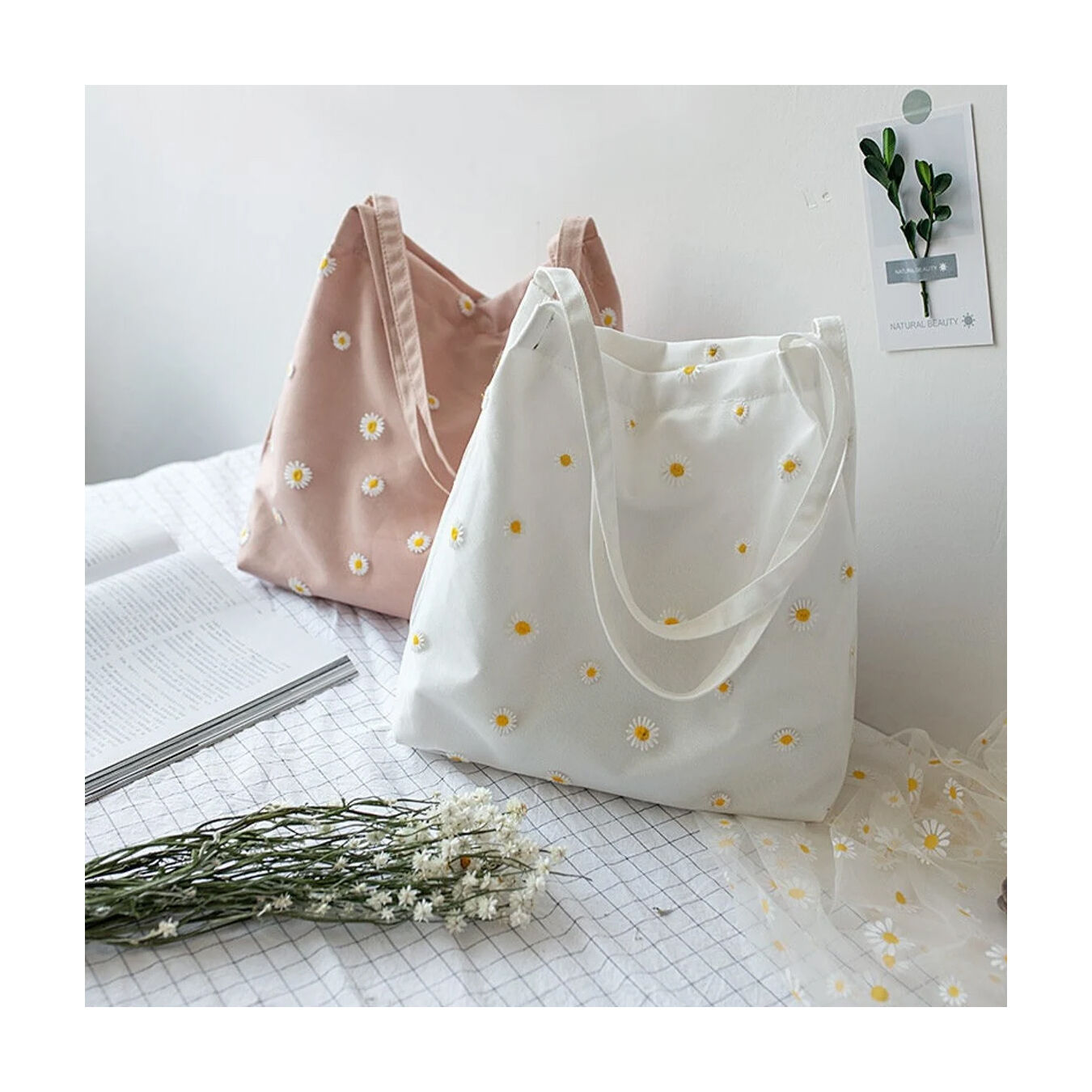
In the world of fashion and utility, the debate between choosing a canvas bag or a leather one is a perennial topic for commuters, travelers, and students alike. While leather has long been synonymous with luxury and corporate professionalism, the modern industrial landscape has seen a massive surge in the preference for high-quality textiles. Choosing the right material isn't just about aesthetics; it is about matching the physical properties of the fabric to the specific demands of your lifestyle.
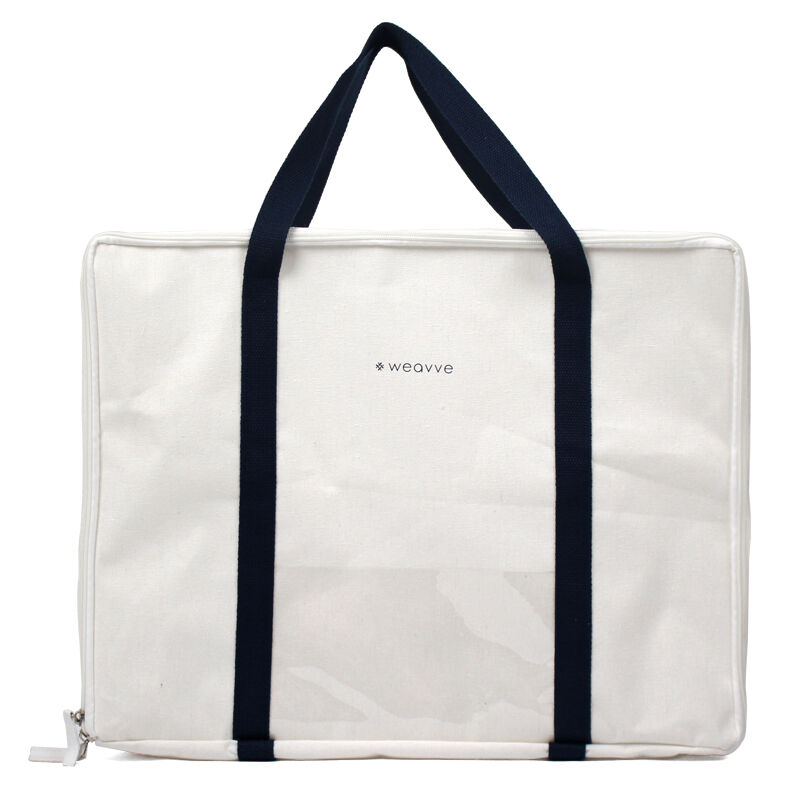
The decision to opt for a canvas bag often boils down to the need for a lightweight, breathable, and highly adaptable carrier. Unlike leather, which can be heavy even when empty, canvas offers a high strength-to-weight ratio that makes it the superior choice for long days on your feet. As we dive deeper into the practical applications of these materials, it becomes clear that canvas serves a unique set of needs that leather simply cannot fulfill due to its rigid nature and maintenance requirements.
Weight Efficiency and All-Day Portability
One of the most immediate benefits of selecting a canvas bag is the significant reduction in physical strain. Leather is a dense, organic material; a standard leather briefcase or tote can weigh several pounds before you even place a laptop or book inside. For individuals who commute via public transit or walk long distances, this extra weight contributes to shoulder fatigue and back pain over time.
Canvas, typically made from cotton or a linen-synthetic blend, provides a featherlight alternative. This lightness makes the canvas bag the ideal companion for scenarios where mobility is the priority, such as urban exploring, attending multi-day conferences, or navigating a busy campus. Because the material is flexible, it also conforms better to the body’s movements, offering a more ergonomic experience during active use.
Comparative Analysis: Canvas vs. Leather
To help you decide which material aligns with your specific needs, the following table breaks down the core performance metrics of both materials across common daily scenarios.
| Feature | Canvas Bag | Leather Bag |
| Empty Weight | Ultra-lightweight | Heavy / Substantial |
| Breathability | High (prevents moisture buildup) | Low (can trap heat/sweat) |
| Maintenance | Machine washable / Spot clean | Requires specialized conditioners |
| Flexibility | High (can be folded or stuffed) | Low (retains fixed shape) |
| Initial Cost | Budget-friendly to Mid-range | High investment |
| Eco-Impact | Biodegradable (natural cotton) | High chemical tanning process |
Versatility in Casual and Outdoor Environments
The environment in which you operate plays a massive role in material selection. A canvas bag thrives in casual and semi-casual settings where a leather bag might feel too precious or stiff. For outdoor activities like picnics, beach trips, or visits to the farmer's market, canvas is the undisputed winner. It is inherently more resistant to the scuffs and scratches that occur when a bag is placed on grass, sand, or concrete.
Furthermore, canvas is a breathable fabric. If you are carrying gym clothes, a damp towel, or groceries, a canvas carrier allows for air circulation, which prevents the development of mildew or stale odors. Leather, being non-porous, tends to trap moisture and smells inside, which can damage the interior lining and the leather itself. For any application involving "messy" cargo or high humidity, the textile option provides a level of hygiene and ease that leather lacks.
Maintenance, Longevity, and Easy Care
Perhaps the most practical reason to choose a canvas bag over leather is the ease of maintenance. Leather is a demanding material; it requires regular conditioning to prevent cracking, specialized cleaners to remove stains, and careful storage to avoid mold. If a leather bag gets soaked in a rainstorm, it can be permanently ruined if not dried and treated correctly.
In contrast, most canvas bags are designed for "toss-and-go" maintenance. If your bag gets dirty, a simple cycle in the washing machine or a scrub with soapy water usually restores it to its original condition. This makes it a far more resilient choice for parents, students, or anyone with a high-intensity schedule who doesn't have the time for a multi-step leather care routine. Even as canvas ages, it tends to look "distressed" in a stylish, intentional way, whereas aged leather without proper care often just looks neglected.
Frequently Asked Questions (FAQ)
Is a canvas bag durable enough to carry a heavy laptop?
Yes, provided you choose a bag with a high "ounce" weight (such as 12oz or 16oz canvas). Industrial-grade canvas is incredibly strong and is frequently used for sails and tents. As long as the stitching at the stress points—like where the handles meet the body—is reinforced, a canvas carrier can easily support the weight of modern electronics and heavy textbooks.
How does canvas perform in rainy weather compared to leather?
While standard cotton canvas is not waterproof, it is often treated with a water-repellent coating or wax (waxed canvas) to make it highly water-resistant. In a heavy downpour, untreated canvas will absorb water, but it also dries quickly and doesn't "bubble" or "tarnish" like leather. For maximum protection, look for bags that feature a nylon lining inside the canvas shell.
Can a canvas bag be professional enough for the office?
Absolutely. The modern "work-casual" trend has made high-end canvas bags perfectly acceptable in most corporate environments. Designers now produce structured canvas briefcases with leather accents that provide the "best of both worlds"—the professional look of leather with the lightweight practicality of canvas.
Which material is better for the environment?
Generally, natural cotton canvas is more eco-friendly than leather. Leather production involves a heavy chemical tanning process (often using chromium) and has a significant carbon footprint due to livestock farming. Natural canvas is biodegradable and can be sourced from organic farms, making it a preferred choice for the environmentally conscious consumer.
Making the Final Decision
Choosing between these two materials ultimately depends on your priorities for the day. If your goal is to make a high-status fashion statement at a formal gala or a high-stakes board meeting, the weight and maintenance of leather may be a sacrifice worth making. However, for 90% of daily life—commuting, traveling, studying, and socializing—the canvas bag offers a superior balance of comfort, durability, and ease. By selecting canvas, you are choosing a tool that works for you, rather than a luxury item that requires you to work for it.