
 EN
EN




Canvas bag materials have achieved remarkable durability standards in 2026 through advanced textile engineering and innovative manufacturing processes that address the core weaknesses of traditional canvas construction. The integration of synthetic fiber reinforcements, improved weaving techniques, and protective coating technologies has transformed canvas from a basic cotton fabric into a high-performance material capable of withstanding extreme conditions while maintaining the classic aesthetic that consumers value.
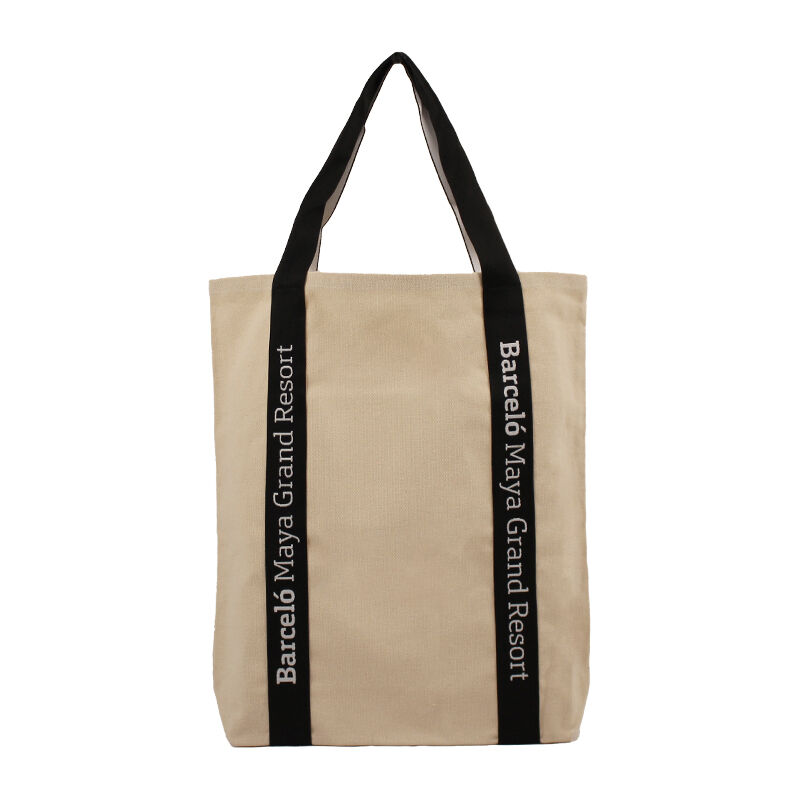
Modern canvas bag durability stems from a fundamental understanding of fiber science combined with decades of real-world testing data that has identified specific failure modes and stress concentration points. Manufacturers now engineer canvas materials with predetermined load distribution patterns and molecular-level bonding enhancements that prevent the catastrophic tearing and handle separation issues that plagued earlier canvas bag designs throughout the 2010s and early 2020s.
Advanced Fiber Engineering in Modern Canvas Construction
Hybrid Fiber Matrix Technology
The breakthrough in canvas bag durability centers on hybrid fiber matrix technology that combines natural cotton fibers with strategically placed synthetic reinforcements at the molecular level. This approach maintains the breathable, comfortable feel of traditional canvas while introducing tensile strength characteristics that rival industrial textiles. The synthetic components, typically consisting of polyester or nylon microfibers, are woven into the cotton base at specific intervals determined by computational stress analysis.
Manufacturing facilities now utilize computer-controlled looms that can adjust fiber density and weave patterns in real-time based on the intended stress zones of the final canvas bag design. High-stress areas such as handle attachment points and corner reinforcements receive additional synthetic fiber content, while the main body panels maintain a higher cotton ratio for comfort and appearance. This selective reinforcement approach allows a single canvas bag to handle varying load conditions without compromising its aesthetic appeal or increasing manufacturing costs unnecessarily.
Molecular Bonding Enhancement Processes
The durability improvements in 2026 canvas bag materials also result from advanced molecular bonding processes that create stronger inter-fiber connections without relying on chemical adhesives or coatings that can degrade over time. Plasma treatment technology allows manufacturers to modify the surface characteristics of individual cotton and synthetic fibers before the weaving process, creating microscopic bonding sites that dramatically increase the fabric's resistance to tearing and fraying.
These molecular modifications occur at the nanoscale level and do not alter the visual or tactile properties of the finished canvas material. The enhanced fiber-to-fiber bonding prevents the progressive weakening that occurs in traditional canvas when individual threads begin to separate under repeated stress cycles. This technology has effectively eliminated the gradual deterioration pattern that previously limited canvas bag lifespan to two or three years of regular use.
Revolutionary Weaving Techniques and Pattern Optimization
Multi-Directional Load Distribution Weaves
Contemporary canvas bag manufacturing employs sophisticated weaving patterns that distribute mechanical loads across multiple fiber directions simultaneously, eliminating the weak points that traditionally caused canvas failures. The standard plain weave pattern used in earlier canvas bag production created predictable stress concentration points where perpendicular threads intersected, leading to localized failure under heavy loads or repeated flexing.
Modern canvas bag materials utilize complex weaving algorithms that incorporate diagonal and spiral fiber orientations within the traditional warp and weft structure. This multi-directional approach ensures that any applied force is immediately distributed across numerous fiber paths, preventing the cascade failures that occurred when a single thread or group of threads reached their breaking point. The resulting canvas material can handle impact loads and sharp-edged contents without developing the characteristic corner tears or handle separation issues common in previous generations.
Adaptive Tension Control Systems
The weaving process itself has been revolutionized through adaptive tension control systems that monitor and adjust thread tension in real-time during fabric production. These systems prevent the uneven tension patterns that previously created weak zones within canvas materials, particularly at the transitions between different weave densities or fiber compositions. Consistent thread tension throughout the weaving process ensures uniform load-bearing capacity across the entire canvas bag surface.
Advanced tension monitoring also enables manufacturers to create canvas materials with graduated stiffness characteristics, where high-flex areas such as fold lines and gussets receive slightly different tension parameters to enhance their flexibility without compromising strength. This approach has significantly reduced the stress cracking and fiber separation that occurred at fold lines in traditional canvas bag designs, extending the functional lifespan of modern canvas bags by eliminating common failure modes.
Protective Coating and Surface Treatment Innovations
Nano-Scale Protective Barriers
The exceptional durability of 2026 canvas bag materials stems partly from breakthrough nano-scale coating technologies that provide comprehensive protection against environmental degradation without altering the fabric's appearance or breathability characteristics. These molecular-level barriers prevent UV radiation, moisture, and chemical contaminants from penetrating the fiber structure while maintaining the natural cotton feel that consumers expect from canvas products.
Unlike traditional fabric treatments that created visible surface layers or altered the fabric's texture, nano-scale protective barriers integrate directly with the fiber molecules during the final manufacturing stage. This integration approach ensures that the protective properties remain effective throughout the canvas bag's service life, as the barriers cannot wear off or separate from the base material through normal use or cleaning processes.
Self-Healing Polymer Integration
A significant advancement in canvas bag durability involves the integration of self-healing polymer compounds within the fabric structure that can automatically repair minor tears and punctures without external intervention. These polymers remain dormant during normal use but activate when the fabric experiences mechanical damage, flowing into tear sites and cross-linking to restore structural integrity.
The self-healing capability addresses one of the primary durability concerns with canvas bag materials: the tendency for small punctures or tears to propagate into major structural failures over time. Modern canvas bag designs can automatically seal minor damage caused by sharp objects, preventing the progressive deterioration that previously required immediate repair or replacement. This technology has proven particularly valuable in commercial and industrial applications where canvas bags encounter challenging environments on a regular basis.
Quality Control and Performance Validation Systems
Accelerated Aging Test Protocols
The reliability of modern canvas bag durability claims is supported by comprehensive accelerated aging test protocols that simulate years of real-world use within controlled laboratory environments. These testing systems expose canvas materials to extreme temperature cycles, UV exposure, mechanical flexing, and chemical contact scenarios that represent the accumulated stress of extended field use.
Manufacturers now utilize standardized testing procedures that correlate laboratory results with actual performance data collected from thousands of canvas bag users across diverse applications and environments. This empirical validation approach ensures that durability improvements translate into measurable performance benefits rather than theoretical enhancements that may not survive real-world conditions. The testing protocols have become increasingly sophisticated, incorporating machine learning algorithms that can predict failure modes and optimize material properties for specific use cases.
Real-Time Performance Monitoring
Advanced canvas bag designs now incorporate embedded sensors and smart materials that provide real-time feedback on structural integrity and wear patterns throughout the product's service life. These monitoring systems can detect microscopic changes in fiber alignment, tension distribution, and material degradation before visible damage occurs, enabling predictive maintenance and replacement planning.
The performance monitoring capabilities also provide valuable feedback to manufacturers regarding actual use patterns and failure modes, driving continuous improvements in canvas bag design and material selection. This closed-loop feedback system has accelerated the development of more durable canvas materials by providing detailed performance data that would have taken years to collect through traditional observation methods.
FAQ
What specific improvements make 2026 canvas bags more durable than previous versions?
The primary improvements include hybrid fiber matrix technology that combines natural cotton with synthetic reinforcements, advanced molecular bonding processes that strengthen inter-fiber connections, and multi-directional weaving patterns that distribute loads more effectively. Additionally, nano-scale protective coatings and self-healing polymer integration provide enhanced resistance to environmental damage and automatic repair of minor tears.
How do manufacturers test the durability claims of modern canvas bag materials?
Manufacturers employ accelerated aging test protocols that simulate years of use through controlled exposure to temperature cycles, UV radiation, mechanical stress, and chemical contact. These tests are validated against real-world performance data from thousands of users, and results are analyzed using machine learning algorithms to predict failure modes and optimize material properties for specific applications.
Can the durability enhancements in canvas bag materials be repaired if damage occurs?
Modern canvas bag materials incorporate self-healing polymer compounds that automatically repair minor punctures and tears without external intervention. For more significant damage, the improved fiber bonding and weaving techniques make traditional repair methods more effective and long-lasting. The enhanced material structure prevents small repairs from becoming failure points that compromise overall bag integrity.
Do the durability improvements affect the traditional look and feel of canvas bags?
The advanced manufacturing techniques preserve the classic appearance and tactile characteristics of traditional canvas while significantly enhancing performance. Nano-scale treatments and molecular modifications occur at levels invisible to human perception, and the hybrid fiber systems maintain high cotton content in visible areas. The resulting canvas bag materials feel and appear identical to traditional canvas while delivering superior durability and longevity.
Table of Contents
- Advanced Fiber Engineering in Modern Canvas Construction
- Revolutionary Weaving Techniques and Pattern Optimization
- Protective Coating and Surface Treatment Innovations
- Quality Control and Performance Validation Systems
-
FAQ
- What specific improvements make 2026 canvas bags more durable than previous versions?
- How do manufacturers test the durability claims of modern canvas bag materials?
- Can the durability enhancements in canvas bag materials be repaired if damage occurs?
- Do the durability improvements affect the traditional look and feel of canvas bags?