
 EN
EN



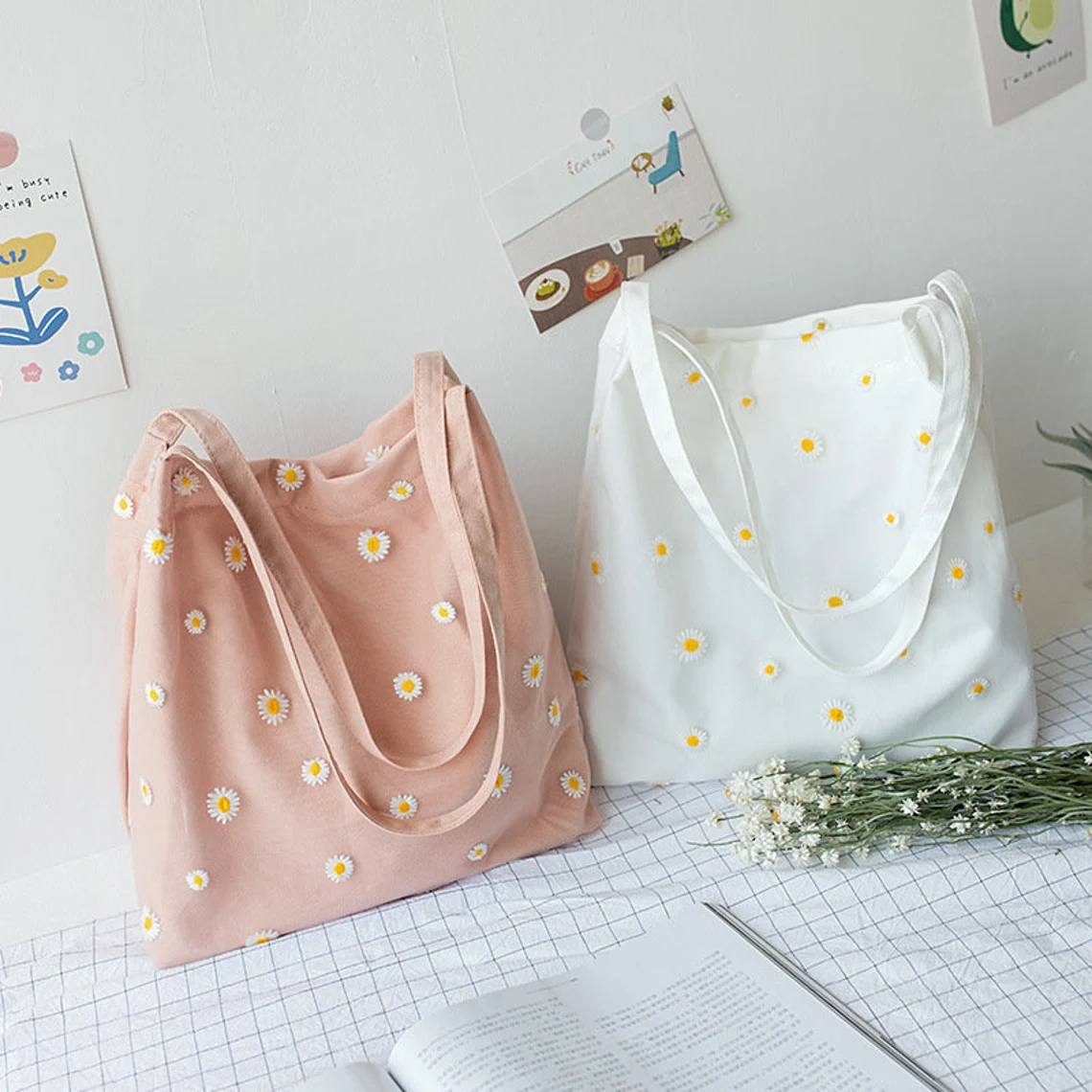
The canvas bag has experienced a remarkable resurgence in recent years, and by 2026, it has firmly established itself as a dominant choice in the retail, promotional, and everyday carry markets. This shift is driven by a convergence of environmental consciousness, regulatory pressures, evolving consumer values, and the inherent practical advantages that canvas bag products offer. Understanding why the canvas bag is becoming so popular requires examining multiple intersecting trends that are reshaping how businesses and consumers approach packaging, branding, and sustainability.

The popularity of the canvas bag in 2026 is not merely a fleeting fashion trend but reflects deeper structural changes in global commerce, consumer psychology, and environmental policy. From single-use plastic bans expanding across continents to corporate sustainability mandates and the rise of conscious consumerism, the canvas bag has emerged as a practical solution that aligns economic viability with ecological responsibility. This article explores the key drivers behind this phenomenon, examining environmental imperatives, regulatory frameworks, consumer behavior shifts, material advantages, and the strategic value that canvas bag solutions provide to businesses seeking to align with contemporary market expectations.
Environmental Imperatives Driving Canvas Bag Adoption
Global Plastic Pollution Crisis and Consumer Awareness
The environmental crisis caused by single-use plastics has reached unprecedented levels of public awareness by 2026, creating a powerful market force favoring reusable alternatives like the canvas bag. Consumers are now acutely aware that plastic bags persist in ecosystems for hundreds of years, contaminate oceans, harm wildlife, and contribute to microplastic pollution in food chains. This awareness has translated into active purchasing decisions, with surveys consistently showing that a majority of consumers prefer businesses that offer sustainable packaging options. The canvas bag serves as a visible symbol of environmental responsibility, allowing users to demonstrate their commitment to reducing waste with every shopping trip or daily commute.
Environmental advocacy groups and media coverage have amplified the urgency of transitioning away from disposable plastics, making the canvas bag not just an alternative but an expected standard in many retail contexts. Educational campaigns highlighting ocean plastic islands, wildlife entanglement, and ecosystem degradation have created a cultural shift where carrying a reusable canvas bag is seen as socially responsible behavior. This transformation in public consciousness has created tremendous market demand for durable, washable, and reusable carrying solutions, positioning the canvas bag as the primary beneficiary of this environmental awakening.
Carbon Footprint Considerations and Lifecycle Analysis
Beyond immediate waste concerns, the canvas bag benefits from favorable lifecycle carbon footprint analysis when used repeatedly over time. While the initial production of a canvas bag requires more resources than a single plastic bag, lifecycle assessments demonstrate that canvas bag products become environmentally superior after relatively few uses—typically between 50 and 150 uses depending on the comparison methodology. By 2026, businesses and consumers have become more sophisticated in understanding these lifecycle calculations, recognizing that the true environmental cost must account for the entire product journey from raw material extraction through disposal or recycling.
The durability of canvas bag materials means that a single bag can replace thousands of disposable alternatives over its useful life, dramatically reducing the cumulative environmental impact per use. This mathematical reality has become central to corporate sustainability reporting, where companies can demonstrate measurable reductions in packaging waste and carbon emissions by transitioning to reusable canvas bag systems. The transparency of these calculations has helped overcome initial cost concerns, as the long-term environmental and economic benefits become clear through data-driven analysis that resonates with both B2B procurement teams and environmentally conscious consumers.
Circular Economy Principles and Material Sustainability
The canvas bag aligns perfectly with circular economy principles that have gained significant traction in policy and business strategy by 2026. Unlike linear take-make-dispose models, circular approaches emphasize durability, reuse, repair, and eventual recycling or composting of materials. Canvas, typically made from cotton or cotton blends, is a natural fiber that can biodegrade at end-of-life or be repurposed through textile recycling programs. This inherent compatibility with circular economy frameworks makes the canvas bag an ideal material choice for organizations committed to reducing their environmental footprint while maintaining functional utility.
Furthermore, the canvas bag manufacturing process has become increasingly sustainable through innovations in organic cotton cultivation, water-efficient production methods, and fair labor practices. Many manufacturers now offer canvas bag options using organic or recycled cotton, further reducing environmental impact and appealing to conscious consumers who scrutinize supply chain ethics. This holistic approach to sustainability—encompassing material sourcing, production methods, product longevity, and end-of-life management—positions the canvas bag as a comprehensive solution rather than a simple plastic substitute.
Regulatory and Policy Frameworks Accelerating Canvas Bag Demand
Plastic Ban Legislation and Compliance Requirements
The regulatory landscape has undergone dramatic transformation leading into 2026, with plastic bag bans and restrictions now implemented across hundreds of jurisdictions worldwide. These regulations range from outright bans on single-use plastic bags to fees and taxes designed to discourage their use, creating powerful market incentives that favor reusable alternatives like the canvas bag. Businesses operating in multiple markets must navigate complex compliance requirements, and many have concluded that standardizing on reusable canvas bag solutions offers operational simplicity while ensuring regulatory compliance across diverse geographical regions.
The enforcement of these regulations has intensified significantly, with penalties for non-compliance creating genuine financial risk for businesses that fail to transition away from prohibited plastic products. Retailers, grocers, and promotional product suppliers have responded by investing in canvas bag inventory and supply chains, recognizing that regulatory momentum will only increase in coming years. This regulatory pressure has effectively made the canvas bag a business necessity rather than an optional sustainability initiative, driving massive growth in demand and manufacturing capacity throughout the industry.
Extended Producer Responsibility and Packaging Mandates
Extended Producer Responsibility (EPR) frameworks, which hold manufacturers and retailers accountable for the entire lifecycle of their packaging, have expanded considerably by 2026. Under these policies, businesses must demonstrate concrete plans for reducing packaging waste, increasing reuse rates, and managing end-of-life disposal. The canvas bag directly addresses these requirements by shifting from disposable to reusable packaging models, allowing companies to dramatically reduce their packaging waste footprint and comply with increasingly stringent EPR mandates.
These regulatory frameworks often include specific targets for waste reduction and reuse percentages, creating quantifiable performance metrics that businesses must meet. Transitioning customers to canvas bag usage provides measurable progress toward these targets, with each canvas bag potentially eliminating hundreds or thousands of disposable bags from the waste stream. This alignment between regulatory requirements and canvas bag adoption has created a virtuous cycle where policy drives demand, which in turn stimulates manufacturing innovation and cost reduction, making canvas bag solutions increasingly accessible across market segments.
Corporate Sustainability Reporting and ESG Compliance
Environmental, Social, and Governance (ESG) reporting has become a critical business function by 2026, with investors, customers, and stakeholders demanding transparency regarding corporate environmental impact. The adoption of canvas bag programs provides tangible, quantifiable evidence of sustainability commitment that can be prominently featured in ESG disclosures and corporate responsibility reports. Companies can report specific metrics such as the number of disposable bags eliminated, carbon emissions reduced, and waste diverted from landfills through their canvas bag initiatives.
This reporting imperative creates internal organizational pressure to adopt sustainable alternatives like the canvas bag, as sustainability officers and executive leadership seek credible initiatives that demonstrate measurable environmental progress. The visibility and comprehensibility of canvas bag programs make them attractive targets for corporate sustainability investment, as they provide clear narrative value alongside quantifiable impact. For publicly traded companies and organizations competing for environmentally conscious customers, the canvas bag has become a standard component of comprehensive sustainability strategies that address stakeholder expectations and regulatory requirements simultaneously.
Consumer Behavior Shifts and Market Psychology
Values-Driven Purchasing and Brand Alignment
Consumer behavior has fundamentally shifted by 2026, with purchasing decisions increasingly influenced by values alignment and brand authenticity around environmental issues. Modern consumers, particularly younger demographics, actively seek brands that demonstrate genuine commitment to sustainability rather than superficial greenwashing. The canvas bag serves as a tangible expression of this commitment, providing a physical artifact that consumers can use daily while associating positive environmental values with the brand that provided it. This psychological connection transforms the canvas bag from a functional item into a brand ambassador that reinforces positive perceptions with every use.
The willingness to pay premium prices for sustainable products has grown substantially, with research indicating that significant consumer segments will accept higher costs for products that align with their environmental values. While canvas bag options may have higher upfront costs than disposable alternatives, consumers increasingly view this investment as worthwhile, both for the functional longevity and the values expression it represents. This shift in consumer psychology has eliminated price as a primary barrier to canvas bag adoption, instead positioning quality, durability, and sustainability credentials as the dominant purchasing criteria that drive market growth.
Social Signaling and Lifestyle Integration
The canvas bag has transcended pure functionality to become a lifestyle accessory and social signaling device by 2026. Carrying a well-designed canvas bag communicates environmental consciousness, aesthetic sensibility, and alignment with contemporary cultural values. This social dimension has driven demand for canvas bag products that combine practical functionality with attractive design, leading to innovations in printing, customization, and fashion-forward styling that appeal to diverse consumer segments. The canvas bag is no longer simply a shopping tool but an integrated component of personal style and identity expression.
Social media has amplified this phenomenon, with influencers, sustainability advocates, and everyday users sharing images of their canvas bag collections and promoting reusable lifestyle choices to their networks. This organic social promotion has created a positive feedback loop where canvas bag visibility increases adoption, which in turn generates more social content, further normalizing and popularizing reusable bag usage. The canvas bag has benefited enormously from this cultural momentum, transitioning from niche environmental product to mainstream consumer staple through the power of social proof and community-driven behavior change.
Convenience and Habit Formation
As canvas bag usage has become more widespread, the infrastructure supporting reusable bag habits has improved dramatically by 2026. Retailers have implemented reminder systems, bag-check facilities, and incentive programs that make canvas bag usage more convenient than disposable alternatives. This infrastructure development has addressed historical barriers around remembering to bring bags, storing them convably, and maintaining hygiene—concerns that previously limited canvas bag adoption despite environmental awareness.
The formation of habitual canvas bag usage represents a critical behavioral tipping point that solidifies long-term market demand. Once consumers integrate canvas bag usage into their daily routines—keeping bags in vehicles, near entry points, or in everyday carry items—the behavior becomes automatic and self-reinforcing. This habit formation is supported by the practical advantages of canvas bag products, including superior carrying capacity, comfort, and durability compared to disposable alternatives. As more consumers cross this behavioral threshold, the market for canvas bag products continues expanding while simultaneously reducing demand for single-use packaging across retail sectors.
Material and Functional Advantages of Canvas Bag Products
Durability and Load-Bearing Capacity
The inherent material properties of canvas provide substantial functional advantages that contribute to growing canvas bag popularity in 2026. Canvas fabric, traditionally woven from cotton or cotton-blend fibers, offers exceptional tensile strength and durability that far exceeds synthetic disposable alternatives. A quality canvas bag can safely carry heavy loads—often 20 to 50 pounds or more—without tearing or handle failure, making it suitable for grocery shopping, library visits, market trips, and general transportation needs. This load-bearing capacity addresses practical consumer needs while simultaneously delivering on sustainability promises.
The durability of canvas bag construction means that a single bag can withstand years of regular use, exposure to varied weather conditions, and repeated washing cycles without significant degradation. This longevity directly translates to economic value for consumers and reduced lifecycle costs for businesses that provide canvas bag options to customers or employees. The reliability of canvas bag products builds user trust and satisfaction, encouraging repeat usage and positive word-of-mouth recommendations that further accelerate market penetration across diverse applications and industries.
Washability and Hygiene Maintenance
Hygiene concerns have historically limited reusable bag adoption, but the washability of canvas bag materials effectively addresses these concerns by 2026. Unlike some synthetic reusable bags that degrade with washing or retain odors, canvas bag products can typically be machine washed or hand cleaned using conventional detergents, allowing users to maintain sanitary conditions for food transport and general use. This maintenance capability has become particularly important in the post-pandemic environment where consumers maintain heightened awareness of surface contamination and cleanliness protocols.
The natural antibacterial properties of certain canvas treatments and the ability to thoroughly clean canvas bag surfaces have positioned these products as hygienically superior to both disposable plastic bags (which are used once but may contact contaminated surfaces) and non-washable reusables (which may harbor bacteria over time). Manufacturers have enhanced these properties through antimicrobial treatments and design features like removable linings, further addressing hygiene concerns and expanding the applications for which canvas bag products are considered appropriate and safe.
Customization and Branding Opportunities
The canvas bag surface provides an exceptional medium for printing, embroidery, and customization, creating valuable branding opportunities that drive B2B demand in the promotional products sector. The natural texture and color retention properties of canvas fabric allow for high-quality graphics reproduction, vibrant color application, and durable brand messaging that withstands extended use and washing. This makes the canvas bag an ideal promotional item, corporate gift, event giveaway, and retail merchandise option that delivers sustained brand visibility over the product's multi-year lifespan.
By 2026, businesses have recognized that providing branded canvas bag products generates significantly more impressions and positive brand associations than disposable packaging or short-lived promotional items. The functional utility of canvas bag products ensures that recipients actually use them regularly, creating repeated brand exposure in diverse public settings. This marketing efficiency, combined with the positive sustainability associations of canvas bag materials, makes customized canvas bag products a strategic investment in brand building and customer relationship development that justifies higher per-unit costs through superior lifetime value and engagement metrics.
Strategic Business Value and Market Positioning
Competitive Differentiation Through Sustainability Leadership
In the increasingly competitive marketplace of 2026, businesses leverage canvas bag programs as differentiation strategies that distinguish them from competitors still relying on disposable packaging. Early adopters of canvas bag solutions have established sustainability leadership positions within their industries, attracting environmentally conscious customers and generating positive media coverage. This first-mover advantage has proven difficult for competitors to overcome, as sustainability leadership requires authentic commitment and operational changes that cannot be quickly replicated through marketing alone.
The canvas bag serves as a visible, tangible proof point of sustainability commitment that resonates more powerfully with customers than abstract environmental claims or certifications. When customers carry a branded canvas bag from a retailer, they become voluntary brand ambassadors who demonstrate their approval of that company's environmental values to their social networks. This organic advocacy creates compounding marketing value that extends far beyond the initial transaction, building brand equity and customer loyalty that translate to sustained competitive advantage in markets where sustainability has become a primary purchase consideration.
Cost-Benefit Analysis and Long-Term Economics
While the upfront cost of canvas bag products exceeds that of disposable alternatives, comprehensive economic analysis reveals compelling long-term value propositions by 2026. For retailers, the elimination of disposable bag costs—including procurement, storage, and disposal expenses—can offset or exceed the investment in reusable canvas bag programs, particularly when factoring in avoided regulatory penalties and waste management fees. For consumers, the multi-year lifespan of a canvas bag eliminates the need for repeated disposable bag purchases, whether through direct fees or embedded product costs.
Sophisticated financial modeling now demonstrates that canvas bag programs generate positive returns on investment within relatively short timeframes, typically one to three years depending on usage patterns and program structure. This economic reality has accelerated canvas bag adoption among cost-conscious businesses that initially viewed sustainability initiatives as pure expense rather than strategic investment. The alignment of environmental benefits with financial returns creates powerful internal advocacy for canvas bag programs across organizational functions, from procurement and operations to marketing and executive leadership.
Supply Chain Resilience and Sourcing Flexibility
The maturation of canvas bag manufacturing and supply chains by 2026 has created robust sourcing options that provide businesses with supply security and flexibility. Multiple manufacturing regions, diversified material sources, and established quality standards have eliminated the supply uncertainty that characterized early reusable bag markets. Businesses can now source canvas bag products with confidence in quality consistency, delivery reliability, and pricing stability, factors that are essential for operational planning and customer satisfaction.
The global canvas bag supply chain has also benefited from increased manufacturing capacity and technological improvements that have reduced production costs while maintaining quality standards. This capacity expansion has eliminated supply bottlenecks and reduced lead times, making canvas bag programs more operationally feasible for businesses of all sizes. The availability of canvas bag options across price points, quality tiers, and customization levels allows organizations to select solutions that align with their specific brand positioning, budget constraints, and sustainability objectives without compromising on essential functional requirements.
FAQ
What makes canvas bag more sustainable than other reusable bag materials?
The canvas bag offers superior sustainability compared to many synthetic reusable alternatives because it is typically made from natural cotton fibers that are renewable, biodegradable, and compatible with circular economy principles. Unlike polypropylene or nylon bags that are petroleum-derived and persist in environments for extended periods, canvas bag materials can decompose naturally at end-of-life or be recycled through textile recovery programs. Additionally, organic cotton canvas options minimize pesticide use and water consumption during cultivation, further reducing environmental impact. The durability of canvas bag construction ensures that the environmental cost of production is amortized over many years of use, typically thousands of applications, resulting in favorable lifecycle assessments that demonstrate clear environmental superiority over both disposable and many synthetic reusable alternatives when usage patterns support their longevity advantage.
How long does a typical canvas bag last with regular use?
A quality canvas bag can last between three to ten years or longer with regular use, depending on construction quality, usage intensity, and maintenance practices. Canvas bag products designed for grocery shopping or everyday carry typically withstand hundreds of uses and multiple washing cycles before showing significant wear. The key factors affecting longevity include fabric weight and weave density, handle construction and attachment methods, and stress point reinforcement at seams and corners. Higher-quality canvas bag options with reinforced stitching, robust handle materials, and heavier fabric weights naturally deliver extended service life. Proper care practices, including periodic washing, avoiding overloading beyond capacity limits, and storing in dry conditions, can significantly extend canvas bag lifespan. This durability represents a fundamental value proposition that justifies the higher initial investment compared to disposable alternatives, as the per-use cost decreases dramatically over the extended functional life of a well-made canvas bag.
Can canvas bag products be effectively customized for corporate branding?
Yes, canvas bag products offer exceptional customization opportunities that make them ideal for corporate branding, promotional campaigns, and event marketing. The natural canvas bag surface accepts various printing methods including screen printing, heat transfer, and digital printing, allowing for vibrant color reproduction, detailed graphics, and durable brand messaging. Embroidery options provide premium tactile quality for logos and text, creating elevated brand presentations suitable for executive gifts or high-value client appreciation programs. The customization versatility of canvas bag materials enables businesses to create distinctive branded items that align with their visual identity while delivering functional value to recipients. Importantly, the longevity of canvas bag products ensures that branded messages remain visible for years, generating sustained impression value that far exceeds disposable packaging or short-lived promotional items. This combination of customization flexibility, functional utility, and extended brand exposure makes the canvas bag one of the most effective promotional product categories for organizations seeking to build brand awareness while demonstrating environmental responsibility through their marketing investments.
Are there any limitations or drawbacks to using canvas bag products?
While canvas bag products offer numerous advantages, certain limitations should be considered for specific applications. Canvas bag materials are more susceptible to moisture absorption than synthetic alternatives, which can be problematic in extremely wet conditions or for storing damp items, though many modern canvas bag products incorporate water-resistant treatments or coatings that mitigate this concern. The weight of canvas bag products, particularly high-quality heavy-duty options, exceeds that of ultra-lightweight synthetic reusables, which may matter for applications where storage space or carrying weight is severely constrained. Initial cost represents another consideration, as canvas bag products typically require higher upfront investment than disposable or thin synthetic alternatives, though this cost differential is offset by extended lifespan and repeated use value. Finally, canvas bag products require periodic washing to maintain hygiene, adding a maintenance requirement that some users may find inconvenient compared to disposable options. However, for the vast majority of applications and users, these limitations are minor compared to the environmental benefits, durability advantages, and aesthetic appeal that drive the increasing popularity of canvas bag solutions in 2026.