
 EN
EN



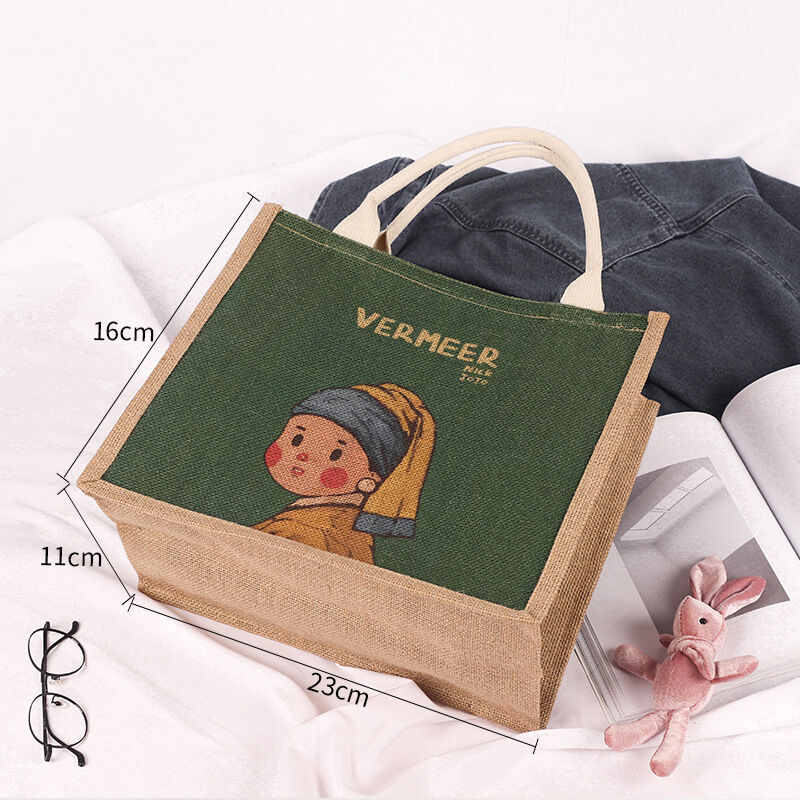
A polyester bag represents one of the most versatile and widely-used synthetic textile products in modern manufacturing, combining exceptional durability with cost-effective production methods. Understanding what constitutes a polyester bag and the intricate manufacturing processes behind its creation has become increasingly important as businesses seek sustainable yet reliable packaging and carrying solutions. The polyester bag industry has evolved significantly, incorporating advanced manufacturing techniques that enhance both performance characteristics and environmental considerations while maintaining the fundamental properties that make these products indispensable across numerous applications.
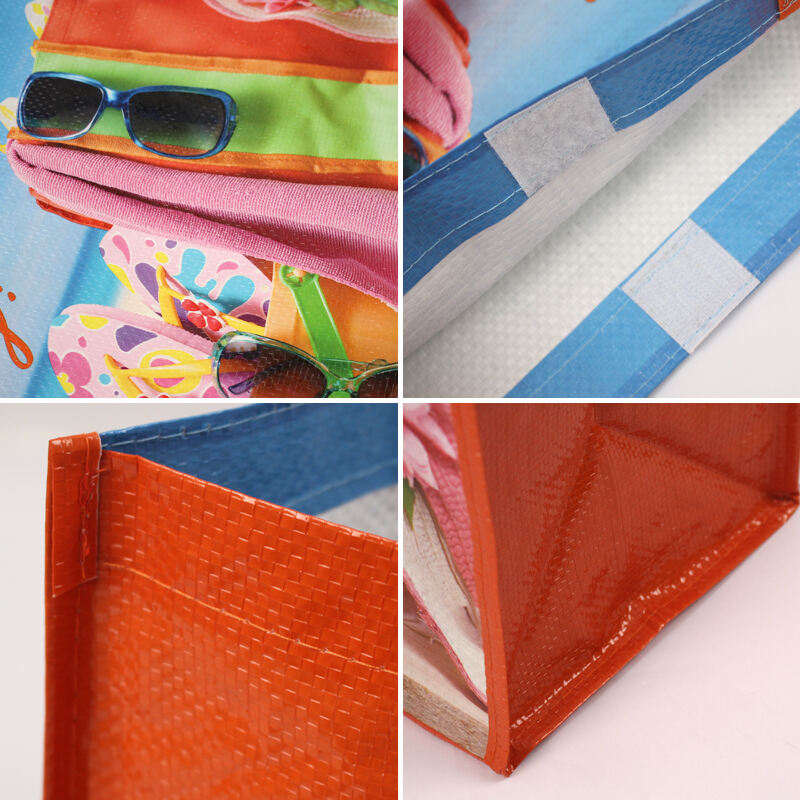
The contemporary manufacturing landscape for polyester bag production has embraced technological innovations that streamline production while addressing quality control and consistency demands. Modern polyester bag manufacturing integrates sophisticated polymer processing techniques with precision engineering to create products that meet stringent performance specifications. These manufacturing advancements have revolutionized how polyester bag products are conceptualized, designed, and brought to market, ensuring that each polyester bag meets the demanding requirements of industrial applications, retail environments, and consumer use cases.
Understanding Polyester Bag Composition and Material Properties
Core Chemical Structure of Polyester Fibers
The foundation of every polyester bag lies in its molecular structure, primarily composed of polyethylene terephthalate (PET) polymers that form long-chain molecules through condensation polymerization reactions. These polymer chains create the distinctive characteristics that define polyester bag performance, including exceptional tensile strength, chemical resistance, and dimensional stability. The polyester bag material exhibits superior resistance to moisture absorption compared to natural fibers, maintaining structural integrity even in challenging environmental conditions. Manufacturing processes carefully control the molecular orientation during fiber formation to optimize the mechanical properties essential for polyester bag applications.
Modern polyester bag production utilizes various polymer grades specifically engineered for textile applications, with manufacturers selecting appropriate molecular weights and branching patterns to achieve desired performance characteristics. The crystalline structure within polyester fibers contributes significantly to the durability and wear resistance that makes polyester bag products suitable for repeated use cycles. Advanced polymer chemistry enables the incorporation of functional additives during the polymerization process, allowing polyester bag manufacturers to enhance properties such as UV resistance, antimicrobial performance, or flame retardancy without compromising the fundamental material advantages.
Physical and Mechanical Properties
A polyester bag demonstrates remarkable mechanical properties that stem from the inherent characteristics of the polyester fiber structure and the manufacturing processes employed in fabric formation. The tensile strength of polyester bag materials typically ranges from 4 to 9 grams per denier, providing excellent resistance to tearing and stretching under normal use conditions. The elastic recovery properties of polyester bag fabrics ensure that temporary deformation from loading does not result in permanent shape changes, maintaining the bag's functional geometry throughout its service life. These mechanical properties make polyester bag products particularly suitable for applications requiring consistent dimensional stability and load-bearing capacity.
The abrasion resistance of polyester bag materials significantly exceeds that of many natural fiber alternatives, contributing to extended product lifespan and reduced replacement frequency. Polyester bag fabrics exhibit excellent resistance to pilling and surface degradation, maintaining aesthetic appearance even after extended use and multiple cleaning cycles. The low moisture regain characteristic of polyester bag materials, typically less than 0.4% at standard atmospheric conditions, prevents the growth of mold and mildew while ensuring rapid drying times. Temperature stability represents another critical advantage, with polyester bag materials maintaining their properties across a wide temperature range suitable for most commercial and industrial applications.
Modern Manufacturing Processes and Production Techniques
Polymer Production and Fiber Formation
The manufacturing journey of a polyester bag begins with the production of polyethylene terephthalate polymer through the reaction of ethylene glycol with terephthalic acid or dimethyl terephthalate under controlled temperature and pressure conditions. Modern polyester bag production facilities utilize continuous polymerization processes that ensure consistent molecular weight distribution and minimize the presence of low-molecular-weight compounds that could affect final product performance. The molten polymer undergoes careful purification to remove catalyst residues and volatile compounds before proceeding to the fiber formation stage. Advanced process control systems monitor critical parameters such as intrinsic viscosity, color stability, and thermal properties to maintain the quality standards required for polyester bag applications.
Melt spinning represents the predominant method for converting polyester polymer into the continuous filaments used in polyester bag manufacturing, with the molten polymer forced through precision spinnerets to form individual fibers. The spinning process parameters, including temperature profiles, draw ratios, and cooling conditions, directly influence the final properties of polyester bag materials. Modern spinning lines incorporate advanced online monitoring systems that continuously assess fiber diameter, tensile properties, and surface characteristics to ensure consistency throughout production runs. The resulting polyester filaments undergo drawing processes that orient the polymer chains and develop the mechanical properties essential for polyester bag performance requirements.
Fabric Formation and Textile Processing
Converting polyester fibers into fabrics suitable for polyester bag manufacturing involves sophisticated textile processing operations that determine the final fabric structure and performance characteristics. Weaving represents the most common fabric formation method for polyester bag applications, with manufacturers selecting appropriate weave structures based on the intended end use and performance requirements. Plain weaves provide maximum fabric stability and tear resistance for heavy-duty polyester bag applications, while twill weaves offer enhanced drapability for fashion-oriented products. Modern weaving operations utilize computer-controlled looms that precisely control yarn tension, beat-up pressure, and fabric take-up to ensure consistent fabric quality and dimensional stability.
Alternative fabric formation methods such as knitting and nonwoven production provide additional options for specialized polyester bag applications requiring unique performance characteristics. Knitted polyester bag fabrics offer superior stretch and recovery properties suitable for applications requiring form-fitting characteristics or enhanced comfort during carrying. Nonwoven polyester bag materials produced through spunbond or needlepunch processes provide cost-effective solutions for single-use or limited-use applications while maintaining adequate strength and barrier properties. Heat-setting processes stabilize the fabric structure and eliminate residual stresses that could cause dimensional changes during subsequent processing or end use.
Dyeing and Chemical Finishing Operations
The dyeing process for polyester bag fabrics requires specialized techniques due to the hydrophobic nature of polyester fibers and their resistance to aqueous dye solutions at ambient conditions. High-temperature dyeing operations, typically conducted at temperatures between 120-140°C, enable disperse dyes to penetrate the polyester fiber structure and achieve uniform coloration throughout the fabric. Modern polyester bag manufacturing facilities employ continuous dyeing processes that provide excellent color consistency and reduced water consumption compared to traditional batch dyeing methods. Advanced color kitchen systems utilize spectrophotometric analysis to ensure precise color matching and minimize batch-to-batch variations that could affect the visual appearance of finished polyester bag products.
Chemical finishing treatments enhance the performance characteristics of polyester bag fabrics and provide additional functionality required for specific applications. Water-repellent finishes based on fluorochemical or silicone chemistries improve the resistance of polyester bag materials to moisture penetration while maintaining breathability. Antimicrobial treatments incorporate biocides that prevent the growth of bacteria and fungi, extending the hygienic service life of polyester bag products used in food service or medical applications. Soil-release finishes modify the surface characteristics of polyester bag fabrics to facilitate the removal of oily stains and improve overall cleanability, particularly important for reusable bag applications in retail and commercial environments.
Assembly and Construction Methods
Pattern Development and Cutting Operations
The transition from polyester fabric to finished polyester bag products requires precise pattern development that accounts for the specific characteristics of the material and the intended bag configuration. Computer-aided design systems enable polyester bag manufacturers to create optimized patterns that minimize fabric waste while ensuring adequate seam allowances and stress distribution in critical areas. Modern cutting operations utilize automated systems that precisely cut multiple fabric layers simultaneously, maintaining dimensional accuracy and edge quality essential for consistent assembly operations. Laser cutting technology provides exceptional precision for intricate polyester bag designs while sealing cut edges to prevent fraying during handling and assembly.
Pattern grading systems accommodate multiple size variations within a single polyester bag product line, ensuring consistent proportions and fit across the entire size range. Advanced nesting algorithms optimize fabric utilization by arranging pattern pieces to minimize waste while maintaining grain line requirements and fabric direction considerations. Quality control systems inspect cut pieces for dimensional accuracy, edge quality, and any fabric defects that could compromise the performance or appearance of the finished polyester bag. Automated handling systems transport cut pieces through the assembly process while maintaining proper identification and tracking to ensure correct component matching during construction.
Seaming and Assembly Techniques
The assembly of polyester bag components employs sophisticated sewing techniques specifically adapted for the characteristics of polyester materials and the performance requirements of the finished product. Lock-stitch seaming represents the most common assembly method for polyester bag construction, providing secure seam formation with excellent strength characteristics suitable for load-bearing applications. Modern industrial sewing machines incorporate computerized controls that maintain consistent stitch parameters throughout the seaming process, ensuring uniform seam strength and appearance across all polyester bag products. Specialized presser feet and feed mechanisms accommodate the specific handling characteristics of polyester fabrics and prevent fabric distortion during seaming operations.
Reinforcement techniques enhance the durability of critical stress points in polyester bag construction, with manufacturers employing bartacking, stress-point reinforcement patches, and strategic seam placement to distribute loads effectively. Heat-sealing operations provide alternative assembly methods for specific polyester bag applications, utilizing controlled temperature and pressure to create strong, waterproof seams without the need for thread. Ultrasonic welding technology enables the assembly of thermoplastic polyester bag components through molecular bonding, creating seams with strength characteristics comparable to the base material. Quality assurance protocols verify seam strength through standardized testing procedures that simulate real-world loading conditions and identify potential failure modes before products reach the market.
Quality Control and Testing Procedures
Raw Material Inspection and Verification
Comprehensive quality control for polyester bag manufacturing begins with rigorous inspection of incoming raw materials to ensure consistency with specified performance criteria and manufacturing requirements. Polyester fiber testing encompasses evaluation of tensile properties, elongation characteristics, moisture content, and dimensional stability to verify conformance with established specifications. Advanced testing equipment measures critical fiber parameters such as denier variation, crimp characteristics, and surface friction properties that directly influence subsequent processing operations and final polyester bag performance. Incoming inspection procedures also verify the absence of contamination or foreign materials that could compromise product quality or create processing difficulties during manufacturing operations.
Chemical analysis of polyester raw materials confirms polymer composition, molecular weight distribution, and the presence of additives or processing aids that affect material behavior during manufacturing and end use. Thermal analysis techniques evaluate the crystalline structure and thermal transitions of polyester materials to predict processing behavior and optimize manufacturing parameters. Color measurement systems ensure consistency of dyed polyester materials and verify conformance with established color standards and tolerances. Statistical process control methods track raw material quality trends and enable proactive adjustment of supplier specifications to maintain consistent polyester bag quality.
In-Process Monitoring and Control
Continuous monitoring throughout the polyester bag manufacturing process ensures consistent product quality and enables rapid identification of process variations that could affect final product performance. Fabric formation processes undergo continuous monitoring of parameters such as yarn tension, fabric width, fabric weight per unit area, and surface characteristics to maintain conformance with established specifications. Automated inspection systems utilize vision technology to detect fabric defects, color variations, or surface irregularities that could compromise the appearance or performance of finished polyester bag products. Process control systems automatically adjust manufacturing parameters in response to detected variations, maintaining product consistency and minimizing waste generation.
Assembly operations incorporate in-line quality checks that verify seam formation, dimensional accuracy, and component alignment before products proceed to subsequent manufacturing stages. Seam strength testing equipment randomly samples polyester bag seams throughout production runs to ensure consistent assembly quality and identify potential equipment maintenance requirements. Digital imaging systems document product configuration and enable traceability throughout the manufacturing process, facilitating rapid identification and correction of quality issues. Statistical quality control methods analyze process data to identify trends and optimize manufacturing parameters for improved efficiency and product consistency.
FAQ
What materials are used to make a polyester bag?
A polyester bag is primarily made from polyethylene terephthalate (PET) polymers that are processed into continuous filaments through melt spinning operations. The manufacturing process begins with the polymerization of ethylene glycol and terephthalic acid to form the base polymer, which is then converted into fibers and subsequently woven or knitted into fabric. Additional materials may include dyes for coloration, chemical finishes for enhanced performance, and hardware components such as zippers, handles, or reinforcement materials depending on the specific polyester bag design and application requirements.
How long does it take to manufacture a polyester bag?
The complete manufacturing timeline for a polyester bag varies significantly depending on the complexity of the design, production volume, and specific manufacturing processes employed. Polymer production and fiber formation typically require 24-48 hours for continuous processing operations, while fabric formation and finishing can add an additional 2-5 days depending on the specific textile processes required. Assembly and finishing operations for a standard polyester bag generally require 2-4 hours per unit for complex designs, though automated assembly lines can significantly reduce per-unit processing time for high-volume production runs.
What are the main advantages of polyester bags compared to other materials?
Polyester bag products offer several distinct advantages over alternatives made from natural fibers or other synthetic materials, including superior moisture resistance, excellent dimensional stability, and outstanding durability under normal use conditions. The low moisture absorption characteristics of polyester bag materials prevent the growth of mold and mildew while enabling rapid drying after cleaning or exposure to moisture. Additionally, polyester bag products demonstrate excellent resistance to UV radiation, chemicals, and abrasion, resulting in extended service life and reduced replacement frequency compared to many alternative materials.
Can polyester bags be recycled after their useful life?
Modern polyester bag products are increasingly designed with end-of-life recyclability considerations, as polyethylene terephthalate polymers can be mechanically recycled through collection, sorting, cleaning, and reprocessing operations. The recycling process involves breaking down used polyester bag materials into polymer chips that can be remelted and reformed into new fibers or other plastic products. However, the presence of dyes, finishes, or mixed materials in some polyester bag constructions may complicate the recycling process and require specialized handling procedures to achieve effective material recovery and reuse.