
 EN
EN



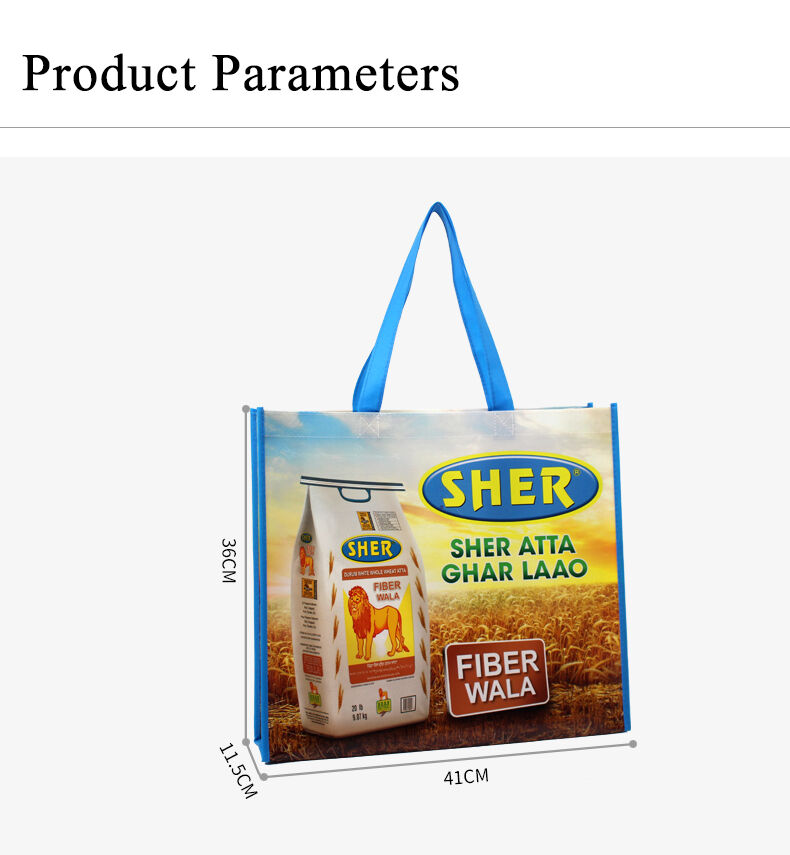
A cotton bag represents one of the most practical and environmentally conscious alternatives to single-use plastic bags that consumers can adopt in their daily lives. Made from natural cotton fibers, these reusable carrying solutions have gained significant popularity as individuals and businesses seek sustainable packaging options that reduce environmental impact while maintaining functionality and durability for everyday use.

Understanding the environmental benefits of cotton bag usage requires examining both the material properties that make these bags effective and the broader ecological advantages they provide when replacing disposable alternatives. The shift toward cotton bag adoption reflects growing consumer awareness about plastic pollution and the urgent need for sustainable lifestyle choices that contribute to environmental preservation and resource conservation.
Understanding Cotton Bags and Their Material Properties
Natural Fiber Composition and Manufacturing Process
A cotton bag is constructed from cotton fibers derived from the cotton plant, creating a natural textile material that offers exceptional strength and versatility for carrying applications. The manufacturing process involves harvesting cotton bolls, processing the fibers through ginning and cleaning procedures, then spinning the fibers into yarn that can be woven into durable fabric suitable for bag construction.
The weaving process for cotton bag production typically employs plain weave or twill weave techniques that create sturdy fabric with excellent tear resistance and load-bearing capacity. Cotton fibers naturally interlock during the weaving process, forming a textile structure that can withstand repeated use and washing while maintaining its structural integrity over extended periods of regular handling.
Modern cotton bag manufacturing incorporates various cotton grades and fiber lengths to optimize durability and appearance characteristics. The selection of cotton quality directly influences the final product's strength, texture, and longevity, with higher-grade cotton producing more refined cotton bag options that appeal to environmentally conscious consumers seeking premium sustainable alternatives.
Physical Characteristics and Durability Features
The physical properties of a cotton bag include excellent tensile strength, natural breathability, and resistance to stretching under normal load conditions. Cotton fibers possess inherent moisture-wicking properties that prevent accumulation of humidity inside the bag, making them ideal for carrying groceries, produce, and other items that might generate condensation during transport.
Cotton bag construction allows for reinforcement techniques such as double-stitching, reinforced handles, and bottom panel strengthening that enhance load capacity and extend usable life. These durability features enable a single cotton bag to replace hundreds of plastic bags over its functional lifetime, creating significant environmental benefits through reduced waste generation.
The natural elasticity of cotton fibers provides flexibility during use while returning to original shape when emptied, preventing permanent deformation that could compromise bag function. This resilience characteristic ensures that cotton bag investments remain practical and aesthetically acceptable throughout extended use periods, encouraging continued adoption of sustainable carrying practices.
Environmental Benefits of Cotton Bag Usage
Reduction in Plastic Waste Generation
The primary environmental benefit of cotton bag adoption lies in the substantial reduction of plastic bag consumption that occurs when consumers consistently choose reusable alternatives for shopping and carrying needs. A single cotton bag can eliminate the need for approximately 1,000 plastic bags during its useful lifetime, preventing significant quantities of non-biodegradable waste from entering landfills and natural ecosystems.
Plastic bag pollution represents one of the most visible and persistent environmental challenges facing modern society, with billions of plastic bags accumulating in oceans, waterways, and terrestrial environments where they persist for decades without decomposition. Cotton bag usage directly addresses this problem by providing a functional alternative that eliminates the root cause of plastic bag waste generation at the consumer level.
The cumulative effect of widespread cotton bag adoption creates measurable reductions in plastic waste streams that benefit municipal waste management systems and reduce the environmental burden associated with plastic bag disposal and recycling processes. Communities that encourage cotton bag usage often report decreased plastic waste collection volumes and improved recycling efficiency due to reduced contamination from plastic bag materials.
Biodegradability and End-of-Life Environmental Impact
Cotton bag materials offer complete biodegradability at the end of their useful life, breaking down naturally through microbial action without releasing harmful chemicals or persistent pollutants into soil or water systems. This natural decomposition process typically occurs within several months when cotton bags are composted properly, returning organic matter to the soil and completing a sustainable lifecycle.
The biodegradation of cotton bag materials produces beneficial soil amendments including organic carbon and nutrients that support plant growth and soil health improvement. This positive end-of-life impact contrasts sharply with plastic bag disposal, which creates long-term environmental contamination and microplastic pollution that persists in ecosystems for generations.
Even when cotton bag materials enter traditional waste streams, they pose minimal environmental risk compared to synthetic alternatives because natural cotton fibers break down through biological processes rather than fragmenting into persistent microplastic particles. This characteristic ensures that cotton bag usage contributes to environmental protection throughout the entire product lifecycle from manufacture to disposal.
Resource Conservation and Sustainability Impact
Energy and Water Conservation Benefits
The reusable nature of cotton bag products creates significant energy conservation benefits by eliminating the repeated manufacturing energy required for single-use plastic bag production. Manufacturing one cotton bag requires substantially less total energy over its lifetime compared to producing the hundreds of plastic bags that the cotton bag replaces through regular use.
Cotton bag production utilizes renewable agricultural resources rather than petroleum-based materials, reducing dependence on fossil fuel extraction and processing that characterizes plastic bag manufacturing. This shift toward renewable resource utilization supports sustainable industrial practices and reduces the carbon footprint associated with consumer carrying solutions.
Water conservation occurs through cotton bag reuse patterns because the initial water investment required for cotton cultivation and processing is amortized across thousands of use cycles. While cotton growing requires irrigation, the per-use water consumption of a cotton bag becomes negligible when calculated across its extended functional lifetime, creating favorable water use efficiency compared to disposable alternatives.
Reduction in Manufacturing and Transportation Emissions
Cotton bag usage significantly reduces transportation-related emissions because fewer replacement bags need to be manufactured, shipped, and distributed to retail locations over time. The durability of cotton bag construction means that transportation energy is invested once rather than repeatedly, creating substantial emission reductions in logistics and distribution systems.
Manufacturing emission reductions occur through decreased production volume requirements when cotton bag adoption replaces plastic bag consumption patterns. The industrial energy and emissions associated with continuous plastic bag production are eliminated through consumer behavior changes that prioritize reusable cotton bag solutions over disposable alternatives.
The local and regional economic benefits of cotton bag manufacturing often support shorter supply chains compared to plastic bag production, which frequently involves international shipping and complex petroleum-based material sourcing. These shortened supply chains contribute to emission reductions while supporting local manufacturing and agricultural sectors that produce cotton bag materials.
Practical Applications and Usage Scenarios
Retail and Grocery Shopping Applications
Cotton bag functionality excels in grocery shopping environments where strength, capacity, and food safety considerations make natural fiber materials preferable to synthetic alternatives. The breathable nature of cotton fabric prevents moisture accumulation that could promote bacterial growth, while the washable surface allows for easy cleaning after contact with fresh produce or packaged goods.
Retail applications benefit from cotton bag durability that supports heavy loads including canned goods, bottles, and bulk purchases without tearing or handle failure. The generous capacity typical of cotton bag designs accommodates substantial shopping volumes, reducing the number of bags required per shopping trip and improving carrying convenience for consumers.
Many retailers actively promote cotton bag usage through incentive programs, discounts, or bag-free initiatives that encourage sustainable shopping practices. These programs recognize the environmental benefits of cotton bag adoption while addressing consumer demand for eco-friendly packaging alternatives that align with personal sustainability values.
Promotional and Corporate Sustainability Initiatives
Corporate sustainability programs increasingly incorporate cotton bag distribution as a practical demonstration of environmental commitment while providing useful promotional items that recipients will use regularly. The large surface area of cotton bag designs offers excellent visibility for corporate logos and environmental messaging that reinforces brand association with sustainable practices.
Educational institutions utilize cotton bag distribution to promote environmental awareness and encourage sustainable behavior among students and community members. The practical utility of cotton bag products ensures continued use that extends the educational impact beyond initial distribution, creating ongoing reminders about environmental responsibility and sustainable lifestyle choices.
Event organizers and conference planners choose cotton bag options for attendee welcome packages because the reusable nature provides lasting value while eliminating waste associated with disposable promotional materials. The professional appearance and customization options available for cotton bag products support brand presentation while demonstrating organizational commitment to environmental stewardship.
FAQ
How many plastic bags can one cotton bag replace during its lifetime?
A single high-quality cotton bag can replace approximately 1,000 plastic bags during its functional lifetime when used regularly for shopping and carrying purposes. This replacement ratio varies based on usage frequency and care practices, but most cotton bags remain functional for several years of regular use, making them highly effective for plastic waste reduction.
Are cotton bags more environmentally friendly than paper bags?
Cotton bags are generally more environmentally friendly than paper bags because they can be reused hundreds of times, while paper bags are typically used once before disposal. Although paper bags are biodegradable, the repeated manufacturing and transportation required for paper bag replacement creates higher cumulative environmental impact compared to the one-time production of a reusable cotton bag.
How should cotton bags be cleaned to maintain hygiene and durability?
Cotton bags should be machine washed in cold water with mild detergent to maintain hygiene while preserving fabric integrity and color. Air drying is recommended to prevent shrinkage and extend fabric life, though low-heat machine drying is acceptable. Regular washing after contact with fresh produce or raw materials helps maintain food safety and prevents odor development.
What happens to cotton bags at the end of their useful life?
When cotton bags reach the end of their useful life, they can be composted in home compost systems or municipal organic waste programs where they will biodegrade completely within several months. Alternatively, worn cotton bags can be repurposed for cleaning rags, gardening applications, or craft projects, extending their utility before final disposal through natural decomposition processes.