
 EN
EN




The longevity of shopping bags has become a critical consideration for consumers and businesses alike, particularly as environmental consciousness drives the shift away from single-use plastic alternatives. Among the various reusable options available, cotton bags have emerged as remarkably durable choices that consistently outlast their counterparts, including paper, jute, and even some synthetic materials. The superior durability of cotton bags stems from the inherent properties of cotton fibers, combined with manufacturing techniques that enhance structural integrity and resistance to wear.
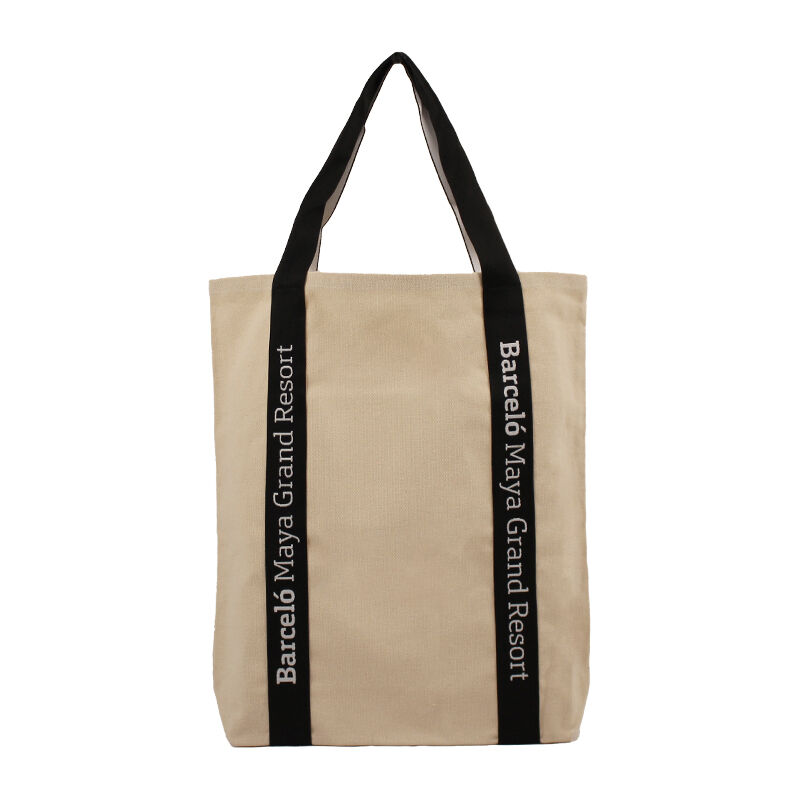
Understanding why cotton bags demonstrate exceptional longevity requires examining the fundamental characteristics that distinguish cotton from other commonly used bag materials. The molecular structure of cotton fibers, their ability to withstand mechanical stress, and their resistance to environmental factors all contribute to creating shopping bags that maintain functionality and appearance far longer than alternatives. This durability advantage translates into significant economic and environmental benefits, making cotton bags increasingly preferred for both personal use and commercial applications.
Natural Fiber Strength and Structure
Cotton Fiber Composition and Durability
Cotton fibers possess unique structural properties that directly contribute to the exceptional durability of cotton bag products. Each cotton fiber consists of cellulose arranged in a crystalline structure that provides inherent tensile strength, allowing individual fibers to withstand repeated stretching and compression without breaking. This molecular arrangement creates a natural resilience that synthetic alternatives struggle to replicate, giving cotton bags their characteristic ability to maintain shape and function over extended periods of use.
The length of cotton fibers, typically ranging from 25 to 35 millimeters, contributes significantly to the overall strength of woven cotton bag materials. Longer fibers create more overlap points during the spinning process, resulting in stronger yarn that forms the foundation of durable cotton bags. This fiber length advantage means that cotton bag construction can achieve superior tear resistance compared to bags made from shorter synthetic fibers or natural alternatives like jute, which typically feature shorter fiber lengths.
Additionally, cotton fibers demonstrate remarkable flexibility without compromising strength, allowing cotton bags to accommodate various load distributions and carrying styles without developing stress points that commonly lead to failure in other bag materials. The natural crimp in cotton fibers creates microscopic air pockets that provide cushioning effects, reducing the impact of sudden weight changes or sharp objects that might puncture or tear less resilient bag materials.
Weave Patterns and Structural Integrity
The weaving techniques employed in cotton bag manufacturing significantly amplify the natural durability advantages of cotton fibers. Plain weave patterns, commonly used in cotton bag production, create interlocking structures where warp and weft threads support each other under stress, distributing load forces across the entire fabric surface rather than concentrating pressure at individual points. This structural distribution explains why cotton bags can handle substantial weight without developing localized failures that plague other bag types.
Canvas weaving, a heavier variant frequently used for premium cotton bags, involves thicker cotton threads woven in tight patterns that create exceptionally robust fabric structures. The density of these weaves means that even if individual threads experience wear or minor damage, the surrounding cotton fibers continue providing structural support, preventing small imperfections from propagating into bag-compromising tears or holes.
Modern cotton bag manufacturing also incorporates reinforcement techniques at critical stress points, such as handles and seams, where additional layers of cotton fabric or specialized stitching patterns distribute mechanical forces more effectively. These engineering approaches leverage cotton's natural durability characteristics while addressing the specific failure modes that typically limit shopping bag lifespan, resulting in cotton bag products that maintain functionality through hundreds of use cycles.
Environmental Resistance and Longevity
Moisture Management and Mold Prevention
Cotton bags demonstrate superior performance in varying environmental conditions, particularly regarding moisture management, which directly impacts long-term durability. Unlike paper bags that weaken dramatically when exposed to humidity, or synthetic materials that can trap moisture and promote bacterial growth, cotton bags naturally regulate moisture through their porous fiber structure. This breathability prevents the accumulation of humidity that typically leads to material degradation, mold formation, and unpleasant odors that render other bag types unusable.
The hydrophilic properties of cotton fibers allow cotton bags to absorb moisture temporarily without compromising structural integrity, then release this moisture to the environment as conditions change. This natural moisture buffering prevents the rapid degradation seen in paper-based bags while avoiding the moisture-trapping issues that affect non-breathable synthetic alternatives. Consequently, cotton bags maintain their strength and usability even after exposure to humid conditions or minor spills that would destroy other bag materials.
Furthermore, cotton's natural antimicrobial properties, enhanced by proper washing and maintenance, help prevent the growth of bacteria and fungi that can accelerate material breakdown in other bag types. Regular washing of cotton bags actually contributes to their longevity by removing accumulated contaminants and refreshing the fiber structure, a maintenance option unavailable for paper bags and potentially damaging to some synthetic alternatives.
UV Resistance and Color Retention
Extended exposure to ultraviolet radiation poses significant durability challenges for many bag materials, but cotton bags demonstrate remarkable resistance to UV-induced degradation. The natural pigments and structure of cotton fibers provide inherent protection against photodegradation, allowing cotton bags to maintain their structural integrity and appearance even with regular outdoor use. This UV resistance means that cotton bags used for shopping, beach trips, or outdoor activities retain their functionality far longer than synthetic alternatives that may become brittle or discolored under sun exposure.
Natural cotton bags, particularly those with minimal chemical processing, show excellent color stability over time, maintaining their aesthetic appeal alongside their functional durability. Even when cotton bags do experience some color fading after extensive UV exposure, the underlying fabric structure remains intact, ensuring continued usability. This contrasts sharply with plastic-based bags that may develop micro-cracks or become fragile after UV exposure, leading to sudden catastrophic failures.
The ability of cotton bags to withstand temperature fluctuations also contributes to their longevity advantage. Cotton fibers naturally expand and contract with temperature changes without developing stress fractures, while maintaining flexibility across a wide temperature range. This thermal stability means cotton bags perform reliably in various climates and seasons, from hot summer shopping trips to cold winter storage, without experiencing the material fatigue that limits the lifespan of less adaptable bag materials.
Mechanical Durability and Load Capacity
Weight Distribution and Handle Strength
The mechanical advantages of cotton bags become most apparent under load conditions, where the natural properties of cotton fibers translate into superior weight-carrying capacity and resistance to handle failure. Cotton bag handles, typically constructed from reinforced cotton webbing or braided cotton rope, distribute weight forces across their entire length rather than concentrating stress at attachment points. This load distribution characteristic allows cotton bags to carry heavier items without experiencing the handle separation failures that commonly affect paper bags or the stretching deformation that plagues plastic alternatives.
The flexibility of cotton fibers enables cotton bag handles to conform to the user's grip while maintaining structural integrity under stress. This adaptability reduces hot spots and pressure concentrations that might cause discomfort during extended carrying periods while simultaneously preventing the material fatigue that leads to handle failure in less flexible materials. Cotton bag construction techniques often incorporate reinforcement layers at handle attachment points, creating redundant support systems that prevent catastrophic failure even if individual components experience wear.
Testing data consistently shows that properly constructed cotton bags can support substantially more weight than their rated capacity suggests, with many cotton bag designs safely carrying 30-40 pounds without structural compromise. This load capacity margin provides users with confidence in their cotton bag's reliability while ensuring longevity even under occasional overloading conditions that might destroy other bag types.
Abrasion Resistance and Edge Durability
Daily use subjects shopping bags to significant abrasion from contact with various surfaces, shopping cart materials, and contents with sharp edges or rough textures. Cotton bags excel in these conditions due to the inherent abrasion resistance of cotton fibers and the protective characteristics of cotton weaves. The natural flexibility of cotton allows cotton bag surfaces to deform slightly under pressure, reducing the shearing forces that cause material removal and eventual hole formation in less resilient alternatives.
The multi-directional fiber orientation in woven cotton bag materials means that abrasion damage typically affects only surface fibers initially, while underlying cotton layers continue providing structural support. This gradual wear pattern allows cotton bags to develop a broken-in appearance while maintaining full functionality, contrasting with synthetic materials that may show immediate damage or paper bags that quickly develop tears from minor abrasion.
Edge finishing techniques used in cotton bag manufacturing, such as serged seams or folded hem construction, create reinforced boundaries that resist fraying and tear propagation. These construction details leverage cotton's natural resistance to unraveling, ensuring that minor edge damage doesn't compromise overall bag integrity. The result is cotton bags that maintain their shape and capacity even after extensive use in demanding environments where other bag materials would quickly fail.
Maintenance and Lifecycle Benefits
Washability and Hygiene Maintenance
One of the most significant longevity advantages of cotton bags lies in their ability to undergo regular washing and sanitization without material degradation. Unlike paper bags that are destroyed by water contact or synthetic alternatives that may be damaged by certain cleaning chemicals, cotton bags actually benefit from periodic washing cycles that remove accumulated dirt, oils, and contaminants that can accelerate material breakdown. This washability means that cotton bags can maintain hygiene standards required for food transport while extending their useful life through proper maintenance.
The cleaning process for cotton bags helps restore fiber flexibility and remove particles that might cause abrasive wear during use. Machine washing with appropriate temperatures and detergents can actually tighten the cotton weave slightly, potentially improving bag strength and appearance while eliminating odors and stains that might make other bag types unsuitable for continued use. This regenerative aspect of cotton bag maintenance creates a positive feedback loop where proper care extends bag life significantly.
Cotton bags also accommodate various cleaning methods, from gentle hand washing for delicate items to industrial washing for commercial applications. This cleaning versatility means that cotton bags can be maintained appropriately regardless of their use environment, whether for personal shopping, commercial retail applications, or industrial material transport. The ability to sanitize cotton bags completely makes them suitable for repeated food contact use, a capability that many alternative materials cannot provide safely.
Repair and Restoration Possibilities
When cotton bags do experience damage, their construction allows for effective repair techniques that can restore full functionality and extend service life well beyond the point where other bag materials would require replacement. Simple sewing repairs can address small tears or loose seams in cotton bags, with the natural fiber structure accepting thread reinforcement readily. These repairs often prove nearly invisible and provide strength comparable to the original construction, something impossible with most synthetic or paper alternatives.
The standardized nature of cotton bag construction means that replacement components, such as handles or reinforcement patches, can be readily sourced and installed using basic sewing techniques. This repairability factor significantly extends the effective lifespan of cotton bags, particularly for commercial users who can implement systematic maintenance programs. Even bags showing substantial wear can often be restored to service through strategic reinforcement of high-stress areas.
Professional repair services for cotton bags are widely available and cost-effective, making restoration economically viable for high-value or frequently used bags. The investment in cotton bag repair typically proves far more economical than frequent replacement of disposable alternatives, while also supporting sustainability goals through extended product lifecycles. This repair ecosystem surrounding cotton bags represents another factor contributing to their superior longevity compared to alternatives designed for limited use cycles.
FAQ
How many times can I use a cotton bag before it wears out?
A quality cotton bag can typically withstand 500-1000+ use cycles when properly maintained, far exceeding the lifespan of paper bags (1-5 uses) or lightweight plastic bags (10-20 uses). The exact number depends on load conditions, maintenance practices, and construction quality, but most users report several years of regular service from their cotton bags with proper care including periodic washing and minor repairs as needed.
Can cotton bags handle the same weight as plastic shopping bags?
Cotton bags generally support significantly more weight than standard plastic shopping bags, with most cotton bags safely carrying 25-40 pounds compared to 10-15 pounds for typical plastic bags. The superior handle construction and fabric strength of cotton bags distribute weight more effectively, reducing the risk of sudden failure under load while providing more comfortable carrying experience for heavier items.
Do cotton bags require special storage to maintain their longevity?
Cotton bags require minimal special storage considerations to maintain their durability advantages. Keeping them clean and dry between uses prevents mold growth, while avoiding extended exposure to direct sunlight helps preserve color and fiber integrity. Unlike some synthetic alternatives that may degrade in heat, cotton bags can be stored in normal household or commercial environments without special climate control, making them practical for long-term use.
What makes cotton bags more durable than jute or hemp bags?
Cotton bags typically demonstrate superior durability compared to jute or hemp alternatives due to cotton's longer fiber length, greater flexibility, and superior abrasion resistance. While jute and hemp are strong materials, cotton's fiber structure provides better resistance to mechanical wear and environmental factors, while also offering superior washability and repair options that extend overall service life significantly beyond most natural fiber alternatives.