
 EN
EN



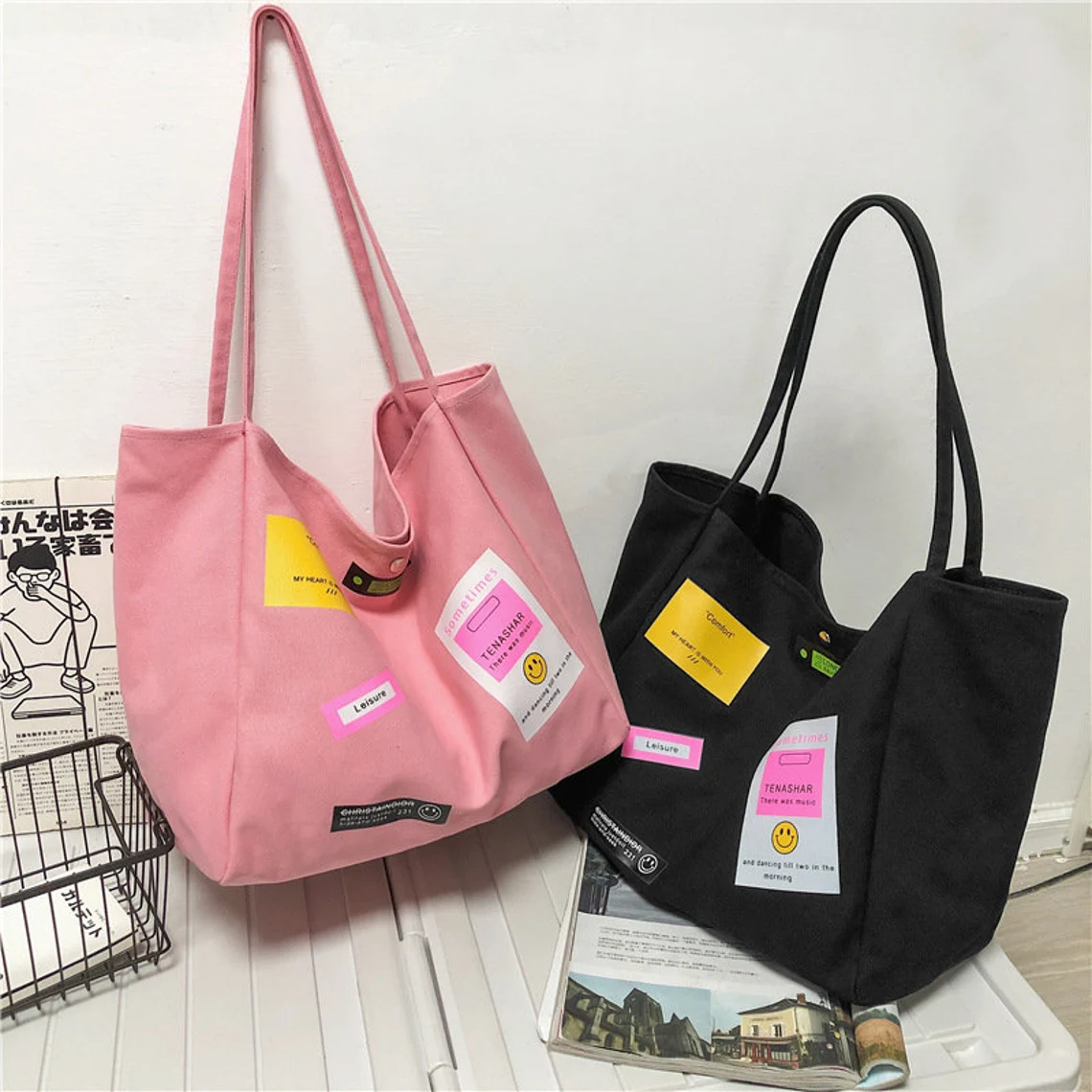
Choosing the right canvas bag size requires understanding your specific usage patterns, storage requirements, and lifestyle demands. Whether you need a compact companion for daily essentials or a spacious carrier for extended adventures, the size of your canvas bag directly impacts its functionality and your satisfaction with the purchase.
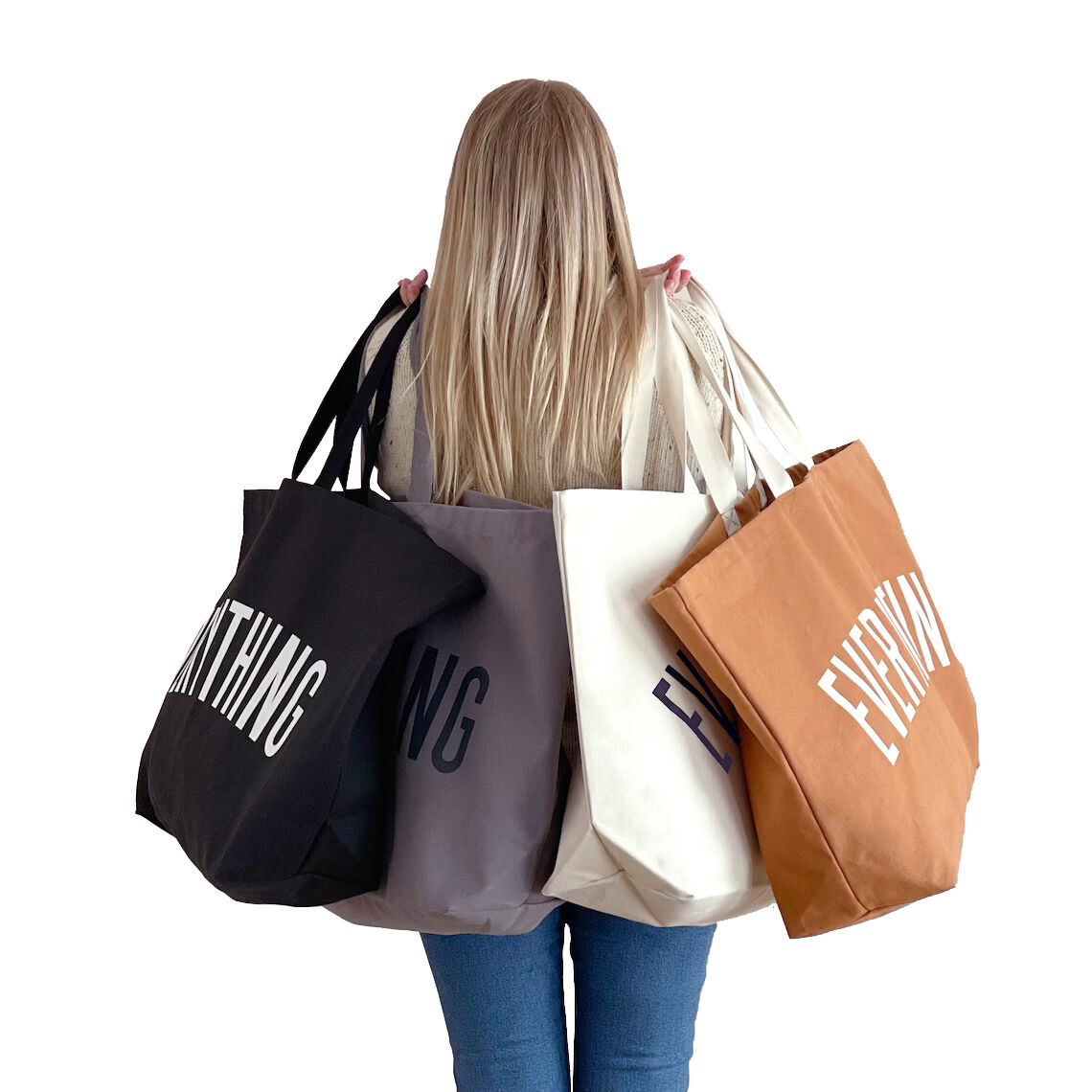
The process of finding your ideal canvas bag size involves analyzing your carrying habits, measuring your typical load, and considering both current and future needs. This systematic approach ensures you select a canvas bag that serves you well across various situations while maintaining comfort and practicality.
Understanding Canvas Bag Size Categories
Small Canvas Bags and Their Applications
Small canvas bags typically measure between 8 to 12 inches in length and serve specific purposes in daily life. These compact options work exceptionally well for individuals who prefer minimalist carrying solutions or need secondary storage for organized item separation.
The primary advantage of a small canvas bag lies in its portability and ease of handling. These sizes accommodate essential items like smartphones, wallets, keys, and small personal care products without creating bulk or weight burden. Many professionals choose small canvas bags for lunch storage, keeping food items separate from work materials.
Small canvas bag sizes also excel in specialized applications such as cosmetic organization, craft supply storage, or as gift bags for special occasions. Their compact nature makes them ideal for children's use or as secondary bags within larger carrying systems.
Medium Canvas Bags for Versatile Use
Medium canvas bags range from 12 to 16 inches and represent the most popular size category for everyday use. This size range strikes an optimal balance between carrying capacity and manageability, making it suitable for a wide variety of users and applications.
A medium canvas bag can comfortably hold a laptop, notebooks, documents, water bottle, and personal items while remaining lightweight enough for extended carrying. This size works well for students, office workers, and casual users who need reliable everyday storage without excessive bulk.
The versatility of medium canvas bags makes them excellent choices for shopping trips, beach outings, gym sessions, and general errands. They provide sufficient space for changing requirements while maintaining a manageable footprint that fits comfortably in most storage spaces.
Large Canvas Bags for Heavy-Duty Applications
Large canvas bags exceed 16 inches in length and cater to users with substantial carrying requirements. These sizes accommodate bulky items, multiple categories of belongings, or serve specialized functions that demand maximum storage capacity.
Professional applications often require large canvas bag sizes for carrying presentation materials, sample products, or extensive documentation. Artists and craftspeople frequently choose large canvas bags to transport supplies, tools, and finished works safely and efficiently.
Travel applications also benefit from large canvas bag sizes, particularly for weekend trips, beach vacations, or outdoor adventures where gear and supplies must be consolidated into reliable carriers. The durability of canvas material combined with generous size creates dependable luggage alternatives.
Assessing Your Personal Carrying Requirements
Daily Usage Pattern Analysis
Determining your ideal canvas bag size begins with honest assessment of your typical daily carrying patterns. Track what items you regularly transport and note the volume and weight of these belongings over several representative days.
Consider both your minimum and maximum carrying scenarios. Your canvas bag should accommodate your heaviest usage days while remaining practical for lighter carrying requirements. This analysis helps identify the size range that serves your complete spectrum of needs.
Document seasonal variations in your carrying requirements, as these fluctuations might influence your canvas bag size selection. Some users require different sized canvas bags for summer and winter activities, while others prefer versatile sizes that adapt to changing demands.
Item Category and Volume Assessment
Categorize your typical belongings into groups such as technology, documents, personal care, food, clothing, and miscellaneous items. Measure the approximate volume and dimensions of each category to understand your spatial requirements.
Technology items often dictate minimum canvas bag dimensions, particularly if you carry laptops, tablets, or camera equipment. These items require specific clearances and protective spacing that influences overall size selection significantly.
Consider the organizational benefits of choosing a canvas bag size that allows logical item separation. Adequate space prevents crushing, damage, and facilitates efficient retrieval while maintaining organization throughout daily use.
Physical Comfort and Handling Considerations
Your physical attributes and comfort preferences play crucial roles in canvas bag size selection. Consider your height, build, and carrying strength when evaluating different size options to ensure long-term satisfaction and usability.
Handle length, strap design, and overall bag proportions must align with your body dimensions and preferred carrying methods. A canvas bag that appears perfect in isolation might prove uncomfortable or awkward when loaded and carried regularly.
Test different canvas bag sizes with representative loads to assess comfort levels and identify any handling challenges. This practical evaluation reveals size-related issues that specifications alone cannot communicate effectively.
Matching Canvas Bag Size to Specific Applications
Professional and Office Applications
Professional environments often demand canvas bag sizes that accommodate business essentials while maintaining appropriate appearance and functionality. Consider your typical workday requirements including documents, technology, and personal items when selecting professional canvas bag sizes.
Meeting preparation frequently requires carrying presentation materials, handouts, and reference documents that influence canvas bag size requirements. Evaluate whether your professional activities demand flexibility for varying load sizes or consistent capacity for routine materials.
Client interaction scenarios may influence your canvas bag size choice, particularly if you need to transport samples, proposals, or demonstration materials. Professional canvas bag sizes should accommodate these requirements while projecting appropriate business image and competence.
Educational and Academic Uses
Students face unique canvas bag size challenges due to varying course loads, textbook requirements, and technology needs. Academic canvas bag sizing must accommodate seasonal changes in material requirements and different class schedules throughout terms.
Consider both digital and physical material requirements when selecting educational canvas bag sizes. Modern students often carry laptops and tablets alongside traditional books and supplies, creating complex spatial and organizational challenges.
Campus lifestyle factors also influence canvas bag size selection, including walking distances, storage availability, and extracurricular activity requirements. Your canvas bag should support your complete educational experience rather than just classroom needs.
Recreational and Lifestyle Applications
Recreational canvas bag size selection depends heavily on your preferred activities and leisure patterns. Outdoor enthusiasts require different sizing considerations than urban shoppers or cultural event attendees, making activity analysis essential.
Shopping applications often benefit from larger canvas bag sizes that can accommodate variable purchase volumes while providing reliable carrying strength. Consider your typical shopping patterns and maximum load requirements when evaluating recreational canvas bag options.
Travel and adventure activities may require specialized canvas bag sizing that balances capacity with portability constraints. Airline regulations, storage limitations, and activity-specific requirements all influence optimal size selection for recreational applications.
Size Selection Strategies and Decision Framework
Measurement and Fitting Techniques
Accurate measurement of your carrying requirements provides the foundation for effective canvas bag size selection. Create templates using cardboard or paper to represent different canvas bag sizes and test them with your typical belongings.
Physical fitting sessions reveal practical insights that specifications cannot provide. Load test samples or similar bags with your actual belongings to assess comfort, organization, and accessibility before committing to specific canvas bag sizes.
Consider seasonal and occasional requirement variations when conducting fitting tests. Your ideal canvas bag size should accommodate your peak usage scenarios while remaining practical for routine applications throughout the year.
Future Needs Anticipation
Effective canvas bag size selection considers anticipated changes in your carrying requirements over the product's expected lifespan. Career changes, lifestyle shifts, and evolving technology needs all influence long-term size appropriateness.
Technology evolution particularly impacts canvas bag size requirements as devices change dimensions and new categories emerge. Select canvas bag sizes that can accommodate reasonable technology evolution without becoming obsolete quickly.
Family and relationship changes often alter carrying patterns significantly, making flexible canvas bag sizing strategies valuable for long-term satisfaction. Consider how your responsibilities and activities might evolve when selecting canvas bag sizes.
Multi-Bag System Considerations
Some users benefit from multiple canvas bag sizes rather than seeking one universal solution. This approach allows optimization for different activities while maintaining cost-effectiveness and storage efficiency.
Seasonal canvas bag rotation strategies can provide optimal sizing for different time periods while extending product lifespan through reduced individual usage. This approach works particularly well for users with dramatically different seasonal requirements.
Specialized canvas bag sizes for specific activities often provide superior performance compared to compromise solutions. Evaluate whether dedicated sizing for major use cases offers better overall value than single universal canvas bag selection.
FAQ
What is the most popular canvas bag size for everyday use?
Medium canvas bags measuring 12 to 16 inches represent the most popular size range for everyday applications. This size accommodates laptops, books, personal items, and daily essentials while remaining comfortable for extended carrying and fitting into most storage spaces.
How do I measure my current bag to compare with canvas bag sizes?
Measure your current bag's length, width, and height using a tape measure, then calculate the approximate volume. Load it with your typical belongings and note any space constraints or excess capacity. Use these measurements as reference points when evaluating canvas bag size options.
Can a canvas bag be too large for my needs?
Yes, oversized canvas bags can create practical problems including unnecessary bulk, difficulty organizing small items, increased weight even when partially loaded, and challenges fitting into storage spaces. Choose canvas bag sizes that match your actual requirements rather than defaulting to maximum capacity options.
Should I choose a larger canvas bag size to allow for future needs?
Select canvas bag sizes based primarily on current requirements with modest allowance for reasonable growth. Significantly oversized bags often prove impractical for daily use and may discourage regular utilization. Consider a moderate size increase rather than dramatic capacity expansion for future-proofing purposes.