
 EN
EN



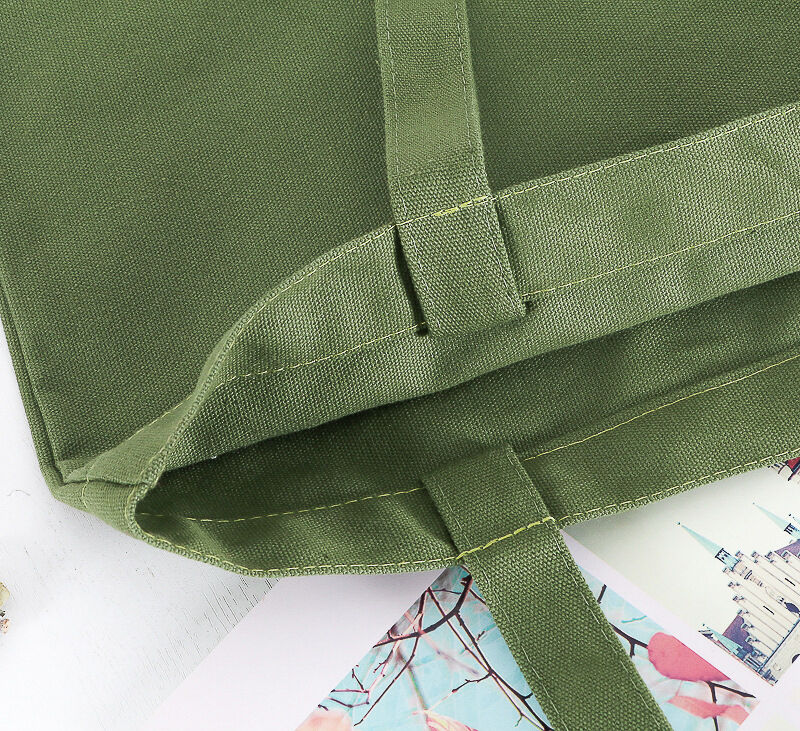
Choosing the right polyester bag requires careful consideration of multiple factors that directly impact functionality, durability, and value for your specific application. Whether you need a polyester bag for travel, work, outdoor activities, or daily use, understanding the key selection criteria ensures you make an informed decision that meets your long-term requirements and delivers optimal performance.
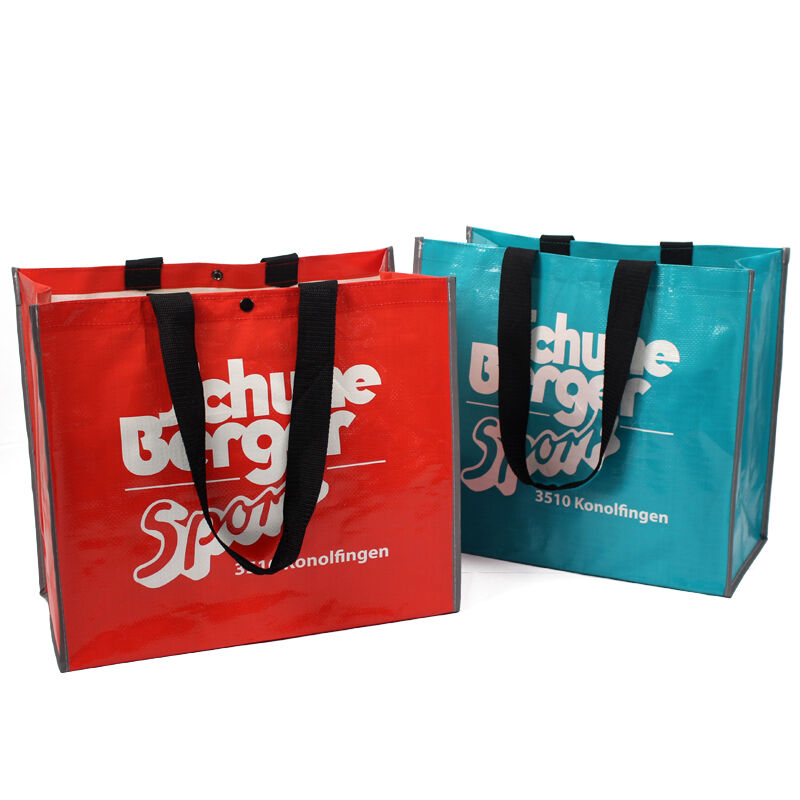
The process of selecting an appropriate polyester bag involves evaluating material specifications, construction quality, size requirements, intended use scenarios, and budget considerations. Modern polyester bag manufacturing offers diverse options in terms of fabric weight, coating treatments, hardware quality, and design features, making it essential to understand how these variables align with your practical needs and usage patterns.
Understanding Polyester Bag Material Specifications
Fabric Weight and Density Considerations
When selecting a polyester bag, fabric weight measured in denier directly impacts durability, weather resistance, and overall performance. Higher denier polyester fabrics, typically ranging from 600D to 1680D, provide superior tear resistance and longevity for demanding applications, while lighter weights between 210D and 420D offer better flexibility and reduced bulk for casual use.
The fabric density also affects the polyester bag's ability to maintain shape under load and resist abrasion during regular handling. Dense weave patterns create stronger barriers against moisture infiltration and provide better puncture resistance, making them ideal for outdoor activities, travel, and professional applications where durability is paramount.
Understanding the relationship between fabric weight and your intended use helps narrow down polyester bag options that deliver appropriate performance without unnecessary bulk or cost. Heavy-duty applications benefit from 1000D+ fabrics, while everyday carrying needs often require only 420D to 600D specifications for optimal balance of weight and durability.
Coating and Treatment Options
Polyester bag manufacturers apply various coatings and treatments to enhance water resistance, UV protection, and soil resistance. Polyurethane (PU) coatings provide excellent water repellency and flexibility, while polyvinyl chloride (PVC) coatings offer superior waterproofing but reduced breathability and increased weight.
Advanced treatment options include antimicrobial finishes that prevent odor and bacterial growth, making treated polyester bags ideal for athletic equipment storage and extended travel. UV-resistant treatments protect against color fading and fabric degradation when polyester bags experience prolonged sun exposure during outdoor activities.
The choice of coating directly influences the polyester bag's maintenance requirements, longevity, and suitability for specific environmental conditions. Understanding these treatment options helps you select a polyester bag that maintains appearance and functionality throughout its intended service life.
Evaluating Construction Quality and Hardware
Stitching Patterns and Reinforcement
Quality polyester bag construction relies on proper stitching techniques, thread selection, and strategic reinforcement placement. Double-stitched seams provide superior strength compared to single-stitch construction, while bar-tack reinforcement at stress points prevents failure under heavy loads and repeated use.
Examining stitch density reveals manufacturing quality, with higher stitch counts per inch indicating better seam integrity and longevity. Professional-grade polyester bags typically feature reinforced stitching at handle attachment points, zipper ends, and corner stress zones where material fatigue commonly occurs.
Thread composition also impacts polyester bag durability, with bonded nylon and polyester threads offering superior strength and UV resistance compared to cotton alternatives. Quality manufacturers use thread that matches or exceeds the base fabric strength to ensure balanced performance across the entire polyester bag structure.
Zipper and Hardware Selection
Zipper quality significantly affects polyester bag functionality and longevity, with YKK zippers representing the industry standard for reliability and smooth operation. Heavy-duty polyester bags benefit from coil zippers that resist binding and provide consistent performance under load, while molded zippers offer better water resistance for weather-exposed applications.
Hardware selection including buckles, D-rings, and adjustment mechanisms should match the polyester bag's intended use intensity. Plastic hardware reduces weight and costs but may lack durability for heavy-duty applications, while metal hardware provides superior strength and longevity at increased weight and cost.
Evaluating hardware attachment methods reveals construction quality, with riveted or sewn-through attachments providing better security than surface-mounted options. Quality polyester bag manufacturers reinforce hardware attachment points with additional fabric layers or backing plates to distribute stress and prevent premature failure.
Determining Size and Capacity Requirements
Volume Calculation and Space Efficiency
Accurate capacity assessment ensures your chosen polyester bag accommodates intended contents without excess bulk or insufficient space. Measuring your typical load requirements helps determine appropriate volume, considering that polyester bag capacity ratings may not account for irregular item shapes or packing efficiency limitations.
Internal organization features affect usable capacity, with compartmentalized polyester bags offering better organization but potentially reducing total volume compared to single-chamber designs. Evaluating your packing style and typical contents helps determine whether multiple compartments or maximum volume better serves your needs.
Expansion features such as external pockets, compression straps, and fold-out sections can significantly increase polyester bag utility without compromising portability when extra capacity isn't needed. These design elements provide flexibility for varying load requirements and changing use scenarios.
Dimensional Considerations and Portability
Physical dimensions impact polyester bag compatibility with transportation methods, storage spaces, and carrying comfort. Airline carry-on restrictions, vehicle cargo areas, and workplace storage options may limit acceptable dimensions regardless of capacity needs.
Handle and strap configurations affect carrying comfort and weight distribution, with padded shoulder straps, ergonomic handles, and load-lifter straps improving usability for larger polyester bags. Considering your physical capabilities and typical carrying distances helps determine appropriate size limits.
Compact storage when empty may be important for occasional-use polyester bag applications, making collapsible or packable designs valuable for travel or seasonal storage needs. Rigid-frame polyester bags maintain shape but require permanent storage space regardless of use frequency.
Matching Application Requirements
Use Environment Assessment
Environmental conditions significantly influence polyester bag selection, with outdoor applications requiring enhanced weather resistance, UV protection, and abrasion resistance compared to indoor use scenarios. Extreme temperature exposure may affect zipper operation and fabric flexibility, making climate-appropriate material selection essential.
Chemical exposure risks in industrial or laboratory environments may require specialized polyester bag materials or coatings that resist degradation from solvents, acids, or cleaning agents. Standard polyester fabrics may not provide adequate protection in contaminated or hazardous environments.
Frequency of use affects durability requirements, with daily-use polyester bags justifying higher initial investment in premium materials and construction compared to occasional-use applications where basic specifications may suffice.
Load Type and Weight Distribution
Content characteristics influence polyester bag design requirements, with sharp or abrasive items requiring interior protection and reinforced construction to prevent damage from within. Electronic equipment benefits from padded compartments and static-resistant materials.
Weight distribution affects carrying comfort and bag longevity, with concentrated loads requiring reinforced construction and ergonomic carrying systems. Distributed loads allow lighter construction but may need internal organization features to prevent shifting during transport.
Liquid or moisture-sensitive contents require waterproof polyester bag construction with sealed seams and appropriate closure systems. Understanding content protection needs helps identify necessary barrier properties and construction specifications.
Budget and Value Optimization
Cost-Performance Analysis
Polyester bag pricing varies significantly based on material quality, construction complexity, and manufacturing standards, making cost-performance evaluation essential for optimal value. Premium materials and construction typically justify higher costs through extended service life and superior functionality.
Total cost of ownership includes initial purchase price, maintenance requirements, and replacement frequency, with higher-quality polyester bags often providing better long-term value despite increased upfront investment. Calculating cost per year of expected service helps evaluate true value.
Feature prioritization helps optimize spending by focusing budget on essential performance characteristics while avoiding unnecessary premium features that don't enhance your specific use case. Understanding which features add genuine value versus marketing appeal guides efficient purchasing decisions.
Warranty and Support Considerations
Manufacturer warranties indicate confidence in polyester bag construction quality and provide protection against defects or premature failure. Comprehensive warranties covering materials, construction, and hardware demonstrate manufacturer commitment to product quality and customer satisfaction.
Repair service availability extends polyester bag service life and maximizes investment value, particularly for premium products where professional repair costs less than replacement. Local repair capabilities may influence manufacturer selection for users requiring ongoing maintenance support.
Brand reputation and customer service quality affect post-purchase experience and problem resolution effectiveness. Established manufacturers with strong customer support provide better long-term ownership experience compared to unknown brands with limited support infrastructure.
FAQ
What denier rating is best for everyday polyester bag use?
For everyday use, 420D to 600D polyester provides optimal balance of durability and weight. This range offers sufficient abrasion resistance and tear strength for typical daily loads while maintaining comfortable carrying weight and reasonable cost.
How do I determine the right size polyester bag for travel?
Measure your typical packing requirements and check airline carry-on restrictions if applicable. Add 20% capacity buffer for irregular items and expansion needs. Consider your physical carrying capabilities and typical trip duration to avoid oversized selections that become burdensome.
Are water-resistant coatings necessary for all polyester bags?
Water-resistant coatings benefit most polyester bag applications by protecting contents from light rain and spills. However, fully waterproof coatings may be unnecessary for indoor use and add weight and cost. Evaluate your typical exposure conditions to determine appropriate water protection levels.
What hardware quality indicators should I look for in polyester bags?
Look for branded zippers like YKK, reinforced attachment points with backing plates or additional stitching, and hardware that matches your durability needs. Metal hardware offers superior strength but adds weight, while quality plastic hardware provides good performance at reduced weight for lighter applications.