
 EN
EN



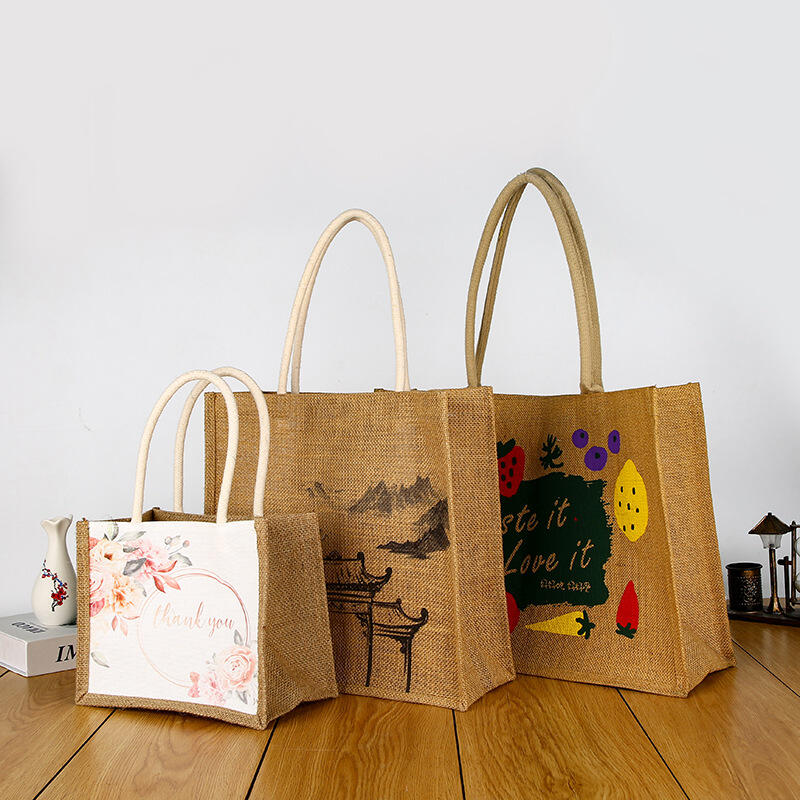
When selecting bags for commercial, promotional, or everyday use, understanding fabric durability becomes crucial for making informed purchasing decisions. A polyester bag offers distinct advantages in terms of longevity, resistance to wear, and maintenance requirements compared to traditional fabric alternatives. The comparison between polyester and other common bag materials reveals significant differences in performance characteristics that directly impact cost-effectiveness and user satisfaction over time.
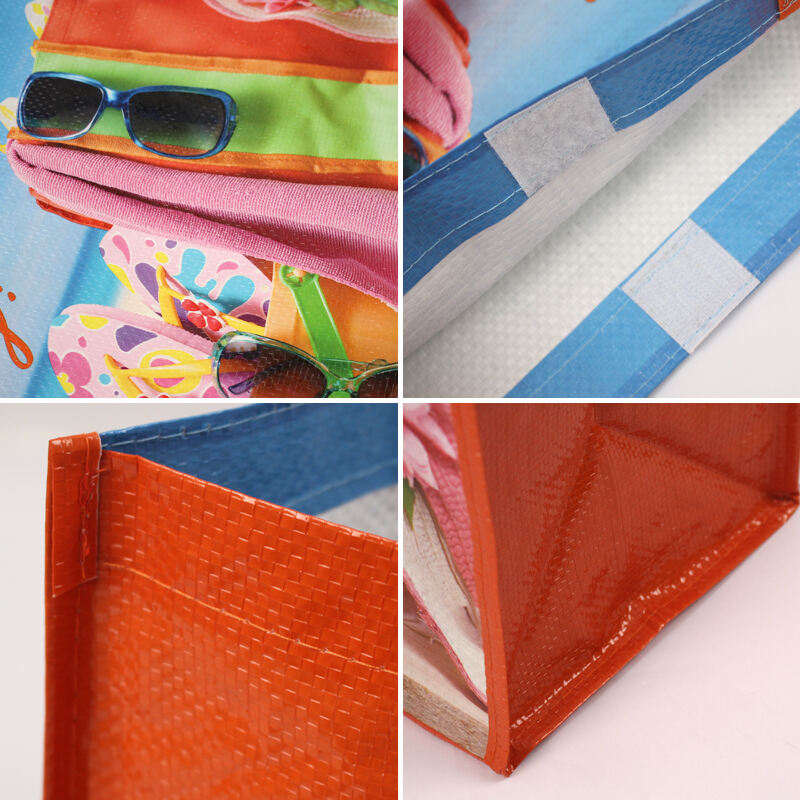
The durability comparison between polyester bag construction and other fabric options involves multiple factors including tensile strength, abrasion resistance, environmental stability, and structural integrity under stress. Cotton bags, canvas alternatives, nylon variants, and synthetic blends each demonstrate unique durability profiles that affect their suitability for different applications. Understanding these comparative advantages helps businesses and consumers select the most appropriate fabric type based on intended use, expected lifespan, and performance requirements in various conditions.
Tensile Strength and Load-Bearing Capacity Analysis
Polyester Fiber Strength Characteristics
The inherent molecular structure of polyester fibers provides exceptional tensile strength that typically exceeds natural fiber alternatives by significant margins. A polyester bag constructed from quality polyester fabric demonstrates superior load-bearing capacity, often supporting weights 30-40% greater than equivalent cotton or canvas bags without structural failure. This strength advantage stems from the polymer chain alignment during manufacturing, creating consistent fiber density and uniform stress distribution across the bag surface.
Laboratory testing reveals that polyester bag materials maintain their tensile properties across temperature variations and humidity fluctuations better than natural fiber competitors. The synthetic nature of polyester prevents the fiber swelling and weakening that commonly affects cotton and linen bags when exposed to moisture. This consistency ensures that a polyester bag maintains predictable performance regardless of environmental conditions, making it particularly suitable for outdoor applications and variable climate exposure.
Comparative Load Testing Results
Direct comparison testing between polyester bag construction and alternative materials demonstrates measurable differences in maximum load capacity before failure occurs. Standard polyester bag fabrics typically achieve tensile strengths ranging from 50-80 pounds per square inch, while cotton alternatives generally reach 30-50 pounds per square inch under identical testing conditions. Canvas bags, though stronger than basic cotton, still fall short of polyester performance in most load-bearing scenarios.
The load distribution characteristics of a polyester bag also contribute to superior durability performance. Unlike natural fibers that may develop weak points or stress concentrations, polyester maintains uniform strength distribution across the entire bag structure. This uniform strength prevents the formation of failure points that commonly develop in cotton or canvas bags after repeated loading cycles. The result is extended service life and reliable performance throughout the bag's operational period.
Abrasion Resistance and Surface Durability
Friction Wear Performance
Abrasion resistance represents a critical durability factor that significantly favors polyester bag construction over natural fiber alternatives. The smooth, uniform surface of polyester fibers creates less friction during contact with rough surfaces, reducing the rate of surface wear that commonly affects cotton and canvas bags. Standard abrasion testing demonstrates that polyester bag materials retain surface integrity significantly longer than comparable natural fiber options.
The polymer structure of polyester creates resistance to fiber breakage and surface pilling that commonly degrades the appearance and functionality of natural fiber bags over time. A polyester bag maintains its original surface texture and appearance even after extended use in demanding environments. This resistance to surface degradation directly translates to extended service life and maintained aesthetic appeal throughout the bag's operational period.
Edge and Seam Integrity
The superior abrasion resistance of polyester extends to critical stress points including bag edges, handle attachment areas, and seam locations where failure commonly initiates in alternative materials. A polyester bag demonstrates exceptional edge integrity, with minimal fraying or fiber separation even after prolonged exposure to rough handling conditions. This edge durability represents a significant advantage over cotton and canvas alternatives that frequently develop fraying and structural weakness at stress concentration points.
Seam durability testing reveals that polyester bag construction maintains thread and fabric integrity at seam locations significantly longer than natural fiber alternatives. The synthetic nature of polyester creates chemical compatibility with polyester threads, resulting in uniform aging and stress response between bag fabric and construction threads. This compatibility prevents the differential wear patterns that commonly cause premature seam failure in mixed-material bag construction.
Environmental Resistance and Stability
Moisture and Humidity Response
Environmental stability represents perhaps the most significant durability advantage of polyester bag construction compared to natural fiber alternatives. Polyester demonstrates exceptional resistance to moisture absorption, typically absorbing less than 1% of its weight in water under standard humidity conditions. This low moisture absorption prevents the dimensional changes, strength reduction, and mold susceptibility that commonly affect cotton and canvas bags in humid environments.
The hydrophobic nature of polyester fibers ensures that a polyester bag maintains its structural properties and dimensional stability regardless of humidity fluctuations or direct moisture exposure. Unlike cotton bags that may shrink, stretch, or develop permanent deformation when wet, polyester bag construction returns to original dimensions and properties after drying. This stability eliminates the maintenance concerns and performance variability associated with natural fiber bag materials.
UV and Chemical Resistance
Ultraviolet radiation resistance provides another significant durability advantage for polyester bag applications, particularly in outdoor or high-exposure environments. Standard polyester formulations include UV stabilizers that prevent polymer degradation and maintain fiber strength even after extended sun exposure. A polyester bag retains approximately 80-90% of original tensile strength after 1000 hours of UV exposure, while cotton alternatives may lose 40-60% of strength under identical conditions.
Chemical resistance further enhances the durability profile of polyester bag construction in industrial and commercial applications. Polyester demonstrates excellent resistance to most acids, bases, and organic solvents that commonly cause degradation in natural fiber materials. This chemical stability ensures that a polyester bag maintains performance and appearance even in challenging chemical environments where cotton or canvas alternatives would experience rapid degradation.
Maintenance Requirements and Lifecycle Durability
Cleaning and Care Simplicity
The maintenance requirements for polyester bag construction significantly favor long-term durability compared to natural fiber alternatives. Polyester's resistance to staining, odor retention, and bacterial growth reduces the frequency and intensity of cleaning required to maintain bag functionality and appearance. A polyester bag typically requires only periodic washing with standard detergents, while cotton and canvas alternatives may require specialized cleaning products and more frequent maintenance cycles.
The quick-drying properties of polyester eliminate the extended drying periods and potential mold development associated with natural fiber bag cleaning. A polyester bag returns to service rapidly after cleaning, reducing operational downtime and extending effective service life. This rapid drying capability also prevents the dimensional changes and texture alterations that commonly affect cotton bags during the drying process.
Long-term Performance Retention
Extended use studies demonstrate that polyester bag construction maintains a higher percentage of original performance characteristics throughout its service life compared to alternative materials. While cotton and canvas bags may show significant performance degradation after 6-12 months of regular use, a polyester bag typically retains 85-95% of original strength and functionality after equivalent service periods. This performance retention directly translates to extended replacement intervals and improved cost-effectiveness.
The consistent performance characteristics of polyester throughout its service life provide predictable durability that supports reliable planning for commercial and institutional bag applications. Unlike natural fiber alternatives that may experience sudden performance drops or unpredictable failure modes, polyester bag construction delivers consistent service until end-of-life conditions are reached. This predictability enables more accurate lifecycle costing and replacement scheduling for large-scale bag applications.
FAQ
How long does a polyester bag typically last compared to cotton bags?
A polyester bag generally lasts 2-3 times longer than equivalent cotton bags under similar use conditions. While cotton bags may show significant wear after 6-12 months of regular use, polyester bag construction typically maintains functional performance for 18-36 months. The exact lifespan depends on usage intensity, environmental conditions, and maintenance practices, but polyester consistently demonstrates superior longevity across various application scenarios.
Can polyester bags handle heavy loads better than canvas or cotton alternatives?
Yes, polyester bag construction typically supports 30-40% greater load capacity than cotton alternatives and maintains consistent load-bearing performance throughout its service life. Canvas bags offer intermediate strength between cotton and polyester but still fall short of polyester's maximum load capacity and long-term strength retention. The uniform fiber structure of polyester prevents the stress concentration points that commonly cause premature failure in natural fiber bags under heavy loads.
Do polyester bags maintain their appearance better than other fabric types over time?
Polyester bag materials demonstrate superior appearance retention compared to natural fiber alternatives due to excellent color stability, reduced pilling, and resistance to surface degradation. While cotton and canvas bags may fade, develop surface roughness, or show wear patterns relatively quickly, a polyester bag typically maintains its original appearance and texture throughout its extended service life. This appearance retention provides both functional and aesthetic advantages for commercial and promotional applications.
Are there any durability disadvantages of polyester bags compared to other materials?
The primary durability limitation of polyester bag construction involves potential melting or deformation at high temperatures, unlike natural fibers that char rather than melt. However, normal use conditions rarely reach problematic temperatures, and polyester's overall durability profile significantly exceeds natural fiber alternatives in most practical applications. The synthetic nature of polyester may also result in static buildup in dry conditions, but this represents a minor operational consideration rather than a durability limitation.
Table of Contents
- Tensile Strength and Load-Bearing Capacity Analysis
- Abrasion Resistance and Surface Durability
- Environmental Resistance and Stability
- Maintenance Requirements and Lifecycle Durability
-
FAQ
- How long does a polyester bag typically last compared to cotton bags?
- Can polyester bags handle heavy loads better than canvas or cotton alternatives?
- Do polyester bags maintain their appearance better than other fabric types over time?
- Are there any durability disadvantages of polyester bags compared to other materials?