
 EN
EN



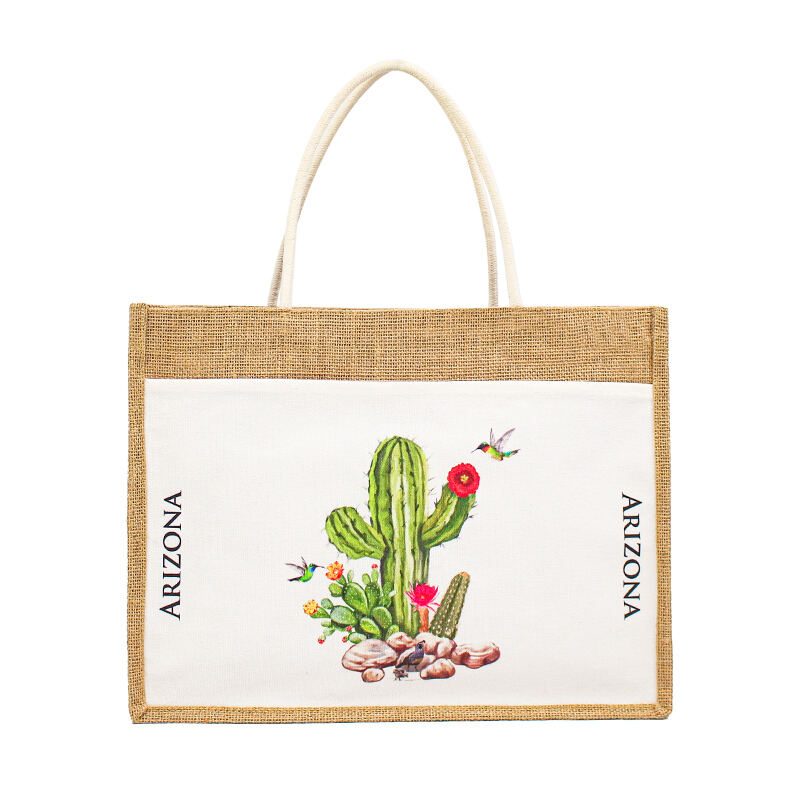
When it comes to sustainable grocery shopping, choosing the right bag can make a significant difference in both environmental impact and shopping convenience. A cotton bag offers numerous advantages over traditional plastic bags and other alternatives, providing shoppers with a reliable, eco-friendly solution that enhances the entire grocery shopping experience. Understanding these benefits helps consumers make informed decisions that align with both practical needs and environmental consciousness.
The superiority of a cotton bag for grocery shopping stems from its natural fiber composition, which delivers exceptional durability, breathability, and versatility. Unlike synthetic alternatives, cotton bags provide a combination of strength and flexibility that accommodates various shopping patterns while maintaining structural integrity over extended use. This natural material also offers unique properties that protect groceries and contribute to a more organized, efficient shopping routine.
Environmental Advantages of Cotton Bags
Biodegradability and Sustainability
A cotton bag represents a significant environmental advancement over plastic alternatives because cotton is a completely biodegradable natural fiber. When a cotton bag eventually reaches the end of its useful life, it decomposes naturally without leaving harmful microplastics in soil or waterways. This biodegradability means that even disposal creates minimal environmental impact compared to synthetic materials that persist for decades.
The renewable nature of cotton production supports sustainable agriculture practices when sourced responsibly. Cotton bags can be manufactured from organic cotton that requires fewer pesticides and chemical treatments, reducing the overall environmental footprint of production. This sustainable sourcing approach makes each cotton bag a conscious choice that supports environmentally responsible manufacturing processes.
Additionally, the carbon footprint of a cotton bag becomes increasingly favorable with extended use. While initial production may require more resources than a single plastic bag, the reusability factor means that one cotton bag can replace hundreds or thousands of disposable bags throughout its lifetime, dramatically reducing overall resource consumption and waste generation.
Waste Reduction Impact
Using a cotton bag for grocery shopping directly contributes to significant waste reduction in both household and community contexts. Each cotton bag eliminates the need for multiple plastic bags per shopping trip, and since most households shop for groceries multiple times per week, this reduction compounds quickly into substantial waste prevention over time.
The durability of cotton bags means they maintain their functionality for years with proper care, unlike plastic bags that often tear or become unusable after a single use. This longevity factor multiplies the waste reduction impact, as one well-made cotton bag can serve grocery shopping needs for several years, replacing thousands of disposable alternatives during its service life.
Community-wide adoption of cotton bags for grocery shopping creates measurable reductions in municipal waste streams. When significant portions of a population choose reusable cotton bags, local waste management systems experience reduced plastic bag volumes, leading to lower disposal costs and decreased environmental burden on landfills and recycling facilities.
Practical Benefits for Grocery Shopping
Superior Durability and Load Capacity
The natural strength of cotton fibers makes a cotton bag exceptionally durable for carrying groceries of varying weights and sizes. Cotton bags can typically support 20-30 pounds of groceries without showing signs of stress or wear, making them suitable for comprehensive shopping trips that include heavy items like canned goods, beverages, and bulk purchases.
Unlike plastic bags that stretch and weaken under load, a cotton bag maintains its shape and structural integrity even when filled to capacity. This reliability prevents the frustrating and messy experience of bag failures that can occur with weaker alternatives, ensuring groceries remain secure and organized from store to home.
The woven construction of cotton bags distributes weight evenly across the fabric, preventing concentration of stress that could lead to tearing. This even weight distribution also makes carrying heavy loads more comfortable, as the bag handles transfer weight efficiently to the user's hand or shoulder without creating pressure points or discomfort during transport.
Breathability and Food Preservation
One distinctive advantage of a cotton bag is its natural breathability, which allows air circulation around groceries during transport and storage. This breathability prevents the moisture buildup that can occur in plastic bags, helping to maintain the freshness and quality of produce, bread, and other perishable items during the journey from store to kitchen.
The porous nature of cotton fabric helps regulate temperature and humidity around groceries, creating a more stable microenvironment that extends the shelf life of fresh items. This is particularly beneficial for fruits and vegetables that continue to respire after harvest and require adequate ventilation to maintain optimal quality.
Additionally, the breathability of cotton bags reduces the risk of condensation that can damage paper goods, electronics, or other moisture-sensitive purchases. This protective quality makes a cotton bag suitable for transporting mixed grocery loads without concern for moisture-related damage to sensitive items.
Health and Safety Considerations
Chemical-Free Material Benefits
A cotton bag offers significant health advantages because natural cotton contains no synthetic chemicals or harmful additives that could potentially transfer to food items. Unlike some plastic bags that may contain plasticizers, stabilizers, or other chemical compounds, cotton bags provide a chemically inert barrier that maintains food safety during transport and short-term storage.
The absence of synthetic materials in cotton bags eliminates concerns about chemical leaching that can occur when plastic bags are exposed to heat or certain food types. This chemical safety is particularly important for organic shoppers and health-conscious consumers who want to minimize exposure to potentially harmful substances throughout their food handling process.
Natural cotton also resists bacterial and fungal growth better than many synthetic materials, especially when properly maintained and cleaned. This antimicrobial resistance helps maintain hygienic conditions for grocery transport and reduces the risk of cross-contamination between different shopping trips or food types.
Allergen Management
For individuals with chemical sensitivities or allergies to synthetic materials, a cotton bag provides a safe alternative that eliminates exposure to potential allergens found in plastic or other synthetic bag materials. The hypoallergenic nature of natural cotton makes it suitable for people with multiple chemical sensitivities who need to minimize exposure to synthetic compounds.
Cotton bags can be easily washed and sanitized using natural cleaning methods, allowing users to maintain strict hygiene standards without relying on chemical disinfectants. This washability is particularly valuable for individuals who need to manage food allergies or dietary restrictions that require careful contamination control.
The smooth texture of cotton fabric also prevents the accumulation of allergens and irritants that might collect in the textured surfaces of some plastic bags. This smooth surface makes thorough cleaning more effective and reduces the likelihood of residual allergens remaining in the bag after washing.
Economic and Convenience Factors
Long-term Cost Effectiveness
While a cotton bag requires an initial investment that exceeds the cost of disposable alternatives, the long-term economic benefits become apparent through extended use and durability. A quality cotton bag can provide years of reliable service, effectively amortizing its cost over hundreds or thousands of shopping trips, making the per-use cost extremely low.
Many grocery stores now charge fees for plastic bags or offer discounts for customers who bring reusable bags, creating direct financial incentives for using a cotton bag. These savings accumulate over time, and frequent shoppers can recover the initial bag investment within months while continuing to benefit from ongoing savings throughout the bag's lifespan.
The durability of cotton bags also eliminates the ongoing expense of purchasing disposable bags or replacing frequently damaged reusable alternatives. This elimination of recurring costs makes cotton bags particularly economical for households that do substantial grocery shopping or make frequent shopping trips.
Storage and Maintenance Convenience
A cotton bag offers superior storage convenience because it can be folded compactly when not in use, taking up minimal space in cars, purses, or home storage areas. Unlike rigid alternatives, cotton bags conform to available storage spaces and can be easily tucked away until needed for shopping trips.
The maintenance requirements for cotton bags are straightforward and can be integrated into regular household laundry routines. Cotton bags can be machine washed with regular detergents and air dried, requiring no special care products or procedures that would complicate their maintenance or increase their total cost of ownership.
The lightweight nature of cotton bags makes them easy to carry and transport, even when multiple bags are needed for large shopping trips. This portability ensures that shoppers can always have adequate bag capacity available without being burdened by heavy or bulky carrying solutions.
FAQ
How long does a cotton bag typically last for grocery shopping?
A well-made cotton bag can last 2-5 years with regular grocery shopping use, depending on the frequency of use and care quality. With proper maintenance including regular washing and careful handling, many cotton bags remain functional for even longer periods. The natural durability of cotton fibers ensures that these bags maintain their structural integrity through hundreds of shopping trips.
Can cotton bags carry heavy items like canned goods and beverages?
Yes, cotton bags are excellent for carrying heavy grocery items including canned goods, bottles, and bulk purchases. Most quality cotton bags can safely support 20-30 pounds of weight without showing signs of stress or damage. The woven construction of cotton fabric distributes weight evenly, making these bags suitable for comprehensive grocery shopping that includes heavy items.
Are cotton bags hygienic for repeated food transport?
Cotton bags are very hygienic when properly maintained through regular washing. The natural properties of cotton resist bacterial growth, and the fabric can be thoroughly cleaned using standard laundry procedures. Machine washing cotton bags with regular detergent effectively removes any accumulated bacteria, food residues, or odors, ensuring safe food transport for each shopping trip.
How do cotton bags compare to other reusable bag materials?
Cotton bags offer unique advantages over other reusable materials including superior breathability, complete biodegradability, and chemical-free composition. While synthetic reusable bags may offer water resistance, cotton bags provide better ventilation for fresh produce and eliminate concerns about chemical leaching. The natural fiber composition makes cotton bags the most environmentally responsible choice for consumers prioritizing sustainability and health safety.