Versatile Storage Solution for Multiple Applications
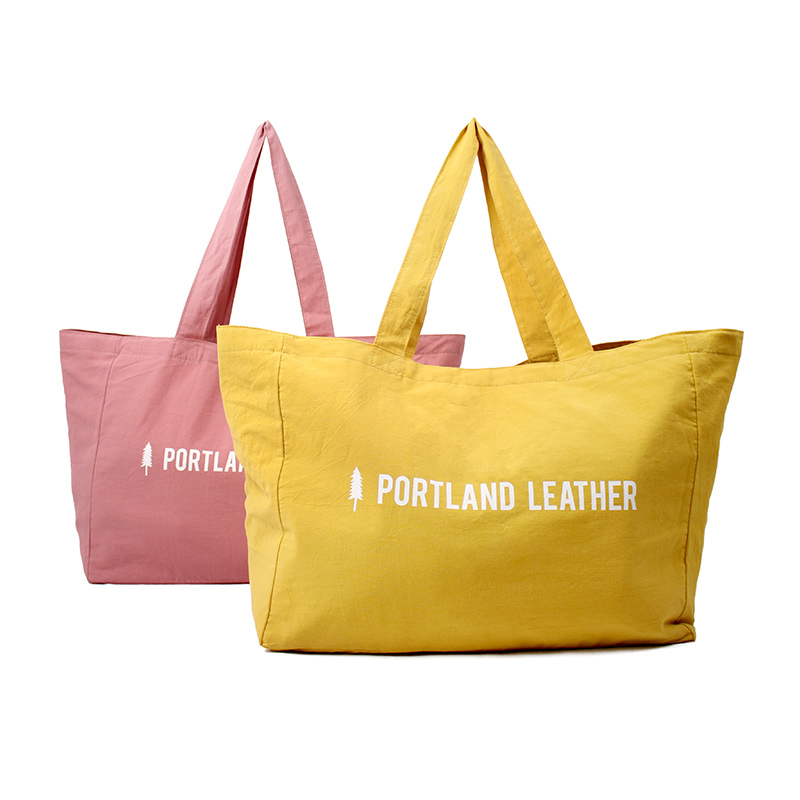
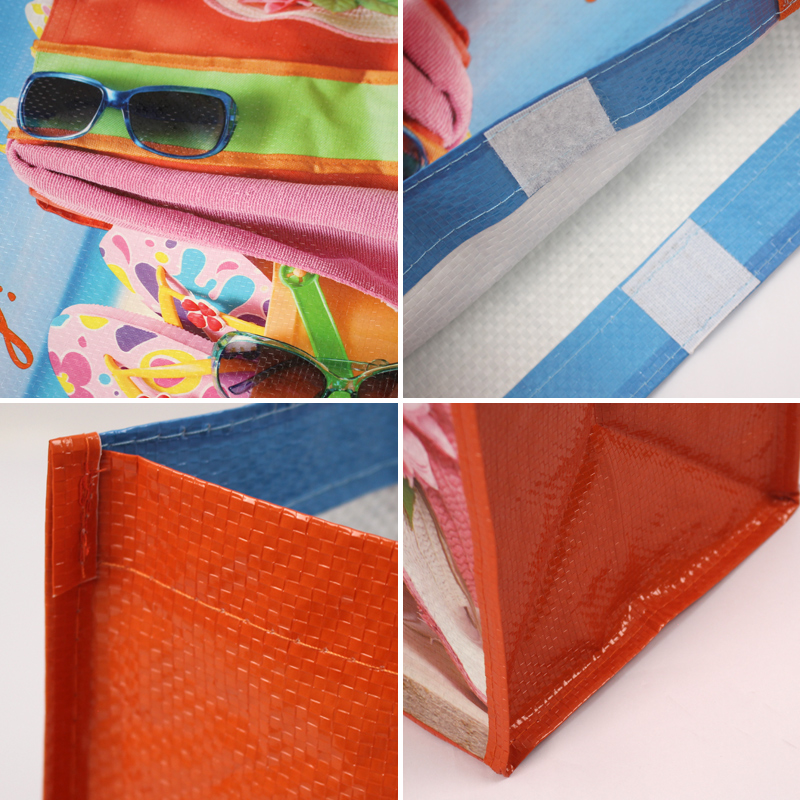
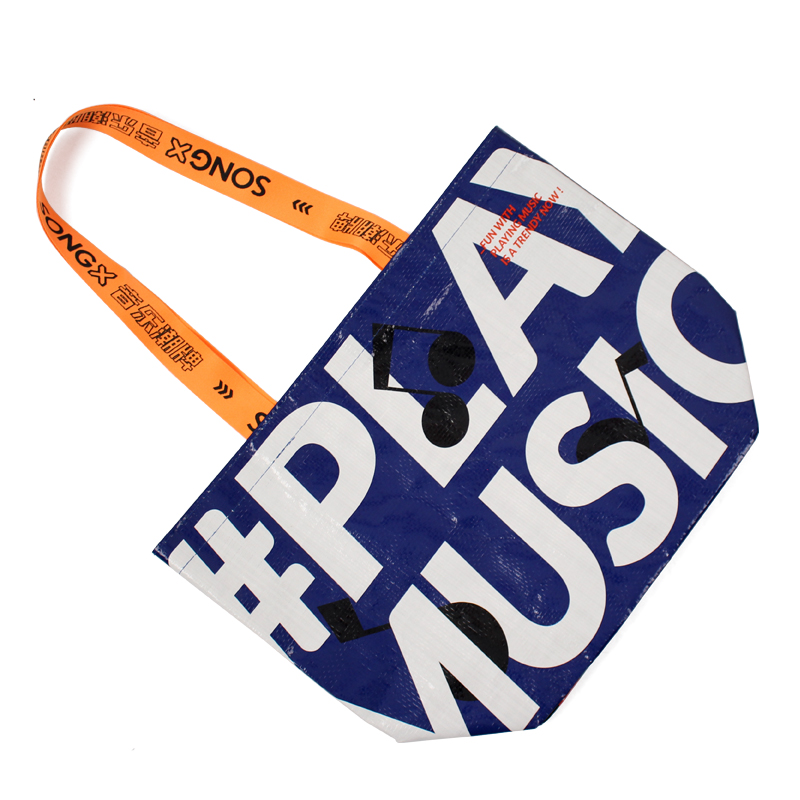
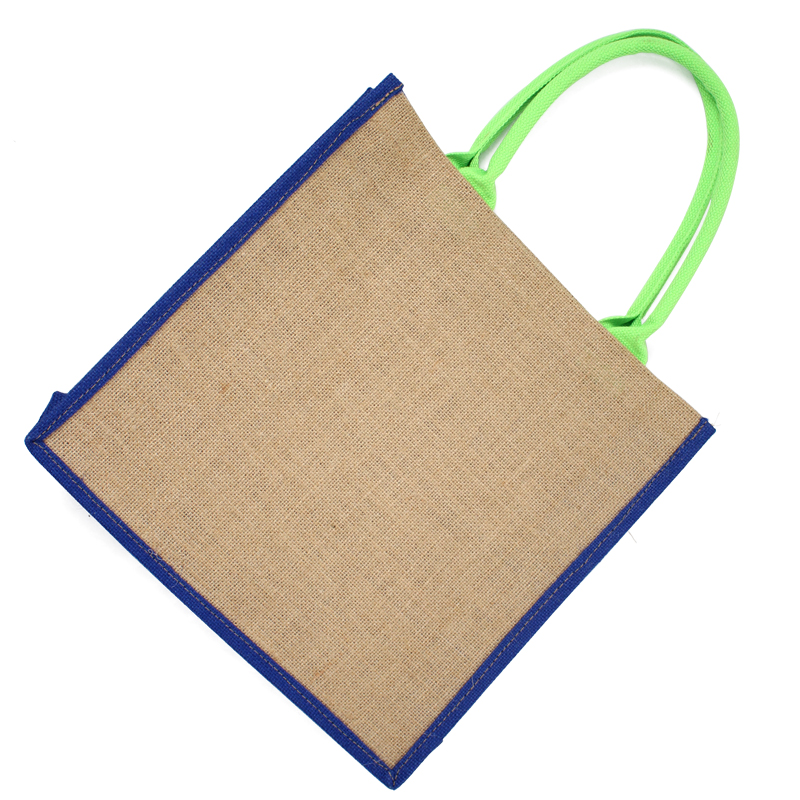
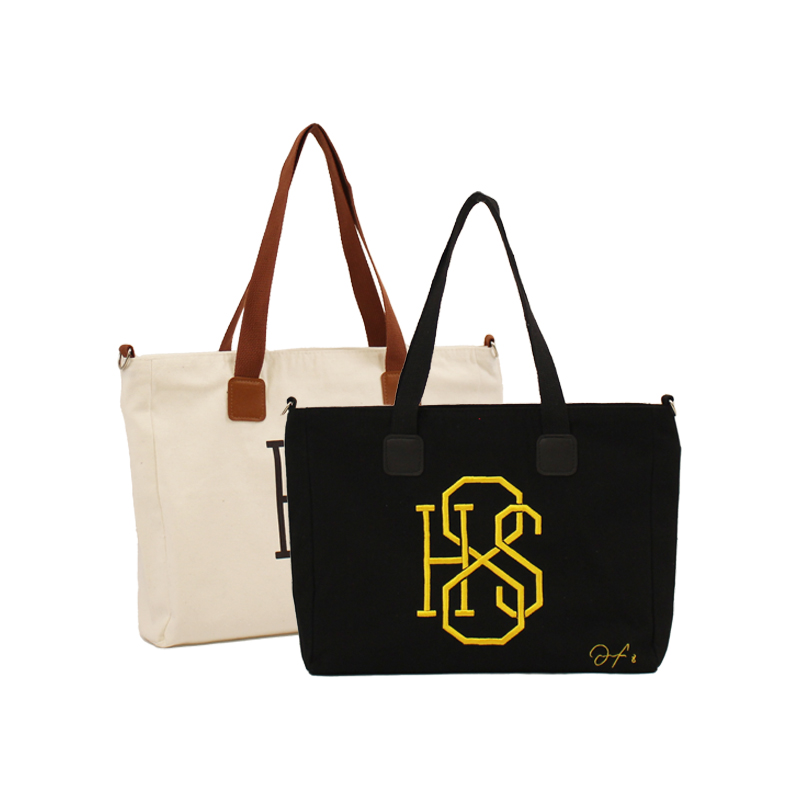
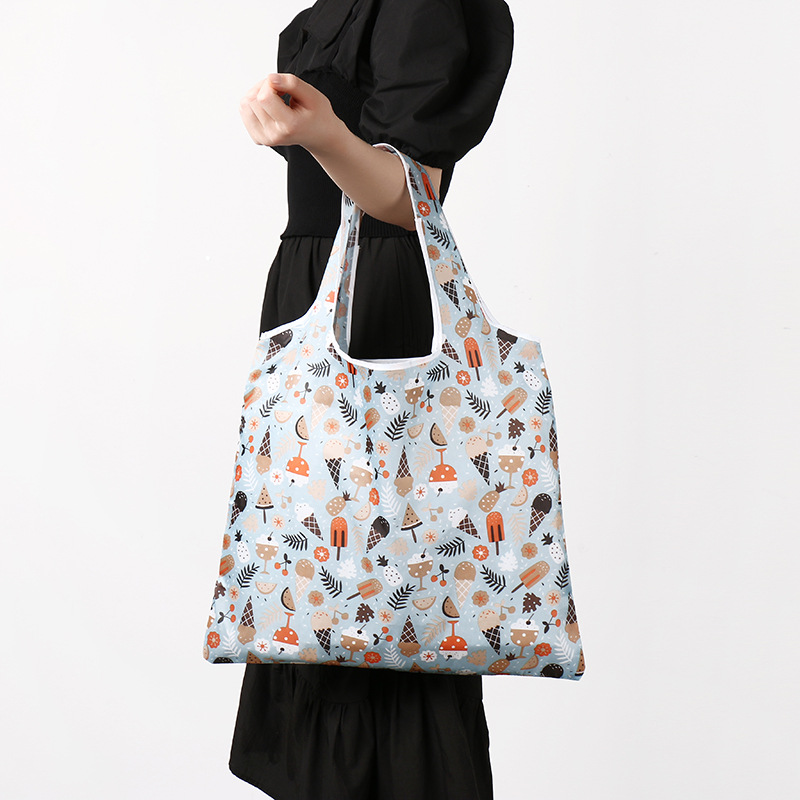
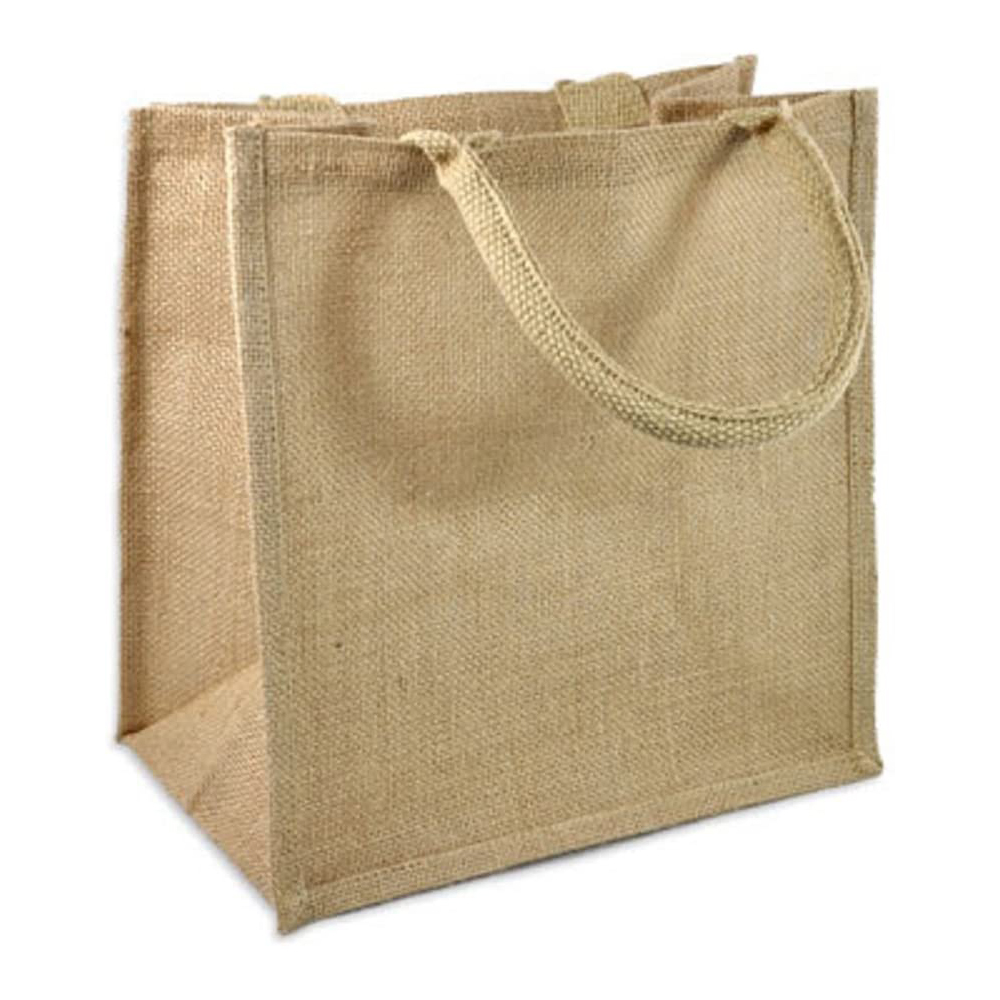
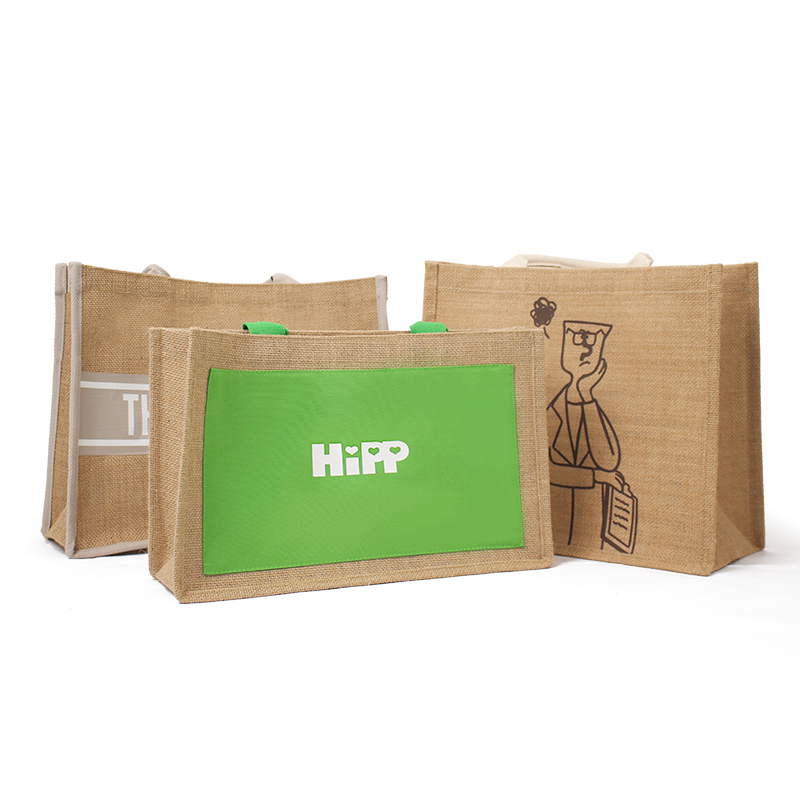
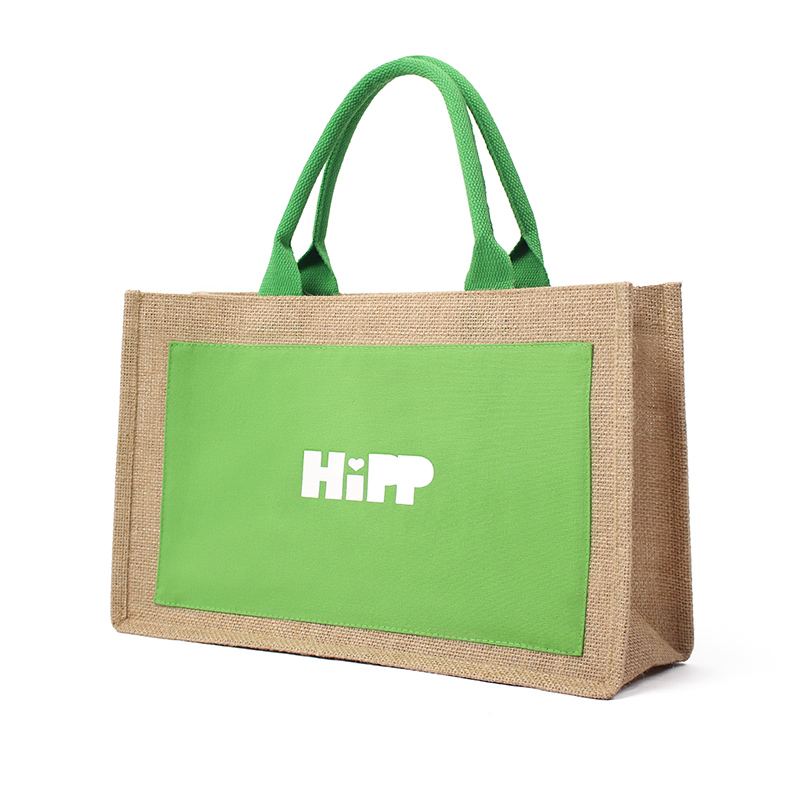
The jute bag pouch adapts seamlessly to numerous storage and transportation needs across personal and commercial contexts. Whether organizing household items or serving retail customers, this jute bag pouch proves remarkably versatile. A jute bag pouch works effectively for grocery shopping, produce storage, craft organization, and even promotional merchandise packaging. The flexible design of this jute bag pouch accommodates different item sizes without compromising structural stability or aesthetic appeal. Businesses utilize a jute bag pouch for brand promotion, as customers reuse bags featuring company logos repeatedly. The jute bag pouch serves agricultural operations by storing grains, seeds, and dried goods with excellent breathability protection. Educational institutions implement a jute bag pouch for student organization and project storage solutions. The natural aesthetic of a jute bag pouch complements various interior design styles, making it suitable for home storage. A jute bag pouch functions equally well in professional environments, retail spaces, and casual household settings. The practical versatility of this jute bag pouch reduces the need for multiple specialized storage solutions. Creative professionals discover that a jute bag pouch provides ideal storage for craft supplies, art materials, and personal collections. The jute bag pouch's adaptability makes it an intelligent choice for anyone seeking flexible, sustainable storage options across diverse applications.

 EN
EN