
 EN
EN


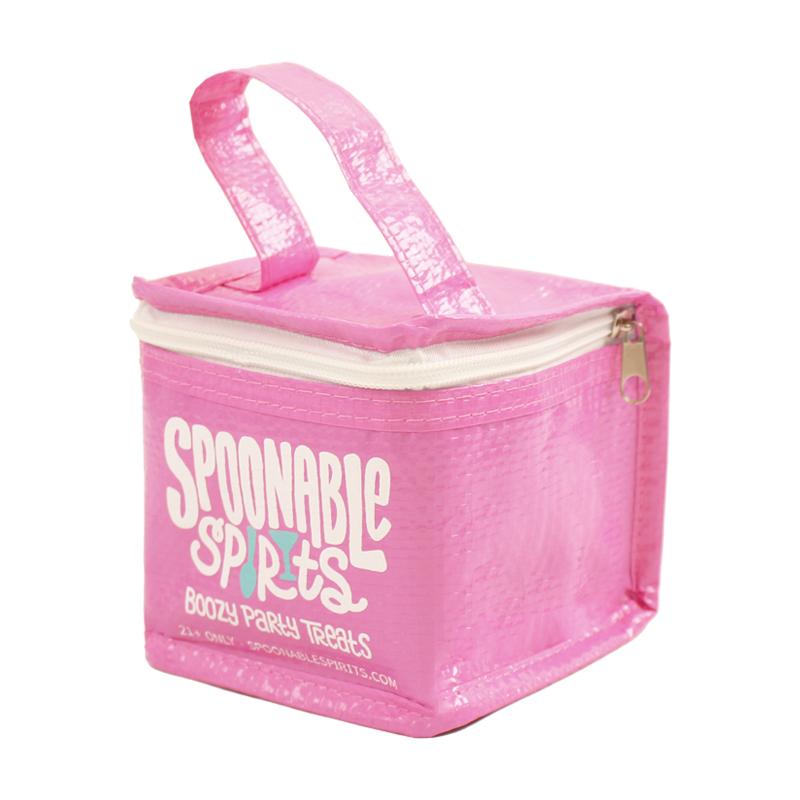
The dostosowana torebka stała się cicho jednym z najbardziej rozpoznawalnych i najczęściej wykorzystywanych przedmiotów z nadrukiem marki w nowoczesnej handlowej rzeczywistości. Od wystaw branżowych po codzienne dojazdy do pracy w miastach – te uniwersalne torby pojawiają się praktycznie w każdej możliwej sytuacji zawodowej i konsumenckiej. W 2026 roku ich popularność nie osiągnęła szczytu, lecz przyspieszyła, napędzana połączeniem czynników kulturowych, komercyjnych i środowiskowych, które czynią je wyjątkowo odpowiednimi dla obecnej chwili.
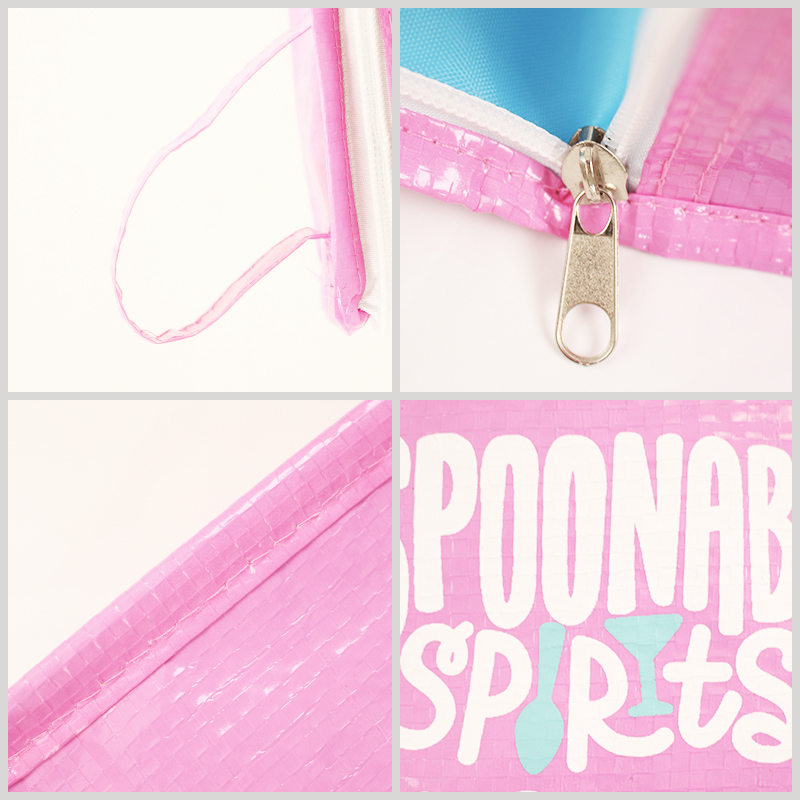
Zrozumienie, dlaczego dostosowana torebka dominuje w zakresie promocyjnych artykułów reklamowych, prezentów detalicznych oraz marketingu marki w 2026 roku wymaga spojrzenia poza powierzchowne trendy. Powody są strukturalne — wynikają z zachowań konsumentów, sposobu komunikacji marek oraz zmian w oczekiwaniach dotyczących zrównoważonego rozwoju, które przekształciły decyzje zakupowe w różnych branżach. W niniejszym artykule omówiono kluczowe czynniki leżące u podstaw trwałości i rosnącej popularności niestandardowych torb na zakupy.
Przesunięcie w kierunku funkcjonalnych artykułów reklamowych z nadrukowaną marką
Użyteczność jako nowy standard prezentów marki
Przez wiele lat artykuły reklamowe były dominowane przez przedmioty, które wyglądały imponująco, ale oferowały niewielką wartość praktyczną — gadżety nowatorskie, ozdobne bezużyteczne drobiazgi oraz jednorazowe prezenty, które kończyły życie w szufladach biurkowych lub koszach na śmieci. Rynek znacznie dojrzał, a zakupujący B2B oraz zespoły marketingowe stawiają obecnie na produkty, których odbiorcy rzeczywiście będą używać. Niestandardowa torba na zakupy znajduje się na szczycie tej hierarchii użyteczności.
Dobrze wykonana torba typu tote na zamówienie spełnia codzienne funkcje: przenoszenie zakupów, transport materiałów służbowych, pakowanie sprzętu do siłowni lub pełnienie roli lekkiego towarzysza podczas podróży. Ponieważ integruje się z codziennymi rutynami, generuje powtarzające się wrażenia związane z marką bez konieczności ponoszenia dodatkowych wydatków na marketing. Za każdym razem, gdy odbiorca używa torby w miejscu publicznym, marka wydrukowana na niej uzyskuje organiczną widoczność, której żadna reklama cyfrowa nie jest w stanie zasymulować.
Ten przesuw w kierunku funkcjonalnych prezentów sprawił, że torba typu tote na zamówienie stała się domyślnym wyborem na wydarzenia korporacyjne, zestawy dla nowo przyjętych pracowników, pakiety docenienia klientów oraz programy lojalnościowe sklepów detalicznych. Jej przydatność nie jest przypadkowa — stanowi ona główny powód, dla którego przewyższa większość innych formatów promocyjnych pod względem retencji i częstotliwości użytkowania.
Wszechstranność w różnych branżach i wśród różnych odbiorców
Jedną z najbardziej przekonujących przyczyn popularności niestandardowych torb typu tote w 2026 roku jest ich zastosowanie w różnych branżach. W przeciwieństwie do niszowych przedmiotów promocyjnych, które mają sens wyłącznie w określonych sektorach, niestandardowa torba typu tote sprawdza się równie dobrze w przypadku startupu technologicznego, marki luksusowych produktów do pielęgnacji skóry, uczelni, organizacji pozarządowej czy firmy logistycznej. Format ten jest na tyle neutralny, że można go dostosować do tożsamości dowolnej marki poprzez projekt, wybór materiału oraz technikę nadruku.
Ta wszechstranność dotyczy również odbiorców. Niestandardowa torba typu tote przyciąga profesjonalistów, studentów, rodziców, podróżnych oraz codziennych klientów. Nie wiąże się ona z ograniczeniami demograficznymi, które charakteryzują inne kategorie artykułów promocyjnych. Dla marek skierowanych do zróżnicowanej bazy klientów lub działających na wielu segmentach rynku taka szeroka atrakcyjność stanowi istotną zaletę strategiczną.
Możliwość dostosowania wymiarów, uchwytów, zapięć, kieszeni oraz obszarów nadruku oznacza, że jedną kategorię produktów można dopasować do zupełnie różnych zastosowań. Kompaktowa, niestandardowa torba typu tote zaprojektowana dla marki butikowej sklepu detalicznego wygląda i funkcjonuje zupełnie inaczej niż przesadnie duża wersja wykonana z płótna, przeznaczona dla księgarni uniwersyteckiej — mimo to obie efektywnie spełniają swoje zadania wobec odpowiednich grup odbiorców.
Zrównoważony rozwój jako kluczowy czynnik napędzający popyt
Oczekiwania konsumentów wobec produktów przyjaznych środowisku
Rozmowy na temat zrównoważonego rozwoju przesunęły się z niszowego zaangażowania do powszechnych oczekiwań. W 2026 roku konsumenci z różnych grup wiekowych i poziomów dochodowych uwzględniają wpływ na środowisko naturalne przy podejmowaniu decyzji zakupowych oraz wybierając lojalność wobec danej marki. Niestandardowa torba typu tote wykonana z naturalnego płótna, materiałów wtórnych lub bawełny ekologicznej bezpośrednio odpowiada tym oczekiwaniom — w sposób, w jaki nie potrafią tego zrobić alternatywy z tworzyw sztucznych lub materiałów syntetycznych.
Marki, które rozprowadzają niestandardowe torby na zakupy jako część swojej strategii marketingowej lub opakowaniowej, wysyłają wyraźny sygnał dotyczący swoich wartości. Ten sygnał nie przechodzi niezauważony przez odbiorców. Badania pokazują jednoznacznie, że ekologiczne przedmioty promocyjne budują silniejsze pozytywne skojarzenia z marką niż ich konwencjonalne odpowiedniki. Niestandardowa torba na zakupy stała się namacalnym wyrazem zaangażowania marki w ochronę środowiska — wyrazem, który odbiorcy mogą nosić, używać i prezentować publicznie.
Dla zakupujących w modelu B2B towarów przeznaczonych na wydarzenia korporacyjne lub prezenty dla klientów, cechy zrównoważonego rozwoju niestandardowej torby na zakupy zmniejszają również ryzyko zakupowe. W miarę jak wymagania dotyczące raportowania ESG się poszerzają, a polityki korporacyjne dotyczące zrównoważonego rozwoju stają się coraz surowsze, wybór artykułów promocyjnych zgodnych z tymi politykami staje się praktyczną koniecznością, a nie tylko preferencją.
Ciśnienie regulacyjne wobec jednorazowych wyrobów plastikowych
Zmiany legislacyjne w głównych rynkach przyspieszyły przejście od jednorazowych torbek plastikowych. Zakazy, opłaty i ograniczenia dotyczące plastikowych torbek na zakupy zostały wprowadzone w dziesiątkach krajów i gmin, co stworzyło strukturalną lukę popytową, którą idealnie może wypełnić niestandardowa torba typu tote. Sieci handlowe, organizatorzy wydarzeń oraz marki, które wcześniej polegały na plastikowej opakowaniu, musiały znaleźć alternatywy — a wielokrotnie używana niestandardowa torba typu tote jest najbardziej praktyczną i przyjazną dla marki dostępną opcją.
Ten regulacyjny impuls doprowadził do pojawienia się niestandardowej torby typu tote wśród odbiorców i branż, które nie zwracałyby na nią wcześniej uwagi. Sieci spożywcze, usługi dostawy żywności, detaliści mody oraz marki z sektora hotelarstwa i gastronomii włączyły brandedowe torby typu tote do swojej obsługi klienta jako bezpośrednią odpowiedź na ograniczenia dotyczące plastiku. Wynikiem tego jest szerszy rynek oraz bardziej ustandaryzowana kategoria produktów.
Dla marek wchodzących na ten rynek w 2026 roku środowisko regulacyjne nie stanowi ograniczenia – jest to okazja. Oferowanie dobrze zaprojektowanego, niestandardowego torby jako części zakupu, subskrypcji lub doświadczenia związanego z wydarzeniem pozycjonuje markę jako nowoczesną i zgodną z przepisami, jednocześnie dostarczając produktu, który klienci rzeczywiście doceniają i przechowują.
Wolność projektowania i ekspresja marki
Znacznie poszerzone możliwości personalizacji
Możliwości techniczne związane z personalizacją torby uległy znacznemu rozwojowi. Druk sitowy, transfer cieplny, haft, cyfrowy druk bezpośrednio na materiale oraz integracja tkanych etykiet oferują różne efekty estetyczne, a wybór między nimi pozwala markom precyzyjnie dopasować swój wizerunek wizualny. Minimalistyczna marka może wybrać jednokolorowy druk sitowy na naturalnym płótnie, podczas gdy marka zorientowana na modę może zdecydować się na pełnopowierzchniowy druk cyfrowy z szczegółami fotograficznymi.
Ta swoboda projektowania oznacza, że niestandardowa torba typu tote nie jest ogólnodostępnym prezentem — stanowi powierzchnię do opowiadania historii marki. Powierzchnia torby, styl uchwytów, wykładzina wnętrza, a nawet faktura materiału wpływają na ogólne wrażenie z marki. Gdy wszystkie te elementy są spójne z jednolitą tożsamością wizualną, wynikiem jest produkt, który wydaje się luksusowy i przemyślany, a nie masowo produkowany i zapomniany.
Dla zespołów marketingowych i menedżerów marek ten poziom kontroli ma wyjątkową wartość. Niestandardową torbę typu tote można dostosować do kampanii sezonowych, limitowanych edycji, brandingów specyficznych dla konkretnych wydarzeń lub partnerstw współmarkowych. Jej elastyczność jako medium projektowego czyni ją powtarzalnym narzędziem w arsenału marki, a nie jednorazową decyzją zakupową.
Rola estetyki w przyjęciu produktu przez konsumentów
Niestandardowa torba typu tote, która dobrze wygląda, jest używana częściej. To nie jest trywialne spostrzeżenie — jest to kluczowe wnioski, które odróżnia skuteczną, markowaną reklamówkę od przedmiotów, które są wyrzucane. Gdy odbiorcy uznają torbę typu tote za wizualnie atrakcyjną, chętnie integrują ją w swoje codzienne życie, przekształcając ją w mobilną reklamę marki, działającą nieustannie w miejscach publicznych.
W 2026 roku standardy estetyczne dotyczące markowanych reklamówek wzrosły wraz z ogólnym podniesieniem poziomu literatury projektowej wśród konsumentów. Ludzie stają się bardziej wymagający w kwestii tego, co noszą i pokazują, a źle zaprojektowana niestandardowa torba typu tote negatywnie wpływa na wizerunek marki, którą reprezentuje. Z kolei starannie zaprojektowana torba wykonana z wysokiej jakości materiałów i zawierająca czyste grafiki może stać się przedmiotem poszukiwanym — czymś, o co odbiorcy proszą, co publikują w mediach społecznościowych oraz z czym kojarzą pozytywne doświadczenia związane z marką.
Ten dynamiczny trend zmusił marki do poważniejszych inwestycji w projektowanie i jakość produkcji zamówionych toreb typu tote. Wynikiem jest kategoria produktów, która przeszła ewolucję od taniego przedmiotu reklamowego do prawdziwego aktywa marki – zdolnego generować pozyskiwanie klientów poprzez rekomendacje werbalne oraz udostępnianie w mediach społecznościowych, czego nie potrafią osiągnąć niemal żadne inne artykuły promocyjne.
Efektywność kosztowa i skalowalność dla firm
Korzystna opłacalność przy różnych wielkościach zamówień
Z punktu widzenia zakupów toreb typu tote z nadrukiem własnym oferuje atrakcyjny stosunek kosztu do liczby odbiorów marki. Koszt jednostkowy jest stosunkowo niski, zwłaszcza przy dużych zamówieniach, podczas gdy liczba odbiorów marki wywołanych przez daną torbę w całym okresie jej użytkowania jest bardzo wysoka. Pojedyncza, regularnie używana przez dwanaście miesięcy torba z nadrukiem własnym generuje setki lub tysiące ekspozycji marki – wynik ten porównywalny z większością formatów mediów płatnych.
Dla małych firm i startupów niestandardowa torba typu tote jest dostępna nawet przy niewielkich zamówieniach. Wiele dostawców oferuje elastyczne minimalne wymagania dotyczące ilości zamówienia, co pozwala nowym markom na testowanie projektów oraz ocenę reakcji odbiorców bez konieczności zakupu dużych zapasów. Ta skalowalność czyni niestandardową torbę typu tote rozwiązaniem odpowiednim dla organizacji na każdym etapie rozwoju – od wczesnych faz działalności startupów po ugruntowane przedsiębiorstwa prowadzące globalne kampanie.
Korzyści ekonomiczne wynikają również z trwałości torby. W przeciwieństwie do papierowych toreb lub jednorazowej opakowania, wysokiej jakości niestandardowa torba typu tote pozostaje funkcjonalna i prezentowalna przez wiele lat. Ta długowieczność wydłuża zwrot z inwestycji w markę i zmniejsza częstotliwość ponownego zamówienia, czyniąc ją kosztowo efektywnym wyborem w przypadku trwałych programów zwiększania widoczności marki.
Integracja w szersze strategie marketingowe i opakowaniowe
Niesterowna torba typu tote znalazła naturalne zastosowanie w zintegrowanych strategiach marketingowych. Działa skutecznie jako samodzielny przedmiot promocyjny, ale może również służyć jako opakowanie na nowe produkty, element zestawów powitalnych, pojemnik na materiały wykorzystywane podczas imprez lub atrakcyjna dodatkowa opcja w ramach subskrypcyjnych paczek. Możliwość takiej integracji znacznie zwiększa jej wartość w ramach budżetu marketingowego.
Marki e-commerce szczególnie chętnie wykorzystują niesterowne torby typu tote jako ulepszenie opakowania, które wzbogaca doświadczenie związane z otwarciem przesyłki. Wysyłanie produktów w markowej torbie zamiast w zwykłym kartonowym pudełku tworzy niezapomniane pierwsze wrażenie i zapewnia klientowi wielokrotnie wykorzystywalny przedmiot kojarzony z daną marką. Takie podejście zostało przyjęte w różnych kategoriach, m.in. kosmetyków, produktów związanych ze zdrowiem i dobrym samopoczuciem, żywności oraz odzieży.
Dla organizatorów wydarzeń niestandardowa torba na zakupy stanowi zarówno praktyczne narzędzie, jak i punkt kontaktu z marką. Uczestnicy konferencji, warsztatów oraz wystaw handlowych korzystają z tej torby podczas całego wydarzenia, a po jego zakończeniu zabierają ją ze sobą do domu, co powoduje rozszerzenie zasięgu marki daleko poza samo wydarzenie. Ta podwójna funkcja – natychmiastowa przydatność oraz długotrwała widoczność – czyni niestandardową torbę na zakupy jednym z najbardziej strategicznie uzasadnionych inwestycji w zestawie narzędzi marketingowych wykorzystywanych podczas organizowania wydarzeń.
Często zadawane pytania
Jakie materiały są najczęściej stosowane do produkcji niestandardowych tote bagów w 2026 roku?
Płótno pozostaje najpopularniejszym materiałem do niestandardowych torb typu tote ze względu na jego wytrzymałość, możliwość drukowania oraz naturalny wygląd. Płótno bawełniane, bawełna ekologiczna oraz mieszanki bawełny recyklingowej są powszechnie stosowane, szczególnie przez marki zobowiązuje się do zasad zrównoważonego rozwoju. Niemalowane polipropylen jest tańszą alternatywą wykorzystywaną w przypadku masowych zamówień promocyjnych, podczas gdy juta i len cieszą się zainteresowaniem marek dążących do osadzenia się w segmencie artystycznym lub ekologicznie premium. Wybór materiału ma istotny wpływ na odczucia związane z użytkowaniem torby, jakość nadruku oraz postrzeganą wartość produktu.
Ile razy należy użyć niestandardowej torby typu tote, aby zrekompensować jej ślad ekologiczny?
Punkt równowagi środowiskowej dla niestandardowej torby typu tote zależy od materiału i procesu produkcji, ale badania wskazują zazwyczaj, że torba typu tote wykonana z bawełny musi być używana od 50 do 150 razy, aby zrekompensować wpływ jej produkcji w porównaniu do jednorazowych plastikowych toreb. Biorąc pod uwagę, że dobrze wykonana niestandardowa torba typu tote jest zwykle używana setki razy w trakcie całego okresu jej użytkowania, przekracza ona ten próg z łatwością – o ile odbiorcy rzeczywiście korzystają z niej regularnie. Oznacza to, że jakość projektu oraz atrakcyjność dla odbiorców są kluczowymi czynnikami decydującymi o rzeczywistej wydajności środowiskowej torby.
Jaki jest typowy czas realizacji zamówienia dużej partii niestandardowych toreb typu tote?
Czas realizacji zamówienia niestandardowej torby typu tote zależy od dostawcy, wielkości zamówienia, stopnia złożoności personalizacji oraz wybranej metody wysyłki. Standardowa produkcja trwa zwykle od 10 do 20 dni roboczych po zatwierdzeniu grafiki, a dodatkowy czas jest wymagany na przewóz międzynarodowy. Wiele dostawców oferuje opcje przyspieszonej produkcji dla kampanii o ograniczonym czasie realizacji, choć zazwyczaj wiążą się one z dodatkowymi kosztami. Zaleca się planowanie zamówień niestandardowych toreb typu tote co najmniej sześć–osiem tygodni przed datą uruchomienia kampanii, aby zapewnić wystarczający czas na przygotowanie próbek, wprowadzanie poprawek oraz organizację logistyki.
Czy niestandardową torbę typu tote można wykorzystać jako opakowanie detaliczne bez dodatkowego zewnętrznego opakowania?
Tak, niestandardowa torba typu tote jest coraz częściej wykorzystywana jako samodzielna opakowanie detaliczne, szczególnie w sektorach mody, kosmetologii i prezentów. Gdy torba jest dobrze wykonana i starannie brandingowana, pełni ona funkcję zarówno pojemnika na produkt, jak i dodatkowego prezentu. Takie podejście zmniejsza potrzebę stosowania dodatkowych pudełek lub opakowań, obniża koszty opakowań oraz tworzy bardziej zrównoważone i zapadające w pamięć doświadczenie klienta. Marki stosujące tę strategię zwykle zapewniają, że jakość projektu torby jest wystarczająco wysoka, aby mogła stanowić atrakcyjny przedmiot sam w sobie, a nie jedynie praktyczne dodatkowe rozwiązanie.
Spis treści
- Przesunięcie w kierunku funkcjonalnych artykułów reklamowych z nadrukowaną marką
- Zrównoważony rozwój jako kluczowy czynnik napędzający popyt
- Wolność projektowania i ekspresja marki
- Efektywność kosztowa i skalowalność dla firm
-
Często zadawane pytania
- Jakie materiały są najczęściej stosowane do produkcji niestandardowych tote bagów w 2026 roku?
- Ile razy należy użyć niestandardowej torby typu tote, aby zrekompensować jej ślad ekologiczny?
- Jaki jest typowy czas realizacji zamówienia dużej partii niestandardowych toreb typu tote?
- Czy niestandardową torbę typu tote można wykorzystać jako opakowanie detaliczne bez dodatkowego zewnętrznego opakowania?