
 EN
EN



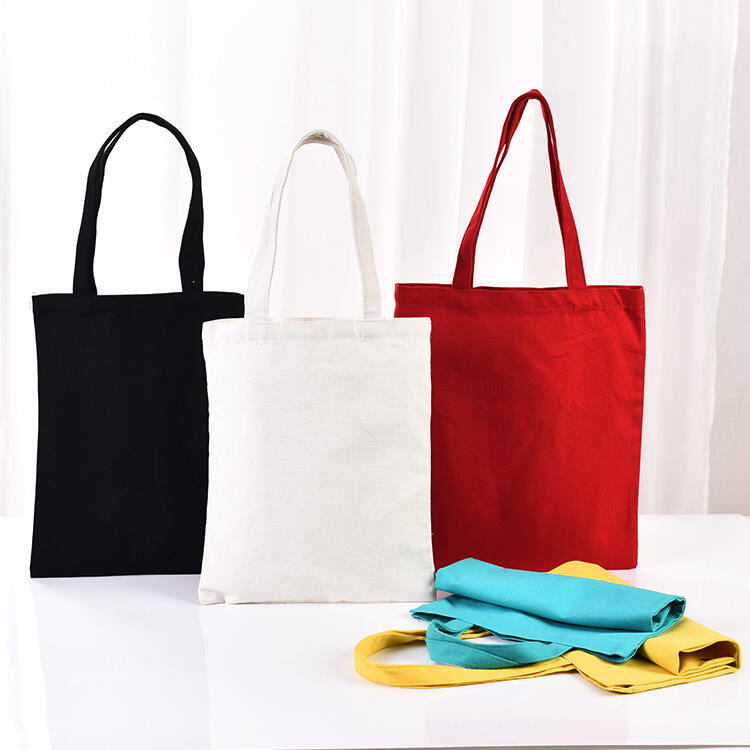
Navigating the vast world of accessories can be overwhelming, but few items offer the timeless utility and effortless style of a high-quality canvas bag. Originally designed for industrial use and maritime ruggedness, the modern canvas carrier has transitioned into a staple for students, professionals, and eco-conscious shoppers. However, finding the "right" one involves more than just picking a color; it requires an understanding of fabric weight, structural design, and how the bag aligns with your specific daily activities.
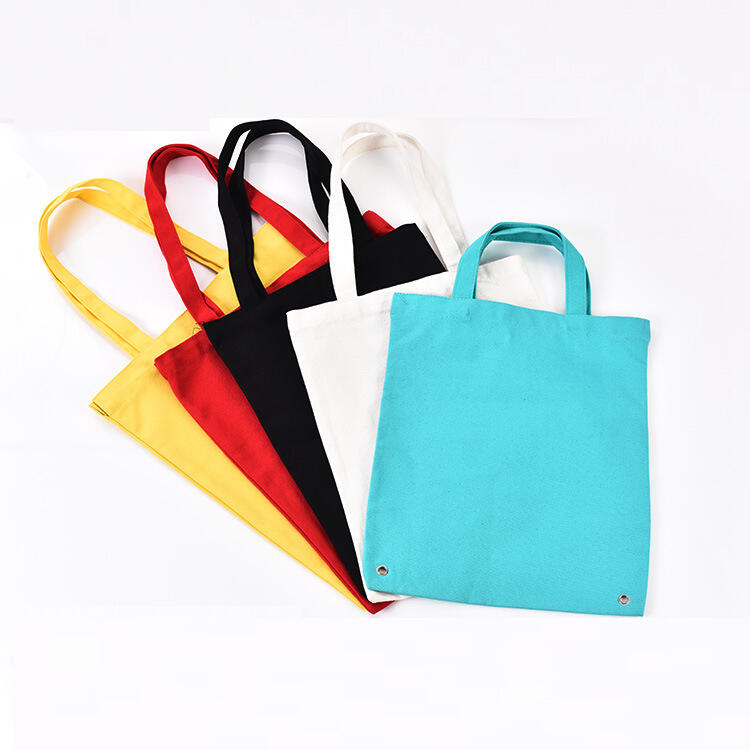
Whether you are looking for a heavy-duty companion for grocery runs or a refined, minimalist aesthetic for the office, the secret lies in the details of the weave. A well-chosen canvas bag serves as a bridge between fashion and functionality, providing a durable alternative to synthetic plastics and heavy leathers. To find your perfect match, you must evaluate the technical specifications of the material and the ergonomics of the bag's construction to ensure it meets the rigors of your lifestyle.
Understanding Canvas Weights and Fabric Durability
The first step in selecting a canvas bag is understanding "ounce weight," which is the primary indicator of the bag's strength and lifespan. Canvas is typically categorized by the weight of a square yard of the fabric. A 6oz or 8oz canvas is thin and foldable, ideal for promotional giveaways or very light shopping. However, for a bag that you intend to use daily for carrying laptops, heavy books, or gym gear, you should look for "duck canvas" in the 12oz to 18oz range. Duck canvas features a tighter, plain weave that is significantly more resistant to tearing and abrasion.
The weight of the fabric directly impacts how the bag hangs on your body and how well it protects your belongings. A heavier weight provides a "self-standing" structure, meaning the bag won't collapse into a heap when you set it down. This structural integrity is essential for professionals who need to access files or tech gadgets quickly without rummaging through a shapeless sack. When inspecting a potential purchase, feel the thickness of the material; a premium canvas should feel substantial and slightly stiff before its initial "break-in" period, indicating it has the density required for long-term use.
Technical Comparison of Canvas Bag Categories
To simplify your search, it is helpful to categorize bags based on their intended use-case and the corresponding fabric specifications. The table below outlines the most common configurations found in the market today to help you match a bag to your specific load requirements.
| Bag Category | Fabric Weight | Common Features | Ideal Application |
| Promotional/Lite | 5oz - 8oz | Simple handles, no gusset | Event giveaways, light grocery shopping |
| Daily Commuter | 10oz - 12oz | Interior pockets, reinforced base | University life, gym gear, casual work |
| Industrial/Utility | 14oz - 18oz | Cross-stitched handles, heavy duck weave | Tool transport, heavy groceries, beach gear |
| Waxed Canvas | 12oz + Wax | Water-resistant finish, brass hardware | Outdoor travel, rainy climates, premium styling |
Assessing Hardware, Stitching, and Ergonomics
Once you have identified the appropriate fabric weight, the next priority is the construction quality. The point where the handles meet the body of the canvas bag is the most frequent failure point. High-quality manufacturers utilize "X-box" stitching—a square of stitching with an 'X' inside—to distribute the weight load across a larger surface area of the fabric. For heavy-duty needs, look for bags that feature metal rivets at these stress points for added security. This ensures that the handles won't snap when you are carrying maximum capacity.
Ergonomics also play a vital role in long-term satisfaction. Consider the "handle drop," which is the distance from the top of the handles to the bag's opening. A handle drop of 10 to 12 inches is generally considered the ideal range for shoulder carry, allowing the bag to sit comfortably under the arm even when you are wearing a bulky winter jacket. If you prefer hand-carrying, shorter handles or a dual-handle system may be more appropriate. Additionally, internal organization—such as a zippered "hanging" pocket for keys and phones—can transform a simple tote from a chaotic void into a high-functioning tool for organized travel.
The Aesthetic and Environmental Impact of Canvas Choice
Choosing a canvas carrier is often an intentional move toward sustainability and ethical consumption. Unlike polyester or nylon, which are petroleum-based and shed microplastics during the washing process, natural cotton canvas is a renewable resource that is biodegradable at the end of its long life cycle. For those who want to minimize their environmental footprint, seeking out GOTS-certified (Global Organic Textile Standard) cotton ensures that the material was produced without harmful pesticides or exploitative labor practices. This adds a layer of value to the bag that goes beyond its physical utility.
Aesthetically, canvas offers a neutral, textured look that complements almost any outfit, from business casual to weekend sportswear. While it starts with a clean, crisp appearance, it matures beautifully over time. Much like a pair of high-quality denim jeans, canvas develops a "patina"—softening in texture and taking on the character of its usage without losing its structural strength. This makes it a versatile accessory that transitions easily from a morning at the farmer's market to a casual afternoon meeting, maintaining an air of effortless practicality that never goes out of style.
Frequently Asked Questions (FAQ)
How do I clean a canvas bag without ruining its shape?
For light soil, spot cleaning with a damp cloth and mild detergent is the safest method. If the bag requires a full wash, use cold water and a gentle cycle to prevent the fibers from shrinking. You should never put a canvas bag in a high-heat dryer, as this can cause significant warping of the seams. Instead, reshape the bag while it is damp and hang it to air dry away from direct sunlight to prevent color fading.
What is the difference between "Canvas" and "Duck Canvas"?
While the terms are often used interchangeably, "Duck" refers to a specific type of canvas that is more tightly woven and made from dual-ply yarns. Duck canvas is smoother and significantly more durable than plain canvas, making it the preferred choice for industrial bags, heavy-duty workwear, and premium luggage. If you need a bag that can stand up on its own, always look for the "Duck" designation.
Is a canvas bag naturally waterproof?
Standard cotton canvas is not waterproof; it is naturally absorbent. However, many bags are treated with a DWR (Durable Water Repellent) coating or a paraffin wax finish (known as waxed canvas) to provide excellent water resistance. If your bag is untreated, you can easily apply a fabric protector spray yourself to help repel water and prevent stains from setting into the fibers.
Can a canvas bag support the weight of a 15-inch laptop?
Yes, provided the bag is made from at least 12oz canvas and features reinforced stitching. It is highly recommended to use a laptop sleeve inside the bag, as canvas provides excellent strength but minimal padding against drops. A bag with a gusseted bottom (an extra panel of fabric at the base) is also better for electronics as it provides a flatter, more stable surface for the device to rest on.
Final Strategy for Selecting Your Ideal Bag
The process of picking the perfect canvas accessory ultimately depends on your "maximum load" scenario. If you find yourself carrying heavy items for more than 30 minutes a day, prioritize the 14oz to 18oz weights with padded or wide handles to protect your shoulders. For those who need a versatile "just in case" bag that can be tucked into a larger suitcase, the 8oz to 10oz range offers the best flexibility. By paying close attention to the fabric density, the reinforcement of the stress points, and the handle ergonomics, you can invest in a bag that remains a reliable part of your daily routine for years to come.