
 EN


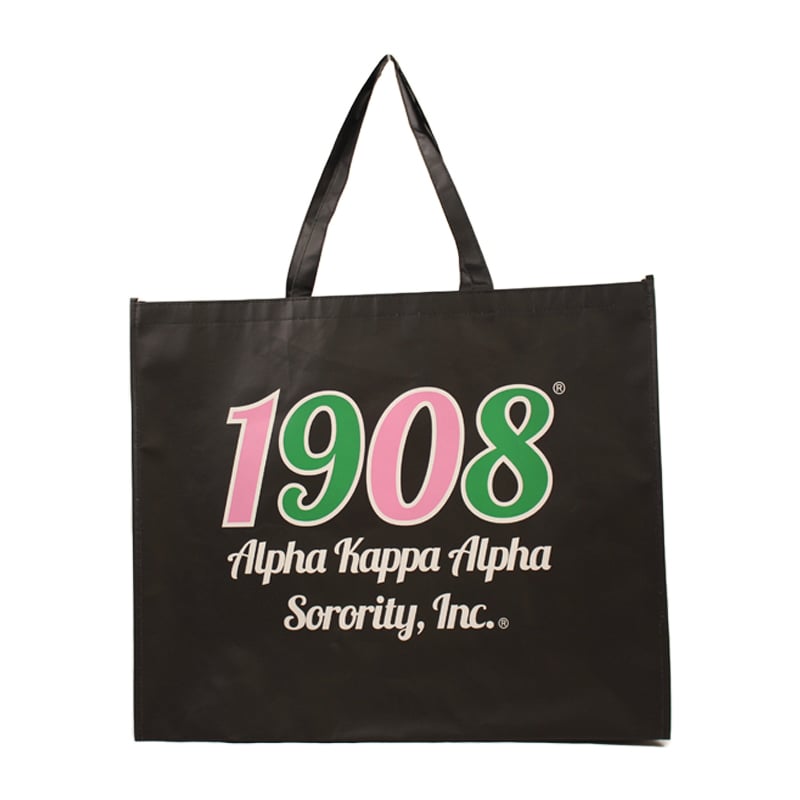
A cotton bag has become an essential choice for grocery shopping in households worldwide, offering far more value than single-use plastic alternatives. Whether you visit your local market weekly or shop at large supermarkets, investing in a quality cotton bag delivers practical benefits that extend well beyond a single purchase. The shift toward cotton bags reflects a growing consumer awareness about durability, environmental impact, and long-term savings. Understanding what makes a cotton bag worth buying requires examining its performance across multiple dimensions, from material quality to economic value and everyday usability.
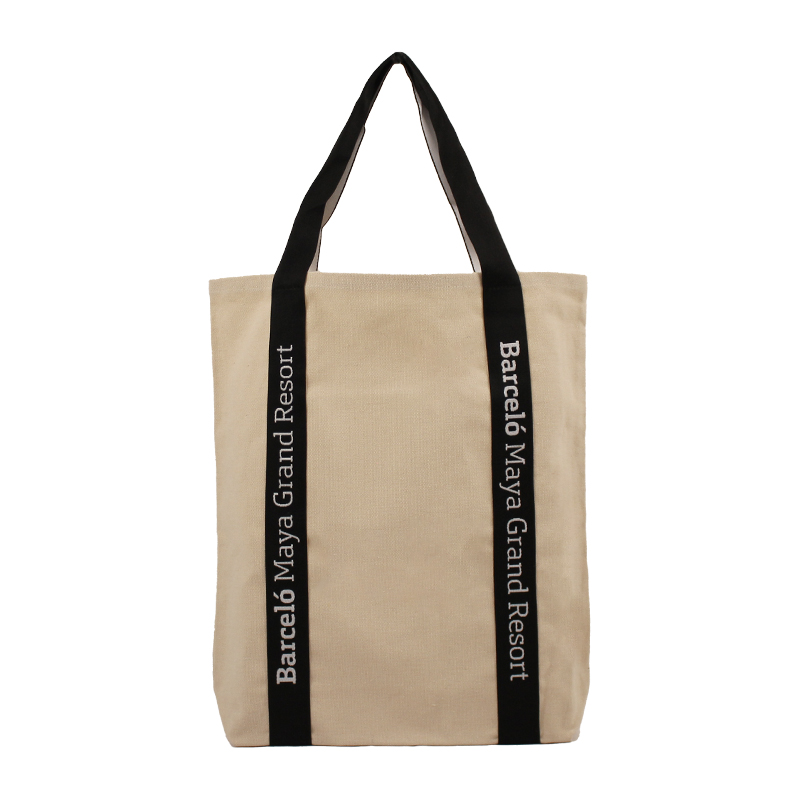
Selecting the right cotton bag for groceries is not simply about picking any reusable option off the shelf. A cotton bag must balance strength, capacity, comfort, and longevity to justify its cost and become a reliable part of your shopping routine. The value proposition of a cotton bag goes beyond surface-level convenience, encompassing environmental responsibility, personal health considerations, and significant financial benefits over time. This comprehensive guide explores the key factors that make a cotton bag a worthy investment for anyone serious about sustainable and practical grocery shopping.
Durability and Load-Bearing Capacity
Strength and Longevity of Quality Cotton Bags
A premium cotton bag is engineered to withstand repeated use without degradation, a fundamental characteristic that sets it apart from disposable alternatives. The fabric weave density and thread quality directly impact how long a cotton bag remains functional, with well-constructed versions lasting hundreds of shopping trips. Heavy-duty cotton bags resist tearing, maintain their shape, and continue to perform reliably even when filled to capacity with heavy items. This exceptional durability means a cotton bag purchased today can serve your household for years, making the initial investment economical when calculated on a per-use basis.
Weight Distribution and Reinforced Handles
Superior cotton bag designs incorporate reinforced handles and strategic stitching patterns that distribute weight evenly across the material. When shopping for groceries with heavy items like canned goods, dairy products, or fresh produce, a cotton bag with engineered load-bearing capacity prevents sagging and handle strain. The construction of a cotton bag matters significantly—double-stitched seams, reinforced corners, and quality cotton blends ensure that even oversized loads remain secure and comfortable to carry. This structural integrity transforms a cotton bag from a simple carrier into a reliable tool that grocery shoppers can trust with their weekly purchases.
Environmental and Health Advantages
Reducing Plastic Waste Through Reusable Cotton Bags
Every cotton bag used for groceries represents a direct reduction in plastic bag consumption, addressing one of the most visible forms of environmental waste. Over a year of weekly shopping, a single cotton bag can replace hundreds of single-use plastic bags, preventing them from entering landfills or marine ecosystems. The environmental benefit of choosing a cotton bag compounds dramatically across a community—if thousands of households make this switch, the cumulative impact on waste reduction becomes substantial. Additionally, cotton is a natural, biodegradable material that eventually breaks down without releasing harmful chemicals, unlike plastic alternatives that persist in the environment for decades.
Health and Hygiene Benefits of Cotton Material
A cotton bag offers superior hygiene characteristics compared to synthetic materials, as cotton naturally resists bacterial growth and is easily washable between shopping trips. The breathable nature of cotton prevents moisture buildup, which can occur in plastic or synthetic reusable bags and create conditions for mold and odor development. Keeping your cotton bag clean is straightforward—simply toss it in the washing machine or hand-wash it with mild soap and water. Using a clean cotton bag for groceries reduces the risk of cross-contamination with produce and food items, supporting better food safety practices in your household. For families with allergies or sensitivities, a natural cotton bag eliminates concerns about synthetic chemical residues that might transfer to fresh groceries.
Economic Value and Long-Term Savings
Cost-Benefit Analysis of Cotton Bags
The initial purchase price of a cotton bag may seem higher than accepting free plastic bags at checkout, yet the economics become heavily favorable when viewed over the lifespan of the product. A single quality cotton bag can replace thousands of single-use plastic bags over five to ten years of regular use, delivering exceptional value per shopping trip. When calculated on an annual or multi-year basis, the cost of owning a cotton bag drops to mere fractions of a cent per use, far below the hidden cost of continuously consuming disposable alternatives. For households shopping weekly, a cotton bag investment typically pays for itself within months and generates substantial savings thereafter.
Avoiding Fees and Encouraging Retailer Incentives
Many retailers now charge fees for single-use plastic bags or offer discounts when customers bring reusable options, creating additional financial incentives to use a cotton bag. By consistently bringing your own cotton bag to grocery stores, you eliminate surprise checkout fees that accumulate rapidly across monthly shopping trips. Some supermarkets and specialty retailers actively encourage cotton bag usage through loyalty programs or small purchase discounts, further enhancing the financial advantage. Beyond direct savings, a cotton bag demonstrates environmental consciousness to retailers, who increasingly recognize and reward customers committed to sustainable shopping practices.
Practical Advantages for Everyday Use
Versatility and Comfort in Shopping Scenarios
A cotton bag extends beyond grocery shopping, serving reliably for trips to farmers' markets, bulk stores, specialty shops, and household errands where carrying goods is necessary. The aesthetic appeal of quality cotton bags means they integrate seamlessly into your personal style, functioning as both practical carriers and acceptable fashion accessories. Unlike plastic bags that tear unexpectedly or become uncomfortable when filled with irregular items, a cotton bag remains consistent and predictable across different shopping scenarios. The structured design of a well-made cotton bag accommodates various item shapes and sizes without sagging or losing its functional appearance, making it suitable for diverse household and lifestyle needs.
Customization and Personal Expression
Many cotton bag manufacturers offer customization options including colors, patterns, and personalization, allowing customers to select designs that reflect their preferences and values. A personalized cotton bag serves as a subtle statement about environmental commitment while maintaining functionality and durability. The ability to choose how your cotton bag looks encourages consistent usage and reduces the temptation to revert to convenience disposables. This combination of practicality and personal expression makes owning a cotton bag a more engaging and satisfying experience than simply accepting whatever carrier is offered at checkout.
FAQ
How often should I wash my cotton bag?
Wash your cotton bag after every few shopping trips or whenever it visibly accumulates dirt or food residue. Regular washing maintains hygiene and prevents odors from developing inside the bag. A cotton bag can be machine-washed on a gentle cycle or hand-washed with mild detergent, and air-drying is recommended to preserve the fabric integrity over extended use.
Can a cotton bag handle heavy groceries without tearing?
Quality cotton bags with reinforced handles and double-stitched seams can reliably carry heavy groceries without tearing, often supporting loads exceeding twenty pounds. The structural design of a premium cotton bag distributes weight effectively, preventing localized stress points that cause failure. However, extremely overloading any bag—even a durable cotton bag—can eventually cause wear, so reasonable loading practices are recommended for maximum longevity.
Are cotton bags more expensive than plastic alternatives?
While a quality cotton bag typically costs more upfront than disposable plastic bags, the cost per use becomes significantly lower over time. A cotton bag used hundreds of times becomes dramatically more economical than continuously purchasing or accepting disposable alternatives. When accounting for fees charged by retailers for plastic bags and the environmental value of waste reduction, a cotton bag represents excellent long-term value for budget-conscious and environmentally aware shoppers.