
 EN


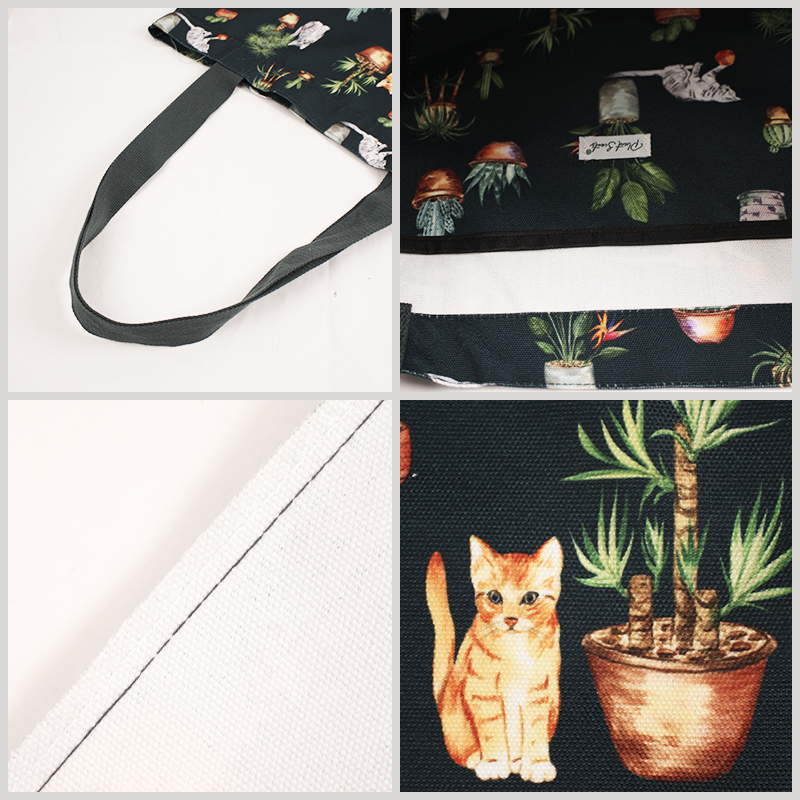
When shopping for a handbag, understanding the distinctions between different styles helps you make an informed choice that aligns with your lifestyle and needs. A tote bag stands out in the handbag market due to its unique design, spacious interior, and versatile functionality. Unlike traditional handbags, which come in countless variations, a tote bag offers specific characteristics that make it distinctly different from shoulder bags, crossbody bags, satchels, and other common handbag types. Recognizing these differences empowers you to select the right bag for work, travel, shopping, or everyday use.
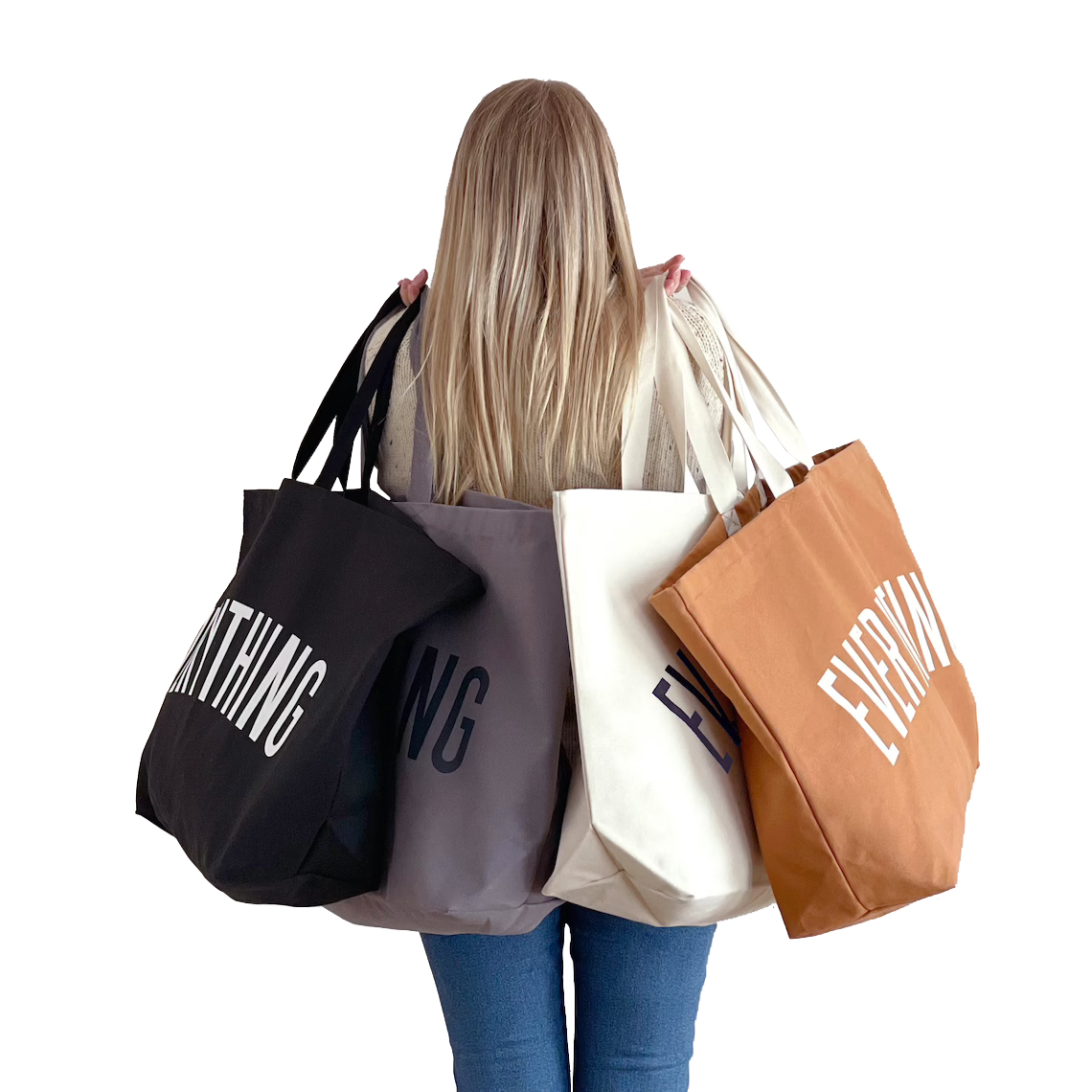
The defining characteristic of a tote bag is its open-top design with two parallel handles and a spacious rectangular or square shape. This structure fundamentally separates a tote bag from other handbags that rely on zippers, flaps, or closure mechanisms. The simplicity of a tote bag design makes it instantly recognizable and highly functional for anyone seeking practical, no-fuss bag solutions. Understanding how a tote bag compares to other handbag styles reveals why this bag format has remained popular across professional, casual, and retail environments for decades.
Design and Structure Differences
Open-Top Architecture of a Tote Bag
A tote bag features an open-top design without zippers, snaps, or complex closures, making it fundamentally different from sealed handbags. The top of a tote bag remains fully accessible, allowing quick entry and exit from the bag interior. This open design distinguishes a tote bag from shoulder bags and crossbody bags, which typically include zippered compartments or magnetic closures for security. The simplicity of a tote bag means you can grab items quickly without fumbling with locks or zippers, providing unmatched convenience in fast-paced environments like offices, shopping districts, and travel settings.
Structural Shape and Capacity
A tote bag typically features a rectangular or square silhouette with flat, structured sides that maximize interior space. This boxy shape sets a tote bag apart from the curved or tapered designs common in crossbody bags, clutches, and satchels. The geometric structure of a tote bag allows it to accommodate larger items, multiple documents, or everyday essentials without compromising accessibility. Unlike smaller handbags designed for minimal belongings, a tote bag prioritizes capacity while maintaining a professional or casual aesthetic suitable for various contexts. The structured sides of a tote bag prevent the bag from collapsing when empty, whereas many traditional handbags lose their shape without adequate contents.
Functionality and Use Cases
Carrying Capacity Advantages
The primary functional advantage of a tote bag lies in its exceptional carrying capacity compared to standard handbags. A tote bag can hold laptops, documents, groceries, books, and work supplies simultaneously without appearing overstuffed. This cargo-oriented design makes a tote bag ideal for professionals, students, and shoppers who need to transport multiple items daily. In contrast, traditional handbags emphasize aesthetics over capacity, forcing users to prioritize what fits. A tote bag eliminates this compromise by offering generous interior dimensions without sacrificing style or professionalism. Whether used in corporate offices or casual settings, a tote bag adapts to varied carrying needs that other handbags cannot accommodate.
Handle Design and Comfort
A tote bag features two long, parallel handles designed for shoulder carrying, distinguishing it from crossbody bags with single diagonal straps and clutches with minimal handles. The dual-handle design of a tote bag distributes weight evenly across both shoulders, reducing strain during extended use. Many professional versions of a tote bag include reinforced handles constructed from durable materials like canvas or leather, ensuring longevity and comfortable carrying. Unlike small handbags that require hand-carrying or clutching, a tote bag enables hands-free shoulder transport. The handle design of a tote bag also allows it to be easily set down on desks, counters, or floors without tipping, a practical feature absent in handbags with less stable footprints.
Material Choices and Style Variations
Material Diversity in Tote Bag Options
A tote bag comes in materials ranging from canvas and cotton to leather and nylon, offering flexibility that many structured handbags lack. Canvas tote bags provide durability, breathability, and a casual aesthetic suitable for everyday use, while leather versions elevate a tote bag for professional or formal occasions. This material versatility means a tote bag can serve multiple contexts without requiring separate bags for different settings. Traditional handbags often commit to specific materials that define their entire purpose, whereas a tote bag transcends material limitations. A tote bag made from sustainable or recycled materials appeals to environmentally conscious users, a distinction many conventional handbags cannot claim.
Aesthetic Flexibility and Branding
A tote bag's simple silhouette provides a blank canvas for customization, company logos, patterns, or personalization that transforms it into a branded or unique accessory. This adaptability sets a tote bag apart from handbags with fixed designs that resist modification. Businesses frequently use a tote bag for promotional purposes because the wide surface area accommodates branding effectively. A tote bag remains functional whether decorated minimally or elaborately, maintaining its core identity while expressing individual or corporate style. Unlike fashion-focused handbags where design details define value, a tote bag's utility combined with customization options creates lasting practical value.
Comparison with Specific Handbag Types
Tote Bag Versus Shoulder Bags
While a tote bag uses shoulder straps, it differs from traditional shoulder bags in capacity and closure mechanisms. A shoulder bag typically features a flap or zippered closure that secures contents, whereas a tote bag remains open at the top. Most shoulder bags prioritize compact sizing and aesthetic refinement over volume, positioning them as fashion accessories rather than utility-focused solutions. A tote bag's larger interior and accessibility make it superior for work or errands, while shoulder bags excel in formal or evening contexts. The choice between a tote bag and shoulder bag depends on whether carrying capacity or style formality takes priority.
Tote Bag Versus Crossbody and Satchel Bags
Crossbody bags feature diagonal straps worn across the body and typically include zippered security features absent in a tote bag. A satchel bag combines structure with enclosed storage and is often associated with professional settings in ways similar to a tote bag, yet satchels include closures that a tote bag omits. A tote bag's open design sacrifices security for accessibility, making it less suitable for situations requiring item protection during busy environments. Conversely, a tote bag excels in transparent, supervised settings where security is less critical. The fundamental distinction centers on whether you prioritize quick access and capacity, both defining features of a tote bag, or security and structure offered by satchels and crossbody alternatives.
FAQ
What makes a tote bag different from a regular handbag?
A tote bag differs from regular handbags primarily through its open-top design, rectangular shape, and superior carrying capacity. Where most handbags include zippers, flaps, or magnetic closures, a tote bag remains accessible from the top, prioritizing function over security. The spacious interior of a tote bag accommodates larger items, documents, and multiple belongings simultaneously, whereas regular handbags emphasize compact sizing and aesthetic refinement. This distinction makes a tote bag ideal for work, travel, and shopping scenarios where practicality matters more than fashion formality.
Can you use a tote bag for professional settings?
Yes, a tote bag is excellent for professional environments when constructed from quality materials like leather or structured canvas. A professional tote bag maintains workplace credibility while offering superior organization compared to small handbags. Many executives and professionals prefer a tote bag for business travel and daily office use because a tote bag accommodates laptops, documents, and work supplies without appearing unprepared. The key is selecting a tote bag in neutral colors, premium materials, and refined designs that complement professional dress codes while maintaining the functional advantages that define a tote bag.
Why are tote bags more popular than other handbag styles?
A tote bag has gained popularity due to its unmatched combination of capacity, accessibility, versatility, and affordability compared to other handbag options. The simplicity of a tote bag design reduces manufacturing costs, making quality versions accessible across price ranges. A tote bag adapts to countless contexts from casual shopping to business settings, eliminating the need for multiple bags. The durability and longevity of a well-constructed tote bag provide better value than fashion handbags that depreciate quickly. Environmental consciousness also drives popularity, as a tote bag made from sustainable materials offers eco-friendly alternatives to disposable shopping bags, a distinction most traditional handbags cannot claim.