
 EN
EN



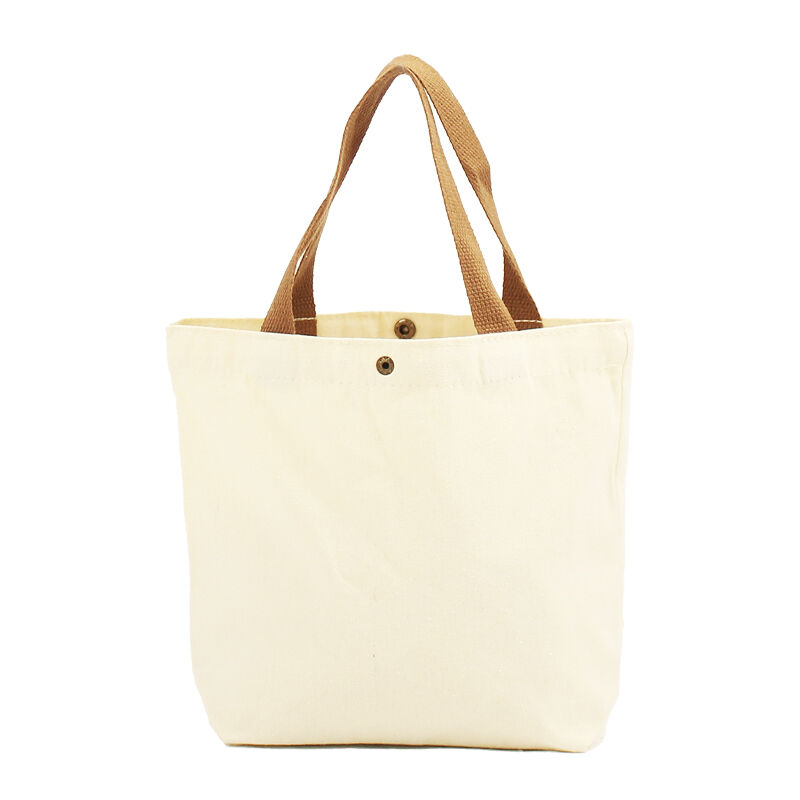
Selecting the perfect polyester bag for daily use requires careful consideration of multiple factors that directly impact functionality, durability, and personal satisfaction. A well-chosen polyester bag becomes an essential companion that seamlessly integrates into your daily routine while providing reliable performance across various activities and environments.
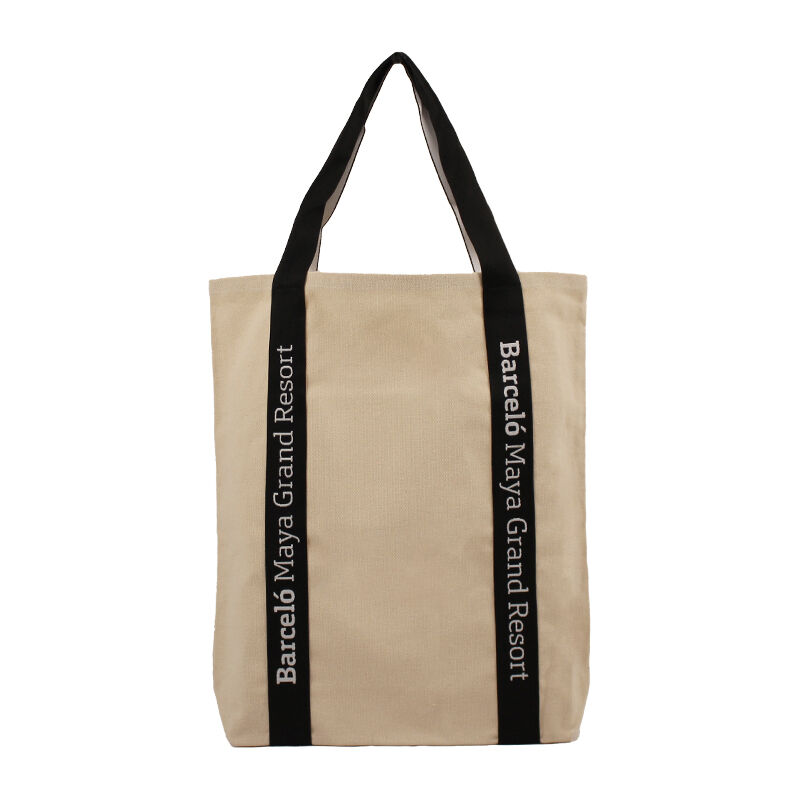
The decision-making process involves evaluating your specific usage patterns, storage requirements, and lifestyle demands to ensure optimal compatibility. Understanding the key selection criteria empowers you to make an informed choice that delivers long-term value and satisfaction from your polyester bag investment.
Understanding Your Daily Usage Requirements
Assessing Your Carrying Capacity Needs
Your daily polyester bag selection begins with honest assessment of what you typically carry throughout the day. Consider the essential items that accompany you regularly, including electronic devices, documents, personal items, and any professional materials. This evaluation helps determine the optimal size and internal organization features your polyester bag should provide.
Different lifestyles demand varying storage solutions within a polyester bag. Students may require dedicated laptop compartments and multiple pockets for supplies, while business professionals might prioritize document organization and tablet accessibility. Parents often need additional space for child-related items, making expandable polyester bag designs particularly valuable.
Volume requirements also fluctuate based on seasonal changes and specific activities. A versatile polyester bag should accommodate both minimal daily essentials and occasional additional items without compromising comfort or appearance. Consider whether you need a single large compartment or multiple specialized sections within your polyester bag.
Identifying Your Usage Environments
The environments where you'll use your polyester bag significantly influence the appropriate features and construction quality needed. Indoor office environments have different requirements than outdoor activities, public transportation, or travel scenarios. Each setting presents unique challenges that your chosen polyester bag must handle effectively.
Weather exposure considerations are crucial when selecting a polyester bag for daily use. Rain, humidity, dust, and temperature variations affect both the bag's contents and the material's performance over time. Understanding your typical exposure levels helps identify necessary protective features in your polyester bag design.
Security concerns vary dramatically across different usage environments. Urban commuting may require anti-theft features, while casual suburban use might prioritize convenience over security. Your polyester bag selection should reflect the security level appropriate for your primary usage environments.
Evaluating Polyester Bag Construction Quality
Examining Material Specifications
Polyester bag quality varies significantly based on the specific polyester weave, denier rating, and fabric treatment applied during manufacturing. Higher denier ratings typically indicate stronger, more durable material that resists tearing and maintains shape under stress. Understanding these specifications helps identify a polyester bag that will withstand your intended usage patterns.
The weave pattern in polyester bag construction affects both durability and appearance. Ripstop polyester incorporates reinforcement threads that prevent small tears from expanding, making it ideal for heavy daily use. Plain weave polyester offers smooth appearance but may be less resistant to damage, requiring careful consideration based on your handling expectations.
Water resistance treatments applied to polyester bag materials provide varying levels of protection against moisture. Some treatments offer basic splash resistance, while others provide more comprehensive waterproofing. Your selection should match the level of weather protection required for your daily activities and environment exposure.
Assessing Hardware and Construction Details
The hardware components on a polyester bag directly impact functionality and longevity. Zippers, buckles, snaps, and adjustment mechanisms experience frequent use and must maintain smooth operation over time. Quality hardware resists corrosion, maintains alignment, and provides secure closure throughout the bag's lifespan.
Stitching quality represents a critical factor in polyester bag durability and appearance. Double-stitched seams provide superior strength compared to single-stitch construction, particularly at stress points like strap attachments and corner reinforcements. Examine stitch density and thread quality to ensure your polyester bag can handle anticipated load requirements.
Reinforcement placement throughout the polyester bag construction indicates manufacturer attention to wear patterns and stress distribution. Well-designed bags include additional material layers or structural support at high-wear areas such as bottom panels, strap connection points, and frequently accessed compartment entrances.
Considering Comfort and Ergonomic Features
Evaluating Carrying System Design
The carrying system design of your polyester bag fundamentally affects daily comfort and usability. Shoulder straps, handles, and back panels must distribute weight effectively while providing comfortable contact points during extended carrying periods. Poor ergonomic design leads to fatigue and potential strain injuries over time.
Strap width and padding significantly influence comfort levels when carrying a loaded polyester bag. Wider straps distribute weight across larger surface areas, reducing pressure points and improving comfort during extended use. Adjustable strap systems allow customization for different body types and carrying preferences throughout the day.
Multiple carrying options within a single polyester bag design provide versatility for different situations and comfort preferences. Bags offering both shoulder strap and top handle configurations adapt to various carrying needs, from brief transport to extended commuting scenarios. This flexibility enhances the overall utility of your polyester bag investment.
Analyzing Weight Distribution and Balance
Proper weight distribution within a polyester bag prevents strain and maintains comfortable carrying posture throughout daily activities. Internal organization systems should position heavier items close to the back panel while keeping frequently accessed items easily reachable. This arrangement optimizes both comfort and functionality in your polyester bag usage.
The polyester bag's own weight contributes to total carrying load and affects daily comfort levels. Lightweight construction materials and efficient design minimize unnecessary bulk while maintaining required durability. Balance this consideration against construction quality to ensure your polyester bag provides optimal weight-to-performance ratio.
Center of gravity positioning affects how a polyester bag feels during movement and various activities. Bags that maintain load stability during walking, running, or cycling provide superior user experience compared to designs that shift or bounce during movement. Consider your activity levels when evaluating balance characteristics.
Matching Style Preferences with Functional Requirements
Balancing Aesthetic Appeal with Practical Needs
Your polyester bag selection should harmonize personal style preferences with practical functionality requirements. Professional environments may demand subdued colors and clean lines, while casual settings allow more expressive designs and vibrant colorations. The chosen aesthetic should feel authentic to your personal style while meeting daily usage demands.
Color selection in a polyester bag affects both appearance and practical maintenance considerations. Darker colors typically hide wear and stains better than lighter options, extending the bag's presentable lifespan. However, lighter colors may better suit personal preferences or specific wardrobe coordination needs, requiring more careful maintenance attention.
Design elements such as external pockets, logo placement, and hardware finish contribute to overall appearance while potentially affecting functionality. External organization features provide convenience but may compromise sleek aesthetics. Your polyester bag choice should reflect the appropriate balance for your priorities and usage patterns.
Considering Versatility Across Different Occasions
A well-chosen polyester bag adapts seamlessly across multiple usage scenarios without appearing inappropriate or insufficient. Consider whether your selected design works effectively for work, casual outings, travel, and other regular activities. Versatile designs eliminate the need for multiple specialized bags while maintaining appropriate appearance standards.
Transformable features within polyester bag designs enhance versatility by allowing configuration changes for different situations. Removable components, convertible carrying systems, or expandable storage capacity adapt the same bag to varying requirements throughout your daily routine and special occasions.
Size appropriateness varies across different social and professional contexts. Your polyester bag should appear proportionate and suitable whether in boardroom meetings, casual dining, public transportation, or recreational activities. This consideration ensures confidence and comfort across all usage scenarios.
FAQ
What size polyester bag is best for daily use?
The ideal polyester bag size depends on your specific daily carrying requirements, typically ranging from 15-25 liters for most people. Consider your essential items including electronics, documents, personal belongings, and any seasonal additions. A good rule is selecting a polyester bag that accommodates 80% of your typical load, allowing room for occasional extra items without becoming oversized for regular use.
How do I determine if a polyester bag is durable enough for daily use?
Evaluate the polyester bag's denier rating (higher numbers indicate stronger material), stitching quality at stress points, hardware robustness, and reinforcement placement. Look for double-stitched seams, quality zippers, and reinforced bottom panels. Reading user reviews and checking warranty coverage also provide insights into real-world durability performance of the specific polyester bag model.
Should I choose a waterproof or water-resistant polyester bag?
Your choice between waterproof and water-resistant depends on your typical weather exposure and contents sensitivity. Water-resistant polyester bags handle light rain and splashes effectively while remaining more breathable and affordable. Waterproof options provide superior protection for valuable electronics or important documents but may cost more and feel less breathable. Consider your climate and contents when making this decision.
How many compartments should a daily-use polyester bag have?
The optimal compartment number in a polyester bag balances organization benefits with simplicity and weight considerations. Most people find 3-5 compartments ideal, including a main section, laptop/tablet compartment, front organizer pocket, and side pockets. Too many compartments can complicate packing and increase weight, while too few may result in poor organization and difficulty finding items quickly.