
 EN
EN


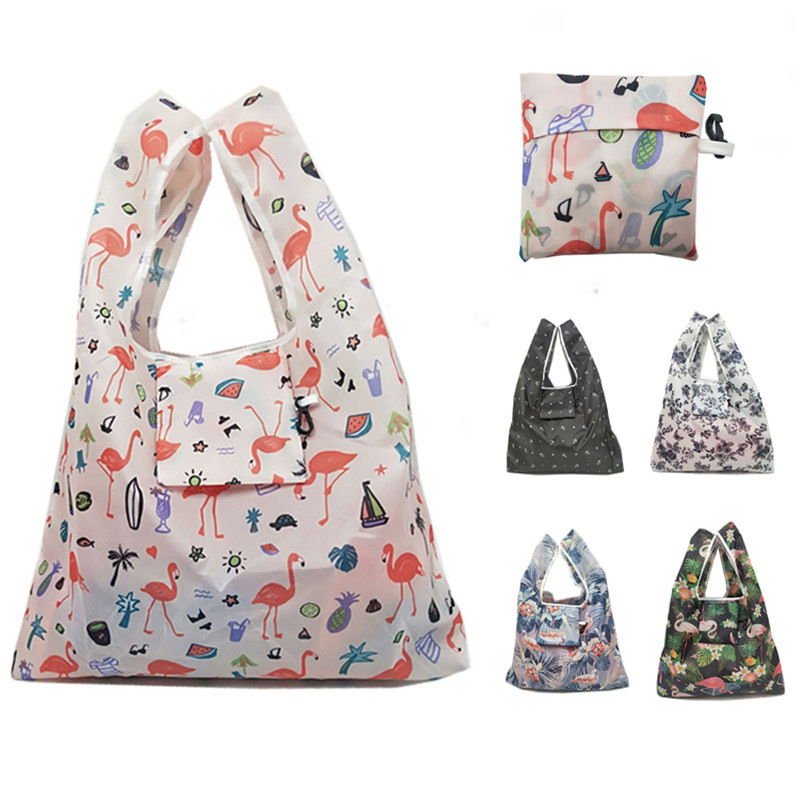
Choosing the right tote bag for daily use, business promotions, or retail purposes often comes down to material. A nylon tote bag and a canvas bag may look similar at first glance, but they behave very differently in real-world conditions. Understanding these differences helps buyers, brand managers, and everyday consumers make smarter purchasing decisions that match their actual needs.
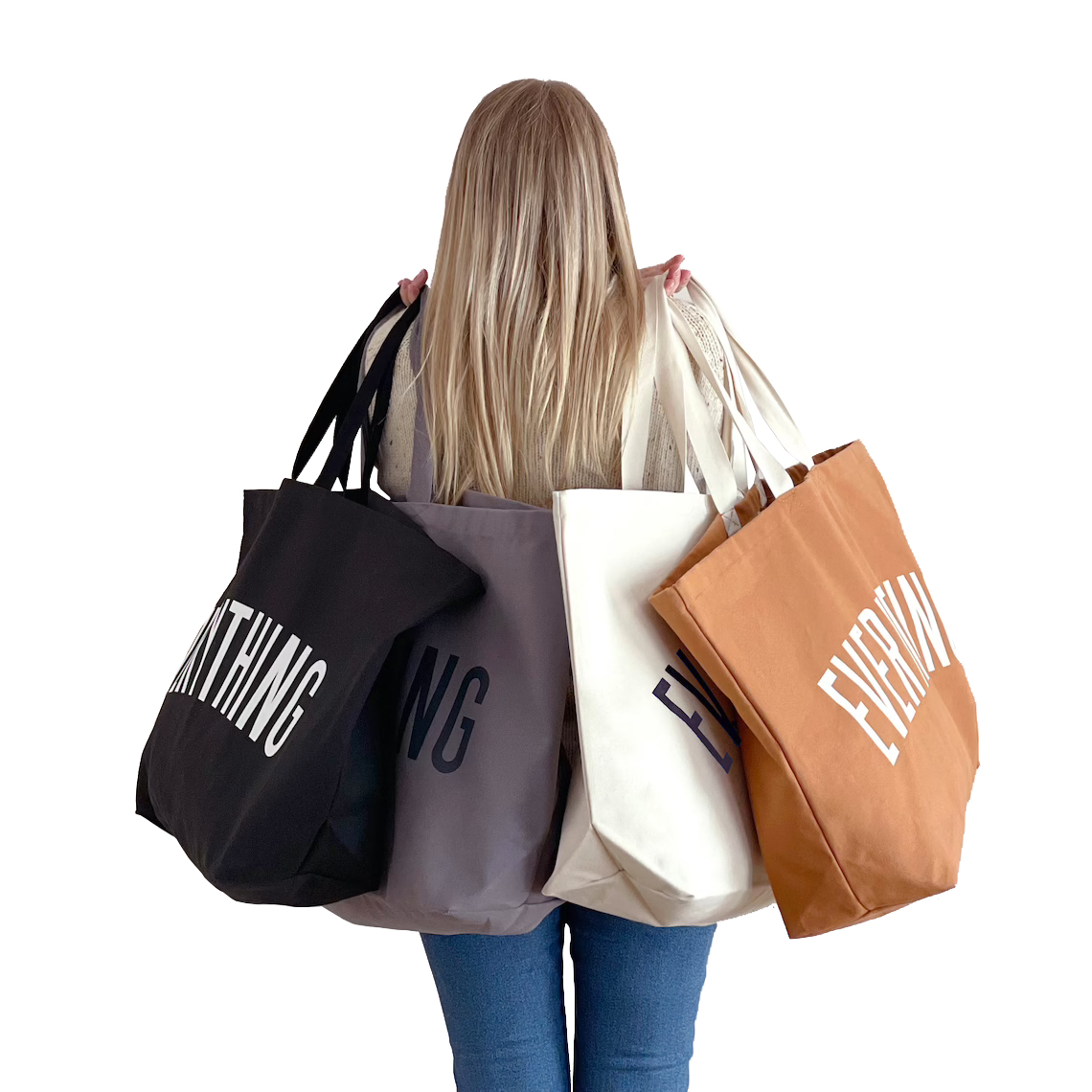
The distinction between a nylon tote bag and a canvas bag goes beyond surface texture. It involves weight, water resistance, durability, environmental impact, aesthetics, and cost-efficiency. Whether you are sourcing promotional merchandise, outfitting a retail line, or simply shopping for a reliable everyday carry, comparing these two materials side by side will reveal which option suits your context best.
Material Properties and Physical Performance
Weight and Portability
One of the most immediate differences is weight. A nylon tote bag is significantly lighter than a canvas bag of similar dimensions. Nylon is a synthetic polymer that can be woven into very thin yet strong fabric layers, which makes each nylon tote bag easy to fold, compress, or stash inside another bag. Canvas, by contrast, is a plain-woven textile typically made from cotton or linen, and it carries considerably more weight per square centimeter. For travelers, commuters, or shoppers who need a packable option, a nylon tote bag offers a clear advantage.
Water Resistance and Weather Performance
A nylon tote bag naturally resists moisture to a much higher degree than canvas. Nylon fibers are hydrophobic, meaning water beads on the surface rather than absorbing into the weave. Canvas, on the other hand, is a natural fiber fabric that absorbs moisture quickly unless it has been treated with a wax or waterproof coating. In rainy climates or outdoor settings, a nylon tote bag keeps contents drier with no additional treatment required. Canvas bags do offer breathability, but that same open structure makes them vulnerable to spills, rain, and humidity that would otherwise be deflected by a nylon tote bag.
Durability, Maintenance, and Longevity
Structural Strength Under Load
Both materials are durable, but they wear differently over time. A nylon tote bag resists abrasion, tearing, and fraying better than untreated canvas in most high-use scenarios. Nylon has a high tensile strength, which means the fabric can stretch slightly under pressure without breaking. This makes a nylon tote bag particularly reliable when carrying heavier items such as groceries, files, or equipment. Canvas bags are sturdy and can handle significant loads, but the natural fiber weave is more prone to fraying at stress points like handles and base corners after extended use.
Cleaning and Care Requirements
Maintaining a nylon tote bag is generally simpler than caring for canvas. Most nylon tote bag styles can be wiped clean with a damp cloth or rinsed under water without losing shape or color. Canvas bags typically require more careful washing to avoid shrinkage, color bleeding, or distortion of printed designs. For businesses using branded merchandise, a nylon tote bag that retains its appearance through frequent cleaning represents a better long-term investment in brand visibility. Canvas bags do hold screen-printed or embroidered logos well, but they require more delicate handling to preserve that quality over time.
Aesthetics, Sustainability, and Use Case Fit
Visual Appeal and Customization Options
Canvas bags carry a natural, organic aesthetic that resonates strongly in eco-conscious and lifestyle branding contexts. The textured surface of canvas takes ink and dye in a way that gives prints a handcrafted, artisanal quality. A nylon tote bag, by comparison, tends to have a sleeker, more modern appearance. The smooth surface of a nylon tote bag is well suited to vibrant full-color prints, reflective accents, and minimalist designs. Neither option is inherently superior in aesthetics; the right choice depends on the brand image being communicated and the target audience receiving the bag.
Environmental Considerations and Practical Use Cases
Canvas is a natural material and is often positioned as the more sustainable option, especially when made from organic cotton. However, lifecycle analysis shows that producing a cotton canvas bag requires significantly more water and land resources than producing a nylon tote bag from recycled materials. Recycled nylon tote bag options are now widely available and represent a more resource-efficient choice when environmental footprint matters. For business use, a nylon tote bag fits well in corporate gifting, trade show promotions, gym and sports retail, and outdoor events. Canvas bags remain the preferred choice for grocery retail, bookstore merchandise, and artisan market branding where natural texture and eco-messaging are key selling points.
FAQ
Is a nylon tote bag more durable than a canvas bag?
A nylon tote bag generally outperforms canvas in abrasion resistance, moisture protection, and longevity under heavy daily use. Canvas bags are durable but more susceptible to fraying and moisture absorption unless treated. For high-frequency use scenarios, a nylon tote bag tends to maintain its structural integrity longer.
Can a nylon tote bag be customized with logos for business use?
Yes, a nylon tote bag can be customized with logos, slogans, and brand graphics using heat transfer, screen printing, or embroidery. The smooth surface of a nylon tote bag is especially effective for bold, high-contrast prints. It is a practical and professional option for corporate merchandise and promotional campaigns.
Which is better for everyday carry, a nylon tote bag or a canvas bag?
For everyday carry, a nylon tote bag offers advantages in weight, compactness, and water resistance that most canvas bags cannot match without added treatment. A nylon tote bag can be folded into a pocket-sized pouch, making it ideal for commuters and travelers. Canvas bags suit those who prefer a natural feel and do not need weather resistance as a priority.