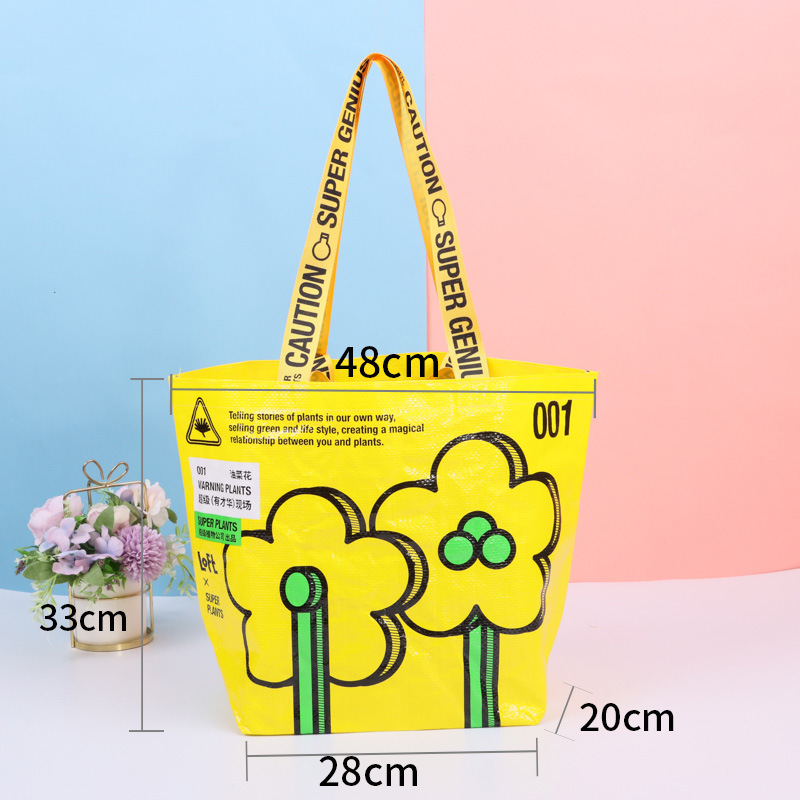
woven bag manufacturer
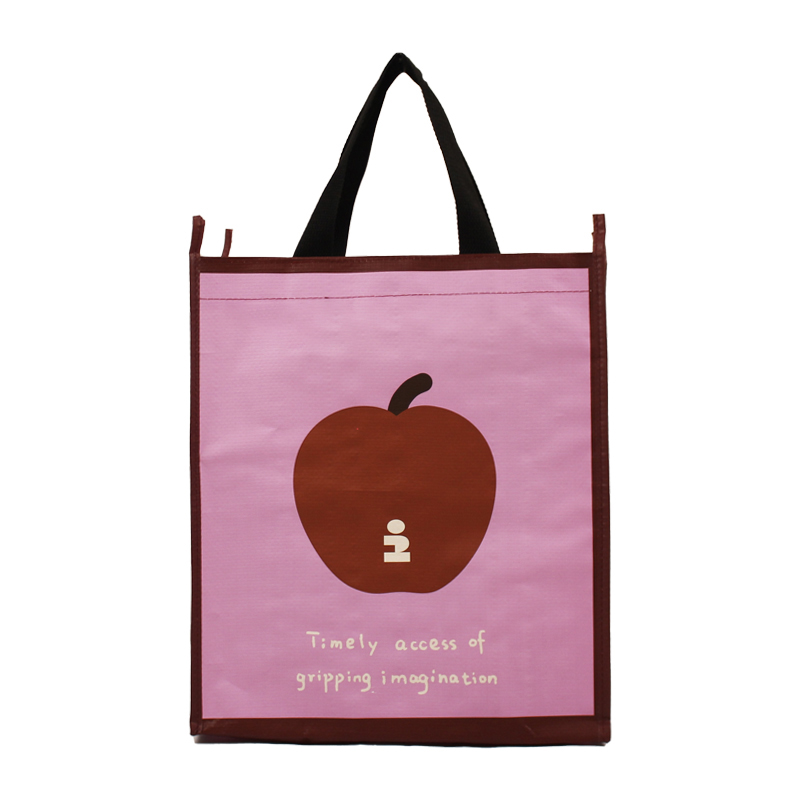
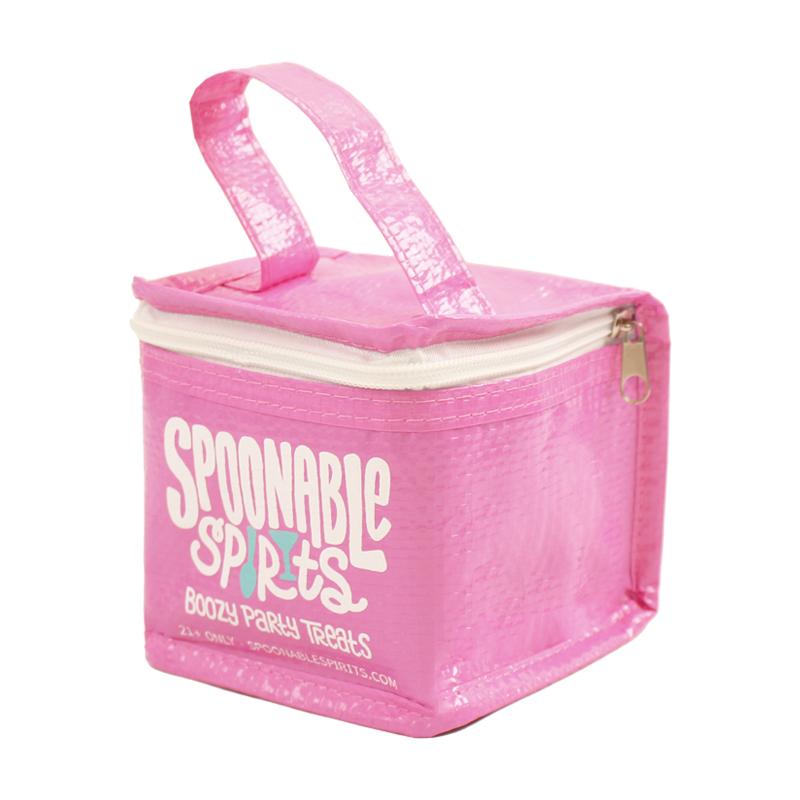
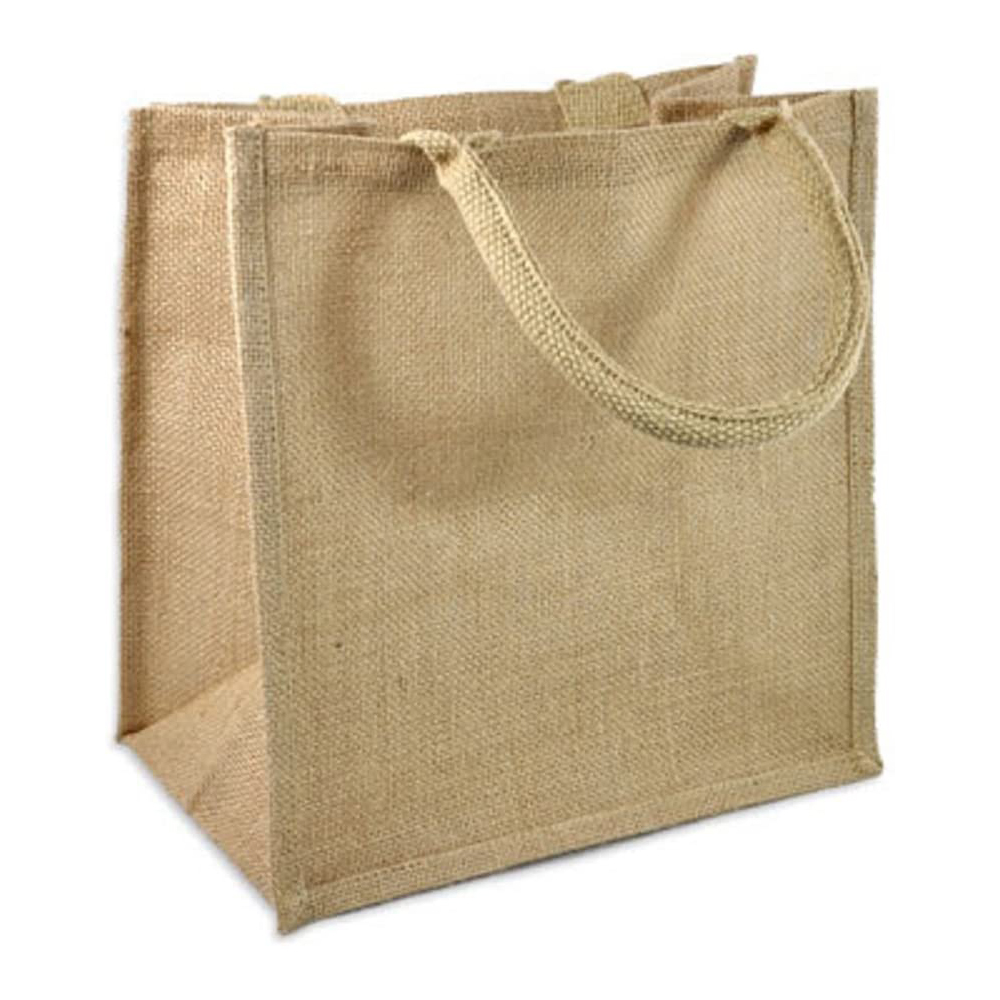
A woven bag manufacturer specializes in producing durable, versatile bags crafted from woven materials like polypropylene, jute, and canvas. These bags are designed to meet diverse packaging and carrying needs across multiple industries. The primary function of a woven bag manufacturer is to create sturdy containers that protect contents during storage and transportation while offering aesthetic appeal.
Technologically, modern woven bag manufacturers employ advanced looming equipment and precision stitching systems to ensure consistent quality and durability. These facilities integrate computerized pattern design, automated cutting, and reinforced sealing techniques. The woven bag manufacturer utilizes high-performance materials that resist tearing, moisture, and wear, making them suitable for long-term use.
Woven bags manufactured through these processes serve numerous applications. Agricultural sectors use them for grain, fertilizer, and seed storage. Food industries rely on them for flour, sugar, and spice packaging. Retail businesses employ woven bags as eco-friendly shopping alternatives. Construction companies utilize them for sand, cement, and aggregate transport. A professional woven bag manufacturer ensures each product meets industry standards for weight capacity, environmental durability, and safety compliance.
The manufacturing process involves selecting premium raw materials, executing precise weaving patterns, and applying quality control measures at every stage. This commitment to excellence distinguishes reputable manufacturers in the market. Whether for commercial bulk transport or retail consumer use, a woven bag manufacturer delivers practical solutions that combine functionality with reliability, making woven bags an indispensable packaging choice across global markets.

 EN
EN