
 EN
EN



A jute tote bag is an eco-friendly companion that serves countless daily purposes, from grocery shopping to carrying work essentials. However, like any natural fiber product, your jute tote bag requires proper cleaning and maintenance to remain functional, attractive, and durable over time. Understanding the right care techniques ensures your jute tote bag stays in excellent condition for years, protecting your investment while maintaining its natural aesthetic appeal and structural integrity.
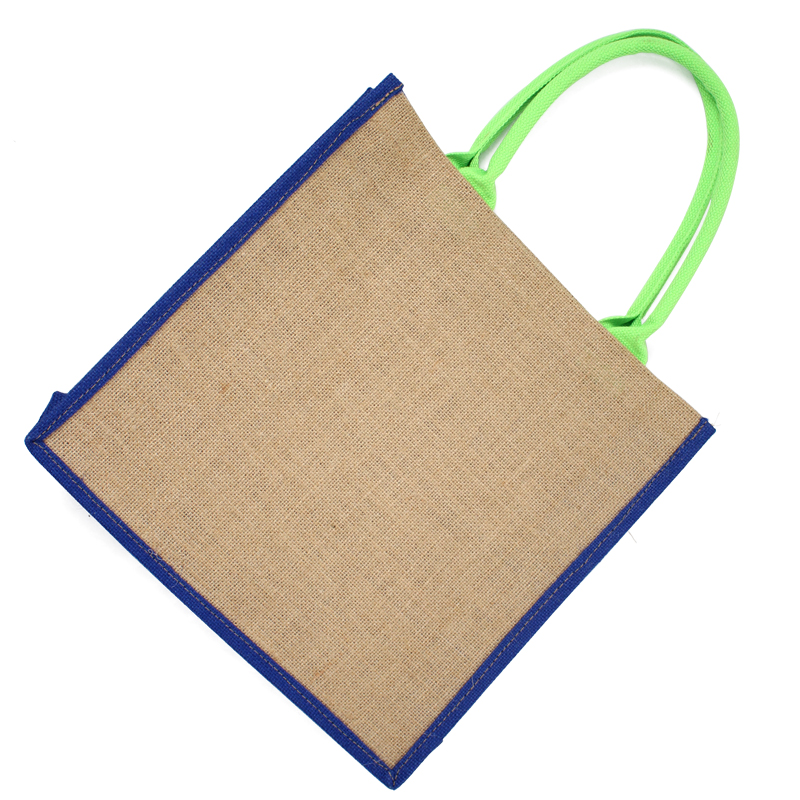
The jute tote bag, made from natural plant fibers, presents unique care challenges because jute is sensitive to excessive moisture, harsh chemicals, and direct heat. Learning proper maintenance practices for your jute tote bag prevents common damage such as mold growth, fiber weakening, color fading, and odor retention. This guide walks you through every step of cleaning and preserving your jute tote bag, covering routine maintenance, deep cleaning methods, drying techniques, and storage strategies that protect your bag's longevity.
Routine Cleaning Methods for Your Jute Tote Bag
Vacuuming and Dry Brushing
The foundation of maintaining your jute tote bag begins with regular dry cleaning. Use a soft-bristled brush or dry cloth to gently remove surface dust, lint, and debris from the exterior and interior of your jute tote bag. A handheld vacuum with a brush attachment works effectively for reaching corners and seams without damaging the fibers. Perform this dry cleaning weekly or after each use to prevent dirt from settling into the weave of your jute tote bag.
Spot Cleaning Stains
For fresh spills or small stains on your jute tote bag, immediate action prevents permanent marking. Blot the affected area with a clean, dry cloth first to absorb excess liquid. Mix a solution of cool water with a tiny amount of mild soap, then use a soft cloth to gently dab the stain on your jute tote bag. Avoid rubbing or scrubbing, as this pushes the stain deeper into the fibers of your jute tote bag. Always test your cleaning solution on a hidden area first to ensure it does not discolor your jute tote bag.
Deep Cleaning Your Jute Tote Bag
Hand Washing Approach
When your jute tote bag requires a thorough cleaning, gentle hand washing is the safest method. Fill a basin with cool water and add only a small amount of mild detergent designed for delicate fabrics. Submerge your jute tote bag and gently agitate the water for a few minutes to loosen trapped dirt and dust within the weave. For stubborn stains on your jute tote bag, use a soft-bristled brush to carefully work the soapy solution into affected areas without scrubbing harshly.
Rinsing and Wringing
Thorough rinsing removes all soap residue from your jute tote bag. Drain the soapy water and refill the basin with fresh cool water. Gently submerge and swish your jute tote bag several times until the water runs clear. Never wring or twist your jute tote bag aggressively, as this weakens the fibers and damages the structural integrity. Instead, gently squeeze out excess water by pressing your jute tote bag against the basin sides or into a clean towel.
Drying and Storage of Your Jute Tote Bag
Air Drying Your Jute Tote Bag
Proper drying is critical for preserving your jute tote bag and preventing mold or mildew growth. After washing, lay your jute tote bag flat on a clean, dry towel in a well-ventilated area away from direct sunlight. Allow your jute tote bag to air dry completely, which typically takes 24 to 48 hours depending on humidity levels and thickness. Never use a dryer, heat gun, or place your jute tote bag near a heat source, as high temperatures damage the fibers and cause shrinkage of your jute tote bag.
Preventing Odors and Mold
While drying, ensure your jute tote bag receives adequate air circulation to prevent musty odors. Stuff your jute tote bag loosely with newspaper or acid-free tissue paper to help absorb moisture and maintain shape during the drying process. Replace the stuffing midway if it becomes damp. Once fully dry, store your jute tote bag in a cool, dark place with low humidity. Avoid damp basements or sealed plastic bags, which trap moisture and encourage mold on your jute tote bag.
Long-Term Storage
When storing your jute tote bag for extended periods, maintain conditions that protect the natural fibers. Place your jute tote bag in a breathable cotton bag or open shelf rather than airtight containers. Keep your jute tote bag away from direct sunlight, as UV rays fade the natural color over time. Include a moisture-absorbing sachet like baking soda or activated charcoal inside your jute tote bag to control humidity and eliminate odors. Check your jute tote bag periodically during storage to ensure it remains dry and odor-free.
FAQ
Can I machine wash my jute tote bag?
Machine washing is not recommended for your jute tote bag because the agitation, heat, and excessive water can damage the natural fibers, cause shrinkage, and weaken structural integrity. Hand washing with gentle techniques preserves the quality and longevity of your jute tote bag far better than machine washing. If your jute tote bag has reinforced handles or special construction, always refer to the manufacturer's care label before cleaning.
How often should I clean my jute tote bag?
Routine maintenance of your jute tote bag through dry brushing should happen weekly or after heavy use. Deep washing of your jute tote bag is only necessary when visible dirt accumulates, stains appear, or odors develop, typically every few months depending on usage. More frequent deep cleaning of your jute tote bag is unnecessary and risks unnecessary wear on the natural fibers.
What should I avoid when cleaning my jute tote bag?
Never use bleach, harsh chemicals, hot water, or fabric softeners on your jute tote bag, as these damage the fibers. Avoid wringing, twisting, or machine drying your jute tote bag. Do not expose your jute tote bag to direct heat sources or prolonged sunlight during drying. Steer clear of commercial dry cleaning services, which use solvents that harm natural jute fibers in your jute tote bag.