polyester cloth bag
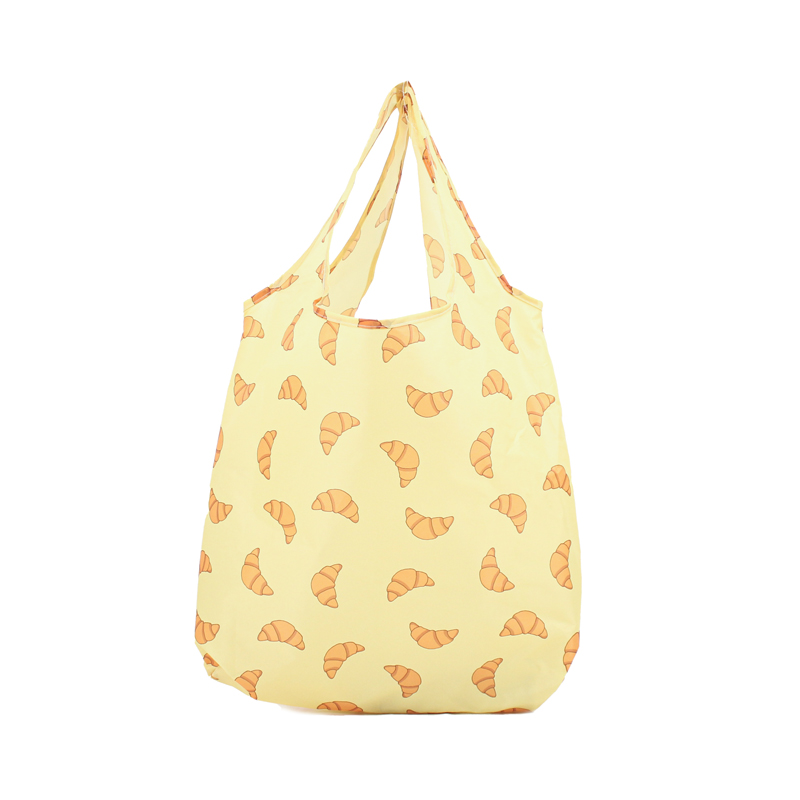
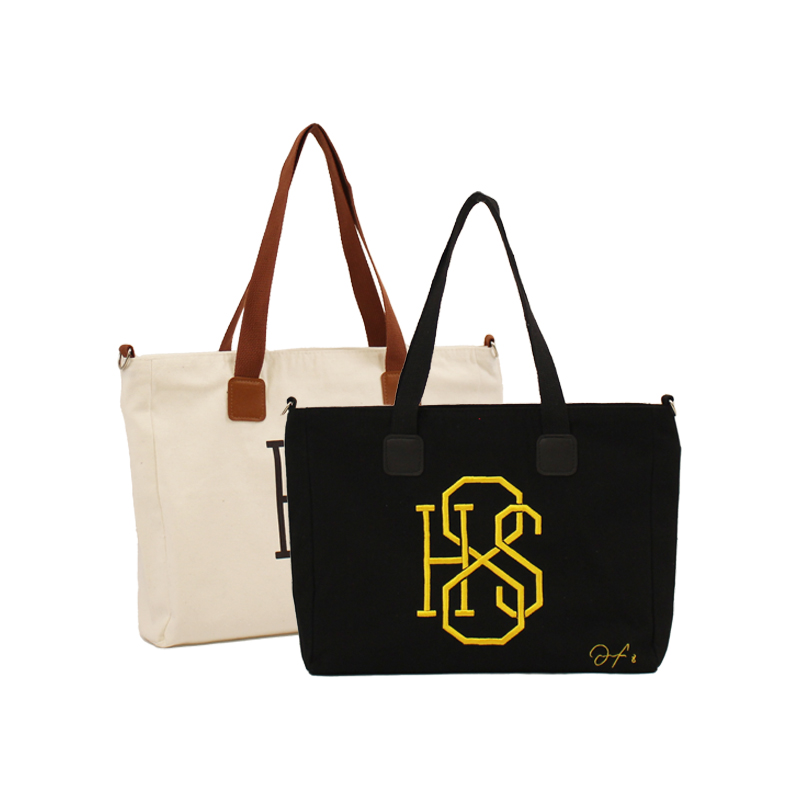
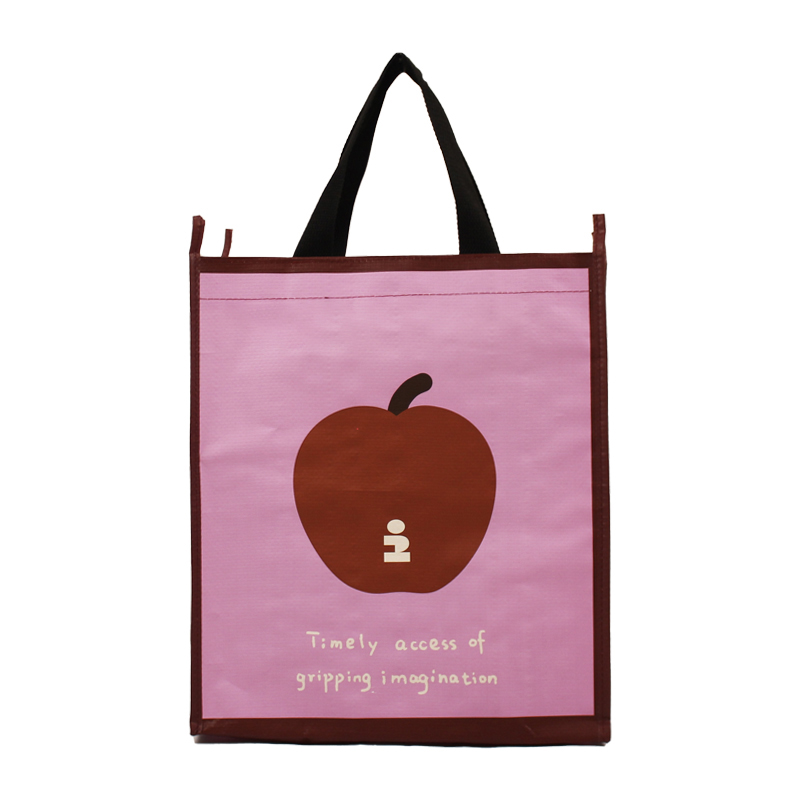
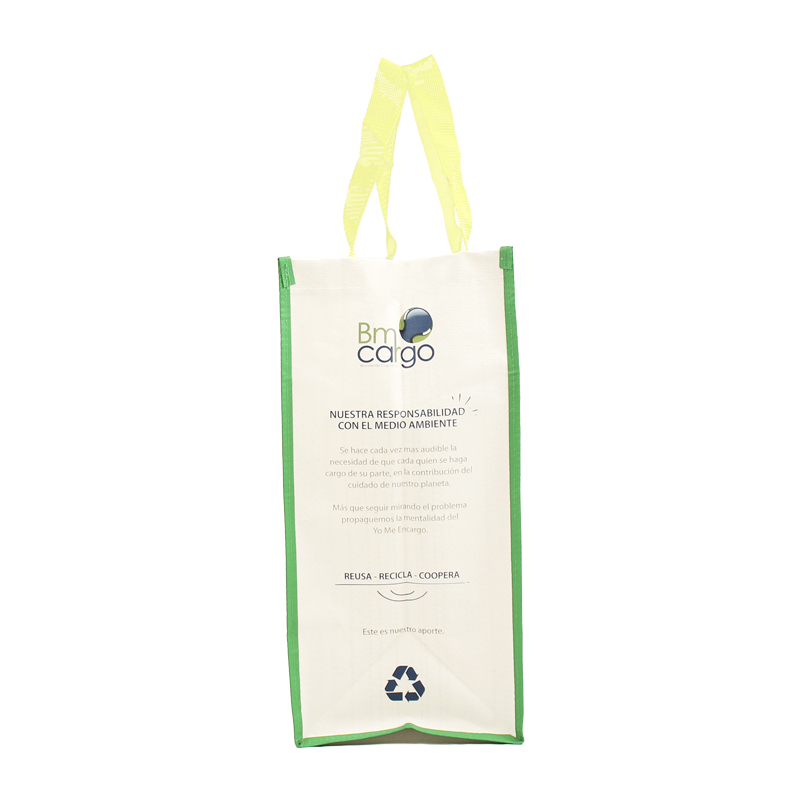
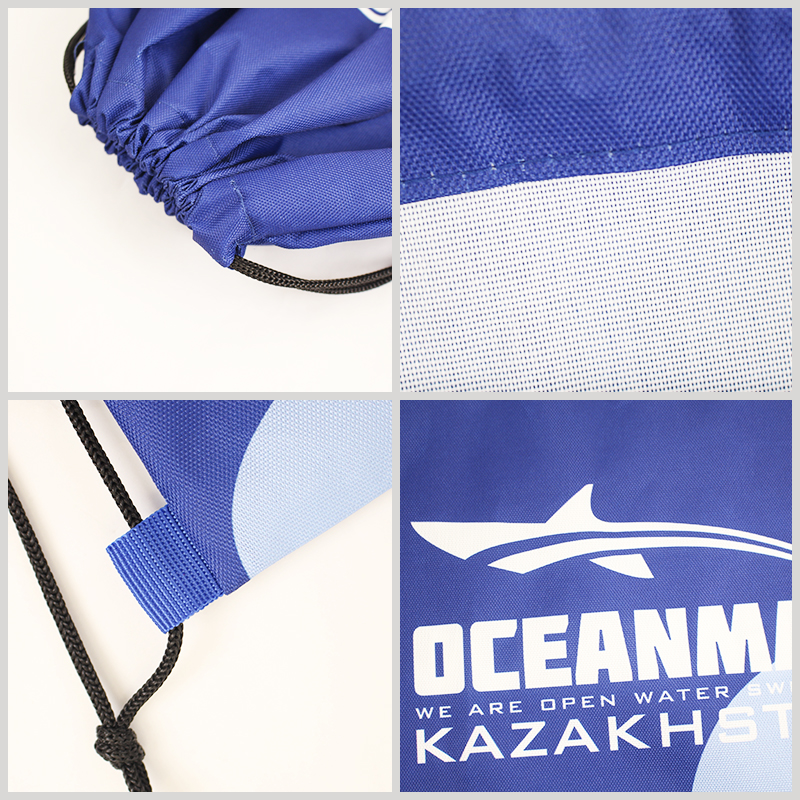
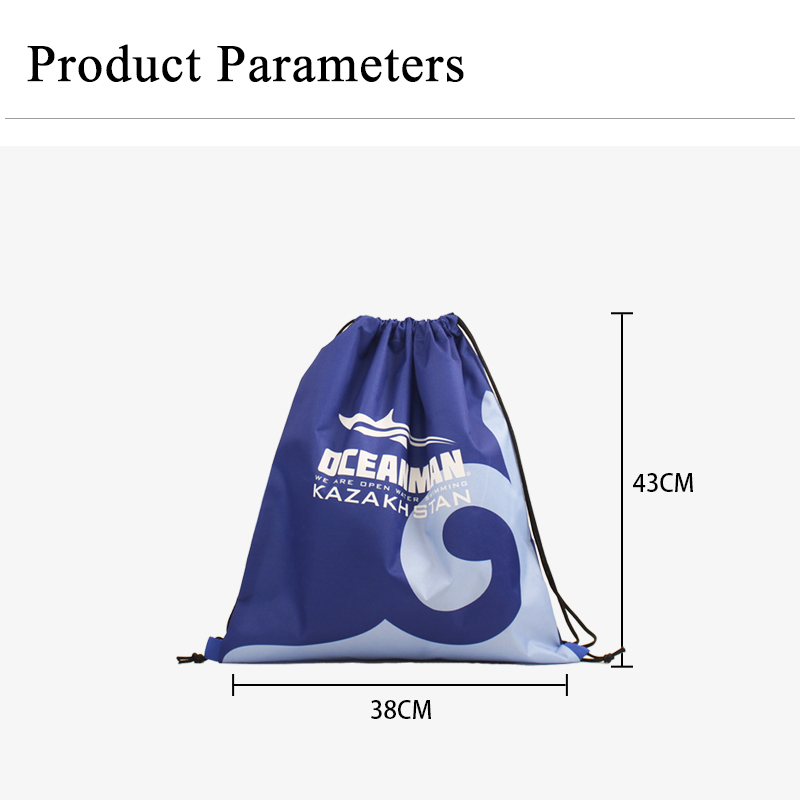
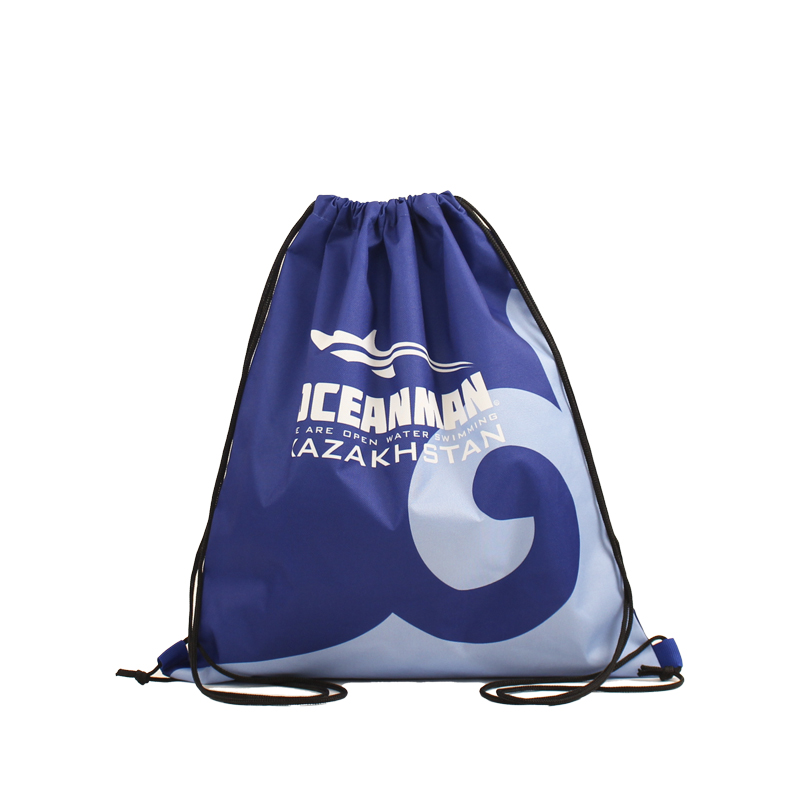
A polyester cloth bag represents a versatile and practical storage solution designed for modern consumers seeking durability and functionality. This polyester cloth bag combines lightweight construction with exceptional strength, making it ideal for various applications ranging from everyday shopping to professional use. The polyester cloth bag features advanced manufacturing techniques that enhance its resistance to wear, tear, and environmental factors. The material composition of a polyester cloth bag ensures longevity while maintaining affordability, presenting an excellent value proposition for bulk purchasing. Technological features integrated into the polyester cloth bag include reinforced stitching at stress points, ensuring the bag withstands heavy loads without compromising integrity. The polyester cloth bag utilizes water-resistant properties, protecting contents from moisture and minor spills. Applications for a polyester cloth bag extend across retail environments, promotional marketing campaigns, grocery shopping, and industrial storage needs. The design versatility of a polyester cloth bag allows for customization options including screen printing, embroidery, and color variations. Businesses frequently choose a polyester cloth bag for branded merchandise distribution due to its professional appearance and reusable nature. The environmental advantages of selecting a polyester cloth bag over single-use alternatives make it an increasingly popular choice among eco-conscious consumers and organizations committed to sustainability initiatives.

 EN
EN