
 EN
EN



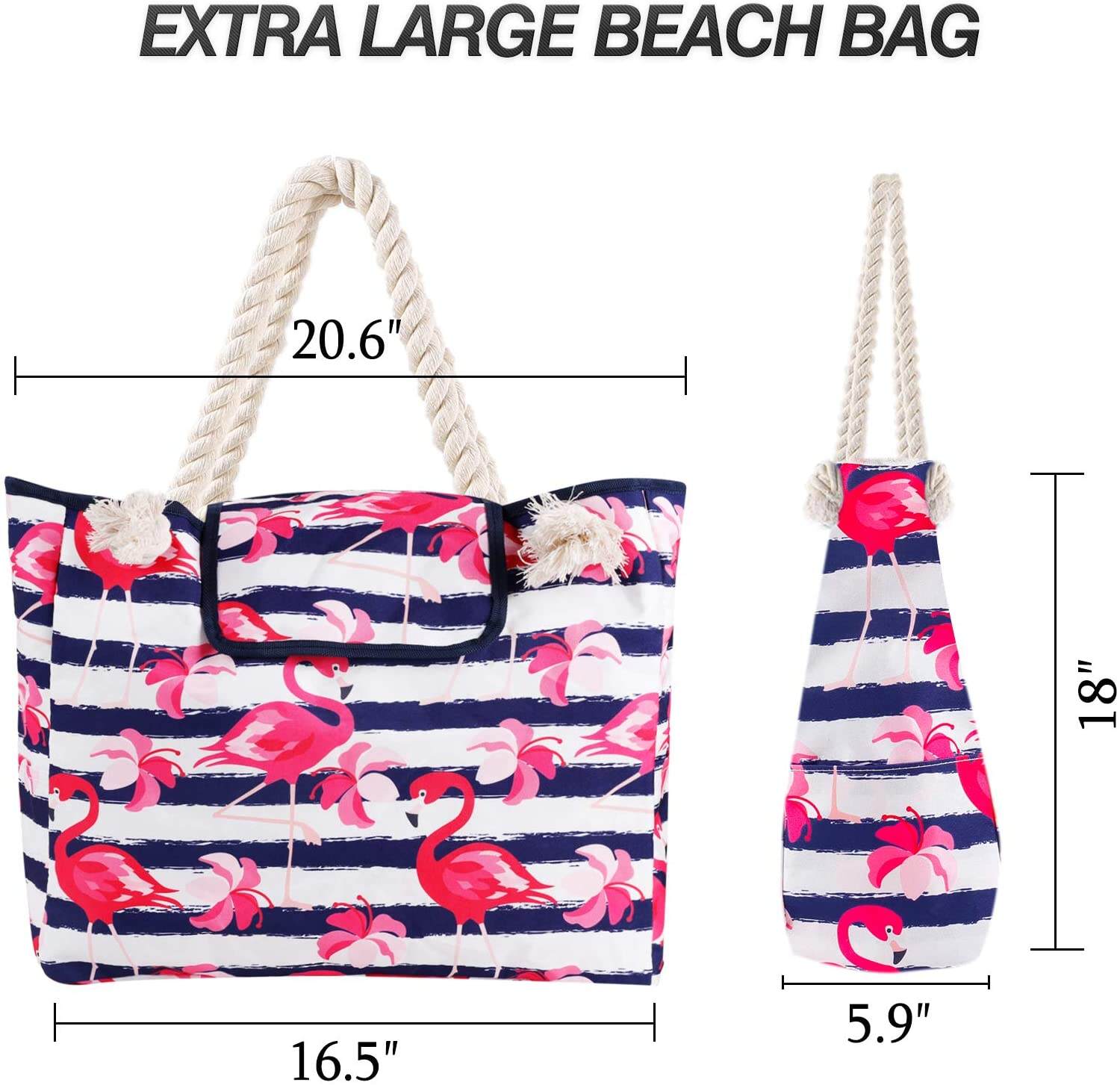
Volba medzi bavlnená taška a plátnená Väčka často závisí od konkrétnych potrieb, vzorov používania a environmentálnych podmienok. Aj keď obe materiály ponúkajú udržateľné alternatívy k plastovým vreciam, pochopenie odlišných vlastností a optimálnych oblastí použitia každého materiálu pomáha kupujúcim prijať informované rozhodnutia, ktoré sú v súlade s ich zamýšľanými prípadmi použitia a očakávaniami týkajúcimi sa kvality.
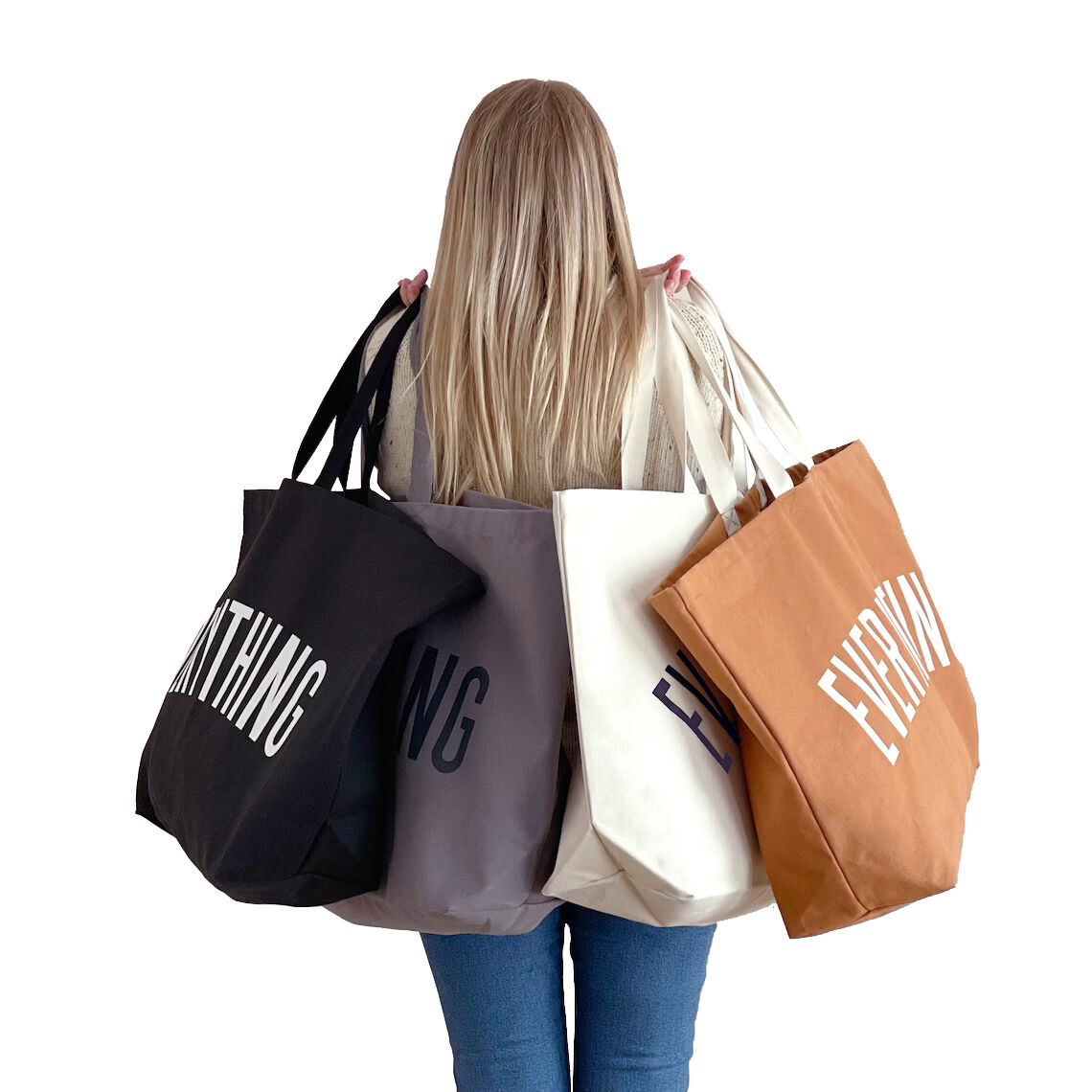
Rozhodnutie medzi bavlnenými a plátnovými vrecami vyžaduje posúdenie faktorov, ako je požadovaná mäkkosť, úvahy týkajúce sa hmotnosti, možnosti tlače, cenové obmedzenia a plánovaná frekvencia použitia. Bavlnené vrecko zvyčajne ponúka vyšší komfort a flexibilitu, čo ho robí ideálnym pre špecifické aplikácie, kde by plátnové vrecko mohlo byť pre dané účely príliš tuhé alebo ťažké.
Vlastnosti materiálu a rozdiely v jeho výkone
Hmotnosť a vzhľad tkaniny
Bavlnené tašky zvyčajne využívajú ľahšie tkaniny s hmotnosťou od 4 do 8 uncí na štvorcový yard, v porovnaní s plátnovými taškami, ktoré zvyčajne používajú tkaniny s hmotnosťou 10 až 16 uncí. Tento rozdiel v hmotnosti výrazne ovplyvňuje dotyk tašky – bavlna poskytuje mäkšiu a pružnejšiu textúru, ktorú mnohí používatelia považujú za pohodlnejšiu pri dlhodobom nosení.
Nižšia hmotnosť bavlnenej tašky ju robí obzvlášť vhodnou pre aplikácie, kde má prednosť prenosnosť a pohodlie pred maximálnou trvanlivosťou. Používatelia, ktorí potrebujú tašky často zložiť, zaliť alebo ukladať, často uprednostňujú vynikajúcu pružnosť a kompaktnosť bavlnených tašiek pri základaní.
Prirodzená mäkkosť bavlny sa tiež prejavuje lepším drape a pohybom, čo vytvára elegantnejší vzhľad pri nosení. Táto estetická výhoda robí bavlnené tašky preferovaným riešením v módnym prostredí alebo v profesionálnych kontextoch, kde je vzhľad rovnako dôležitý ako funkčnosť.
Odolnosť a nosnosť
Zatiaľ čo plátnené tašky vynikajú v náročných aplikáciách, bavlnená taška poskytuje dostatočnú pevnosť pre stredne ťažké zaťaženia, zvyčajne v rozsahu od 10 do 20 libier, v závislosti od kvality výroby. Ľahší materiál znamená, že bavlnené tašky sú najvhodnejšie na prenášanie kníh, dokumentov, ľahkých potravín alebo osobných vecí, nie však ťažkých priemyselných materiálov.
Medzi charakteristiky pevnosti bavlny patrí dobrá odolnosť proti trhaniu vzhľadom na jej hmotnosť, hoci nedosahuje výnimočnú pevnosť plátna. V aplikáciách, kde je potrebné časté pranie alebo vystavenie miernemu namáhaniu, kvalitné bavlnené tašky preukazujú spoľahlivý výkon a zároveň lepšie udržiavajú svoj tvar a vzhľad v porovnaní s mnohými syntetickými alternatívami.
Kompromis medzi pevnosťou a inými faktormi často uprednostňuje bavlnu v prípadoch, keď maximálna nosnosť nie je hlavným kritériom. Mnoho používateľov zistilo, že dostatočná pevnosť bavlny spolu s vyšším komfortom vytvára lepší celkový používateľský zážitok pre každodenné aplikácie.
Optimálne prípady použitia bavlnených taštičiek
Aplikácie v móde a v maloobchode
Bavlnené taštičky sa vyznačujú v maloobchodnom prostredí, kde je pre zákaznícku skúsenosť a prezentáciu značky veľmi dôležitá. Mäkšia textúra a lepšie padanie bavlny vytvárajú vyšší dojem kvality, ktorý zákazníci spájajú s kvalitnými značkami, čo robí bavlnu preferovanou voľbou pre luxusné maloobchodné balenie a propagačné darčeky.
Módnym predávajúcim sa špeciálne vypláca výborná tlačiteľnosť a udržateľnosť farieb bavlny. Hladší povrch bavlnenej taštičky lepšie prijíma podrobné grafiky, jemné písmo a komplexné dizajny v porovnaní s hrubšou textúrou plátna, čo umožňuje sofistikovanejšie možnosti značkovania.
Nižšia hmotnosť bavlny tiež zníži náklady na dopravu pre predávajúcich, ktorí distribuujú označené taštičky v dávkach, zatiaľ čo zlepšená zákaznícka skúsenosť často vedie k vyššej miere opätovného používania taštičiek a väčšej viditeľnosti značky v každodenných situáciách.
Osobné a profesionálne použitie
Pre profesionálne prostredia ponúkajú bavlnené tašky ideálnu rovnováhu medzi funkčnosťou a vzhľadom. Ich jemná textúra a profesionálny vzhľad ich robia vhodnými na prepravu dokumentov, notebookov a obchodných materiálov bez priemyselného dojmu, ktorý niekedy vyvolávajú plátnené tašky.
Študenti a profesionáli, ktorí nosia knihy, papiere a elektronické zariadenia, často uprednostňujú ľahšiu váhu bavlnených tašiek a mäkšie remienky na pleť. Znížený objem v prázdnom stave umožňuje jednoduchšie uskladnenie v školských skrinkách, na písacích strojoch alebo v vozidlách, zatiaľ čo pohodlný pocit podporuje ich pravidelné používanie.
Bavlnené tašky sa tiež výborne hod ia na športové tašky, tašky na obed a iné osobné účely, pri ktorých je dôležitá častá zložiteľnosť, pranie a kompaktné uskladnenie. Priepustnosť materiálu a jeho jednoduchá starostlivosť ho robia ideálnym pre predmety, ktoré sa môžu navlhčiť alebo získať neprijemný zápach.
Ekologické a ekonomické aspekty
Faktory udržateľnosti
Z environmentálneho hľadiska bavlnené tašky ponúkajú výrazné výhody v konkrétnych scenároch. Ich nižšia hmotnosť vyžaduje menej surovín na jednu tašku, čím sa zníži celková environmentálna stopa počas výroby. V prípadoch, keď nie je potrebná dodatočná odolnosť plátna, výber bavlny predstavuje efektívnejší prístup z hľadiska využitia zdrojov.
Biologická rozložiteľnosť bavlny stále prevyšuje syntetické alternatívy, aj keď bavlnené aj plátnené tašky vyžadujú viacnásobné použitie, aby kompenzovali svoj vplyv na životné prostredie v porovnaní s jednorazovými plastovými vrecúškami. bavlnená taška bavlnená taška zvyčajne vyžaduje 130–150 použití na dosiahnutie environmentálneho bodu nulovej bilancie, kým plátnené tašky vyžadujú 170–200 použití kvôli väčšej spotrebe materiálu.
Pre organizácie, ktoré sa sústreďujú na minimalizáciu svojho environmentálneho dopadu, bavlnené tašky často poskytujú optimálnu rovnováhu medzi cieľmi udržateľnosti a praktickou funkčnosťou, najmä ak predpokladané spôsoby použitia nepotrebujú maximálnu odolnosť.
Analýza nákladovej efektívnosti
Bavlnené tašky zvyčajne stojia o 15–30 % menej ako porovnateľné plátnené tašky v dôsledku nižšej spotreby materiálu a jednoduchších požiadaviek na výrobu. Táto cenová výhoda robí bavlnu uprednostňovanou voľbou pre masové promo kampane, predajné darčeky a aplikácie s obmedzeným rozpočtom, pri ktorých zostáva funkčnosť stále dostatočná.
Nižšia počiatočná investícia do bavlnených tašiek umožňuje organizáciám rozdeliť viac tašiek v rámci rovnakého rozpočtu, čo potenciálne zvyšuje viditeľnosť značky a zapojenie zákazníkov. Pre aplikácie s kratším očakávaným životným cyklom alebo s nižšou intenzitou používania často preváža cenová efektívnosť bavlny výhody trvanlivosti plátna.
Okrem toho nižšia hmotnosť bavlny zníži náklady na dopravu a skladovanie, čo je obzvlášť dôležité pre podniky, ktoré distribuujú tašky do viacerých lokalít alebo medzinárodných trhov. Tieto logistické úspory môžu významne ovplyvniť celkové náklady na vlastníctvo pri rozsiahlych programoch s taškami.
Výrobné a personalizačné výhody
Tlačné a dizajnové možnosti
Hladší povrchový textúr bavlny poskytuje vynikajúce výsledky pre rôzne tlačové techniky, vrátane sieťovej tlače, tepelnej transferovej tlače a digitálnych tlačových metód. Jemnejšia štruktúra tkaniny bavlnenej tašky umožňuje presnejšiu reprodukciu textu, podrobnnejšie grafiky a lepšiu nasýtenosť farieb v porovnaní s hrubšou textúrou plátna.
Pre značky, ktoré vyžadujú komplikované logá, jemný text alebo reprodukciu fotografickej kvality, ponúkajú bavlnené tašky výrazné výhody z hľadiska kvality tlače a zachovania detailov. Konzistentný povrch materiálu tiež zníži počet tlačových chýb a zlepší celkovú výrobnú efektivitu pri výrobe na objednávku.
Vynikajúca schopnosť bavlny absorbovať farbivá umožňuje živšie farby a lepšiu svetlostabilitu farieb, čo zabezpečuje, že tlačené motívy uchovajú svoj vzhľad po viacerých praníach a počas dlhšieho obdobia používania.
Flexibilita výroby
Jednoduchšia manipulácia s bavlnou počas výrobných procesov ju robí ideálnou pre zložité návrhy tašiek s viacerými vreckami, zipsmi alebo dekoratívnymi prvками. Pružnosť materiálu umožňuje užšie tolerancie pri šití a presnejšie konštrukčné detaily, ktoré by mohli byť pri tuhších plátnových materiáloch problematické.
Dodacia lehota pre výrobu bavlnených tašiek je často kratšia v porovnaní s alternatívami z plátna v dôsledku jednoduchšieho spracovania a širšej dostupnosti vhodných hrúbok látky. Táto výhoda sa ukazuje ako rozhodujúca pre časovo citlivé propagačné kampane alebo sezónne obchodné programy, ktoré vyžadujú rýchly dodací termín.
Kompatibilita materiálu s rôznymi konštrukčnými technikami umožňuje tiež cenovo výhodné možnosti personalizácie, vrátane kontrastných okrajov, dekoratívneho šitia a návrhov z kombinácie materiálov, ktoré zvyšujú vizuálnu atraktívnosť a funkčnosť tašky.
Často kladené otázky
Ako dlho sa zvyčajne udrží bavlnená taška v porovnaní s plátnovou?
Kvalitná bavlnená taška zvyčajne vydrží 2–3 roky pri pravidelnom používaní, preprave stredne ťažkých nákladov a normálnych podmienkach starostlivosti. Hoci plátnené tašky môžu pri podobných podmienkach vydržať 5–7 rokov, životnosť bavlnených tašiek je pre väčšinu aplikácií dostatočná, ak nie je vyžadovaná extrémna odolnosť. Kľúčové je prispôsobiť očakávanú trvanlivosť tašky predpokladaným spôsobom používania.
Môžu bavlnené tašky bezpečne prepravovať mokré alebo vlhké predmety?
Bavlnené tašky dokážu prepravovať vlhké predmety, avšak ich treba čo najskôr vysušiť, aby sa zabránilo vzniku plesne a nepriaznivého zápachu. Prirodzená dýchavosť materiálu v skutočnosti pomáha pri riadení vlhkosti, hoci plátno ponúka lepšiu odolnosť voči vode pri extrémne mokrých podmienkach. Ak sa tašky pravidelne vystavujú vlhkosti, zvážte použitie ošetreného bavlneného materiálu alebo zabezpečte dodržiavanie vhodných postupov sušenia.
Sú bavlnené tašky vhodné na nákup veľkého množstva potravín?
Bavlnené tašky sa dobre hodias na nákup potravín v malom a strednom rozsahu, pričom bezpečne udržia zvyčajne 4,5–6,8 kg v závislosti od kvality výroby. Pre ťažké predmety, ako sú konzervy alebo veľké množstvá tovaru, poskytujú plátnené tašky lepšie rozloženie zaťaženia a vyššiu trvanlivosť. Bavlnené tašky sa výborne hodias na ovocie a zeleninu, pekársky tovar a balené výrobky, ktoré materiál nezaťažujú.
Aký je rozdiel v environmentálnom dopade medzi bavlnenými a plátnenými taškami?
Výroba bavlnených tašiek vyžaduje menej zdrojov v dôsledku použitia ľahšieho materiálu, čo ich robí environmentálne efektívnejšími v prípadoch, keď nie je potrebná dodatočná trvanlivosť plátnených tašiek. Oba materiály sú biologicky rozložiteľné a udržateľné za predpokladu správneho spôsobu používania, avšak nižší environmentálny dopad výroby bavlnených tašiek ich robí preferovanejšími v prípadoch, keď je možné dosiahnuť dostatočnú trvanlivosť pri použití menšieho množstva materiálu.