
 EN
EN



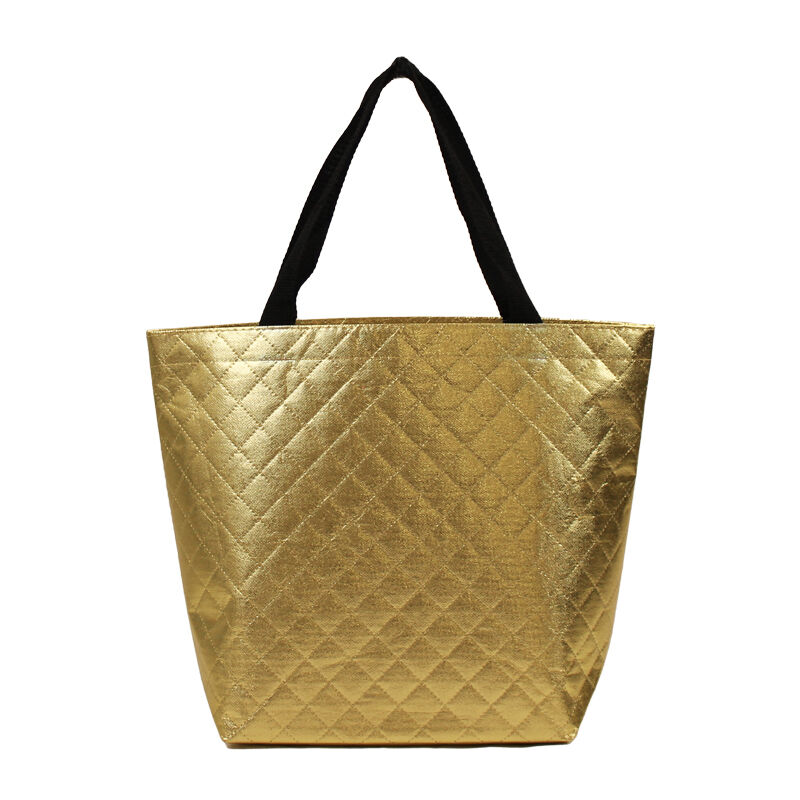
Pri výbere materiálov pre tašky a riešenia na prenášanie je dôležité pochopiť, ako sa polyesterová látka pre tašky porovnáva s inými textilnými možnosťami – to platí rovnako pre výrobcov, predávajúcich aj spotrebiteľov. Polyester sa ukázal ako jeden z najviac univerzálnych a najviac používaných materiálov pri výrobe tašiek a ponúka jedinečnú kombináciu trvanlivosti, cenovej dostupnosti a funkčných vlastností, ktoré ho odlišujú od prírodných i syntetických alternatív.
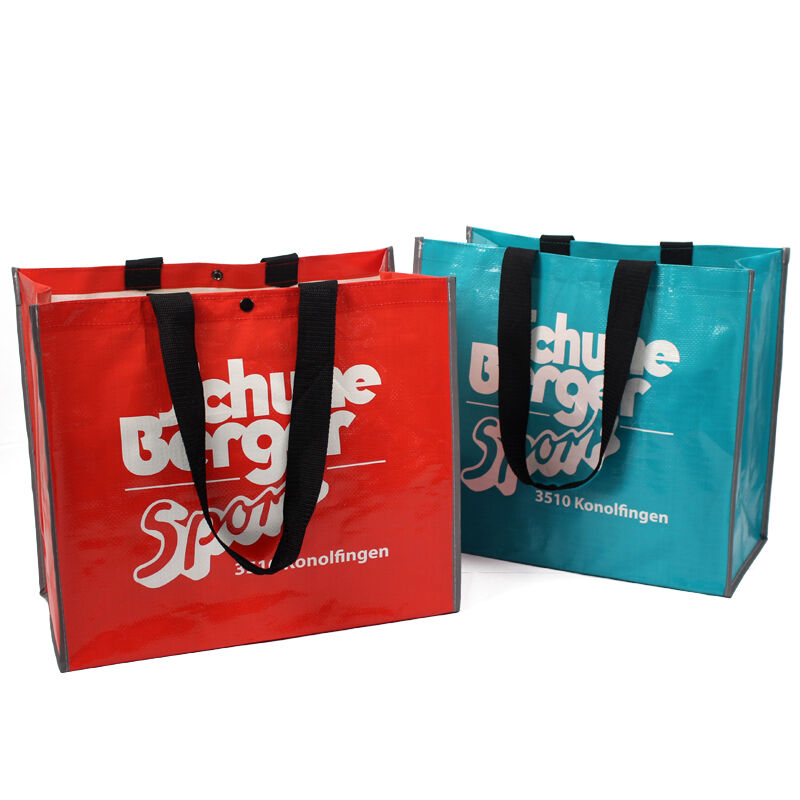
Porovnávacia analýza materiálov pre polyesterové tašky zahŕňa preskúmanie viacerých dimenzií výkonu, vrátane vlastností pevnosti, odolnosti voči vonkajším vplyvom, požiadaviek na údržbu, nákladových aspektov a estetických možností. Každý typ látky prináša špecifické výhody aj obmedzenia, čo znamená, že výber závisí od konkrétnych požiadaviek na použitie, očakávaní cieľového trhu a výrobných obmedzení, ktoré ovplyvňujú celkový úspech výrobku.
Vlastnosti trvanlivosti a pevnosti
Výkon pri ťahu
Materiály z polyesteru pre tašky vykazujú výnimočnú pevnosť v ťahu v porovnaní s mnohými prírodnými tkaninovými alternatívami, pričom štandardné polyesterové tkaniny dosahujú hodnoty odolnosti voči trhaniu v rozmedzí 40–80 libier na lineárny palec v závislosti od hustoty väzby a denieru vlákna. Táto charakteristika pevnosti presahuje pevnosť bavlneného plátna v väčšine aplikácií, hoci v aplikáciách s vysokým zaťažením zvyčajne klesá pod vynikajúcu pevnosť v ťahu nylonu.
Molekulárna štruktúra polyesterových vlákien prispieva k rovnomernému rozloženiu pevnosti po celej ploche tkaniny, čím sa znížia slabé miesta, ktoré sa v prírodných vláknových textíliách často vytvárajú. Na rozdiel od bavlnených alebo konopeňových materiálov, ktoré sa môžu oslabiť pri opakovanom zaťažení, polyesterové taškové tkaniny udržiavajú svoju štrukturálnu celistvosť počas dlhodobého používania, čo ich robí obzvlášť vhodnými pre náročné prepravné aplikácie.
Vo vzťahu k plátnovým materiálom sa polyester vyznačuje vyššou odolnosťou voči natiahnutiu a deformácii pod zaťažením. Plátnové tašky sa často trvale natiahnu po prenášaní ťažkých predmetov, zatiaľ čo polyesterové materiály sa po odstránení zaťaženia vrátia do pôvodných rozmerov, čím sa zabezpečuje konzistentný tvar a funkčnosť tašky v priebehu času.
Vlastnosti odolnosti voči opotrebovaniu
Odolnosť voči opotrebovaniu polyesterových materiálov pre tašky v štandardizovaných skúšobných postupoch konzistentne prekonáva alternatívy z prírodných vlákien. Polyesterové tkaniny zvyčajne dosahujú výsledky skúšky Martindale presahujúce 15 000 cyklov pred výrazným opotrebovaním, zatiaľ čo plátnové tkaniny z bavlny sa často začínajú rozkladať už po 8 000–10 000 cykloch za podobných podmienok.
Táto vynikajúca odolnosť voči opotrebovaniu sa prejavuje predĺžením životnosti výrobkov z polyesterných tašiek, najmä v komerčnom a priemyselnom prostredí, kde sa tašky často dotýkajú drsných povrchov. Štruktúra syntetického polyméru odoláva rozpadu vlákien, ktorý sa bežne vyskytuje u prírodných materiálov vystavených opakujúcemu sa treniu a kontaktu s povrchom.
Porovnanie polyesteru s alternatívami z koži ukazuje odlišné charakteristiky opotrebovania, pričom koža s časom získava patinu a zmäkčuje sa, kým polská taška materiály zachovávajú po celú dobu ich životnosti konštantnú textúru a vzhľad povrchu, čo je výhodné pre aplikácie vyžadujúce jednotnú estetickú prezentáciu.
Odolnosť voči prostrediu a výkon v rôznych počasnostných podmienkach
Schopnosti odolnosti voči vode
Látky z polyesteru pre tašky vykazujú prirodzené hydrofóbne vlastnosti, ktoré poskytujú výbornú odolnosť voči vlhkosti v porovnaní s väčšinou alternatív z prírodných vlákien. Syntetická polymérna štruktúra prirodzene odpudzuje vodu, čím sa znížia rýchlosti absorpcie na menej ako 1 % hmotnostne, zatiaľ čo bavlna a plátno môžu absorbovať až 25 % svojej hmotnosti vo forme vlhkosti pred dosiahnutím nasýtenia.
Táto výhoda odolnosti voči vode nadobúda obzvlášť veľký význam pri vonkajších aplikáciách a v prostrediach s vysokou vlhkosťou, kde tašky z prírodných vlákien môžu napríklad v dôsledku udržiavania vlhkosti vzniknúť plesňové alebo pliesňové napadnutie alebo ich štruktúra sa môže oslabiť. Polyesterové materiály sa po vystavení vode schnú rýchlo – za normálnych podmienok sa zvyčajne úplne vyschnú do 2–4 hodín, kým pre alternatívy z prírodných vlákien je potrebných 12–24 hodín.
Ak sa polyesterové materiály pre tašky ošetria dodatočnými vodoodolnými povlakmi, môžu dosiahnuť úplnú nepriepustnosť pre vodu, čo ich robí vhodnými pre námorné aplikácie a extrémne počasné podmienky, kde prírodné materiály nedokážu poskytnúť dostatočnú ochranu obsahu tašiek.
Stabilita voči UV žiareniu a udržanie farby
Fotostabilita polyesterových materiálov pre tašky prevyšuje väčšinu alternatív z prírodných vlákien pri dlhodobej expozícii slnečnému svetlu a ultrafialovému žiareniu. Štandardné polyesterové látky udržiavajú štrukturálnu celistvosť a životosť farieb po dobu 2–3 rokov pri priamom vonkajšom vystavení, zatiaľ čo bavlna a iné prírodné materiály môžu vykazovať výrazné degradácie už po 6–12 mesiacoch.
Vlastnosti udržiavania farby u polyesteru umožňujú živé a dlhodobo trváce dizajny, ktoré si zachovávajú svoj vzhľad počas celého životného cyklu výrobku. Syntetická vláknová štruktúra prijíma farbivá rovnomernejšie a udržiava molekuly farby účinnejšie ako prírodné vlákna, čo má za následok vynikajúcu odolnosť voči vyblednutiu a konzistentný vzhľad v priebehu času.
Vo vzťahu k alternatívnym materiálom z nylonu sa polyester vyznačuje lepšou odolnosťou voči UV žiareniu, pretože materiály z nylonu majú tendenciu pri intenzívnom slnečnom svetle rýchlejšie žltnúť a strácať pevnosť. Táto výhoda robí materiály z polyesteru pre tašky obzvlášť vhodnými pre vonkajšie vybavenie a propagačné výrobky, ktoré musia byť po dlhšiu dobu vystavené vonkajším podmienkam.
Výhody výroby a spracovania
Faktory výrobnej efektívnosti
Výroba tašiek z polyesteru ponúka významné výrobné výhody oproti alternatívam z prírodných vlákien vďaka konzistentnej kvalite vlákien, predvídateľným mieram zmršťovania a zníženým požiadavkám na predspracovanie. Syntetická povaha materiálu eliminuje premennosť spojenú so zberom, spracovaním a sezónnymi kolísaniami kvality prírodných vlákien, čo môže ovplyvniť plánovanie výroby a kontrolu kvality.
Tepelné vlastnosti polyesterných materiálov umožňujú procesy tepelného nastavovania, ktoré vytvárajú trvalé záhyby, faldy a dimenzionálnu stabilitu, ktoré nie je možné dosiahnuť pomocou alternatívnych prírodných vlákien. Táto spracovateľská schopnosť umožňuje výrobcom vytvárať komplexné návrhy tašiek s presnými špecifikáciami, ktoré si uchovávajú svoj tvar počas celého životného cyklu výrobku.
Polyesterové látky pre tašky vykazujú vynikajúcu kompatibilitu s modernými textilnými tlačovými a dokončovacími procesmi, vrátane sublimačnej tlače, aplikácií tepelného prenosu a laminácie, ktoré môžu poškodiť alebo byť nekompatibilné s materiálmi z prírodných vlákien. Tieto výhody pri spracovaní rozširujú možnosti návrhu a znižujú výrobnú zložitosť.
Štandardy konzistentnosti kvality
Syntetický výrobný proces pre polyesterové materiály zabezpečuje konzistentný priemer vlákna, pevnostné vlastnosti a rozmerové vlastnosti, ktoré eliminujú medzipartiové rozdiely bežné u textílií z prírodných vlákien. Táto konzistencia zníži náklady na kontrolu kvality a umožňuje presné dodržiavanie špecifikácií pre komerčné aplikácie vreciek.
Na rozdiel od bavlnených alebo konopeňových materiálov, ktorých hrúbka, pevnosť alebo textúra sa môžu líšiť v závislosti od podmienok pestovania a metód spracovania, polyesterové látky pre vrecká poskytujú rovnaké prevádzkové vlastnosti, ktoré umožňujú presné výpočty zaťaženia, rozmerové plánovanie a predikcie výkonu počas celého výrobného procesu.
Štandardizované vlastnosti polyesterových materiálov usľahčujú automatizované výrobné procesy a protokoly kontrol kvality, ktoré je ťažké implementovať pri alternatívach z prírodných vlákien, čím sa zvyšuje efektívnosť výroby a znížia sa náklady na prácu spojené s manuálnou kontrolou a úpravami.
Analýza nákladov a ekonomické úvahy
Porovnanie nákladov na suroviny
Materiály z polyesteru pre tašky zvyčajne stojia o 15–30 % menej ako porovnateľné alternatívy z bavlneného plátna a o 40–60 % menej ako kožené materiály, čo poskytuje významné ekonomické výhody pre výrobu v veľkom rozsahu. Syntetický výrobný proces eliminuje sezónne kolísanie cien a neistoty v dodávateľskom reťazci spojené s poľnohospodárskymi vláknami.
Cenová stabilita polyesterových materiálov umožňuje presnejšie predpovedanie nákladov a plánovanie zásob v porovnaní s prírodnými vláknami, ktoré môžu zažívať výrazné cenové kolísanie spôsobené počasím, úrodou a globálnymi komoditnými trhmi. Táto predvídateľnosť podporuje lepšie podnikové plánovanie a cenové stratégie výrobcov tašiek.
Pri porovnávaní celkových nákladov na vlastníctvo sa materiály z polyesteru pre tašky často ukazujú ako výhodnejšie vzhľadom na predĺženú životnosť, znížené požiadavky na údržbu a nižšie miery výmeny, aj keď sa počiatočné náklady na materiál približujú nákladom na kvalitnejšie alternatívy z prírodných vlákien.
Spracovanie a efektívnosť práce
Konštantné vlastnosti spracovania materiálov z polyesteru pre tašky skracujú dobu spracovania a znížia pracovné náklady v porovnaní s alternatívami z prírodných vlákien, ktoré môžu vyžadovať dodatočnú prípravu, úpravu alebo špeciálne postupy manipulácie. Syntetické vlákna sa čistou rezom strihajú bez rozvláknenia, čo zníži požiadavky na dokončovanie okrajov a zvýši výrobnú efektívnosť.
Materiály z polyesteru vykazujú vynikajúcu kompatibilitu s automatickými zariadeniami na rež, šitie a dokončovanie, čo umožňuje vyššie rýchlosti výroby a zníženie pracovných nákladov v porovnaní s prírodnými materiálmi, ktoré môžu vyžadovať manuálne nastavenia alebo špeciálne nastavenia zariadení, aby sa dosiahli akceptovateľné výsledky.
Rozmerná stabilita tkanín z polyesterových tašiek eliminuje požiadavky na predstahovanie a zníži potrebu úpravy vzorov, čo pridáva čas a náklady do spracovania prirodzených vlákien, čím sa zjednodušuje výrobný pracovný postup a zvyšuje sa celková výrobná účinnosť.
Vplyv na životné prostredie a udržateľnost
Recyklácia a otázky spojené s koncom životnosti
Polyesterové materiály pre tašky predstavujú zložité environmentálne aspekty v porovnaní s alternatívami z prirodzených vlákien, pričom ich udržateľnosť vykazuje ako výhody, tak aj výzvy. Moderná výroba polyesteru čoraz viac využíva recyklované PET fľaše a iné materiály po spotrebe, čím sa zníži závislosť od surového ropy a odpad sa odvádza z plniacich miest.
Výhody trvanlivosti polyesterových materiálov pre tašky prispievajú k udržateľnosti prostredníctvom predĺžených životných cyklov výrobkov, čo znižuje frekvenciu ich výmeny a celkovú spotrebu materiálov. Polyesterová taška s životnosťou 5–7 rokov môže mať nižší environmentálny dopad ako niekoľko bavlnených tašiek, ktoré je potrebné vymieňať každý 1–2 roky kvôli opotrebovaniu alebo zhoršeniu stavu.
Možnosti recyklácie polyesterových materiálov na konci ich životného cyklu sa stále rozširujú prostredníctvom chemických metód recyklácie, ktoré rozkladajú polyesterové vlákna na základné zložky, ktoré sa následne spracúvajú do nových textílií, hoci rozvoj infraštruktúry v tejto oblasti je stále obmedzený v porovnaní so systémami mechanického triedenia a recyklácie dostupnými pre prírodné vlákna.
Dopad výroby na životné prostredie
Environmentálny dopad výroby tašiek z polyesteru sa výrazne líši od alternatív z prírodných vlákien: pri výrobe polyesteru sa spotrebuje menej vody, avšak syntéza polymérov vyžaduje viac energie. Výroba bavlny vyžaduje intenzívne zavlažovanie a používanie pesticidov, zatiaľ čo výroba polyesteru zahŕňa energeticky náročné chemické procesy s odlišnými environmentálnymi dôsledkami.
Zváženie dopravných aspektov uprednostňuje materiály z polyesteru pre tašky vzhľadom na ich nižšiu hmotnosť a kompaktné vlastnosti pri ukladaní, čo znižuje energetické nároky na prepravu a množstvo obalových materiálov v porovnaní s objemnejšími alternatívami z prírodných vlákien. Táto výhoda nadobúda významný rozmer v prípade medzinárodných výrobných a distribučných operácií.
Dlhá životnosť materiálov z polyesteru pre tašky môže vyvážiť počiatočné vplyvy výroby prostredníctvom zníženého počtu výmen, hoci komplexné posúdenia životného cyklu vyžadujú zohľadnenie konkrétnych vzorov používania, metód likvidácie a regionálnych kapacít infraštruktúry, aby bolo možné presne porovnať environmentálne dopady.
Často kladené otázky
Je polyester pre tašky trvalejší ako bavlna?
Áno, materiály z polyesteru pre tašky zvyčajne vykazujú vyššiu trvanlivosť v porovnaní s alternatívami z bavlny vďaka vyššej pevnosti v ťahu, lepšej odolnosti proti opotrebovaniu a zlepšenej rozmerovej stálosti. Polyester si udržiava svoju štruktúrnu celistvosť počas opakovaných použití a vystavenia vonkajším vplyvom, zatiaľ čo bavlna sa za podobných podmienok môže rýchlejšie oslabovať, natiahnuť alebo degradovať.
Ako sa materiál z polyesteru pre tašky správa vo vlhkom prostredí v porovnaní s prírodnými vláknami?
Materiály z polyesteru pre tašky výrazne prekonávajú prírodné vlákna vo vlhkom prostredí vďaka svojim hydrofóbnym vlastnostiam a nízkym hodnotám absorpcie vlhkosti. Zatiaľ čo bavlna a iné prírodné vlákna dokážu absorbovať významné množstvo vody, čo vedie k nárastu hmotnosti, deformácii tvaru a potenciálnemu vzniku plesní, materiály z polyesteru odolávajú prieniku vody a rýchlo sa sušia po kontakte s vlhkosťou.
Existujú nejaké cenové výhody pri výbere polyesteru oproti iným materiálom pre tašky?
Materiály z polyesteru ponúkajú významné cenové výhody prostredníctvom nižších nákladov na suroviny, znížených požiadaviek na spracovanie a predĺženej životnosti v porovnaní s väčšinou alternatív. Kombinácia dostupnej ceny, efektívnosti výroby a trvanlivosti často vedie k nižším celkovým nákladom na vlastníctvo, aj keď počiatočné náklady môžu byť vyššie v porovnaní s niektorými základnými možnosťami z prírodných vlákien.
Aké sú hlavné nevýhody polyesteru v porovnaní s prírodnými materiálmi pre tašky?
Hlavnými nevýhodami materiálov z polyesteru sú obmedzená biologická rozložiteľnosť, potenciálne vznikanie statickej elektriny a znížená priepustnosť pre vzduch v porovnaní s alternatívami z prírodných vlákien. Navyše polyester nemusí vyvíjať atraktívny patinový efekt alebo charakter, ktorý niektorí spotrebitelia uprednostňujú u kožených alebo plátnených materiálov, a tiež mu chýba tradičný estetický štýl spojený s výrobkami z prírodných vlákien.
Obsah
- Vlastnosti trvanlivosti a pevnosti
- Odolnosť voči prostrediu a výkon v rôznych počasnostných podmienkach
- Výhody výroby a spracovania
- Analýza nákladov a ekonomické úvahy
- Vplyv na životné prostredie a udržateľnost
-
Často kladené otázky
- Je polyester pre tašky trvalejší ako bavlna?
- Ako sa materiál z polyesteru pre tašky správa vo vlhkom prostredí v porovnaní s prírodnými vláknami?
- Existujú nejaké cenové výhody pri výbere polyesteru oproti iným materiálom pre tašky?
- Aké sú hlavné nevýhody polyesteru v porovnaní s prírodnými materiálmi pre tašky?