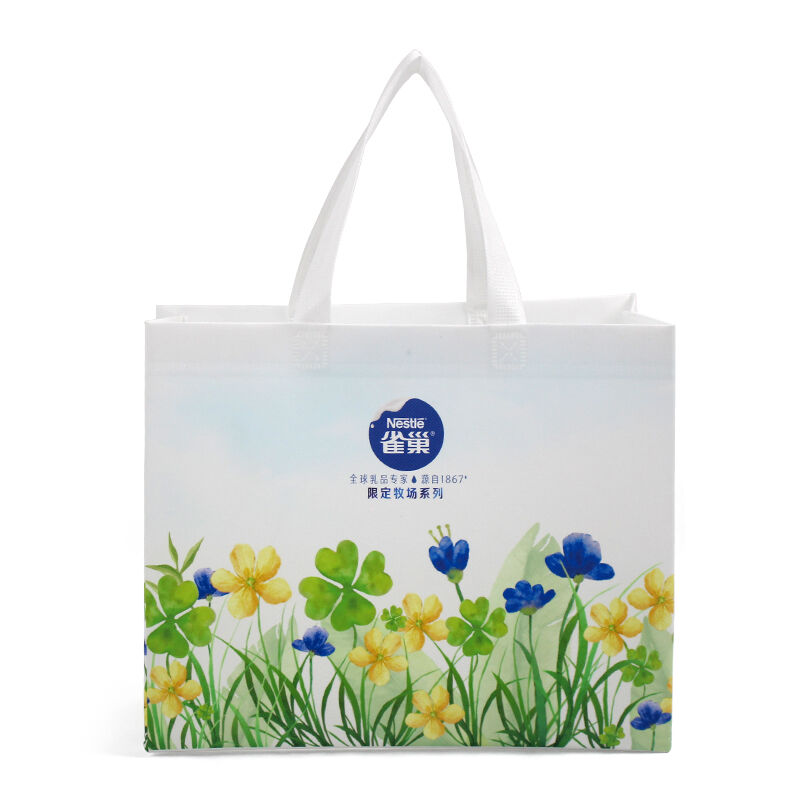
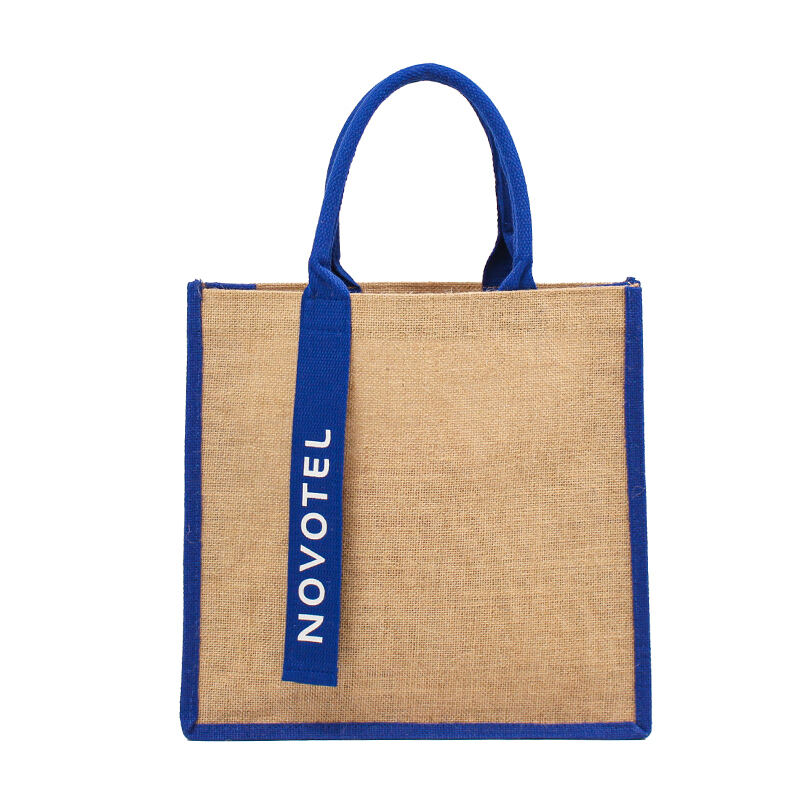
Eco-Friendly Recycled Reusable Grocery Bags - Sustainable Shopping Solutions for Modern Consumers

Get a Free Quote

Our representative will contact you soon.
Email
Name
Company Name
Message
0/1000

recycled reusable grocery bags

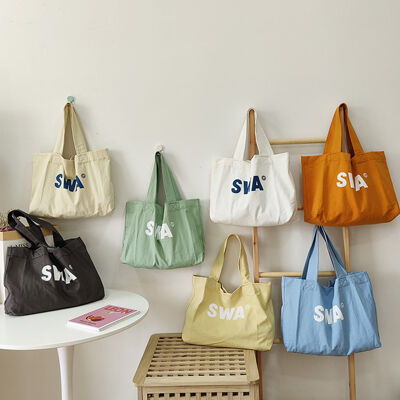
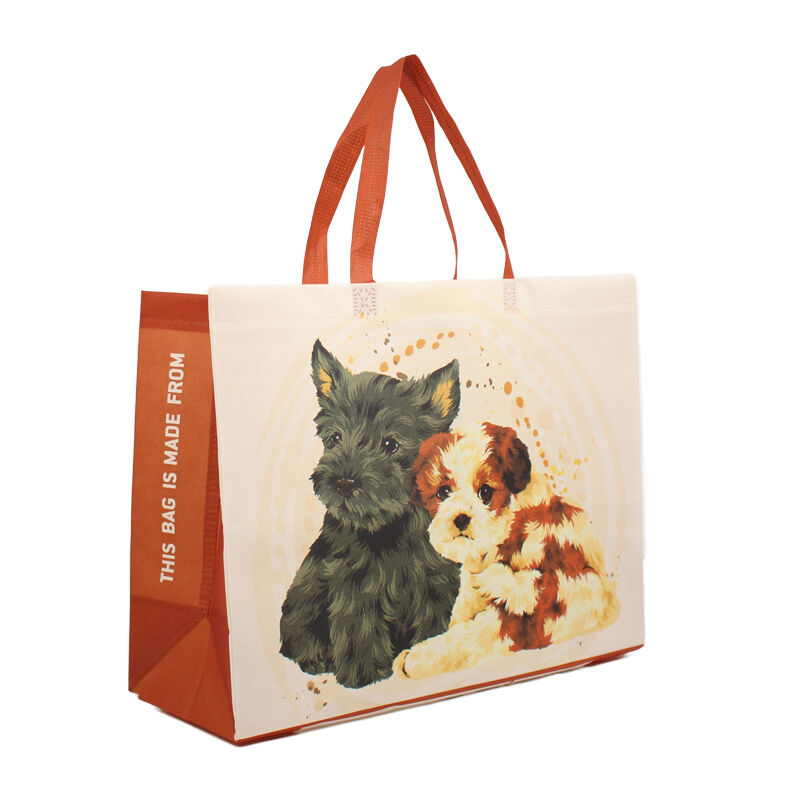
Recycled reusable grocery bags represent a revolutionary approach to sustainable shopping that combines environmental responsibility with practical functionality. These innovative bags are manufactured from post-consumer recycled materials, including plastic bottles, textile waste, and other recyclable components that would otherwise contribute to landfill accumulation. The transformation process involves collecting, cleaning, and processing these materials into durable fibers that create strong, long-lasting shopping bags. The main functions of recycled reusable grocery bags extend far beyond simple item transportation. They serve as reliable carriers for groceries, household items, books, and various personal belongings while maintaining structural integrity under substantial weight loads. These bags feature reinforced stitching and robust construction that withstands repeated use, making them ideal alternatives to single-use plastic bags. The technological features incorporated into recycled reusable grocery bags showcase advanced manufacturing techniques. Many models include water-resistant coatings derived from eco-friendly treatments that protect contents from moisture while maintaining breathability. The fabric construction utilizes interwoven recycled fibers that provide flexibility without compromising strength. Some variants feature antimicrobial treatments using natural compounds that inhibit bacterial growth, ensuring hygiene during food transportation. Handle designs incorporate ergonomic principles with padded grips or extended length options that distribute weight evenly across shoulders or hands. Applications for recycled reusable grocery bags span numerous scenarios beyond traditional grocery shopping. They excel in farmers market visits, library trips, beach outings, gym sessions, and general storage needs. Many users appreciate their versatility for organizing household items, transporting work materials, or serving as emergency backup bags in vehicles. The compact folding capability of many recycled reusable grocery bags makes them convenient for spontaneous shopping trips or travel situations where additional carrying capacity becomes necessary.

New Product Releases

Recycled reusable grocery bags deliver substantial environmental benefits that directly impact our planet's health. Every recycled reusable grocery bag prevents dozens of single-use plastic bags from entering landfills and oceans annually. This reduction significantly decreases plastic pollution that harms marine life and contaminates food chains. The manufacturing process for recycled reusable grocery bags consumes less energy compared to producing equivalent quantities of disposable bags, resulting in lower carbon emissions and reduced fossil fuel consumption. Users experience immediate cost savings through recycled reusable grocery bags ownership. While initial investment ranges from five to fifteen dollars per bag, the average household saves hundreds of dollars yearly by eliminating disposable bag purchases or store fees. Many retailers offer discounts for customers bringing their own bags, creating additional financial incentives. The durability of recycled reusable grocery bags means they last several years with proper care, making them extremely cost-effective over time. Convenience factors make recycled reusable grocery bags superior to alternatives in multiple ways. Their generous capacity accommodates more items than standard plastic bags while maintaining comfortable carrying weight distribution. The sturdy construction prevents embarrassing breakage incidents that often occur with flimsy disposable bags, especially when transporting heavy or sharp-edged items. Many recycled reusable grocery bags feature organized compartments or pockets that help separate different product types during shopping trips. Health advantages emerge from using recycled reusable grocery bags regularly. Unlike plastic bags that may contain harmful chemicals, recycled reusable grocery bags utilize safer materials that do not leach toxins into food items. The washable nature allows users to maintain cleanliness and eliminate bacterial buildup that accumulates on repeatedly used plastic bags. Some recycled reusable grocery bags incorporate antimicrobial properties that actively reduce pathogen growth, providing additional protection for food safety. The social impact of choosing recycled reusable grocery bags extends beyond individual benefits. Communities experience reduced litter and improved aesthetics when residents adopt sustainable shopping practices. Local wildlife faces fewer hazards from plastic bag pollution, contributing to healthier ecosystems. The growing demand for recycled reusable grocery bags supports green manufacturing jobs and encourages continued innovation in sustainable product development.

Tips And Tricks

Industry Deep Dive | Smart Temperature Control Innovation: How Next-Generation Eco-Friendly Cooler Bags Are Reshaping Consumer Habits & Industry Standards

06

Feb

Industry Deep Dive | Smart Temperature Control Innovation: How Next-Generation Eco-Friendly Cooler Bags Are Reshaping Consumer Habits & Industry Standards

View More
Industry Evolution | Sustainable Canvas Cotton Bags: How Eco-Conscious Manufacturing is Reshaping the Promotional Products Market

06

Feb

Industry Evolution | Sustainable Canvas Cotton Bags: How Eco-Conscious Manufacturing is Reshaping the Promotional Products Market

View More
Industry Analysis | Non Woven Bag Innovation: How Technology is Transforming Sustainable Packaging Solutions

06

Feb

Industry Analysis | Non Woven Bag Innovation: How Technology is Transforming Sustainable Packaging Solutions

View More

Get a Free Quote

Our representative will contact you soon.
Email
Name
Company Name
Message
0/1000

recycled reusable grocery bags

Superior Durability Through Advanced Recycled Material Engineering

Superior Durability Through Advanced Recycled Material Engineering

The exceptional durability of recycled reusable grocery bags stems from sophisticated material engineering processes that transform waste products into incredibly strong textile fibers. Manufacturers carefully select high-quality recycled materials, including post-consumer plastic bottles, discarded clothing, and industrial textile waste, subjecting them to rigorous cleaning and processing procedures. This meticulous approach ensures that recycled reusable grocery bags maintain consistent quality standards while utilizing materials that previously contributed to environmental waste. The fiber creation process involves melting recycled plastics at precise temperatures and extruding them into continuous filaments that possess superior tensile strength compared to virgin materials. These recycled fibers undergo additional treatments that enhance their resistance to stretching, tearing, and general wear patterns commonly experienced during regular shopping activities. The weaving techniques employed in recycled reusable grocery bags construction create interlocking patterns that distribute stress evenly across the entire surface area, preventing localized failure points that often plague inferior bag designs. Advanced recycled reusable grocery bags incorporate reinforcement zones at critical stress points, including handle attachment areas, bottom corners, and seam intersections. These strategic reinforcements utilize double-layering techniques or specialized stitching patterns that dramatically increase load-bearing capacity. Testing procedures demonstrate that quality recycled reusable grocery bags withstand carrying loads exceeding fifty pounds repeatedly without structural compromise. The chemical stability of recycled materials used in recycled reusable grocery bags ensures they resist degradation from ultraviolet light exposure, temperature fluctuations, and moisture contact. This stability translates into years of reliable service, with many users reporting continued functionality after hundreds of shopping trips. The investment in durable recycled reusable grocery bags pays dividends through extended service life, reduced replacement frequency, and consistent performance that users can depend upon for various carrying needs beyond grocery shopping applications.
Environmental Impact Reduction and Sustainability Leadership

Environmental Impact Reduction and Sustainability Leadership

Recycled reusable grocery bags represent a powerful tool for individuals seeking to minimize their environmental footprint while actively participating in circular economy principles. Each recycled reusable grocery bag diverts approximately 22 plastic bottles from potential landfill disposal, transforming waste materials into functional products that serve useful purposes for years. This transformation process exemplifies sustainable manufacturing by creating value from materials that would otherwise require costly disposal methods or contribute to environmental pollution. The production of recycled reusable grocery bags generates significantly lower greenhouse gas emissions compared to manufacturing equivalent quantities of single-use alternatives. Life cycle assessments demonstrate that recycled reusable grocery bags achieve carbon neutrality within weeks of regular use, after which they provide net environmental benefits throughout their remaining service life. The energy requirements for creating recycled reusable grocery bags prove substantially lower than virgin material production processes, as recycling requires less intensive processing steps and eliminates raw material extraction activities. Water consumption during recycled reusable grocery bags manufacturing remains minimal compared to traditional textile production, utilizing closed-loop systems that recycle processing water and minimize waste discharge. Many manufacturers of recycled reusable grocery bags implement renewable energy sources in their production facilities, further reducing the carbon intensity of the manufacturing process. The biodiversity protection benefits of recycled reusable grocery bags extend beyond direct material usage impacts. By reducing demand for new plastic production, recycled reusable grocery bags help decrease offshore drilling activities, chemical processing facility expansion, and transportation emissions associated with raw material supply chains. Ocean health improvements result from widespread recycled reusable grocery bags adoption, as fewer plastic bags enter marine environments where they harm sea life and contribute to microplastic formation. The cumulative environmental benefits multiply when entire communities embrace recycled reusable grocery bags, creating measurable improvements in local air quality, reduced municipal waste management costs, and enhanced community sustainability profiles that attract environmentally conscious residents and businesses.
Versatile Functionality and Enhanced User Experience Design

Versatile Functionality and Enhanced User Experience Design

The versatile functionality of recycled reusable grocery bags extends far beyond basic shopping applications, offering users a comprehensive carrying solution that adapts to diverse lifestyle needs and usage scenarios. Modern recycled reusable grocery bags incorporate thoughtful design elements that enhance user experience while maintaining the environmental benefits that make them attractive alternatives to disposable options. The spacious interior capacity of recycled reusable grocery bags typically accommodates 2-3 times the volume of standard plastic bags, allowing users to consolidate purchases and reduce the number of bags needed per shopping trip. This increased capacity proves particularly valuable for families or individuals who prefer bulk shopping strategies that minimize store visits and maximize efficiency. The flexible construction of recycled reusable grocery bags enables them to conform to irregularly shaped items while protecting delicate products from damage during transport. Many recycled reusable grocery bags feature organizational elements such as internal pockets, divider sections, or external attachment points that help users separate different product categories during shopping excursions. These organizational features prove especially useful for individuals who shop for multiple households, maintain strict dietary separations, or prefer systematic packing approaches. The ergonomic handle designs found on quality recycled reusable grocery bags distribute weight evenly across hands or shoulders, reducing strain during extended carrying periods. Some models offer dual carrying options with both short handles for hand carrying and longer straps for shoulder or crossbody positioning, providing flexibility based on load weight and user preference. The compact folding capability of many recycled reusable grocery bags makes them convenient for spontaneous shopping opportunities or travel situations where additional carrying capacity becomes necessary. Users appreciate the ability to keep folded recycled reusable grocery bags in purses, car glove compartments, or office desks for unexpected shopping needs. The easy-clean properties of recycled reusable grocery bags maintain hygiene standards through simple washing procedures, while the quick-drying characteristics minimize downtime between uses, ensuring that clean bags remain readily available for frequent shopping activities.

Get a Free Quote

Our representative will contact you soon.
Email
Name
Company Name
Message
0/1000