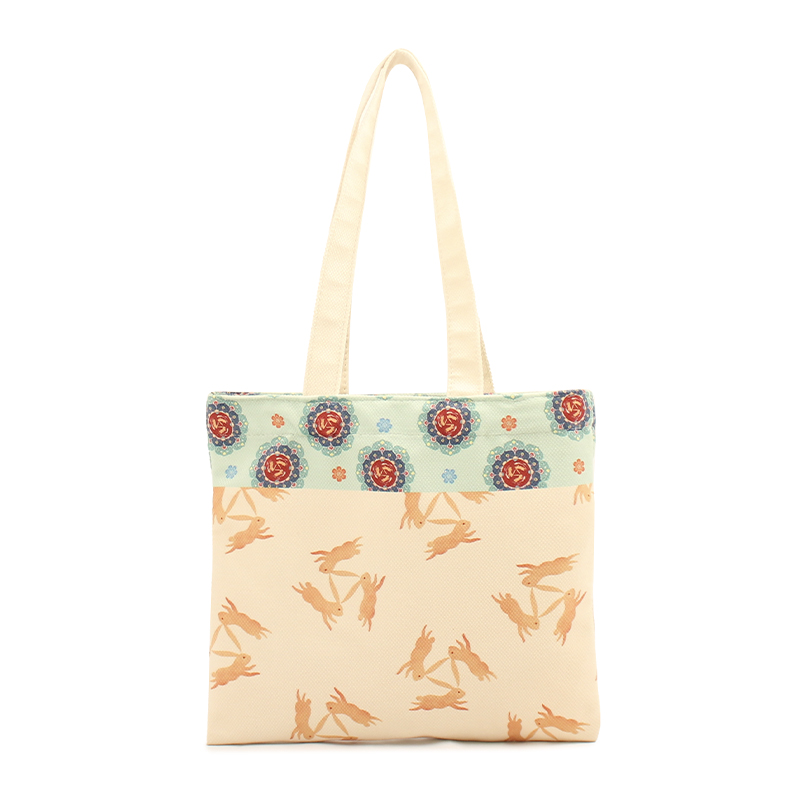
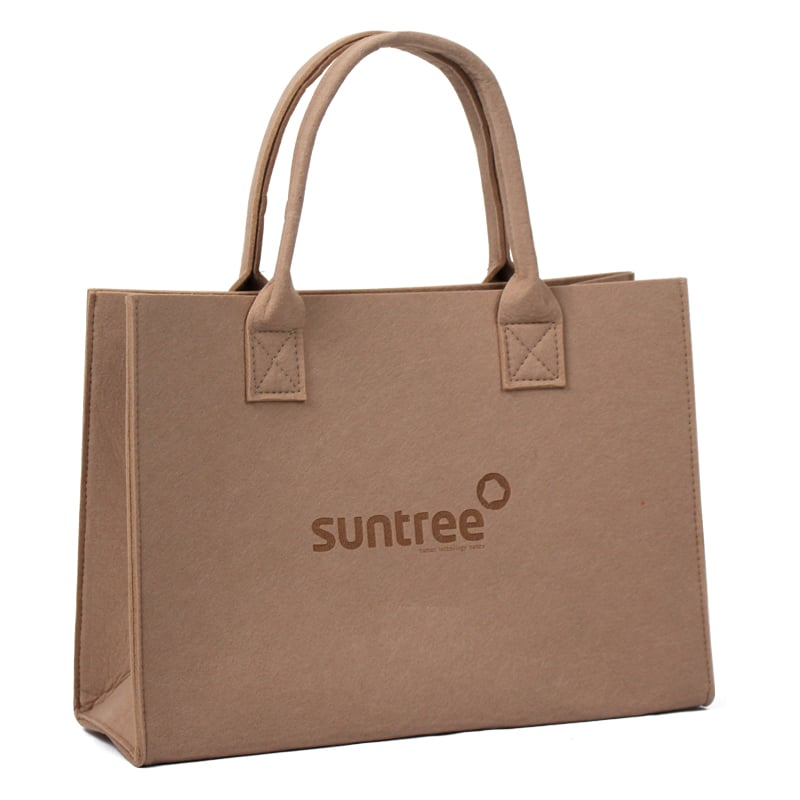
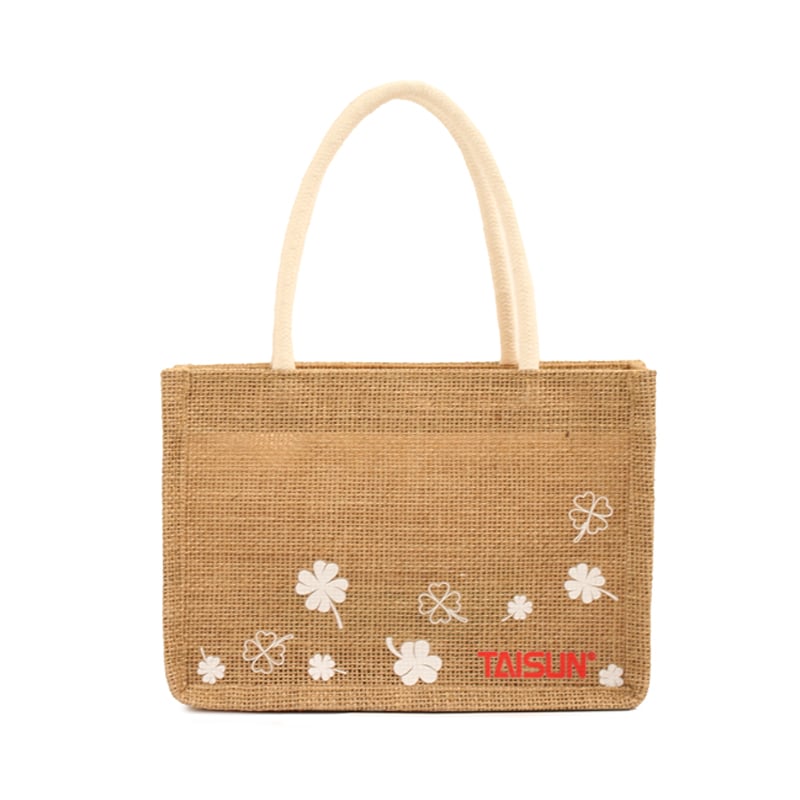
×
×

Η ευρωπαϊκή πολιτική συσκευασίας συνεχίζει να κινείται προς τη μείωση των αποβλήτων, την επαναχρησιμοποίηση και μια πιο κυκλική χρήση των υλικών.
Ο Κανονισμός της ΕΕ για τη συσκευασία και τα απόβλητα συσκευασίας τέθηκε σε ισχύ τον Φεβρουάριο του 2025 και ισχύει από τις 12 Αυγούστου 2026. Ο κανονισμός προάγει την πρόληψη των αποβλήτων, την επαναχρησιμοποίηση, την επαναγέμιση και πιο κυκλικά συστήματα συσκευασίας.
Για τους λιανοπωλητές και τις μάρκες, αυτό ενισχύει μια ευρύτερη κατεύθυνση της αγοράς: η συσκευασία θα πρέπει όλο και περισσότερο να προσφέρει αξία πέρα από μία μόνο συναλλαγή.
Μια ανθεκτική τσάντα από βαμβακερό ύφασμα μπορεί να υποστηρίξει αυτήν την προσέγγιση, καθώς οι πελάτες μπορεί να συνεχίσουν να τη χρησιμοποιούν για ψώνια, εργασία, ταξίδια ή καθημερινές δραστηριότητες.
Αντί να θεωρούν την τσάντα ψωνιών ως μια μονοχρήστη συσκευασία, οι μάρκες μπορούν να την αναπτύξουν ως επαναχρησιμοποιήσιμο προϊόν με εμπορικό σήμα.
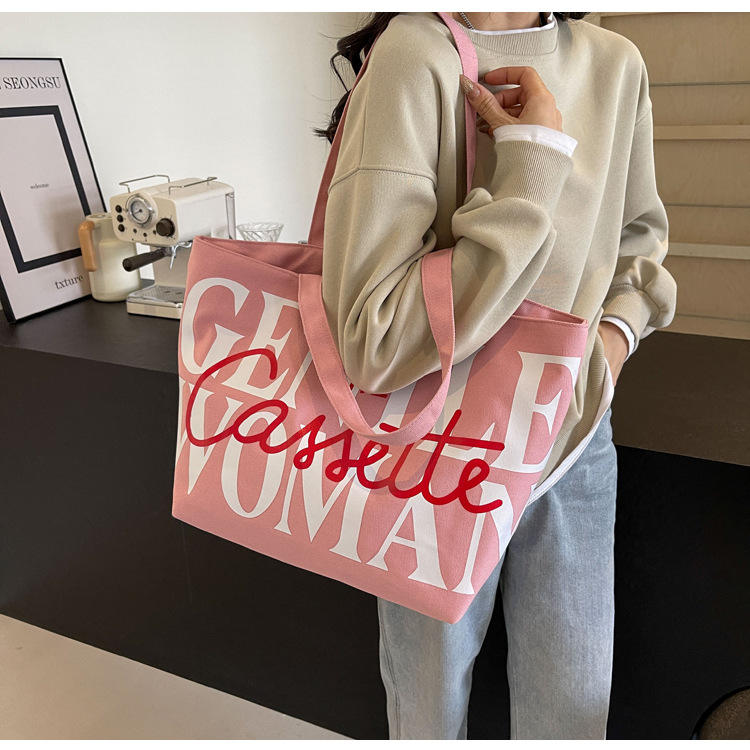
Ένα επαναχρησιμοποιήσιμο προϊόν προσφέρει πραγματική αξία μόνο όταν οι άνθρωποι το χρησιμοποιούν πραγματικά επανειλημμένα.
Γι’ αυτόν τον λόγο, οι αγοραστές επικεντρώνουν την προσοχή τους όλο και περισσότερο στα εξής:
Ένα πιο ανθεκτικό τσάντα από καμβάς μπορεί να κοστίζει περισσότερο από μια ελαφριά προωθητική τσάντα, αλλά μπορεί να είναι πιο κατάλληλη για μάρκες που επιθυμούν οι πελάτες να χρησιμοποιούν το προϊόν επανειλημμένα.
Η στρατηγική της Ευρωπαϊκής Επιτροπής για τα υφάσματα τονίζει επίσης ένα μέλλον στο οποίο τα υφασμάτινα προϊόντα θα είναι πιο ανθεκτικά, επιδεκτικά επισκευής και ανακυκλώσιμα.
Μην επιλέγετε καμβά ως μόνο υλικό απλώς επειδή φαίνεται βιώσιμος. Επιλέξτε το βάρος του υλικού και την κατασκευή του σύμφωνα με την προβλεπόμενη διάρκεια ζωής του προϊόντος.
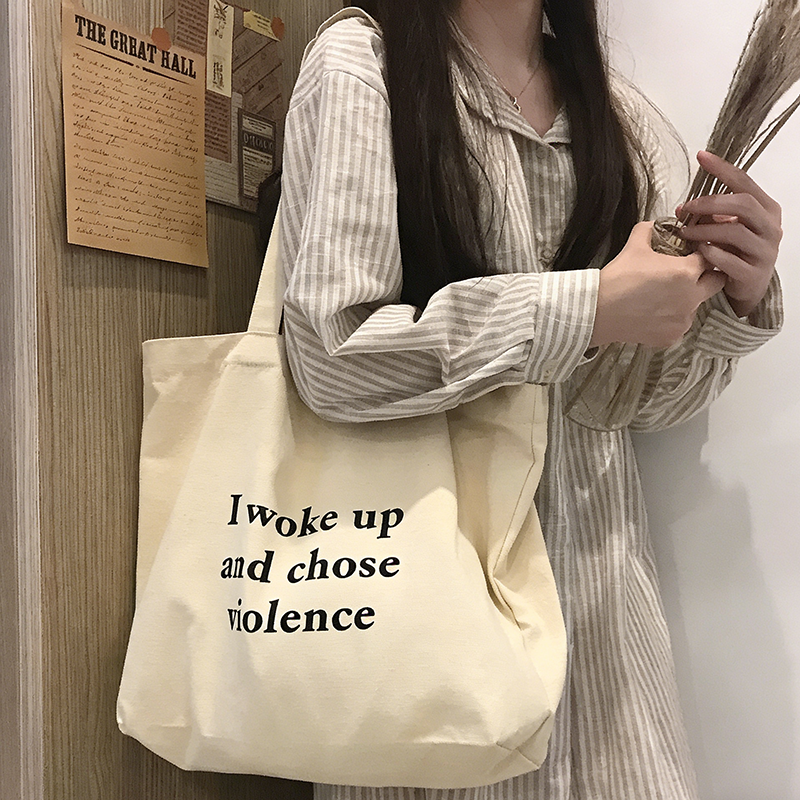
Η διαφάνεια όσον αφορά τα υλικά γίνεται ολοένα και πιο σημαντική στην B2B προμήθεια.
Το να περιγράφεται απλώς ένα προϊόν ως «πράσινη τσάντα» παρέχει πολύ λίγες χρήσιμες πληροφορίες.
Οι επαγγελματίες αγοραστές χρειάζονται όλο και περισσότερο να κατανοούν:
Αυτό είναι ιδιαίτερα σημαντικό όταν οι μάρκες σκοπεύουν να διατυπώσουν περιβαλλοντικούς ισχυρισμούς στο μάρκετινγκ τους.
[ΕΙΚΟΝΑ 2 – ΕΙΚΟΝΑ ΥΛΙΚΟΥ]
Προτεινόμενη εικόνα: Φωτογραφία εγγύς πλάνου που δείχνει τη φυσική υφή του καμβά, βαμμένο καμβά και διαφορετικά βάρη υφασμάτων.
ΕΝΑΛΛΑΚΤΙΚΗ ΠΕΡΙΓΡΑΦΗ: Επιλογές υλικού καμβά για βιώσιμες τσάντες αγορών
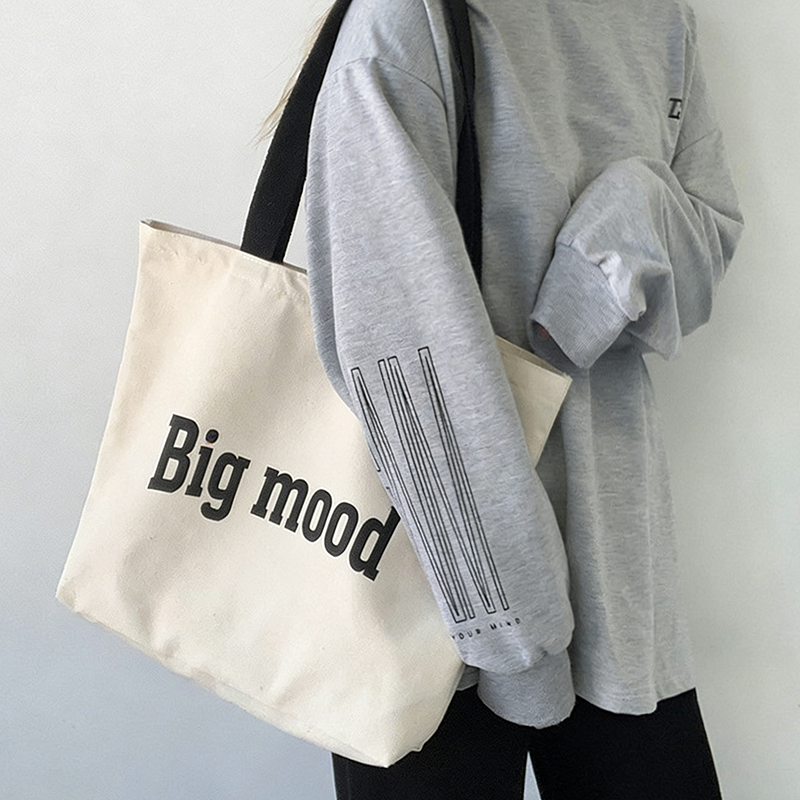
Μία σημαντική τάση για μάρκες που στοχεύουν την αμερικανική αγορά είναι η αυξημένη προσοχή στο πώς διατυπώνονται οι ισχυρισμοί για την αειφορία.
Οι «Οδηγίες για Πράσινες Πρακτικές» της Ομοσπονδιακής Επιτροπής Εμπορίου των ΗΠΑ (FTC) προειδοποιούν τις επιχειρήσεις να απέχουν από τη διατύπωση ευρείων, μη εξειδικευμένων ισχυρισμών, όπως «πράσινο» ή «φιλικό προς το περιβάλλον», όταν αυτοί οι ισχυρισμοί δεν μπορούν να τεκμηριωθούν κατάλληλα. Η FTC συνιστά να περιγράφονται συγκεκριμένα τα περιβαλλοντικά χαρακτηριστικά των προϊόντων, αντί να βασίζεται κανείς σε αόριστη περιβαλλοντική διαφημιστική γλώσσα.
Για παράδειγμα, αντί να λέγεται απλώς:
«Αυτή είναι μία φιλική προς το περιβάλλον τσάντα.»
Μία μάρκα μπορεί να χρειάζεται να διαβιβάσει πιο ειδικές πληροφορίες για το προϊόν, όπως η σύνθεση των υλικών ή το επιβεβαιωμένο ανακυκλωμένο περιεχόμενο, όπου ισχύει.
Ζητήστε από τους προμηθευτές ακριβείς προδιαγραφές υλικών και υποστηρικτικά έγγραφα προτού χρησιμοποιήσετε δηλώσεις σχετικά με τη βιωσιμότητα σε υλικά μάρκετινγκ.
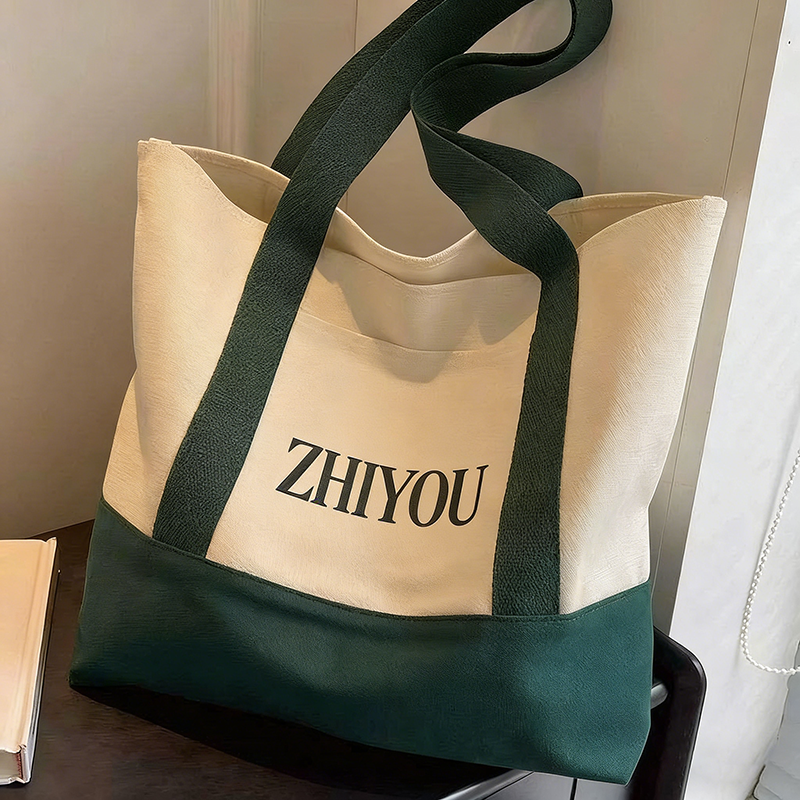
Ένα άλλο σημαντικό εξελικτικό στάδιο είναι ότι οι επαναχρησιμοποιήσιμες τσάντες αγορών αντιμετωπίζονται όλο και περισσότερο ως εμπορεύματα με λογότυπο, παρά ως απλή συσκευασία.
Οι αγοραστές ζητούν περισσότερη προσαρμογή σε:
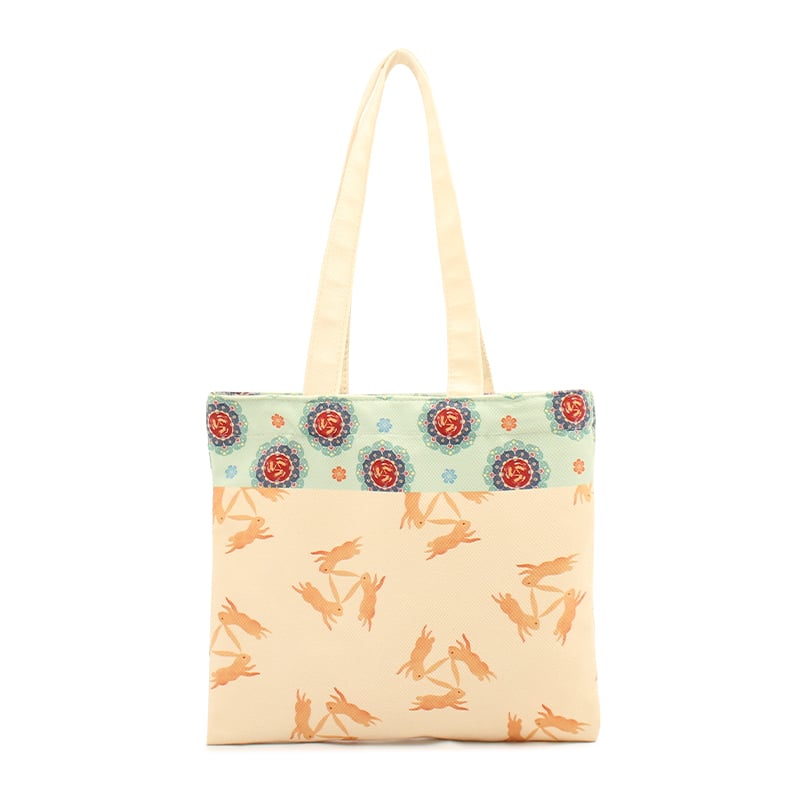
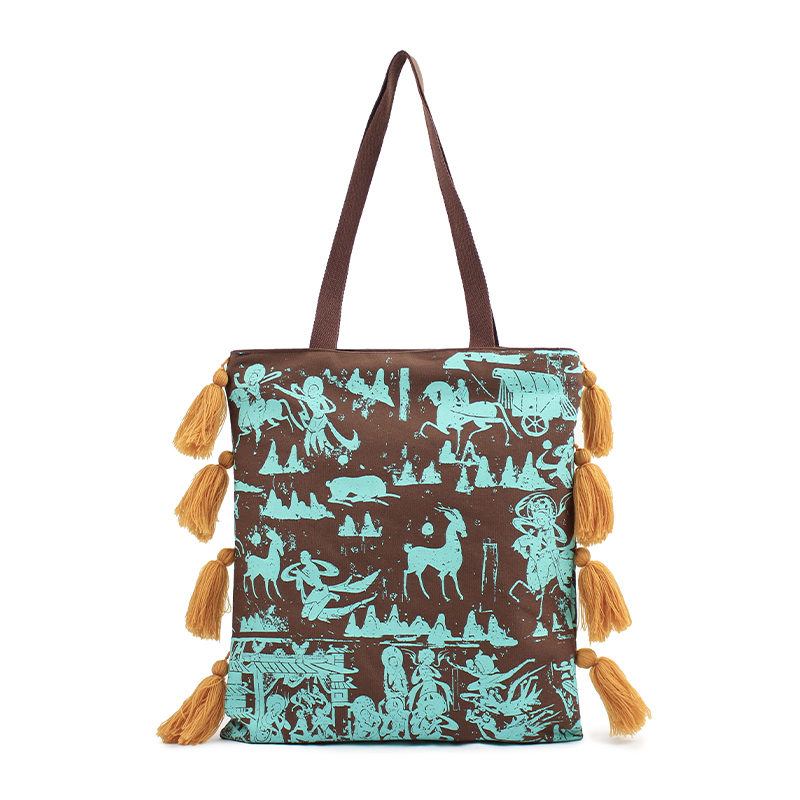
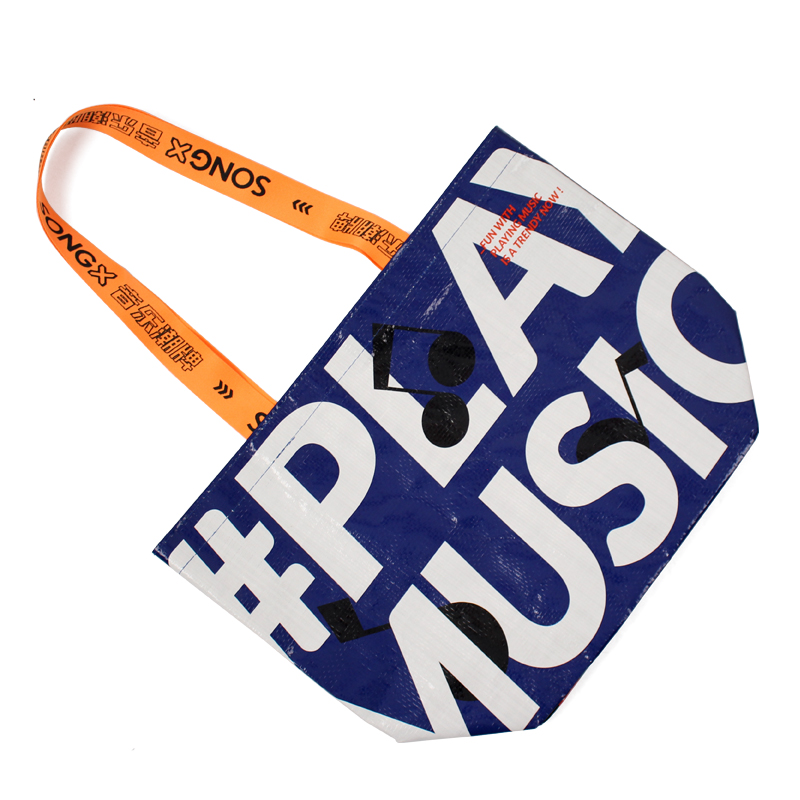
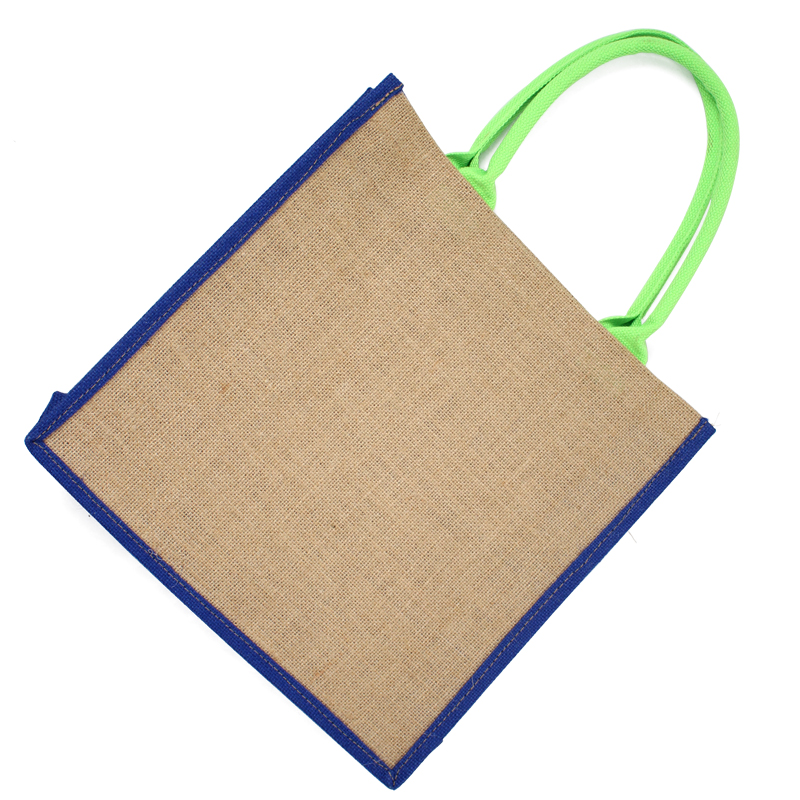
Μια καλά σχεδιασμένη προσαρμοσμένη σακκίδιο κανβά μπορεί να χρησιμοποιηθεί σε καταστήματα λιανικής πώλησης, εκθέσεις, εταιρικά προγράμματα και προωθητικές εκστρατείες.
Διαφορετικές μέθοδοι εκτύπωσης επιτρέπουν επίσης στις μάρκες να δημιουργούν πολύ διαφορετικούς οπτικούς στυλ.
Σύμφωνα με τις πληροφορίες της εταιρείας, η Wenzhou Zhiyou Packing Co., Ltd. υποστηρίζει εκτύπωση CMYK, εκτύπωση με σιλκ-σκριν, ψηφιακή εκτύπωση, εκτύπωση με μεταφορά θερμότητας και ενθυλάκωση με φύλλο χρυσού ή αργύρου.
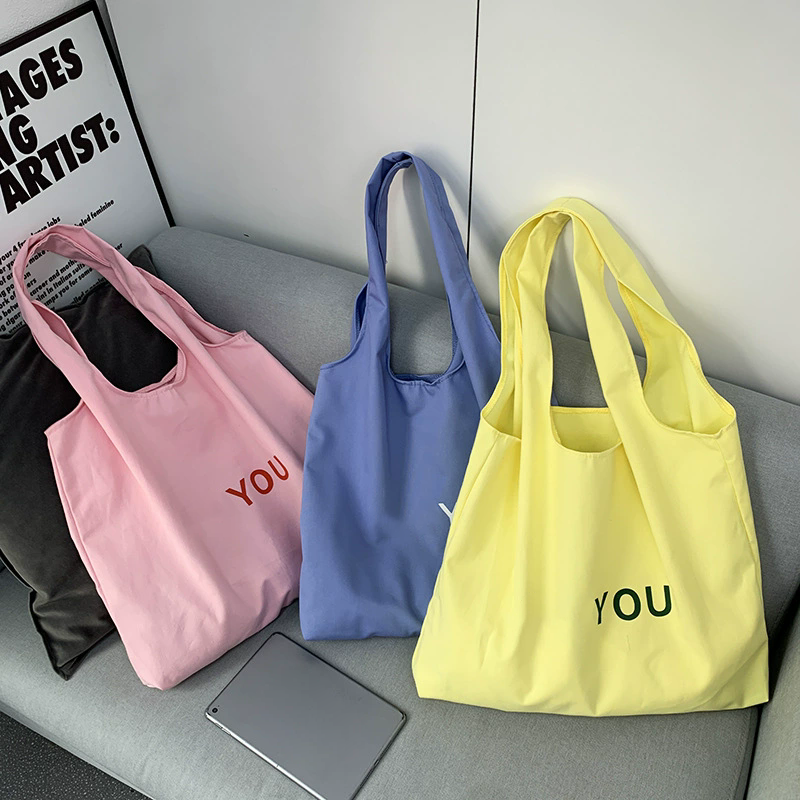
[ΕΙΚΟΝΑ 3 – ΕΙΚΟΝΑ ΠΡΟΣΑΡΜΟΓΗΣ]
Προτεινόμενη εικόνα: Πολλές τσάντες από καμβά με διαφορετικά χρώματα, λογότυπα και στυλ εκτύπωσης.
ΕΝΑΛΛΑΚΤΙΚΟ ΚΕΙΜΕΝΟ: Προσαρμοστικές τσάντες από καμβά με διαφορετικές επιλογές εκτύπωσης
Καθώς η προσαρμογή αυξάνεται, η επιλογή του προμηθευτή γίνεται πιο σημαντική.
Οι αγοραστές B2B μπορεί να χρειάζονται έναν κατασκευαστή που να μπορεί να υποστηρίζει διαφορετικά υλικά, διαδικασίες εκτύπωσης, μεγέθη και δομές τσαντών, διατηρώντας παράλληλα συνεκτική παραγωγή.
Σύμφωνα με το προφίλ της εταιρείας, η Wenzhou Zhiyou Packing Co., Ltd. έχει πάνω από 11 χρόνια εμπειρίας στη βιομηχανία συσκευασίας. Το εργοστάσιό της καλύπτει περίπου 1.500 m², απασχολεί περίπου 100 ανθρώπους και λειτουργεί περισσότερες από 60 ραπτομηχανές.
Η εταιρεία αναφέρει ετήσια παραγωγή περίπου 10 εκατομμυρίων τσαντών και συνεργάζεται με υλικά όπως βαμβάκι/καμβάς, μη υφαντά, πλεγμένο PP, Oxford, πολυεστέρα, PVC και γκρινιά.
Για αγοραστές που αναπτύσσουν πολλαπλά προγράμματα επαναχρησιμοποιήσιμων τσαντών, ευρύτερες δυνατότητες υλικών και εκτύπωσης μπορούν να καθιστούν την ανάπτυξη προϊόντων πιο αποτελεσματική.
Κατά την αγορά οικολογικών σακουλών για ψώνια, οι αγοραστές πρέπει να λάβουν υπόψη τους περισσότερα από την τιμή ανά μονάδα.
Ένας πρακτικός κατάλογος ελέγχου αγορών περιλαμβάνει:
Το μέλλον των επαναχρησιμοποιήσιμων σακουλών για ψώνια δεν αφορά απλώς την αντικατάσταση ενός υλικού με ένα άλλο.
Αφορά όλο και περισσότερο τη δημιουργία προϊόντων που είναι χρήσιμα, ανθεκτικά, καλά σχεδιασμένα και υποστηρίζονται από σαφή πληροφορίες προϊόντος.
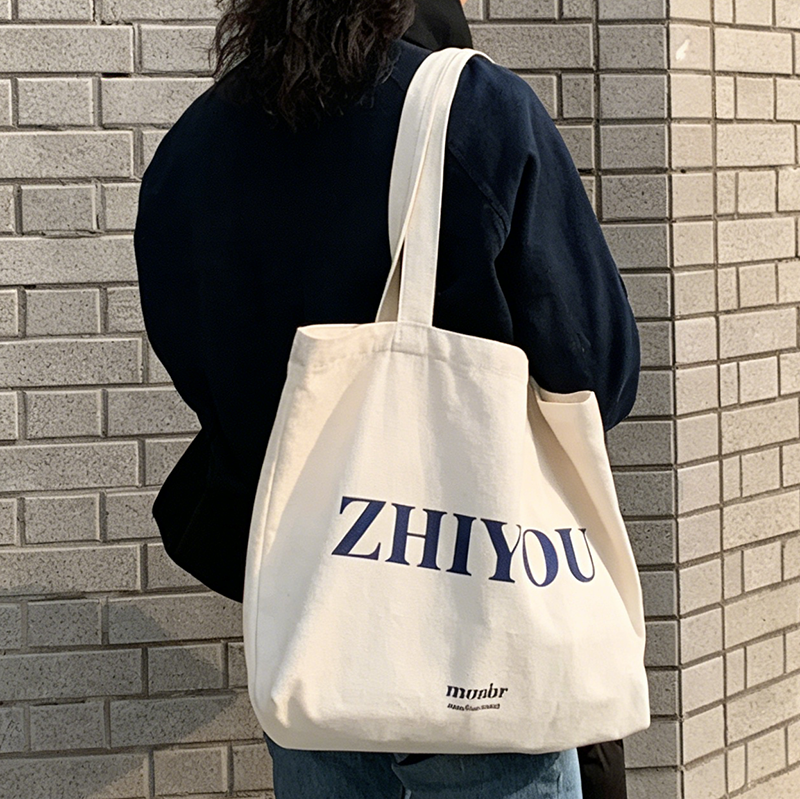
Οι σακούλες από καμβά είναι επαναχρησιμοποιήσιμες, αλλά η περιβαλλοντική τους απόδοση εξαρτάται από παράγοντες όπως το υλικό, η κατασκευή, η ανθεκτικότητα και η συχνότητα χρήσης της σακούλας. Οι μάρκες πρέπει να αποφεύγουν τη διατύπωση ευρείας περιβαλλοντικής δήλωσης χωρίς υποστηρικτικές πληροφορίες.
Το καμβάς προσφέρει μεγάλη εκτυπώσιμη επιφάνεια, προσαρμόσιμη κατασκευή και επαναχρησιμοποιήσιμη μορφή, κατάλληλη για εφαρμογές σε λιανικό εμπόριο, προωθητικά προϊόντα και εμπορικά σήματα.
Ναι. Το μέγεθος, το υλικό, ο χρωματισμός, οι λαβές, η τοποθέτηση του λογότυπου και οι μέθοδοι εκτύπωσης μπορούν να προσαρμοστούν σύμφωνα με το έργο.
Οι αγοραστές πρέπει να επιβεβαιώσουν τις προδιαγραφές του υλικού, τις διαστάσεις της τσάντας, τις λαβές, την εκτύπωση, τη συσκευασία, τις απαιτήσεις ποιότητας και την έγκριση δείγματος πριν από την παραγωγή σε μεγάλη κλίμακα.
 Σημαντικά Νέα
2026-09-09
2026-08-28
2026-08-27
2026-02-06
2026-02-05
2026-02-04

 EN
EN