
 EN


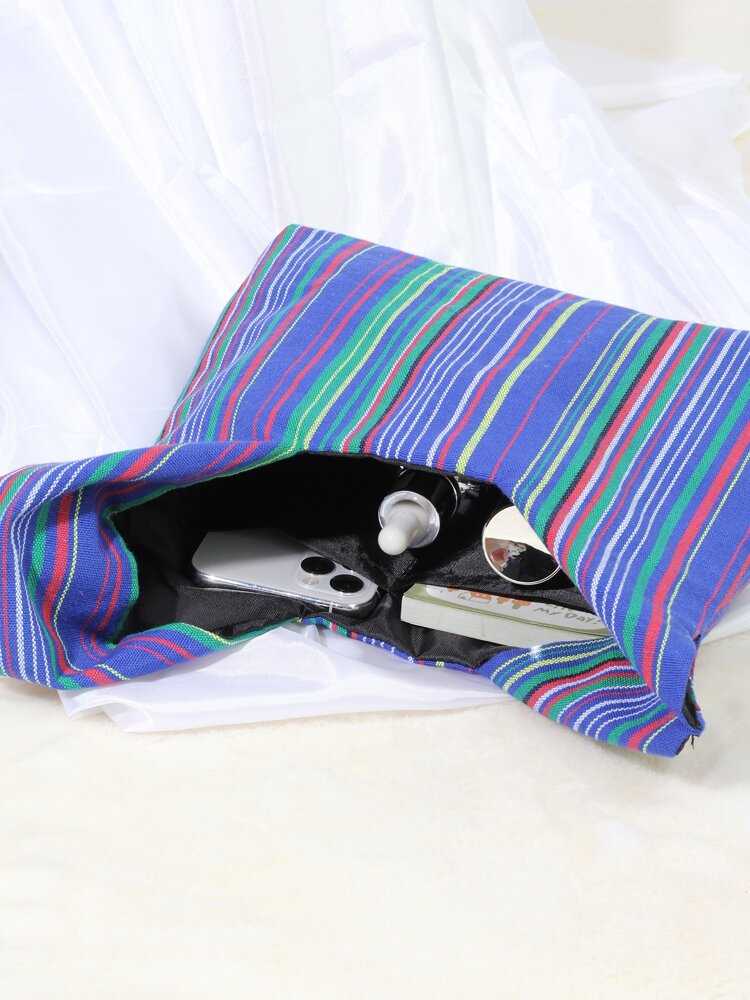
The choice between a canvas bag and plastic alternatives represents far more than a simple shopping preference. It reflects a commitment to sustainability, durability, and long-term value that extends well beyond the initial purchase. A canvas bag offers a practical solution that addresses environmental concerns while delivering superior performance and longevity compared to single-use plastic options. Understanding why a canvas bag makes sense requires examining the tangible benefits that influence purchasing decisions across households, businesses, and retail environments worldwide.
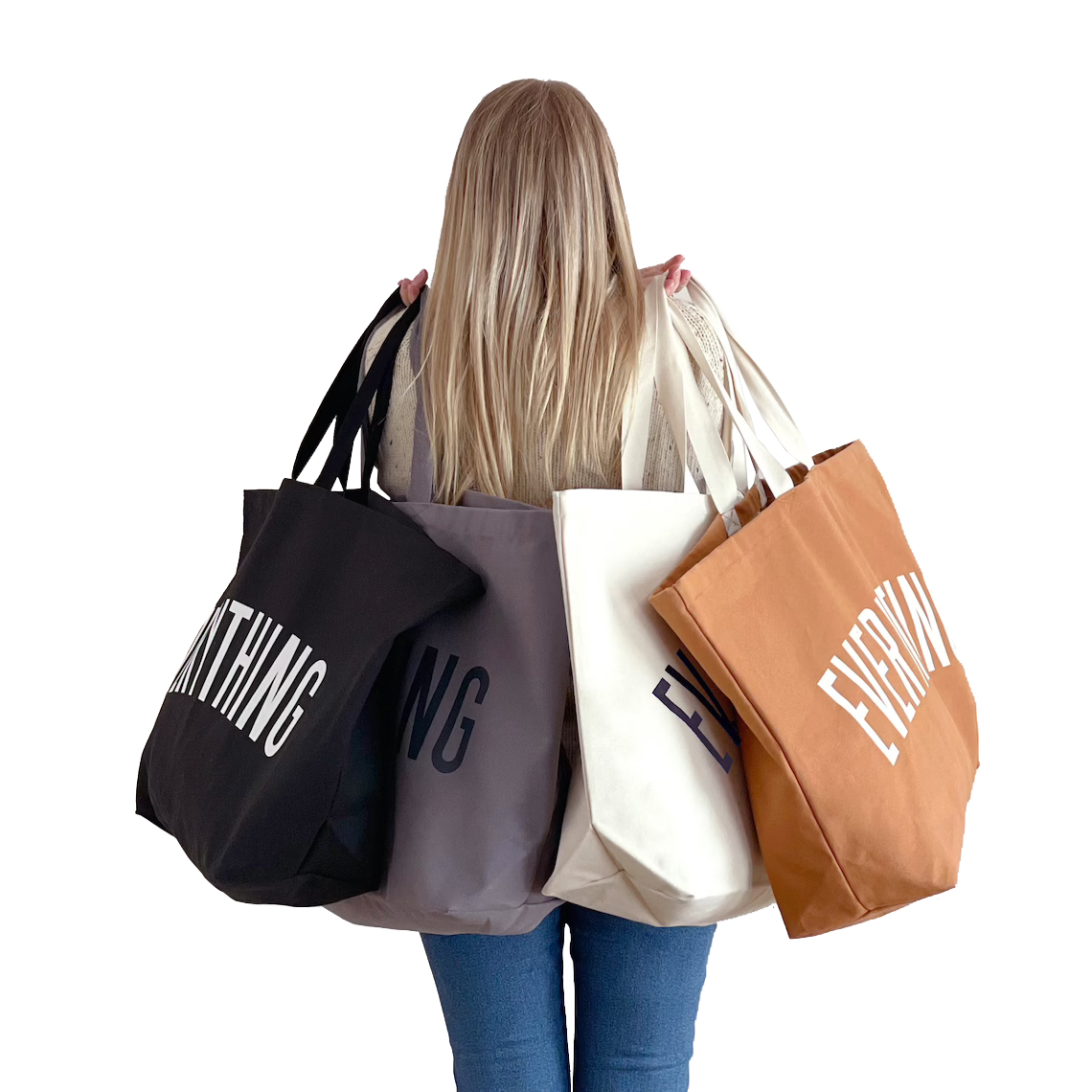
Selecting a canvas bag over plastic fundamentally changes how consumers approach everyday carrying needs. The transition reflects growing awareness about environmental impact, product reliability, and total cost of ownership. A canvas bag addresses multiple pain points that plastic bags create, from breakdown during use to persistent environmental damage. This comprehensive guide explores the core reasons why making this switch improves both personal satisfaction and broader environmental outcomes.
Environmental Impact and Sustainability Advantages
Reducing Plastic Pollution Through Better Choices
A canvas bag eliminates the reliance on single-use plastics that accumulate in landfills for decades. Plastic bags break down into microplastics that contaminate soil and water systems, causing lasting ecological damage. When you choose a canvas bag instead, you actively reduce the volume of plastic waste entering waste streams. The production of plastic bags requires fossil fuel extraction and processing, activities that contribute significantly to carbon emissions. A canvas bag represents a tangible step toward reducing this environmental footprint, as one durable canvas bag replaces hundreds of disposable plastic alternatives over time.
Biodegradability and Natural Material Benefits
Canvas originates from natural cotton fibers, making a canvas bag completely biodegradable when it eventually reaches the end of its lifespan. Unlike plastic bags that persist in the environment for 20 to 30 years, a canvas bag decomposes naturally within months under appropriate conditions. The manufacturing process for a canvas bag consumes less energy than plastic production and generates minimal hazardous byproducts. Natural materials used in a canvas bag align with circular economy principles, where products return to the earth without causing permanent damage. Choosing a canvas bag demonstrates commitment to sustainable practices that protect ecosystems for future generations.
Durability and Long-Term Cost Efficiency
Superior Performance and Extended Usability
A canvas bag withstands repeated use, heavy loads, and varied weather conditions without degrading like plastic alternatives. The robust weave structure of a canvas bag prevents tearing even under strain, maintaining functionality across countless shopping trips and daily activities. Plastic bags frequently split or fail when exposed to sharp objects, moisture, or excessive weight, creating frustration and additional waste. A single canvas bag often lasts several years of regular use, whereas plastic bags typically survive only a handful of trips. The resilience of a canvas bag makes it a reliable long-term investment rather than a consumable product requiring constant replacement.
Calculating True Value Through Usage Cycles
The true cost of a canvas bag becomes apparent when comparing replacement frequency across time. One canvas bag can replace over 300 plastic bags during its serviceable lifetime, translating to substantial savings in both monetary and environmental terms. Retailers benefit from canvas bag durability by reducing the need for constant plastic bag replenishment, lowering operational expenses. Consumers recognize that investing in a canvas bag costs less overall than repeatedly purchasing disposable plastic alternatives. When calculating the per-use cost, a canvas bag emerges as the most economical option, especially for households and businesses that generate significant shopping volume.
Practical Utility and Market Adoption Trends
Versatility Across Diverse Applications
A canvas bag functions effectively for shopping, transport, storage, and promotional purposes across virtually every sector. The sturdy fabric allows a canvas bag to hold heavier items without the concern of rupture that plastic bags present. Businesses increasingly adopt a canvas bag for brand marketing, recognizing its longevity ensures extended visibility and repeated customer contact. Schools, offices, and healthcare facilities rely on a canvas bag because it maintains integrity under demanding conditions. The adaptability of a canvas bag makes it suitable for both everyday consumers and organizations seeking durable, reusable carrying solutions.
Regulatory Environment and Future Market Direction
Governments worldwide have implemented bans and restrictions on single-use plastic bags, accelerating the shift toward a canvas bag and similar reusable alternatives. These regulatory changes recognize the environmental crisis created by plastic waste accumulation in oceans and terrestrial environments. A canvas bag complies with present and anticipated future regulations, ensuring long-term viability regardless of policy evolution. The market for reusable bags continues expanding as municipalities enforce plastic reduction mandates and consumers demand sustainable options. Choosing a canvas bag now positions both individuals and businesses favorably within evolving regulatory landscapes that increasingly penalize plastic bag usage.
FAQ
How many times can a canvas bag be reused before requiring replacement?
A canvas bag typically lasts for several years and hundreds of uses with proper care. Most consumers report that a canvas bag remains functional for 5 to 10 years of regular use, far exceeding the lifecycle of plastic bags. The exact lifespan depends on usage intensity, material quality, and storage conditions, but a canvas bag consistently demonstrates longevity that justifies the initial investment.
Is a canvas bag more expensive than purchasing plastic bags repeatedly?
Although a canvas bag requires a higher upfront cost, the long-term economics strongly favor this choice. When accounting for the number of plastic bags needed to match a canvas bag's lifespan, a canvas bag becomes significantly cheaper on a per-use basis. A canvas bag also eliminates recurring expenses, making it the more affordable option for budget-conscious consumers and businesses.
Can a canvas bag be customized for business branding purposes?
Yes, a canvas bag offers excellent customization potential for logos, messaging, and brand colors. Many businesses use a canvas bag as a marketing tool because its durability ensures prolonged brand exposure compared to disposable alternatives. Customized versions of a canvas bag function as both practical items and effective advertising vehicles that reach customers repeatedly.