
 EN


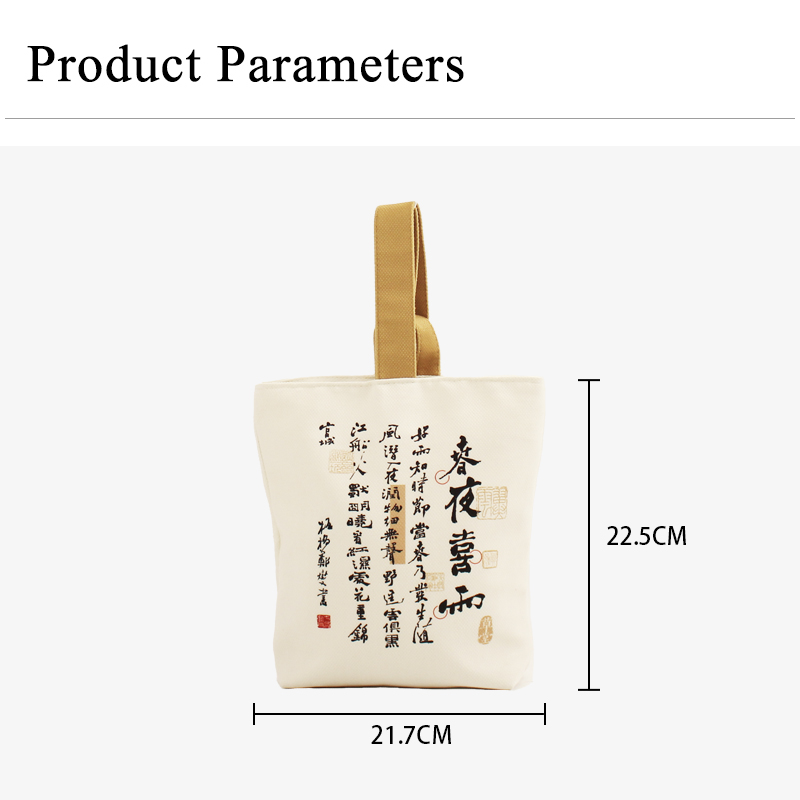
Choosing the right tote bag for daily commuting requires balancing capacity, comfort, and practicality. The perfect tote bag size accommodates your essential items without becoming unwieldy during transit. Whether you're traveling by car, public transportation, or on foot, the ideal tote bag dimensions directly impact your commuting experience. A well-sized tote bag keeps your shoulders comfortable, fits easily into your workspace, and provides enough room for work materials, personal items, and technology without encouraging overpacking.
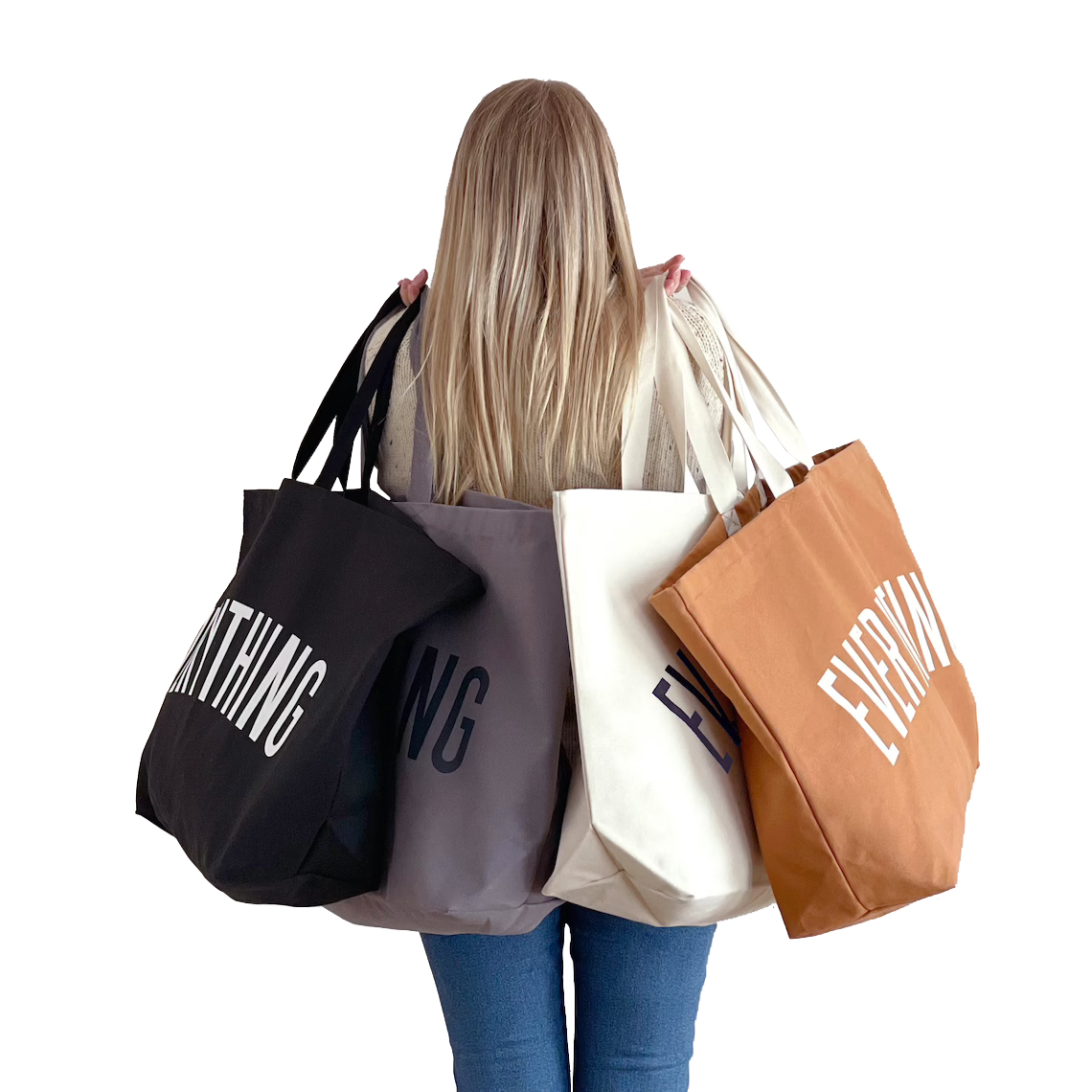
Daily commuting demands a tote bag that balances form and function. Most professionals underestimate how much they actually carry, leading them to either purchase an oversized tote bag that feels burdensome or a compact tote bag that forces difficult choices about what to bring. Understanding your specific commute needs, travel distance, and typical daily items allows you to select a tote bag size that enhances rather than complicates your routine. The right tote bag becomes an extension of your workflow, reliable and appropriately proportioned for whatever your day requires.
Understanding Tote Bag Dimensions and Capacity
Standard Tote Bag Sizing Categories
Tote bags come in several recognized sizing categories, each suited to different commuting scenarios. A compact tote bag typically measures around 12 inches wide by 10 inches tall, offering minimal bulk and maximum portability. Medium-sized tote bags generally range from 14 to 16 inches wide and 12 to 14 inches tall, accommodating most daily essentials without excessive volume. Large tote bags span 18 to 22 inches wide and 14 to 16 inches tall, providing substantial capacity for professionals who carry multiple documents, devices, or personal items throughout their day. Understanding these standard tote bag categories helps you visualize how different sizes align with your commuting requirements and lifestyle patterns.
Capacity Calculations for Commute Items
The ideal tote bag size depends directly on what you need to carry during your commute. A typical work commute might require a laptop, notebook, phone charger, wallet, and lunch container. A 15-inch-wide tote bag comfortably accommodates a 14-inch laptop with room for these additional items without compression. If you regularly carry a 15-inch laptop alongside a tablet, documents, and a water bottle, you'll want a tote bag measuring at least 17 inches wide. Parents using a tote bag for school runs or daycare pickups typically need larger dimensions to fit multiple children's items, snacks, and backup clothing. Professional consultants who transport client materials often prefer a tote bag in the 18 to 20-inch width range to maintain organization and prevent document bending. By calculating your typical item volume, you determine the most practical tote bag size for your specific commute.
Comfort and Shoulder Load Considerations
Weight Distribution and Handle Design
The most spacious tote bag becomes impractical if it causes shoulder strain or neck discomfort during your commute. Weight distribution directly affects how a tote bag feels when carried, regardless of size. A properly designed tote bag features wide handles positioned to distribute weight evenly across your shoulders rather than concentrating pressure on a narrow area. Handles on a quality tote bag should span at least 10 to 12 inches across the top, preventing the bag from collapsing inward and directing load toward your shoulder blades. When evaluating a tote bag, consider how much your typical load weighs and test handle comfort before committing to a particular size. A medium-capacity tote bag with superior handle construction often proves more comfortable during daily commuting than an oversized tote bag with poorly designed straps. The interaction between tote bag size, handle width, and padding significantly influences your commuting comfort over weeks and months.
Body Mechanics and Daily Strain
Carrying an improperly sized tote bag daily can create cumulative strain on your back, neck, and shoulders. If your tote bag hangs too low and swings with your gait, it forces your body to compensate with posture adjustments that stress your lower back. A tote bag that sits too high on your shoulders concentrates weight on a smaller area, creating focal pain points. The ideal tote bag size positions your load at a height where your hands rest naturally at your sides, typically placing the bag bottom around hip level. For commutes longer than 30 minutes, this positioning becomes increasingly important for injury prevention. Many commuters discover that a medium-sized tote bag, properly proportioned and well-constructed, delivers better long-term comfort than a larger bag. Your body provides continuous feedback about tote bag fit during actual commute conditions, so testing different sizes under real-world conditions reveals the optimal tote bag dimensions for your physiology and travel patterns.
Practical Selection Guidelines for Different Commute Types
Urban Transit and Walking Commutes
Urban commuters relying on public transportation or walking benefit from a compact to medium-sized tote bag that doesn't impede movement in crowded spaces. A 14 to 16-inch-wide tote bag fits comfortably on crowded buses and trains without catching on doorways or other passengers. This tote bag size range accommodates a laptop, phone, transit pass, and personal essentials while remaining maneuverable in tight quarters. Walking commuters appreciate a tote bag size that maintains balance and doesn't swing excessively during pedestrian traffic or stair navigation. The medium tote bag category represents the optimal balance for urban environments, providing genuine utility without the spatial or comfort penalties of oversized designs. Many city professionals discover that a classic medium tote bag becomes their daily constant, used for weekend errands as readily as weekday commuting.
Driving Commutes and Office Storage
Drivers with vehicle storage space can accommodate a larger tote bag without the shoulder comfort constraints that affect transit commuters. A 18 to 20-inch tote bag sits comfortably in a car seat or trunk between your vehicle and office workspace. This tote bag size works particularly well for professionals rotating between multiple locations, as it consolidates various work materials into a single organized container. The larger tote bag dimensions prove especially valuable for roles requiring presentations, sample materials, or client documentation. However, even drivers benefit from selecting a tote bag size that remains manageable when you exit your vehicle and carry it into buildings, across parking lots, or up stairs. Many professionals maintain a driving-sized tote bag in their vehicle while keeping a smaller secondary tote bag for foot-based errands, creating flexible carrying solutions for different scenarios.
Hybrid and Multi-Purpose Commuting
Commuters splitting time between car travel, transit, and walking benefit most from a versatile medium-sized tote bag that adapts to various situations. A 15 to 17-inch-wide tote bag represents the compromise zone where functionality remains strong across all commute types without sacrificing comfort during any single mode. This middle-ground tote bag size accommodates typical work items and personal belongings while staying shoulder-friendly during transit or walking segments. Professionals with variable schedules often prefer a single reliable tote bag over multiple specialized bags, prioritizing consistency and simplicity in their daily preparation routine. The medium tote bag category provides this versatility, functioning adequately in vehicle storage while maintaining reasonable proportions for pedestrian or public transit scenarios. Your commute pattern ultimately determines whether a specialized tote bag for each situation makes sense or whether a universal mid-sized tote bag serves your needs more efficiently.
FAQ
What is the most common tote bag size for office commuting?
The 15 to 17-inch-wide tote bag represents the most popular choice for office commuters, offering sufficient capacity for laptops, documents, and personal items without excessive bulk. This tote bag size accommodates standard business needs while remaining shoulder-friendly during regular daily transit. Most professionals find that a tote bag in this dimension range balances functionality with portability across diverse commuting scenarios.
Can a tote bag be too large for daily commuting?
Yes, an oversized tote bag can actually impede your commute efficiency and comfort. When a tote bag exceeds your practical packing needs, excess interior space encourages overpacking unnecessary items, increasing weight and shoulder strain. A tote bag that's too large also becomes cumbersome in confined spaces like public transit, vehicles, or office cubicles. Selecting a tote bag sized to your actual requirements rather than theoretical maximum capacity improves your daily experience significantly.
How do I know my tote bag is the right size?
The right tote bag size fits your typical daily items comfortably without forcing compression, positions the bag at your hip when worn, and feels balanced across both shoulders without excess sway. A proper tote bag should not create shoulder pain during 30-minute commutes, and you should finish each day still wanting to use it tomorrow. Test your tote bag through actual commute conditions over several weeks to confirm it truly matches your needs before deciding whether to scale up or down in size.