
 EN


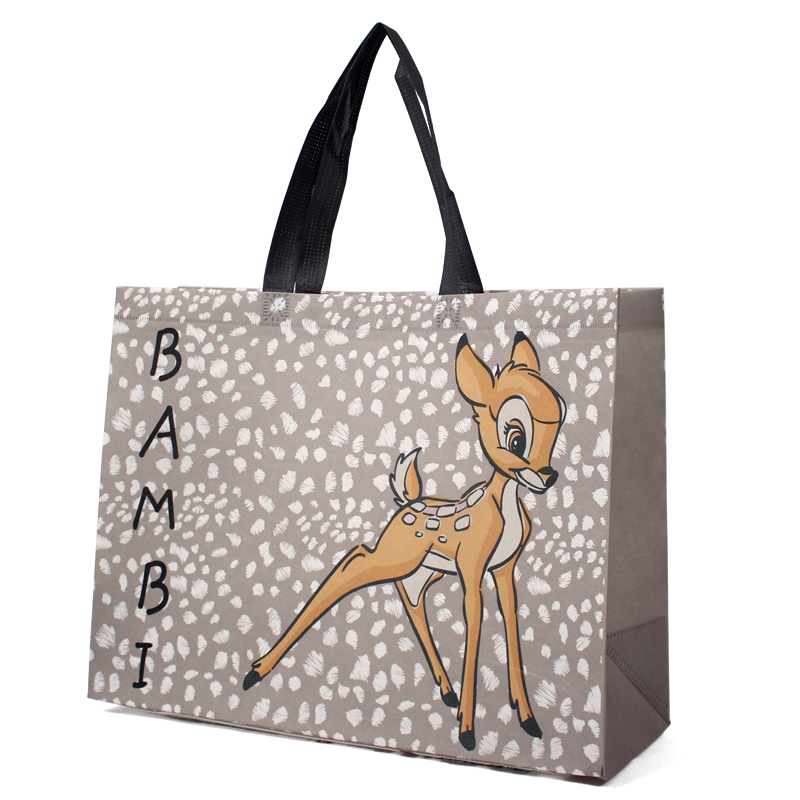
A jute bag has become an essential accessory for environmentally conscious consumers and businesses alike. However, not all jute bags offer the same value, durability, or sustainability benefits. Understanding what makes a high-quality jute bag worth buying requires examining multiple factors that distinguish premium options from basic alternatives. Whether you're selecting a jute bag for personal use or sourcing them for your business, knowing the key quality indicators will help you make an informed investment that aligns with both your values and practical needs.
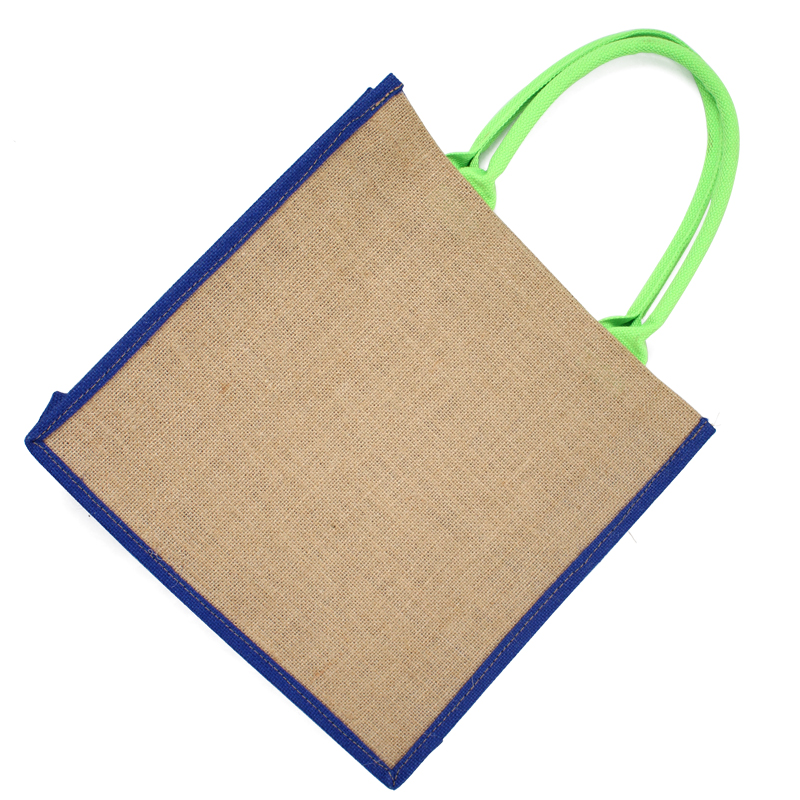
Investing in a quality jute bag goes beyond choosing an affordable option. A superior jute bag combines raw material excellence, construction integrity, and thoughtful design to deliver lasting performance and genuine environmental benefit. This article explores the defining characteristics of a jute bag that justifies its price point and ensures customer satisfaction over time.
Material Quality and Fiber Composition
Understanding Jute Grade and Sourcing
The foundation of any quality jute bag begins with the fiber itself. Premium jute bag manufacturers source high-grade jute from reputable suppliers who maintain strict quality standards throughout the cultivation and harvesting process. A superior jute bag uses longer, stronger fibers that create more durable woven fabrics compared to lower-grade alternatives. The color, texture, and natural shine of authentic jute indicate proper processing and quality control. When examining a jute bag, look for consistent fiber diameter, minimal defects, and a smooth, uniform weave pattern that reflects superior craftsmanship.
Density and Weave Consistency
A well-constructed jute bag features tight, even weaving that prevents fraying and unraveling over time. Higher thread density directly correlates with durability and load-bearing capacity in a quality jute bag. This characteristic determines how the jute bag performs under stress and whether it maintains structural integrity after months or years of regular use. Manufacturers of premium jute bag options invest in advanced looms and skilled technicians to ensure consistent weave patterns throughout production, eliminating weak points that compromise performance. Run your hand across a jute bag sample to feel for uniformity—dense, smooth weaving indicates superior quality in your potential jute bag purchase.
Construction and Reinforcement Features
Handle Durability and Stitching Standards
Handles represent the highest-stress component of any jute bag, making their construction critical to overall quality and longevity. A quality jute bag incorporates reinforced handles using multiple stitching patterns, often with additional fabric layers or binding along stress points. Premium jute bag designs employ bar-tacking or cross-stitching at handle attachment points, creating robust connections that withstand heavy loads. The thread used in a superior jute bag must match or exceed the strength of the jute fibers themselves, preventing handle failure even under demanding conditions. When evaluating a jute bag's value, examine handle construction closely—thick, densely stitched handles indicate a manufacturer's commitment to durability and customer satisfaction.
Bottom and Seam Reinforcement
The bottom of a jute bag endures constant contact with surfaces and bears the weight of contents, making reinforcement essential for quality products. High-end jute bag manufacturers add reinforced bases using additional fabric layers, protective stitching, or structured inserts that prevent wear-through and collapse. Double-stitched seams throughout the jute bag ensure longevity and prevent unraveling that compromises structural integrity. A premium jute bag typically features sealed or bound seams rather than simple edge finishes, protecting the interior from dust and debris. These reinforcement details directly extend the functional lifespan of your jute bag, making them worthwhile investments that reduce replacement frequency.
Design Functionality and Aesthetic Considerations
Practical Features and User Experience
Beyond basic construction, a quality jute bag incorporates thoughtful design elements that enhance usability and customer satisfaction. Interior pockets, compartments, or organizational features transform a basic jute bag into a practical tool for daily use. Proper width-to-height proportions ensure a jute bag balances aesthetic appeal with functional capacity, preventing awkward shapes that discourage regular use. Reinforced base panels in a superior jute bag create a stable platform that prevents contents from shifting and keeps the structure upright. Gusset design—the depth and shape of side panels—affects how a jute bag sits when filled and whether it distributes weight evenly. These practical features collectively determine whether your jute bag serves as a reliable daily accessory or merely an occasional backup option.
Aesthetic Appeal and Brand Integrity
A quality jute bag reflects attention to design proportions, color consistency, and visual balance that appeals to discerning consumers. Premium jute bag offerings feature clean finishing, even dyeing, and carefully considered color palettes that remain trendy without sacrificing timelessness. The aesthetic value of a jute bag influences user satisfaction and likelihood of regular use—an attractive jute bag integrates seamlessly into daily routines, while poorly designed options remain unused. Print quality, embroidery placement, and finish details distinguish a luxury jute bag from basic alternatives. The visual presentation of your jute bag, combined with structural quality, creates the complete value proposition that justifies premium pricing and builds brand reputation.
Environmental Impact and Sustainability Claims
Certifications and Production Transparency
A truly premium jute bag backs its sustainability claims with verifiable certifications and transparent production practices. Look for jute bag products bearing certifications from recognized environmental organizations that audit manufacturing processes, worker conditions, and resource management. A quality jute bag manufacturer discloses information about fiber sourcing, water usage, chemical treatments, and waste management protocols. These transparency measures demonstrate commitment to genuine environmental responsibility rather than superficial 'green' marketing. When purchasing a jute bag, request documentation about certifications and production standards—reputable manufacturers eagerly share this information as proof of their superior environmental practices.
Longevity as Environmental Benefit
The environmental advantage of a jute bag extends beyond biodegradability to its durability and extended functional lifespan. A well-made jute bag that lasts years represents a better environmental choice than replacing cheaper alternatives repeatedly. Premium jute bag construction minimizes waste through careful resource management and reduces the need for replacement purchases. The cumulative environmental benefit of a durable jute bag justifies its higher initial cost compared to poorly constructed alternatives that end up in landfills within months. Manufacturers of quality jute bag products recognize that true sustainability encompasses both material sourcing and product longevity, making durability an essential component of their value proposition.
FAQ
How can I identify authentic high-quality jute in a jute bag?
Authentic, high-quality jute displays a consistent golden-brown color, smooth texture, and strong fibers that resist fraying when handled. Run your fingers across the surface of a jute bag—premium jute feels uniform and dense rather than rough or sparse. The weight of a quality jute bag should feel substantial, indicating dense fiber composition. Authentic jute may show minor natural color variations reflecting its organic origin, while synthetic imitations typically appear unnaturally uniform. Purchase your jute bag from reputable suppliers who provide material certifications and transparency about fiber sourcing and quality testing.
What weight capacity should a quality jute bag support?
A well-constructed jute bag with reinforced handles typically supports 15 to 25 pounds safely, depending on size and construction specifications. Larger tote-style jute bag options engineered with heavy-duty reinforcement can handle 30 pounds or more. However, a premium jute bag's actual capacity depends on handle strength, seam construction, and base reinforcement rather than material type alone. Exceeding a jute bag's recommended weight capacity stresses handles and seams, accelerating wear and compromising longevity. Quality manufacturers clearly specify weight limits for each jute bag model, helping customers select appropriate sizes for their intended applications and usage patterns.
Are natural jute bags better than dyed or printed versions?
Natural undyed jute bags preserve maximum fiber strength and deliver authentic aesthetic appeal, but quality manufacturing techniques allow dyed or printed jute bag options to perform equally well. The quality of a jute bag depends more on fiber grade, construction methods, and reinforcement features than on whether it's dyed. Premium jute bag producers use environmentally responsible dyeing processes that don't compromise fiber integrity or durability. Printed designs on a quality jute bag use low-impact inks and techniques that won't fade excessively with use. Your choice between natural and dyed versions should reflect personal preference and intended use rather than assumptions about quality differences.