
 EN


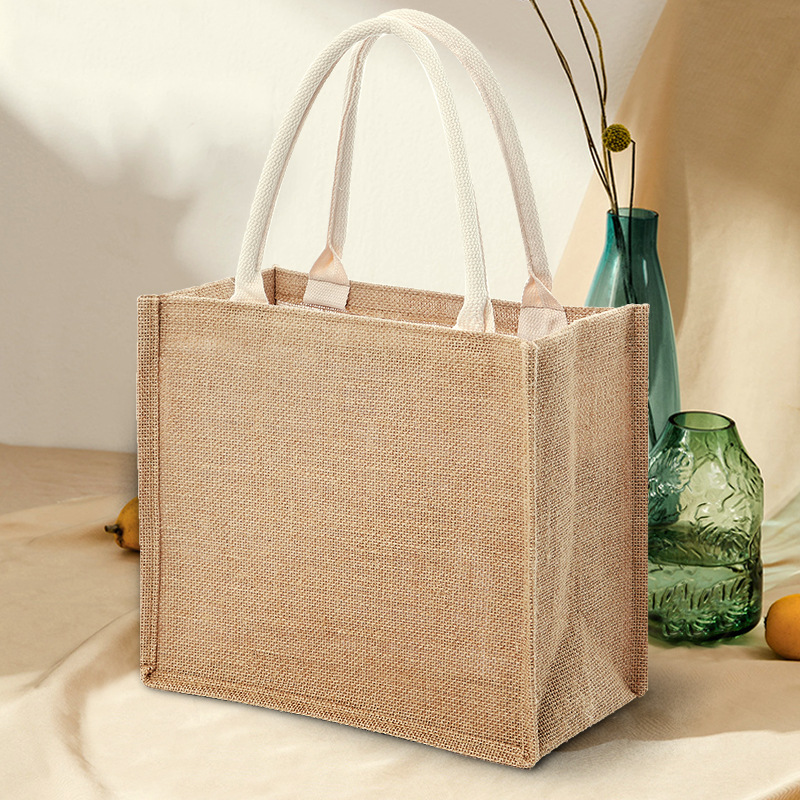
The choice between a pp woven bag and traditional packaging materials has become a critical decision for businesses managing logistics, retail operations, and customer fulfillment. Understanding how a pp woven bag performs against plastic films, paper bags, and other woven alternatives is essential for making informed purchasing decisions that balance durability, cost, and environmental responsibility. This comparison reveals why many industries are shifting toward pp woven bag solutions.
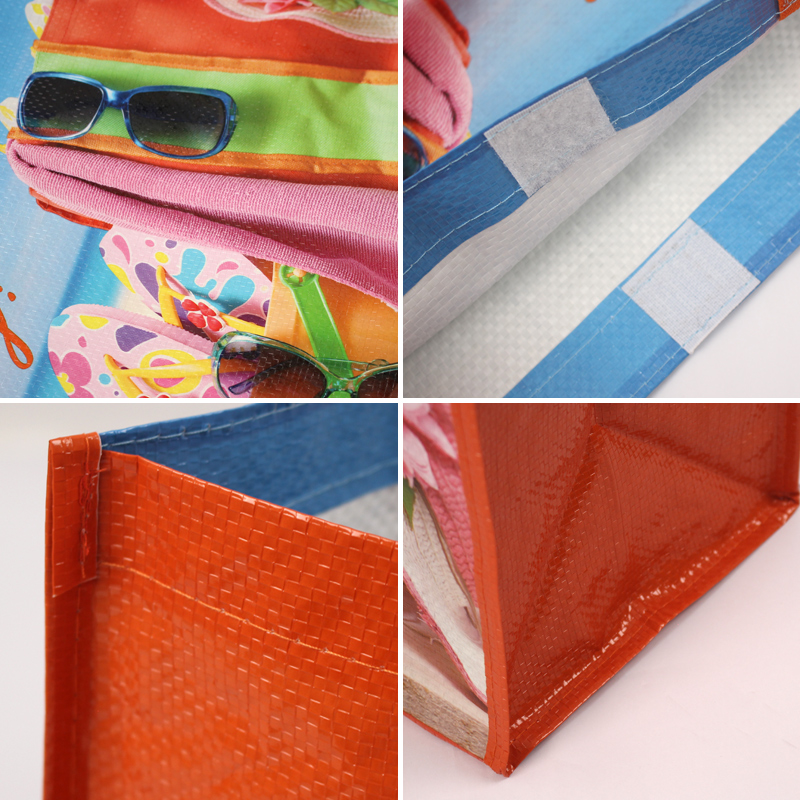
When evaluating packaging durability, businesses must consider tear resistance, weight capacity, moisture protection, and long-term performance under real-world conditions. A pp woven bag demonstrates superior performance across multiple durability metrics that make it stand out in competitive markets. The structural integrity of a pp woven bag makes it the preferred choice for high-volume applications where reliability directly impacts customer satisfaction and operational efficiency.
Structural Strength and Load-Bearing Capacity
Tensile Strength of PP Woven Materials
A pp woven bag is engineered with interlocking polypropylene strips that create a fabric with exceptional tensile strength. This construction method produces a pp woven bag that can safely carry 25 to 50 kilograms depending on the design and grade, far exceeding the load capacity of standard paper bags or thin plastic films. The criss-cross weaving pattern in a pp woven bag distributes stress evenly across the material, preventing localized failures that compromise package integrity. Traditional paper bags typically handle only 5 to 15 kilograms before seams fail, while standard plastic films tear easily under moderate stress.
Comparison with Paper Bag Performance
Paper bags lose structural integrity when exposed to moisture, making a pp woven bag significantly more reliable in humid environments or during transport across varied climates. A pp woven bag maintains consistent strength whether stored in cool warehouses or warm outdoor conditions, whereas paper alternatives become brittle or weaken dramatically after moisture absorption. For agricultural products, bulk fertilizers, and retail merchandise requiring repeated handling, a pp woven bag outperforms paper by a factor of three to five times in durability testing. The pp woven bag also resists punctures, abrasions, and edge tears that commonly occur during stacking, forklift operations, and transportation across rough surfaces.
Environmental Resilience and Protection Properties
Moisture and Weather Resistance
A pp woven bag naturally resists moisture while remaining breathable enough to prevent condensation damage in products like grains, seeds, and dried goods. This dual property makes a pp woven bag particularly valuable for agricultural and food-related industries where moisture control is non-negotiable. Unlike plastic laminates that trap moisture and create humid microclimates, a pp woven bag allows controlled air circulation while blocking direct water penetration. Traditional plastic films create condensation problems and eventual product spoilage, whereas a pp woven bag maintains product quality throughout extended storage and global shipping routes.
UV Stability and Chemical Resistance
Standard plastics degrade quickly under UV exposure, but a pp woven bag can be manufactured with UV-stabilized polypropylene that maintains structural integrity outdoors for extended periods. A pp woven bag also resists oils, solvents, and industrial chemicals better than alternatives, making it ideal for manufacturing, agriculture, and construction sectors. Paper bags offer virtually no UV or chemical protection, deteriorating rapidly when exposed to direct sunlight or stored near reactive compounds. Comparison testing shows a pp woven bag maintains 90 percent of its original strength after six months of outdoor exposure, while paper bags lose structural viability within weeks and thin plastics become brittle and unusable.
Cost-Efficiency and Return on Investment
Reusability and Extended Lifespan
A pp woven bag can be used repeatedly over many seasons without substantial degradation, unlike paper bags that become unusable after single use or thin plastics that puncture easily. A pp woven bag is often reused 50 to 100 times before requiring replacement, fundamentally changing the cost-per-use calculation in favor of woven solutions. Customers increasingly prefer receiving products in a pp woven bag that they can repurpose for storage, transport, or commerce rather than discarding single-use packaging. This reusability aspect makes a pp woven bag more sustainable and economically superior over time compared to disposable alternatives that create continuous replacement costs.
Cost Comparison Across Packaging Types
While the upfront cost of a pp woven bag per unit exceeds basic paper bags, the total cost of ownership strongly favors a pp woven bag when accounting for durability, customer satisfaction, and brand reputation impact. A pp woven bag costs approximately 15 to 40 percent more initially than paper, but delivers three to five times the lifespan, resulting in 60 to 80 percent lower cost per use over its complete lifecycle. Businesses using a pp woven bag report reduced replacement frequency, fewer customer complaints about damaged goods, and lower logistics costs due to damage reduction. The pp woven bag investment becomes especially attractive when volume scaling is considered, as bulk purchasing reduces per-unit costs substantially.
Performance Across Industry-Specific Applications
Agricultural and Food Storage
A pp woven bag has become the standard for grain, fertilizer, animal feed, and seed packaging because it provides the moisture control and structural reliability that agricultural operations depend on. A pp woven bag prevents contamination, protects products from pests and weather, and withstands the rough conditions of farm equipment and storage facilities. Paper alternatives fail within days in agricultural environments, while a pp woven bag maintains performance throughout entire growing seasons and storage cycles. The global agricultural industry's preference for a pp woven bag reflects proven superiority in field conditions where moisture, temperature, and physical stress are constant challenges.
Retail and E-Commerce Applications
A pp woven bag provides retail businesses and e-commerce retailers with reliable, professional packaging that enhances brand perception while protecting goods during transit and customer handling. A pp woven bag reduces return rates due to damage and creates positive customer experiences through durability and reusability. Customers receiving products in a pp woven bag often repurpose the bag, extending brand visibility and creating additional marketing value. Paper bags offered as e-commerce alternatives frequently result in customer complaints about product damage or contamination, whereas a pp woven bag maintains product condition and customer satisfaction metrics.
FAQ
How does a PP woven bag prevent moisture damage compared to paper packaging?
A pp woven bag is made from polypropylene material that naturally repels moisture while remaining breathable, preventing both external water infiltration and internal condensation problems. Paper bags absorb moisture rapidly, losing structural integrity and allowing water to reach packaged goods. A pp woven bag maintains consistent protection in humid environments, during ocean transport, and in varying climate conditions where paper fails completely.
Can a PP woven bag be customized for specific branding and promotional purposes?
Yes, a pp woven bag can be manufactured with custom colors, printed logos, handles, and interior linings tailored to specific brand requirements and marketing objectives. A pp woven bag offers excellent printability that maintains clarity and durability throughout the bag's extended lifespan. This customization capability makes a pp woven bag ideal for promotional purposes while delivering superior functionality compared to generic packaging alternatives.
What is the typical lifespan of a PP woven bag in commercial applications?
A pp woven bag typically remains functional for 50 to 100 uses depending on handling conditions and product weight, translating to 2 to 5 years of typical use in retail or agricultural settings. A pp woven bag's lifespan far exceeds paper bags that fail after single use and plastic films that puncture or degrade within months. The extended lifespan of a pp woven bag makes it the most economical choice across most commercial packaging scenarios.