
 EN
EN



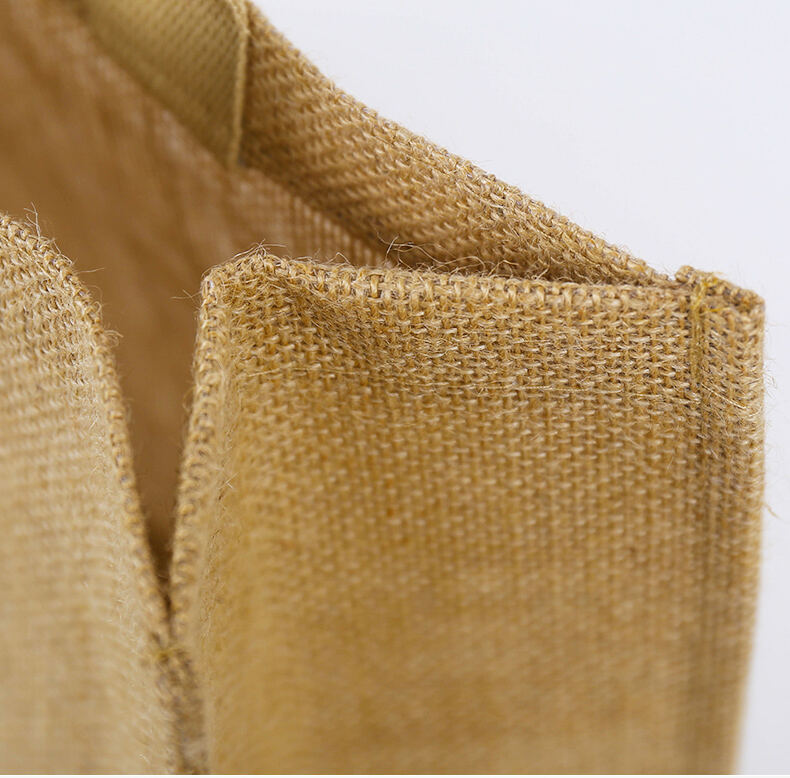
When considering sustainable carrying solutions for personal or business use, the maintenance requirements between cotton bag and plastic alternatives represent a crucial factor in long-term decision making. Understanding these differences helps consumers and businesses make informed choices based on practical considerations rather than assumptions about eco-friendly options.

The maintenance comparison between cotton bag solutions and plastic alternatives involves multiple dimensions including cleaning frequency, durability expectations, storage requirements, and overall lifecycle management. While plastic bags often appear maintenance-free, cotton bag options require different care approaches that can significantly impact their performance and longevity in various applications.
Cleaning and Hygiene Requirements
Cotton Bag Washing Protocols
Cotton bag maintenance involves regular washing cycles to maintain hygiene standards, particularly when used for food shopping or carrying items that may transfer residues. Machine washing represents the most effective method for thorough cotton bag cleaning, typically requiring temperatures between 30-40 degrees Celsius to preserve fabric integrity while ensuring proper sanitization.
The washing frequency for a cotton bag depends largely on usage patterns and contamination exposure. Heavy-use scenarios such as grocery shopping or gym equipment transport may require weekly washing, while occasional use for books or clothing allows for monthly cleaning schedules. Pre-treatment of stains using mild detergents enhances cleaning effectiveness without compromising the cotton bag material.
Air drying after washing prevents shrinkage and maintains the cotton bag shape, though machine drying on low heat settings remains acceptable for most cotton bag varieties. Proper drying techniques prevent mildew formation and preserve the natural cotton fibers that give these bags their durability and aesthetic appeal.
Plastic Bag Cleaning Limitations
Plastic bags present significant challenges in terms of thorough cleaning due to their non-porous surface characteristics and thin material construction. While surface wiping with disinfectant cloths provides basic cleaning, achieving the deep sanitization possible with cotton bag washing remains difficult with plastic alternatives.
The inability to machine wash plastic bags safely limits their hygiene maintenance options, particularly problematic when these bags encounter food spills or organic contamination. Hand washing with soap and water offers limited effectiveness compared to the comprehensive cleaning possible with cotton bag maintenance routines.
Plastic bag cleaning also faces durability constraints, as aggressive cleaning attempts often result in tears or weakening of the material structure. This limitation creates a maintenance paradox where thorough cleaning becomes destructive to the bag's usability, contrasting sharply with robust cotton bag washing capabilities.
Durability and Wear Management
Cotton Bag Longevity Factors
Cotton bag durability directly correlates with proper maintenance practices, as regular cleaning and appropriate storage extend usable life significantly beyond typical plastic bag lifespans. Quality cotton bag construction using reinforced stitching and proper handle attachment withstands repeated washing cycles while maintaining structural integrity.
Wear patterns in cotton bag usage typically manifest as gradual fading or slight fabric softening rather than catastrophic failures common in plastic alternatives. This progressive wear allows users to anticipate replacement needs and plan accordingly, rather than experiencing sudden bag failures during critical use situations.
Maintenance-related durability improvements include proper folding techniques that prevent permanent creasing and rotation of multiple cotton bag units to distribute wear evenly across a collection. These practices extend individual cotton bag lifespans while maintaining consistent availability for daily use.
Plastic Bag Degradation Patterns
Plastic bags exhibit rapid degradation under normal use conditions, with handle separation and bottom tearing representing the most common failure modes. These failures often occur without warning and typically render the entire bag unusable, contrasting with gradual cotton bag wear that allows continued functionality even as aesthetics diminish.
UV exposure accelerates plastic bag deterioration, causing brittleness that makes cleaning attempts counterproductive. This environmental sensitivity requires careful storage away from sunlight, adding complexity to plastic bag maintenance that cotton bag alternatives naturally resist through their fabric construction.
The thin material construction of most plastic bags provides little resilience against sharp objects or heavy loads, creating maintenance challenges when punctures or tears occur. Repair options remain extremely limited compared to cotton bag mending possibilities using basic sewing techniques.
Storage and Organization Requirements
Cotton Bag Storage Best Practices
Proper cotton bag storage involves ensuring complete drying after cleaning to prevent mold or mildew development during extended storage periods. Folding techniques that minimize permanent creases help maintain professional appearance and extend cotton bag usability for business or formal applications.
Climate considerations for cotton bag storage include moderate humidity environments that prevent excessive drying or moisture absorption. Unlike plastic alternatives, cotton bag materials can withstand temperature variations without structural degradation, simplifying storage location selection.
Organization systems for multiple cotton bag units benefit from rotation schedules that ensure even usage distribution and prevent individual bags from remaining unused for extended periods. This practice maintains fabric flexibility and prevents storage-related deterioration that could compromise cotton bag performance.
Plastic Bag Storage Challenges
Plastic bag storage requires protection from heat sources, UV exposure, and sharp objects that could cause punctures during storage periods. These environmental sensitivities create specific storage location requirements that may not align with convenient access points for regular use.
The lightweight nature of plastic bags creates organization challenges as they easily become tangled or displaced within storage systems. Maintaining orderly storage requires dedicated containers or organization methods that prevent bag damage during retrieval processes.
Static electricity buildup in plastic bag storage situations attracts dust and debris, requiring additional cleaning before use and complicating maintenance routines. This phenomenon does not affect cotton bag storage, as natural fibers resist static accumulation under normal storage conditions.
Cost Analysis of Maintenance Approaches
Cotton Bag Maintenance Economics
The economic impact of cotton bag maintenance includes washing costs, detergent usage, and energy consumption for drying processes. However, these ongoing costs distribute across extended usage periods that typically span years rather than the weeks or months common with plastic bag lifespans.
Cost-effectiveness calculations for cotton bag maintenance must consider the replacement frequency of plastic alternatives against the washing and care costs for durable cotton options. Most analyses demonstrate significant long-term savings despite higher initial cotton bag investment and ongoing maintenance requirements.
Bulk cotton bag purchasing combined with systematic maintenance routines creates economies of scale that further improve cost efficiency. Organizations implementing cotton bag programs often discover that maintenance costs remain minimal compared to ongoing plastic bag replacement expenses.
Hidden Plastic Bag Costs
While plastic bags appear maintenance-free, hidden costs include frequent replacement needs, storage space requirements for bulk purchasing, and disposal fees in regions with plastic waste regulations. These costs often exceed cotton bag maintenance expenses when calculated across equivalent usage periods.
Emergency replacement needs for failed plastic bags create unplanned expenses and inconvenience that cotton bag maintenance practices help avoid through predictable care schedules. The reliability provided by well-maintained cotton bag options eliminates many surprise costs associated with plastic bag failures.
Environmental compliance costs increasingly affect plastic bag usage as regulations expand globally, while cotton bag maintenance remains unaffected by such policy changes. This regulatory stability provides cost predictability that plastic alternatives cannot match in evolving environmental landscapes.
FAQ
How often should I wash my cotton bag?
Cotton bag washing frequency depends on usage intensity and contamination exposure. For grocery shopping or food transport, weekly washing maintains optimal hygiene. Casual use for books, clothing, or dry goods typically requires monthly cleaning. Heavy-duty applications or exposure to spills may necessitate immediate washing regardless of schedule.
Can I machine dry my cotton bag safely?
Machine drying cotton bags on low heat settings generally poses no risk to most cotton bag varieties, though air drying prevents any possibility of shrinkage or fiber damage. Check manufacturer recommendations for specific cotton bag products, as some may include synthetic blends requiring gentler drying approaches.
What makes cotton bag maintenance more sustainable than plastic alternatives?
Cotton bag maintenance sustainability stems from extended product lifespans that reduce replacement frequency and manufacturing demand. While washing requires water and energy, the environmental impact remains significantly lower than constant plastic bag production and disposal cycles. Proper cotton bag care maximizes these sustainability benefits through optimal durability.
Are there any cotton bag maintenance practices I should avoid?
Avoid using bleach or harsh chemicals that can weaken cotton fibers and cause premature cotton bag deterioration. Hot water washing above 40 degrees Celsius may cause shrinkage in some cotton bag types. Never store cotton bags while damp, as moisture retention promotes mold growth and fabric degradation that compromises long-term usability.