non woven reusable bags
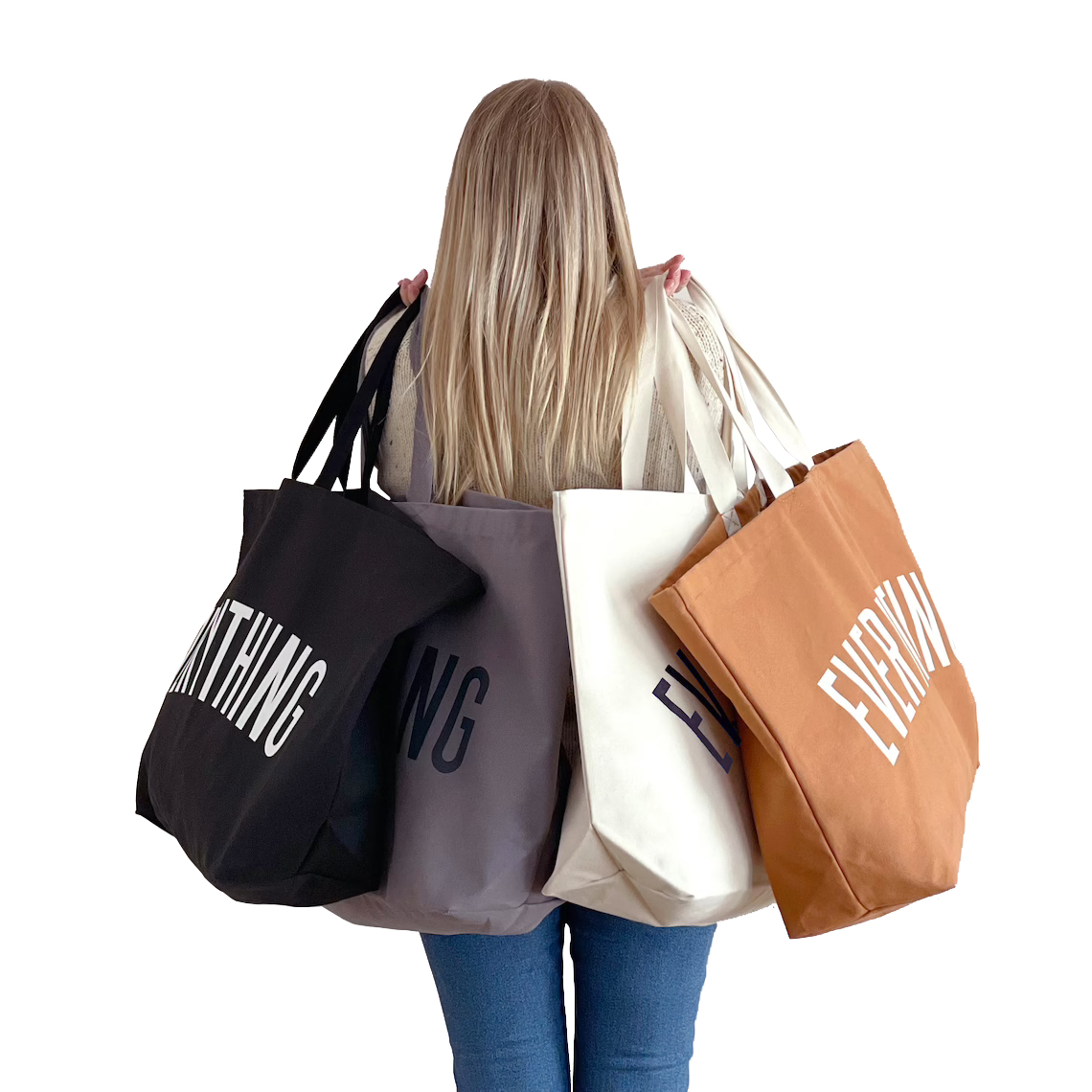
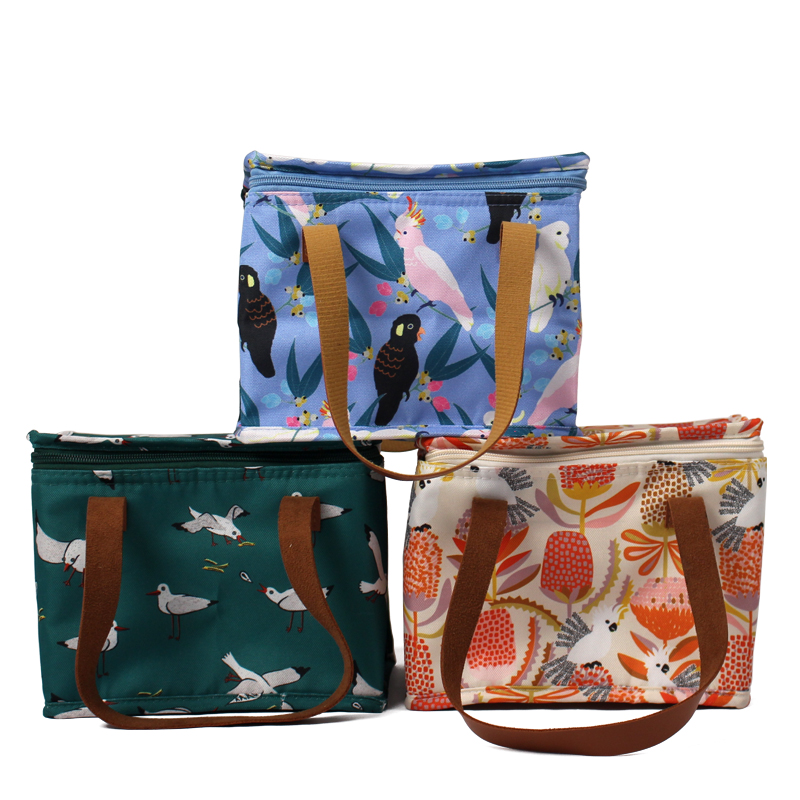
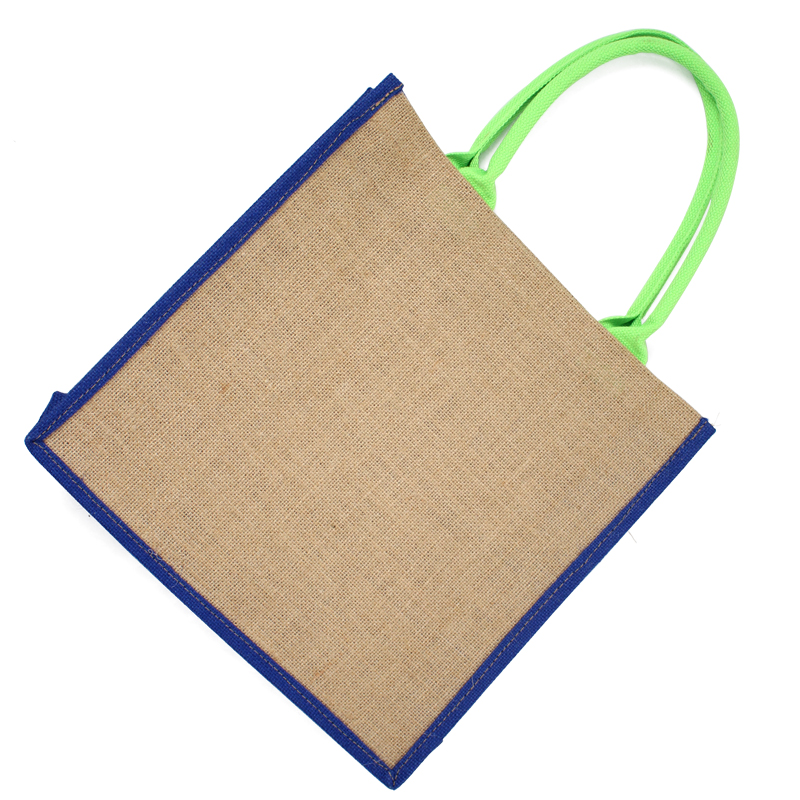
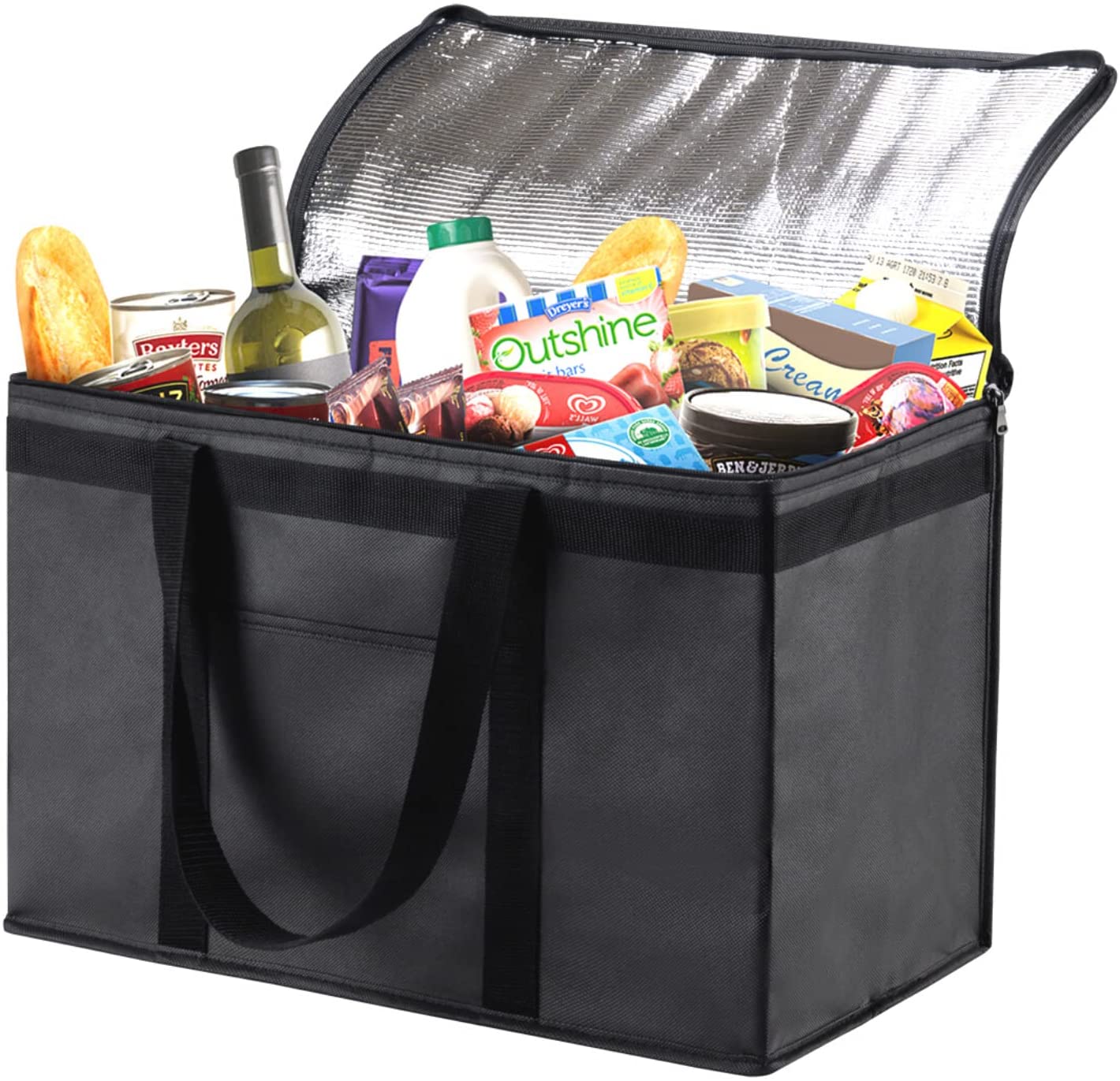
Non woven reusable bags represent a modern solution for eco-conscious consumers and businesses seeking sustainable packaging alternatives. These bags are manufactured from non-woven fabric, a durable material created by bonding fibers together through mechanical, thermal, or chemical processes, rather than traditional weaving or knitting methods. Non woven reusable bags offer exceptional strength while remaining lightweight, making them ideal for various applications across retail, grocery, promotional, and storage sectors.
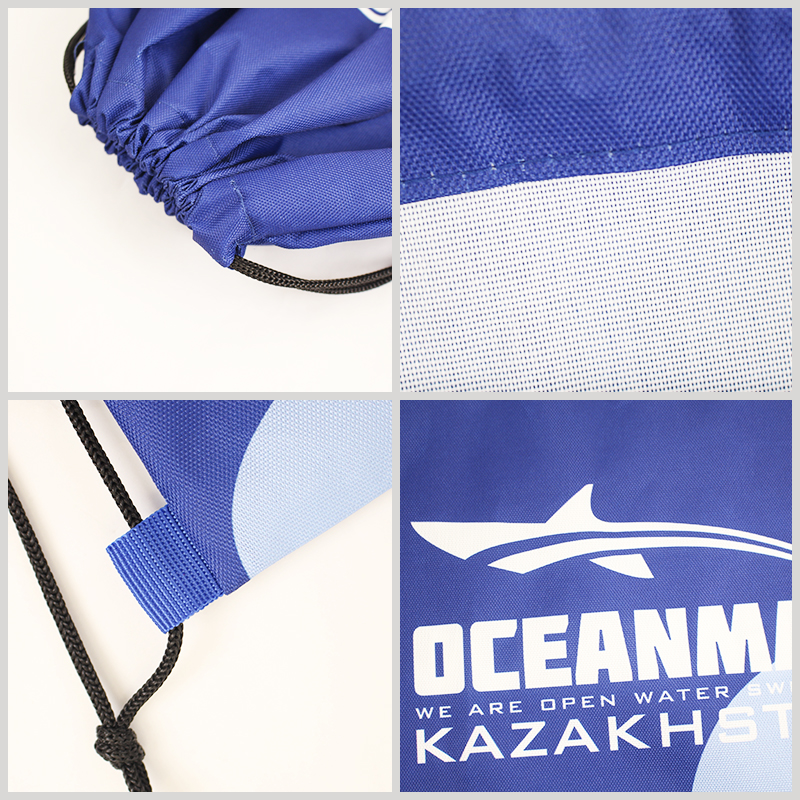
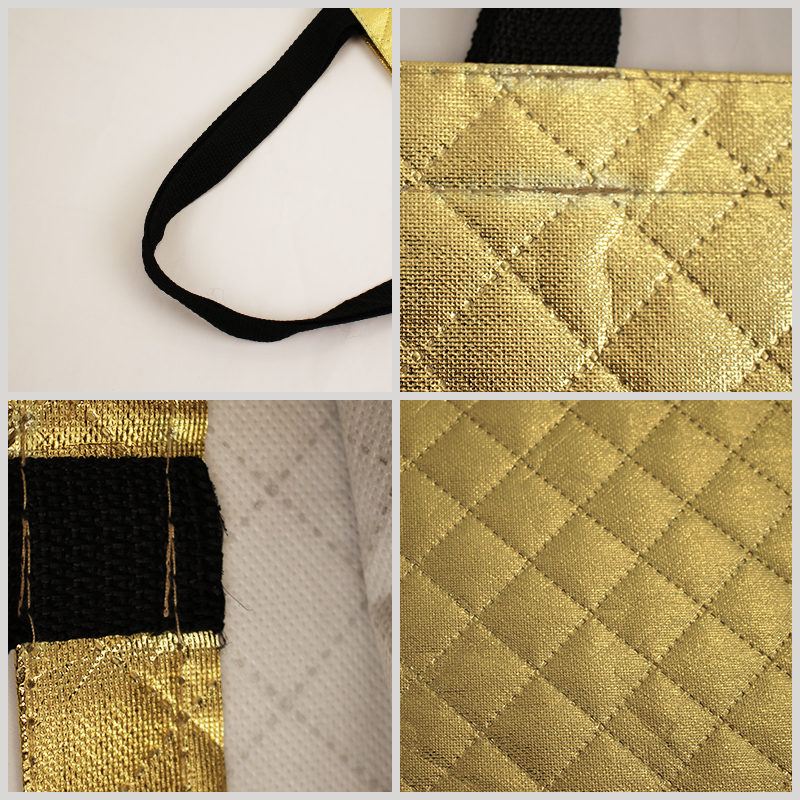
The primary function of non woven reusable bags is to provide a reliable, environmentally friendly alternative to single-use plastic bags. These bags feature advanced technological characteristics that enhance their performance and longevity. The non-woven material demonstrates superior tear resistance, water repellency, and structural integrity compared to conventional options. Non woven reusable bags incorporate reinforced handles and sealed seams that prevent contents from shifting or spilling during transport.
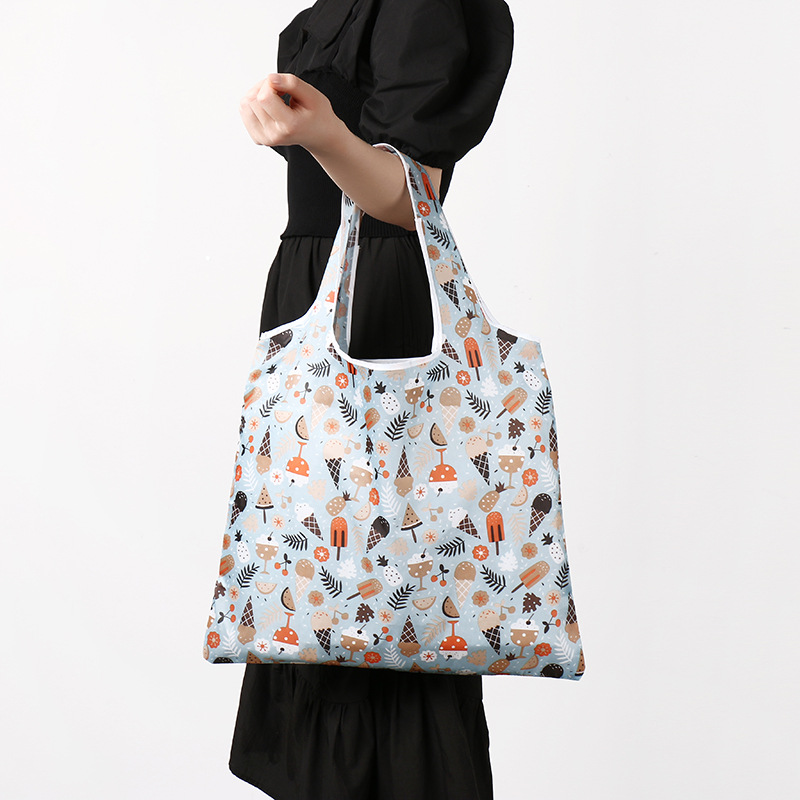
Applications for non woven reusable bags span multiple industries. Retailers utilize them for shopping and product carrying, while businesses employ them for promotional branding purposes. The healthcare, food service, and education sectors benefit from using non woven reusable bags for distribution and organization. Event organizers favor these bags for gift packages and merchandise. The material's customizable nature allows companies to print logos, designs, and messaging, transforming non woven reusable bags into effective marketing tools while promoting environmental responsibility and sustainable practices throughout their supply chains.

 EN
EN